Hunting Ethics: How to Ensure a Clean and Humane Kill
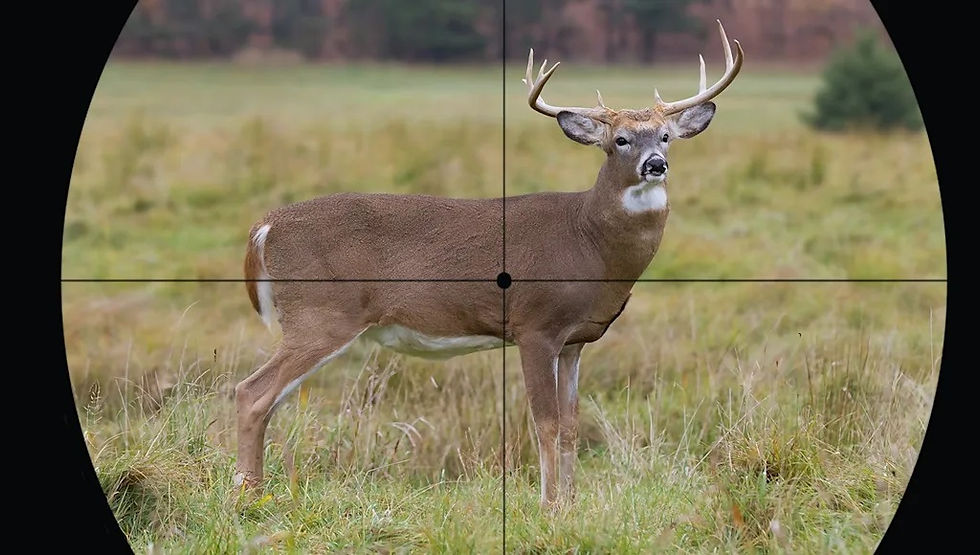
Ethical hunting is about more than “getting it done.” It’s about respecting the animal, respecting the law, and respecting the resource so that future generations inherit healthy wildlife and wild places. Informing merely delivers facts; educating connects the dots—so you understand why something matters and exactly how to do it when a live animal is in front of you and time is short.
This integrated guide turns best intentions into best practices. We’ll cover preparation, anatomy and shot angles, ammunition choices (including lead-free), decision-making under pressure, tracking and recovery, meat care, law and ethics (including Fair Chase), technology boundaries, public- and private-land etiquette, archery and muzzleloader specifics, and a concise pre-shot checklist. Think of it as a field-proven blueprint for clean, humane kills and honorable conduct.
Preparation: Practice to Ensure Proficiency
A humane kill begins long before the shot. You must be able to make an accurate, confident shot when your heart is pounding and conditions aren’t perfect.
Frequent range time: When initially shooting a new rifle or beginning to sight in a scope, less expensive ammunition with ballistic characteristics similar to your hunting ammo is okay as a starting point. With a new rifle you should plan to get one box each of several types of hunting ammo since different ammunition works better or worse in different weapons. Figure out what works best with your exact setup and zero your rifle with the exact hunting ammo you’ll carry, then re-confirm after travel or after the rifle / scope receives a hard bump. Record a simple “dope card” with verified drops at 50-yard increments out to your ethical maximum distance.
Simulate field conditions: Practice from kneeling, sitting with sticks, prone off a pack, and standing supported against a tree. Add a timer to simulate narrow shot windows. Train with the gloves, layers, and sling you’ll actually use.
Master your equipment: Know bullet drop and wind drift at realistic distances. A 10 mph crosswind can move a bullet more than most new hunters expect—plan for it. Laminated range cards and a small notebook keep your brain calm when adrenaline spikes.
Why this matters: Familiarity and realistic reps turn “I hope” into “I know.” Ethical hunters engineer high-probability shots, not long-odds gambles.
Anatomy and Shot Placement: Aim for the Vitals
Knowledge of anatomy transforms “behind the shoulder” into a precise heart–lung line that considers the animal’s angle. That vital zone is your highest-odds path to rapid incapacitation and a short recovery.
Primary target—heart & lungs: On broadside and slight quartering-away angles, aim just behind the near shoulder, one-third to halfway up the body. Expect a brief dash and a clear blood trail.
Advanced shots—neck or spine: These can drop an animal instantly but are unforgiving. Reserve for close range with rock-solid support.
Avoid head shots: Small target, high chance of non-lethal injury. Choose the vital zone instead.
Angle thinking: Picture where the bullet must exit to cross the vitals given the angle you have. If you can’t visualize a clean path, wait.
Shot Angles and Patience: Wait for the Green Light
Broadside is ideal; quartering-away is next best—aim so the bullet travels forward into the far-side shoulder after crossing the vitals.
Quartering-toward and rear shots risk non-vital hits and prolonged suffering. Angle discipline—waiting for the right window even if it means passing a shot—is one of the clearest marks of an ethical hunter.
Ethical Distance: Define Yours—and Respect It
Your ethical range isn’t what a cartridge can do; it’s the farthest distance at which you can keep all shots inside the vitals from field positions under typical wind. Confirm this on the range, not on an animal. If wind, stability, or confidence isn’t there, move closer or pass. Ethical restraint is strength.
Caliber, Bullets, and Lead-Free Options
Use enough gun, then pair it with bullets that expand reliably and penetrate to the vitals.
Match caliber to game size: Proven all-rounders like .308 Win, .30-06, 6.5 Creedmoor, and .270 Win perform wonderfully with the right bullets and within ethical distances.
Controlled-expansion bullets: Bonded, partitioned, and monolithic copper designs expand predictably, hold together, and drive deep—even through heavy bone on quartering-away shots.
Lead-free choices: Modern copper bullets offer excellent terminal performance while minimizing lead fragments in carcasses and gut piles. If you use lead, consider packing out or deep-burying the gut pile where legal to reduce risk to scavengers.
Why this matters: Good bullet construction plus appropriate caliber is the difference between short recoveries and long, avoidable tracking jobs.
Technology and Fair Chase: Tools, Not Shortcuts
Laser rangefinders, kestrels, and ballistic apps can improve ethical outcomes by confirming ranges and stabilizing your decisions. But tech that gives an improper or unfair advantage—for example, using drones to locate game—is outside both law and the spirit of Fair Chase. Use technology to raise your certainty, not to erase the hunt.
Archery and Muzzleloaders: Tune, Test, and Time
Archery: Broadheads must fly like field points; paper tune and walk-back tune until they do. Choose fixed cut-on-contact or quality mechanicals matched to your draw weight and arrow spine. Prioritize angles that create a double-lung path (broadside or quartering-away), and be strict about distance—arrows magnify small errors.
Muzzleloaders: Know your specific load’s drop and wind drift, and treat the first shot as your only shot. Use solid field rests and be picky with angles; reloading in brush, snow, or rain is slow and error-prone.
The Pre-Shot “Green-Light” Checklist (10-Second Mental Run)
Animal ID (legal species/sex?)
Backstop (safe beyond the target?)
Angle (broadside or quartering-away?)
Range (inside your ethical distance?)
Rest (steady support?)
Wind (hold verified?)
Plan (clear path to recovery—light, terrain, time?)
If any answer is shaky, wait. Angles change. Animals step.
After the Shot: Tracking and Recovery
Even excellent shots can result in short runs. Recovery is part of the shot—not an afterthought.
Mark the spot: Fix the exact location of the animal at the shot and the last place you saw it. Choose visual landmarks.
Pause before pursuing: Heart–lung hits usually merit a 10–15 minute wait. If the hit is uncertain, wait longer. Pushing a mortally hit animal can carry it much farther.
Read the sign:
Bright red, frothy blood points to lungs.
Dark, steady blood suggests liver—give more time.
Green/intestinal means a gut hit—back out and return after hours.Mark each sign with biodegradable tape or tissue and grid search patiently.
Tracking dogs: Where legal, a leashed tracking dog is an ethical, effective recovery tool. Know your state’s rules before the season.
Field Dressing and Meat Care: Honor the Animal
Field dress promptly to vent heat and prevent spoilage. Use a sharp, sanitary knife and gloves to reduce contamination. In warm weather, prioritize shade, airflow, and breathable game bags; in cold weather, avoid letting quarters freeze in positions that trap heat. Be aware of CWD-related transport restrictions and dispose of high-risk tissues as required. Good meat care turns a great shot into great meals—and honors the animal.
Law, Ethics, and the North American Model
Season dates, tag/reporting rules, and method restrictions exist to align harvest with population goals and uphold fair, humane practices. Following the law is the floor of ethical hunting; the ceiling is your personal discipline—passing marginal shots, committing to recovery, caring for meat, and modeling respectful conduct.
Conservation funding you create: Purchases of firearms, ammo, and some archery equipment contribute an excise tax that funds wildlife restoration, ranges, and hunter education. When you hunt ethically and buy responsibly, you literally invest in future opportunity.
Community Conduct: Public- and Private-Land Etiquette
Public land: Give other hunters space; if you arrive second, you yield. Don’t walk through an active setup—detour widely and communicate courteously if you meet.
Private land: Get explicit permission, follow landowner rules, and leave gates as found. Express thanks. Hunters are ambassadors—your behavior shapes future access.
Travel and habitat: Stay on designated routes; avoid rutting roads and damaging fragile vegetation.
Keep Learning: Mentors, Courses, and Fair Chase
Seek out experienced hunters who model calm, patient decision-making. Refresh your knowledge through modern hunter-education modules and stay current on regulations. Revisit Fair Chase regularly; it’s the ethical North Star that keeps our tradition credible with the broader public.
Bringing It All Together
Ethical hunting blends skill, self-control, and stewardship. Practice in realistic positions. Understand anatomy and angles so your bullet or broadhead crosses the heart–lungs. Choose calibers and bullets—lead-free included—that penetrate and expand reliably. Define your ethical distance and honor it. Use technology to confirm, not to shortcut. Track deliberately, recover diligently, and take pride in meticulous meat care. Respect the law, the land, other hunters, and above all the animals we pursue.
That’s how we honor the animal, represent hunters well, and help fund and defend a conservation system that works—so our children and grandchildren can experience the same awe we do when dawn breaks, the woods wake up, and a clean, humane shot presents itself because we prepared, waited, and did it right.
If you found this helpful, sign up for our email list so you never miss new deep-dive articles like this one.
#EthicalHunter #FairChase #RespectTheGame #HumaneHarvest #HunterEducation #ShotPlacement #AnatomyForHunters #LeadFreeHunting #CopperBullets #TrackingAndRecovery #MeatCare #FieldToFork #HuntingConservation #NorthAmericanModel #KnowYourLimits #PublicLandEtiquette #HuntingProficiency #RifleHunting #ArcheryHunting #HuntingTips #HunterEducation #FirearmEducation


Comments