
How to Select the Right Shotgun for Trap and Skeet Shooting: Youth and Adult Considerations and Recommendations
Joseph McLain Nov 07, 2026
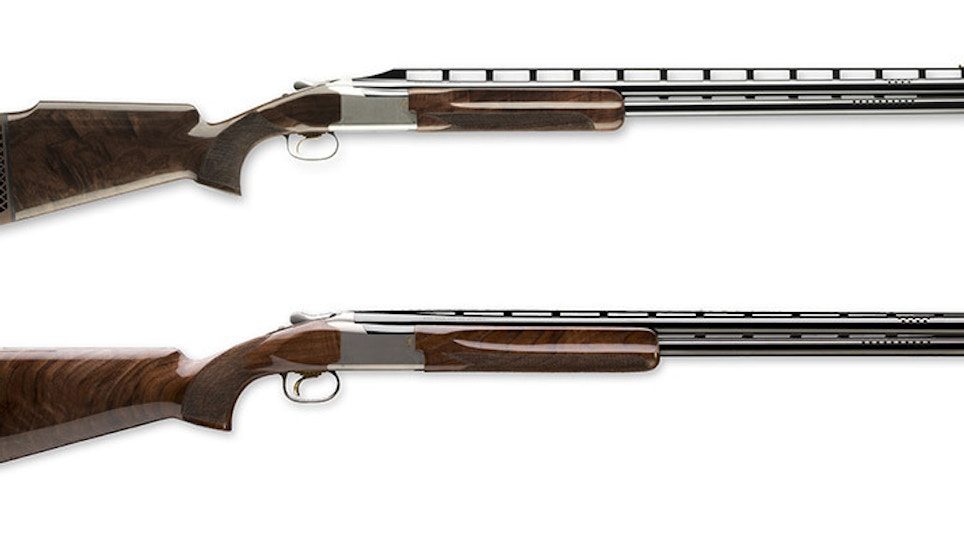
A twelve-year-old has just broken her first clay target, and now her parent needs to choose a shotgun. An adult who has been borrowing a friend's gun wants to know whether one shotgun can handle both trap and skeet. Should the youth gun be one she can grow into, or a light little 20? Can one gun serve both games? Both questions have good answers, and neither starts with a brand name.
By the end you should know what trap and skeet each ask of a shotgun, how fit, gauge, weight and action change what you feel and see, and how to narrow the field to a few guns worth testing for a youth or adult shooter.
How trap and skeet shape the shotgun you need
Both sports break clay targets, but the targets fly so differently that a gun built for one may not be the best choice for the other. In trap, targets are launched away from the shooter at varying angles and speeds, so the shot is usually at a target that is moving off and getting farther away. In skeet, targets are thrown from two houses in a relatively predictable arc, so they cross in front of you at relatively closer distances. Trap rewards a gun that holds a consistent point of aim and follows smoothly through as the target recedes. Skeet rewards a gun that is quick to swing and adjust to the target's path.
| Feature | Trap shotgun | Skeet shotgun |
|---|---|---|
| Barrel length | Longer, often 30 to 34 inches | Shorter, typically 26 to 30 inches |
| Choke | Tighter, for a denser pattern at longer range | More open, for a wider pattern at closer range |
| Target path | Away from the shooter at varying angles and speeds | Crossing, from two houses in a relatively predictable arc |
| What the gun must do | Keep a consistent point of aim with smooth follow-through | Swing quickly and adjust to meet the target's path |
Every row comes back to distance and direction. A longer barrel puts more length and weight out front, which helps you line up the sights and keeps the swing smooth while you track a target going away. A shorter barrel is easier to start and stop, which is what you want when a target crosses and you need to get on it fast. Trap guns also typically carry a raised rib, the raised strip along the top of the barrel that serves as your sighting line, and a good rib and sighting system matter most in trap because they help you keep alignment and a consistent swing.
The choke works the same way. A choke is the constriction at the muzzle that controls how quickly the pellets spread after they leave the barrel. Think of the nozzle on a garden hose. A tight setting sends a narrow, dense stream a long way, and an open setting throws a wide spray that covers more area up close. A tighter trap choke keeps the pattern dense out where the target is flying away at higher speed, while the more open skeet choke gives you a bigger "net" for a close crossing target. Because of this, choke tubes you can change are valuable, since the same gun can be set up tighter for trap or more open for skeet. Our guide to shotgun chokes explains the options in detail.
Key idea: Distance and direction decide the gun. Farther targets moving away call for a longer barrel and tighter choke, and closer crossing targets call for a quicker, shorter barrel and a more open choke.
Fit first: Why length of pull and comb height matter
You aim a shotgun with your eye along the rib, not through a rear sight, so the way the stock puts your face and shoulder behind the gun matters a great deal. Two measurements do most of the work. Length of pull is the distance from the trigger to the end of the stock, and it decides how the gun sits against your shoulder and how far you reach to the trigger. The comb is the top edge of the stock where your cheek rests, and its height decides how high your eye sits above the rib. When both are right, you get a comfortable, consistent cheek weld, meaning your cheek lands in the same spot on the stock every time, so your eye lines up the same way every time.
A stock that is too long is awkward to bring up smoothly, and one that is too short feels cramped. That is why youth shotguns are built with a shorter length of pull, and why adjustable stocks or spacers (thin pieces that add length a little at a time) help fine-tune the fit as a young shooter grows. Adults may need a longer length of pull depending on arm length and overall body size, and some shotguns offer adjustable combs to fit different shooters. If a gun will be shared between a youth and an adult, or you are planning ahead for growth, look for adjustable length of pull and comb height. Recoil pads and aftermarket parts such as adjustable buttplates or custom stocks can improve the fit further.
A five-minute fit check
Fit is something you can test before you buy. With the action open and the gun confirmed empty, the muzzle in a safe direction and your finger outside the trigger guard, stand in your normal shooting stance, close your eyes and mount the gun with your cheek settled on the stock. When you open your eyes, you should be looking straight along the rib with the bead in view, without tilting your head or hunting for the sight line. If your eye lands in the same place on three mounts in a row, the gun fits. If you keep moving your head, that gun, or at least that stock setting, isn't right for you.
Gauge, weight and recoil: Finding the comfortable middle
Gauge describes the size of the bore, and in practice it tells you how much shot and force a shell can carry. The 12-gauge is standard among adult shooters, and it offers greater versatility, power and the ability to use a wide range of loads. It is popular in both trap and skeet for its consistent performance. The 20-gauge is often preferred for youth shooters and beginners because it has lighter recoil while still delivering enough power to break clays, and it suits smaller frames and people with less experience with heavier firearms. Our guides to 20-gauge shotguns for youth trap and skeet and 12-gauge shotguns for adults cover each choice more fully.
Recoil is the push the gun gives back, and the same push moves a light gun more than a heavy one, much like bumping a lawn chair compared with bumping a refrigerator. That is why heavier shotguns tend to absorb more recoil, which helps in long sessions. But there is a cost. Too much weight is tiring and slows the gun down, so it affects maneuverability. This is why youth models favor a lighter weight for easy handling and less fatigue, while adults may choose a slightly heavier gun that reduces felt recoil over a long practice session. A well-balanced gun, one that feels neither nose-heavy nor tail-heavy, makes tracking and following targets easier in both sports.
Common mistake: Picking the lightest gun for a young shooter. Cutting weight can make recoil worse, so the aim is a gun light enough to swing comfortably without kicking harder. Recoil pads and semi-automatic actions can soften the push, and a shooter who dreads the kick will start to flinch, which hurts accuracy.
For adults the reverse point applies. Heavier shotguns absorb recoil more effectively, but if you plan on extended sessions, consider models with integrated recoil reduction features or add an aftermarket recoil pad.
Action type: Semi-automatic, over/under or pump
The action is the mechanism that loads, fires and ejects. Each type trades something for something else.
- Semi-automatic. Popular for reduced recoil and fast follow-up shots, and advantageous in both sports, particularly when rapid target engagement is required.
- Break-action (over/under). Known for simplicity, reliability and a timeless design, with two barrels stacked one above the other. Many traditional shooters prefer the crisp operation and predictable handling.
- Pump-action. Less common in competitive trap or skeet, but suitable for beginners or youth because the mechanism is straightforward and easy to maintain.
To choose, start with your biggest concern. If recoil is the worry, look hard at a semi-automatic. If you value crisp operation and want a gun you can grow with, the over/under is the traditional answer, and with a break action it is easy to see at a glance that the gun is open and empty, a plus for safety. If the budget is tight and the shooter is just beginning, a pump-action is a sound way to start, as with the Remington 870.
Youth shotguns for trap and skeet
When you introduce a younger shooter to trap or skeet, the priorities are ease of use, manageable recoil, and adjustable features that let the shotgun "grow" with the shooter. A 20-gauge is typically ideal for both sports, for its lighter recoil and enough power to break clays. The models below are popular choices.
- Remington 870 compact or youth models (trap). A 20-gauge pump-action with a shorter length of pull, so it is comfortable for younger shooters. The 870 series is known for reliability and affordability, which suits beginners. Model names change, so ask for the current compact version.
- Mossberg 500 Bantam or Super Bantam (trap). A compact, lightweight 20-gauge pump; the Super Bantam versions use stock spacers so the length of pull can grow with the shooter.
- A youth-sized 20-gauge over/under (skeet). Several makers offer compact over/unders with a shortened length of pull and light overall weight. Their balance suits the quick target transitions of skeet; confirm the length of pull and weight on the exact model.
- A youth-sized gas-operated semi-automatic (skeet), such as Beretta's A300 youth models. Gas operation softens felt recoil, and stock spacers let the gun accommodate growth, which helps build a young shooter's confidence.
Notice that each model answers a different need. The two pumps keep the mechanism simple and the cost reasonable. The over/under emphasizes light weight and balance for quick swings, and the Beretta leans on reduced recoil and spacers that let the stock grow with the child. Match the model to what your young shooter struggles with most, whether that is the push of the recoil, the weight of the gun or the length of the stock.
Adult shotguns for trap and skeet
Adult guns need to offer precision, balance and comfort for extended sessions. The 12-gauge is standard for adult trap shooters, for its balance of power, shot spread and versatility. It is popular for skeet too, though some experienced skeet shooters choose a 20-gauge to reduce recoil without sacrificing performance.
Trap
- Browning BT-99. A single-shot, break-action shotgun designed specifically for trap. A long barrel, adjustable comb and ergonomically designed stock give excellent balance and accuracy for serious trap shooters.
- Beretta A400 Xcel. A semi-automatic 12-gauge that reduces recoil effectively, with smooth cycling and quick recovery between shots. It suits long trap sessions and intermediate to advanced shooters.
- Winchester Model 101 Trap. An over/under known for quality build, an adjustable comb and a mid-rib sight. Its longer barrel and balanced design meet the demands of trap.
Skeet
- Beretta 686 Silver Pigeon I. An over/under well regarded in the skeet community for balance, reliability and craftsmanship. Interchangeable chokes let you fine-tune the pattern for different ranges.
- Remington 1100 Sporting models. A long-running gas-operated 12-gauge known for low recoil and smooth operation. Production and availability have changed with Remington's ownership changes, so many are found on the used market; check condition and parts availability.
- Browning Citori 725. An over/under with adjustable chokes and a low-profile receiver for stability and precision, valued by advanced skeet shooters. Its sleek design helps a smooth swing and effective tracking of crossing targets.
The three trap guns show three ways to answer the same question. The BT-99 is the specialist, built only for trap. The A400 Xcel is the recoil manager for long days, and the Model 101 Trap is the traditional over/under with a sight made for the sport. In skeet, the adjustable or interchangeable chokes on the Silver Pigeon and Citori matter because they let you set the pattern for the station you are shooting. The summary below puts all of them in one place.
| Discipline | Category | Recommended models |
|---|---|---|
| Trap | Youth | Remington 870 compact or youth, Mossberg 500 Bantam or Super Bantam |
| Trap | Adult | Browning BT-99, Beretta A400 Xcel, Winchester Model 101 Trap |
| Skeet | Youth | A youth-sized 20-gauge over/under, or a youth-sized gas semi-automatic such as Beretta's A300 youth models |
| Skeet | Adult | Beretta 686 Silver Pigeon I, Remington 1100 Sporting (often used), Browning Citori 725 |
Use the table as a starting list, not a final answer. Find your discipline and category, pick two or three guns, and then use the fit check above to decide which one suits your body and your swing.
Before you buy: Test it, budget for it and plan to maintain it
Whenever you can, visit a range or a store that lets you test different models. Handling and shooting several guns teaches you far more than reading about them, because balance and swing are things you feel. A smooth swing is essential in both sports, and a well-balanced gun that complements your body size and stance improves accuracy and reduces fatigue over long sessions.
Think about price in terms of value. For youth shooters who may quickly outgrow their equipment, look for the best combination of quality and value, and for adjustability that stretches the gun's useful life. For serious shooters, a higher-quality shotgun can pay dividends in reliability, longevity and performance, and sometimes a higher initial investment leads to lower overall costs through durability and better resale value. Our guide to out-of-the-box shotgun quality at different price points shows what to expect as you spend more.
Finally, choose a gun built with quality materials and robust construction, and plan to clean it regularly, since regular cleaning and maintenance are vital to the longevity of any firearm. Look for models with easily accessible components, because modular designs often simplify upkeep. Many shooters also add accessories such as extended choke tubes or custom recoil pads to tailor the gun to a discipline. The right shotgun should feel like an extension of your body, balanced, comfortable and responsive.
Putting it together
A gun a young shooter can grow into is a good plan, but only if it fits her now; spacers and adjustable combs make that possible. A light 20-gauge makes sense for gauge and for keeping her from fearing the gun, but the lightest gun kicks hardest, so a gas semi-auto or a good recoil pad may matter more than ounces. And one gun for both games is how most people start: An over/under or semi-auto with changeable chokes and a 28- to 30-inch barrel handles trap and skeet well enough to learn both, and a dedicated trap gun can come later if the shooter gets serious. Start with fit, then gauge and recoil, then the action, and let the fit check and a borrowed round or two make the final decision.
Check your understanding
Try answering these before you open the answer. If you can decide what to do and explain why, you have it.
1. Why do trap guns usually carry longer barrels and tighter chokes, while skeet guns use shorter barrels and more open chokes?
Trap targets fly away at varying angles and speeds, so the shot is longer and needs a dense pattern and a steady, smooth swing, which a longer barrel and tighter choke support. Skeet targets cross at relatively closer distances, so a quick, maneuverable shorter barrel and a wider pattern from an open choke suit them better.
2. A parent wants to buy the lightest 20-gauge available for a young shooter to reduce recoil. What is the problem with that thinking?
A lighter gun absorbs less recoil, so cutting weight can make the gun kick harder. The better choice is a gun light enough to swing comfortably, with a recoil pad or a semi-automatic action to soften the push.
3. Your teenager mounts a borrowed shotgun and has to crane her neck to see down the rib. What's wrong, and how can you tell when a gun fits?
The stock doesn't fit her: the length of pull or comb height is off, so she can't get a consistent cheek weld. A gun fits when she can mount it with her eyes closed and open them to find her eye lined up with the rib every time.
4. You shoot trap and want less recoil during long practice sessions. What are your options?
A gas semi-automatic such as the Beretta A400 Xcel, which softens recoil and recovers quickly between shots; a good aftermarket recoil pad or built-in recoil reduction; or a slightly heavier gun, which absorbs more of the push.
5. You're buying a shotgun for a 12-year-old who will keep growing. What feature keeps it useful longest, and why?
An adjustable stock: spacers, an adjustable comb and adjustable length of pull let the gun be fine-tuned as the shooter grows, so it keeps fitting longer and can be shared with an adult.
Where to go next
If you are still deciding between the two sports, read Trap vs. Skeet to see which one to start with. Once you have a gun, skeet shooting tips on leading the target helps you put the swing to work, and the comparison of Winchester Super Target, Federal Top Gun and Fiocchi target ammunition helps you choose shells for it. A new gun also benefits from breaking in a shotgun, so that it cycles smoothly from the start.
If this article helped you, we invite you to sign up for email notifications of new blog articles.