
Skeet Shooting Tips: How to Master the Art of Leading the Target
Joseph McLain Nov 07, 2026
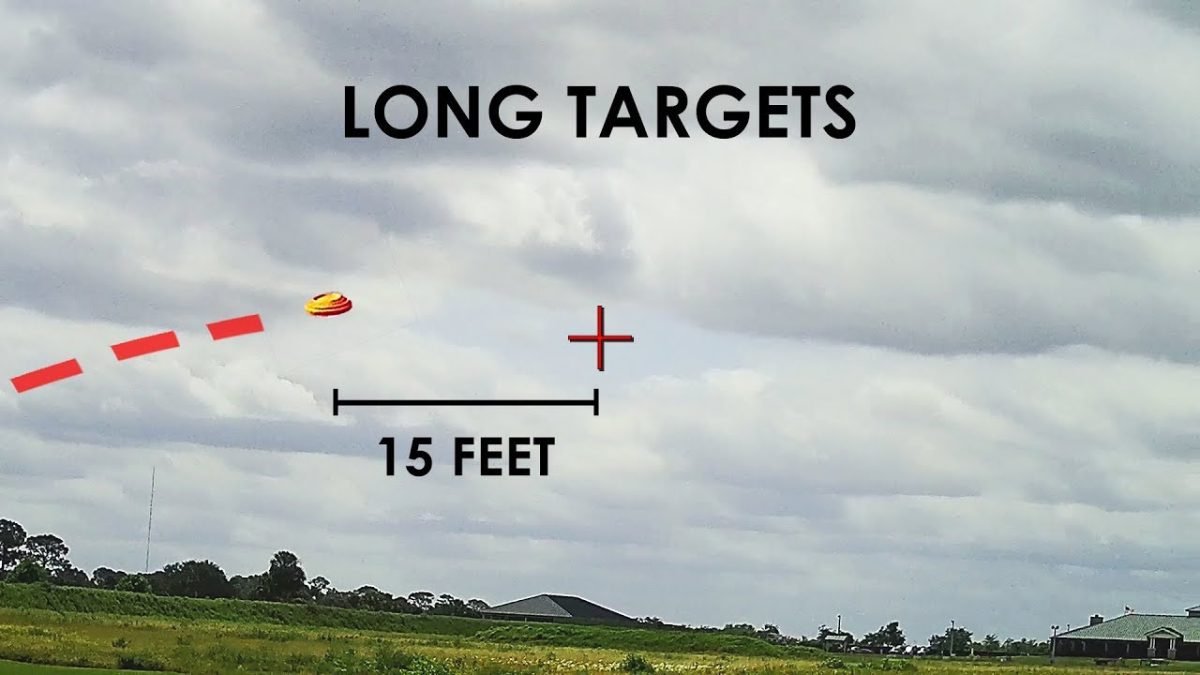
You call for the target, swing, and fire right at the clay. It sails on in one piece while your shot trails behind it. Nearly everyone does this in their first rounds of skeet, and the cause is timing, not poor aim.
By the end you should be able to say why you aim ahead of a clay, choose one of three lead techniques for the target in front of you, and practice in a way that shows whether it is working.
What lead is and why shooting right at the target misses
Skeet sends small clay pigeons across your line of sight at various angles and speeds. A bullseye waits for you, but a clay is moving the whole time your shot is traveling. Lead is the distance you aim ahead of a moving target to account for its speed and the shot's flight time.
Think of throwing a football to a receiver running across the field. You do not throw to where he is, because he will have moved on by the time the ball arrives. You throw to where he will be. Your shot takes a fraction of a second to reach the target, and the clay keeps moving the entire time. Aim at the clay itself, and the pellets arrive at a spot it has already left.
Three things change how much lead you need.
- Distance and speed. A more distant target needs more lead, because the shot takes longer to arrive and the clay travels farther in that time. A closer target needs less. A faster target also covers more ground while your shot is in the air, so it needs more lead than a slower one at the same distance.
- Angle and trajectory. Targets cross your line of sight at different angles, so the lead you need depends on where you stand relative to the target's path. A steep crossing angle may call for a different lead than a shallower one.
- Shot pattern. The spread of your pellets affects how much error you can afford. With a tight pattern, even a small miscalculation in lead can mean a miss. Knowing your shotgun's spread at various distances helps you find the best lead.
Of the three, distance and speed set the baseline, and angle changes it from station to station. Pattern decides how forgiving the shot will be. A choke, the constriction at the muzzle, tightens or opens that pattern, and Demystifying Shotgun Chokes explains how it works.
Key idea: Lead is a matter of time. Whatever the target does, it keeps moving while your shot is in the air, so you place the shot where the clay is going to be.
A reliable method pays off in three ways. Consistent lead helps you hit small, fast-moving targets more often. When you compensate for both target speed and shot flight time, you miss less. Each of those results builds confidence, which counts when the pressure rises in competition.
Three ways to lead: Sustained, swing-through and pull-away
Each technique has its own merits and suits different target speeds and trajectories. The table compares where the barrel starts and when each one works best.
| Technique | Where the barrel starts | What you do | Best for |
|---|---|---|---|
| Sustained lead | Ahead of the target, at a set distance | Hold that gap through the swing, fire, and follow through | Predictable, straight-line paths, and shooters still learning the feel |
| Swing-through lead | Slightly behind the target | Swing forward smoothly and fire as you pass the target at the optimal lead | Faster targets and less predictable angles |
| Pull-away lead | Directly on the target | Pull the barrel forward slightly to build the lead, then fire | Slower or more distant targets |
The techniques differ in what the barrel is doing while the target is in sight. Sustained lead holds one gap, swing-through closes a gap from behind, and pull-away opens a gap from the target. The right choice depends on how predictable the path is and how much time you have.
With sustained lead, you establish the correct lead distance before the shot and keep it through the swing. Align your barrel a set distance ahead of the target, hold that gap as the clay crosses your field of view, pull the trigger while the distance stays constant, and follow through. It works best on predictable, straight-line paths, where the lead stays relatively constant from the moment the target appears until you fire. It also builds muscle memory for a repeatable lead, which makes it a good fit while you are still learning the feel.
Swing-through lead starts with the barrel just behind the target. You swing forward in a smooth, continuous motion until you reach the optimal lead, then pull the trigger as you pass the target and keep swinging to complete the follow-through. Because it adjusts as you move, it is effective against faster targets and less predictable angles. It also leans on your natural swing rhythm.
Pull-away lead starts with your sights directly on the target. As the target approaches, you pull the barrel forward, away from the target, just enough to build the lead, and fire once it is established while keeping the swing controlled. It suits slower or more distant targets, where a precise, controlled adjustment is critical and you have a moment to set the lead. It lets you calibrate the distance carefully. It also reinforces the habit of adjusting your aim to the target's movement.
If the path is steady and you are learning, start with sustained lead. If the target is fast or its angle is hard to predict, try swing-through. If you have a moment to set the lead on a slower or more distant target, pull-away gives you the most control.
Common mistake: Stopping the gun when you pull the trigger. Every technique above ends with a follow-through, so keep the barrel moving after the shot.
Drills that give you feedback
Improving your lead takes time and deliberate practice. Start with one target and one technique, and add difficulty only when the basic skill holds. Wear eye and ear protection (see The Importance of Eye and Ear Protection for why), keep the muzzle pointed in a safe direction, and follow the range rules.
The single-target drill
Start with one clay from one station, so nothing else competes for your attention, and one lead technique. After each shot, decide whether you were ahead of the clay or behind it, and adjust. The drill has done its job when you can break the same target several times in a row with the same technique and explain what you changed after each miss. That builds the feel for one lead distance before you add anything harder.
Once that holds, slow things down with the slow lead drill. Set a clay at a moderate distance and take a deliberate, controlled swing, delaying your trigger press slightly until you have clearly established the proper lead. Then evaluate your shot placement and adjust the timing of your press, repeating until you hit near the center consistently. The drill improves your ability to judge the right moment to fire, which helps when you move to faster targets.
Next, add the multiple-target transition drill to develop rapid target acquisition. Two or three targets at varying distances or angles, engaged in succession, train you to move your sight picture smoothly from one to the next and adjust your lead each time, with a consistent pre-shot routine between targets. Timing the drill simulates competition conditions and teaches you to adapt quickly to different trajectories.
Finally, the timed drill adds pressure. With a timer set for a specific period, such as 30 seconds or one minute, and several targets at varying distances, fire as many accurate shots as you can while keeping your lead and follow-through consistent. Recorded over several sessions, the results show improvement, and the drill helps reduce performance anxiety and keeps you accurate under time pressure. Never trade safe gun handling for speed, and run timed drills only where the range rules allow them.
Dry-fire practice and live fire do different jobs. Indoor dry-fire exercises, done with an unloaded shotgun, no ammunition in the room and the muzzle in a safe direction, solidify fundamentals. Live-fire drills expose you to real-world variables such as wind, lighting and changing target speeds.
Matching your lead technique to the skeet station
A skeet course presents targets with varying trajectories, and each station may call for a different lead strategy. Treat the table as a starting point, then let your own results tell you what works.
| Stations | What the targets do | Technique to try | What to focus on |
|---|---|---|---|
| 1 and 7 (extreme angles) | Targets cross at steep angles, appearing suddenly from the high or low house | Swing-through, which lets you quickly catch the target during its steep crossing | Rapid target acquisition and smooth, decisive trigger pulls |
| 2 and 6 (moderate angles) | Targets cross at a moderate angle on a more predictable path | Sustained or pull-away, because the consistent movement makes the lead easier to set and hold | The same lead distance on every shot, to build consistency |
| 3, 4, and 5 (central crossing) | Targets cross directly in front of you, requiring precise timing | Sustained, with a steady, continuous holdover through the target's arc | A smooth, controlled swing and follow-through so the lead stays consistent |
Find the row that matches how the target behaves, then use the focus column as your practice goal. The pattern is that steeper, suddenly appearing targets reward a quick, flowing swing. Moderate targets reward consistency, and the central crossers reward a steady hold and precise timing. If a station gives you trouble, try another technique from the table and watch whether your results improve.
Habits that build consistent lead
Beyond the drills, a few habits make a significant difference. Before each shot, take a moment to mentally rehearse the lead distance and your trigger pull. Visualization builds confidence and reinforces proper technique. Keep a shooting log or a DOPE (Data on Previous Engagements) card to record your hits and misses, your lead adjustments, and your improvement over time. Seeing progress on paper motivates you to keep refining.
Stay relaxed, too. Deep, controlled breathing before each shot minimizes flinching and helps keep the trigger pull smooth. Our article on the role of mental focus in shooting goes deeper on staying calm under pressure.
Consistency matters more than marathon sessions. Even 15 to 30 minutes of dedicated practice each day can lead to significant improvement over time, and unloaded mounting and swinging at home is one way to fit it in. If possible, work with a coach or an experienced shooter who can give you corrective feedback, because a second pair of eyes often spots what you cannot feel.
Putting it together
Sustained lead, swing-through and pull-away each put the muzzle ahead of the clay at the moment of the shot, and which one works best depends on the station and on you. Pick one method per station, keep the gun moving through the shot, call where you saw the muzzle when you fired, and let broken and missed targets tell you whether to adjust.
Check your understanding
Try answering these before you open the answer. If you can decide what to do and explain why, you have it.
1. You keep missing a crossing clay at station 4 even though your bead is right on it when you fire. What's happening?
The clay keeps moving while your shot is in the air, so the pellets arrive at a spot it has already left. You're behind it. Put the muzzle ahead of the target at the moment of the shot and keep swinging through it.
2. You've been hitting the low-house target at station 3, and now a target crosses noticeably farther out. Do you need more or less lead?
More. The shot takes longer to reach a farther target, so the clay travels farther before the pellets arrive.
3. You are new to skeet and want to learn the feel of correct lead. Which technique fits, and why?
Sustained lead. You set the gap before the shot and hold it, which builds muscle memory for a repeatable lead on predictable paths.
4. Why can a tight shot pattern make small lead errors costly?
A tight pattern covers less space, so even a small miscalculation lets the target slip past the pellets. Knowing your gun's spread helps you judge how much lead error you can afford.
5. You keep missing at Station 4 using swing-through lead. What does the station guide suggest trying, and how will you know it helped?
Try sustained lead, with a steady hold and a smooth swing and follow-through. Then track your hits and misses in a log over several sessions to see whether the results improve.
Where to go next
If you are still deciding between clay games, Trap vs. Skeet explains how the two differ and which to start with. If your shotgun might be the limiting factor, How to Select the Right Shotgun for Trap and Skeet Shooting covers fit and selection for youth and adults. Once your lead is solid, the comparison of Winchester Super Target, Federal Top Gun, and Fiocchi Target ammunition helps you choose shells for more serious competition.
If this article helped you, we invite you to sign up for email notifications of new blog articles.