
Taming Shotgun Recoil: Mount, Load, Gun Weight and Why It Kicks
Joseph McLain Nov 07, 2026
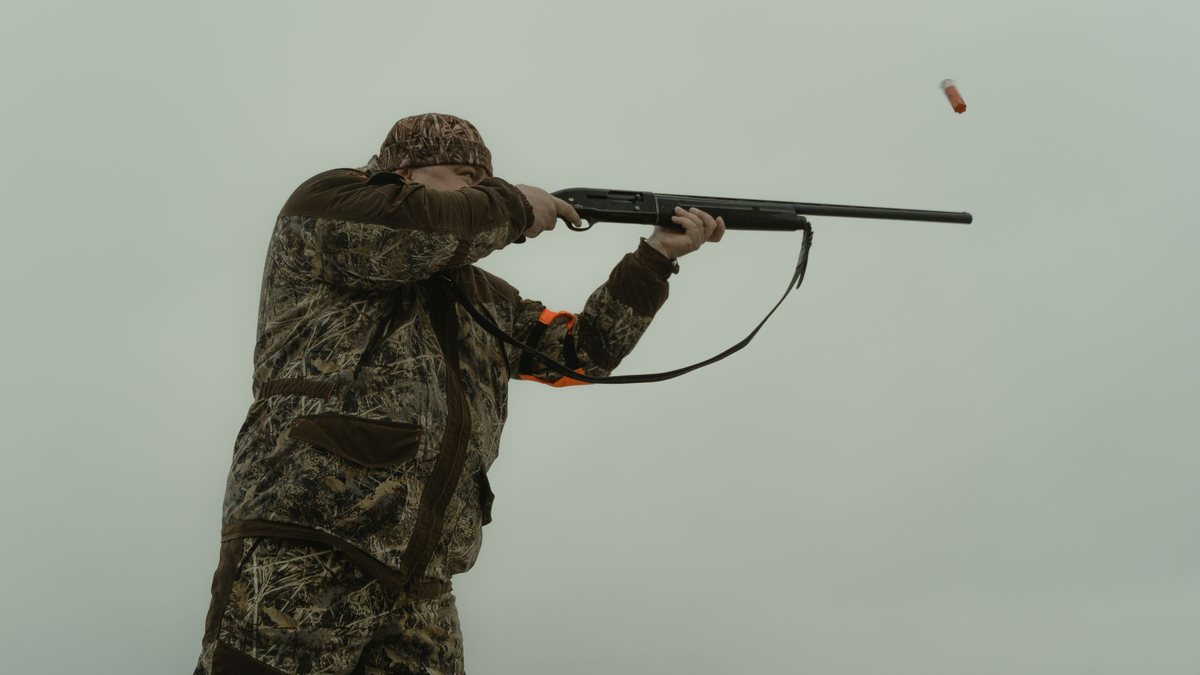
Plenty of people have a shotgun story that goes like this. Someone handed them a 12 gauge at a family gathering, told them to "hold it tight," and they fired one shell that left their shoulder sore for a week. They never picked up a shotgun again, and they still tell people shotguns kick too hard to enjoy.
A semi-auto softens recoil, a 20 gauge kicks less, a good mount spreads the push, and toughing it out helps nobody. Gun type, gauge, shells and technique all change how hard a shotgun hits you, and they work together.
By the end you should understand what recoil is, which factors raise or lower it, how a good mount spreads it out and how gun choice, shells and accessories can make a punishing shotgun pleasant, so you can look at a gun and a box of shells and predict whether the combination will be comfortable, and know what to change if it isn't.
What recoil is: Push and pull you can't avoid
When a shotgun fires, it pushes the shot, wad and burning powder gases forward. The gun gets pushed back with equal force. That's physics, and no gun or gadget makes it go away. What you can change is how much push there is, how fast it arrives and how it's spread across your body.
Shooters talk about two kinds of recoil. Free recoil is the measurable energy the gun carries back toward you, usually given in foot-pounds. Felt recoil is what your body actually experiences, which depends on how fast that energy arrives, how the stock fits and how you're holding the gun. Two guns with the same free recoil can feel very different.
Think of catching a ball. A softball tossed underhand and caught with relaxed arms that give a little feels easy. The same ball caught with stiff arms and a flat palm stings. The ball carried the same energy both times; how you received it changed. Most of what follows is about reducing the energy and receiving the rest well.
Key idea: You can't eliminate recoil, but you can reduce how much there is, slow it down and spread it out. Each of those makes a real difference you can feel.
What makes recoil bigger or smaller
Three things set the amount of free recoil: the weight of what leaves the barrel, how fast it leaves, and how heavy the gun is. A heavier payload or higher speed means more recoil. A heavier gun means less, because the same push moves a heavier gun more slowly.
| Gun and load | Approximate free recoil |
|---|---|
| 8-lb 12 gauge, 7/8 oz at 1,200 fps (light target) | About 13 ft-lb |
| 8-lb 12 gauge, 1 oz at 1,145 fps (light target) | About 15 ft-lb |
| 8-lb 12 gauge, 1 1/8 oz at 1,200 fps (standard target) | About 20 ft-lb |
| 7-lb 12 gauge, 1 1/8 oz at 1,200 fps | About 23 ft-lb |
| 7 1/2-lb 12 gauge, 1 1/4 oz at 1,330 fps (heavy pheasant) | About 34 ft-lb |
| 8-lb 12 gauge, 3-inch 1 3/4 oz turkey load | About 48 ft-lb |
| 6 1/2-lb 20 gauge, 7/8 oz at 1,200 fps | About 16 ft-lb |
Notice the pattern in the table. Load choice matters more than almost anything else. The same 8-pound 12 gauge goes from about 13 to about 48 foot-pounds just by changing shells, nearly four times the recoil. A lighter gun with the same load always kicks harder. And a light 20 gauge with a standard load isn't automatically gentler than a heavier 12 with a light load. These figures are approximate, but the relationships hold.
If a shotgun hurts, look at the shell first, the gun weight second and the gauge third.
Your mount: Where the stock meets you
A good mount spreads recoil across the meaty pocket of your shoulder and lets your body move with the gun. A poor mount concentrates it on a small, bony area or lets the gun get a running start before it hits you.
Put the butt in the pocket
The butt belongs in the soft pocket between your collarbone and the shoulder joint, firmly in contact, not resting out on your arm or on your collarbone. If you can feel bone under the pad, it's in the wrong place. With the gun unloaded, mount it a few times in a mirror and feel where it lands.
Lean into it
Stand with your weight slightly forward, front knee a little bent, shoulders ahead of your hips. If you lean back, the gun pushes your upper body back and your shoulder takes all the force. Leaning forward lets your whole body absorb the push, a bit like bracing against a strong wind.
Keep the cheek down and snug
Your cheek should rest firmly on the comb. If it hovers just above, the stock can rise into your face on recoil and sting. A stock that doesn't fit you can cause that no matter how carefully you mount, which is why shotgun fit and recoil go hand in hand.
Common mistake: Holding the gun away from your shoulder, then pulling it in at the last second. Any gap between pad and shoulder lets the gun build speed before it hits you. Mount firmly so the gun and your body move together.
Action type and gun design
The action changes how recoil arrives. A gas-operated semi-auto uses some of the powder gas to cycle the action, which spreads the recoil impulse over a longer time. It doesn't reduce the total much, but stretching it out makes it feel noticeably softer. That's why gas guns are so popular with new shooters and high-volume clay shooters.
Inertia-driven semi-autos are often lighter and simpler, which hunters like for carrying, but they generally don't soften recoil the way gas guns do. Pumps and break-actions like over-unders transfer recoil directly. A heavy over-under can still be comfortable because of its weight, which is why many target guns are deliberately heavy.
Stock design matters too. A wide, well-shaped butt pad spreads force over more area. A comb shaped to your face keeps the stock from hitting your cheek. Some stocks include built-in recoil-reducing systems. Barrel porting and extended forcing cones can change muzzle rise and recoil feel a little, though their effect on overall recoil is modest compared with load and weight.
For the softest shooting, a gas semi-auto with a good pad and a stock that fits is hard to beat. If you prefer another action, make up for it with gun weight and lighter loads.
Pads, weight and other add-ons
A quality recoil pad is one of the best upgrades for a hard-kicking gun. Modern pads compress and spread force more effectively than old hard rubber pads. Changing a pad also changes length of pull, so keep fit in mind.
Adding weight in the stock or magazine area lowers recoil because the gun moves more slowly. Some shooters add a few ounces to a light gun used for clays. The cost is that a heavier gun is harder to carry in the field.
Strap-on shoulder pads and recoil-reducing shooting vests can help on a high-volume day, especially for shooters still building technique. They're tools, not fixes. If a gun and load are fundamentally too much for you, a pad alone won't make them enjoyable.
Choosing loads you can enjoy
The easiest way to tame recoil is to stop shooting more shell than you need. Many shooters practice with heavy hunting loads because that's what they had in the closet. For clays and practice, light target loads of 7/8 or 1 ounce at moderate speeds break targets well and are much easier on your shoulder. Our article on target ammunition for trap and skeet compares common choices.
Save the heavy loads for the hunting situations that need them, like late-season pheasants at longer ranges, waterfowl and turkeys. Even then, you'll fire only a few rounds in a day. Pattern those heavy shells a handful of times, then do your volume practice with light loads.
For new or recoil-sensitive shooters, reduced-recoil and low-recoil loads offer a big step down. In a 20 gauge or a gas 12 gauge, a light load can make shooting almost relaxed, which lets a beginner focus on learning to swing and follow through. Our article on choosing a shotgun gauge explains why a heavier 12 with light loads can be gentler than a lightweight smaller gauge.
Flinching: When recoil gets into your head
Recoil isn't only physical. After enough hard hits, your body starts to brace for the shot. You might close your eyes, lift your head, push your shoulder forward or jerk the trigger. That's a flinch, and it causes misses long after the shoulder has healed.
The fix is to lower recoil enough that your body stops expecting pain, then rebuild good habits. Switch to light loads and practice your mount at home with an unloaded gun. On the range, have a friend occasionally load your gun or leave it empty without telling you; if the gun dips or you blink when nothing fires, you've found your flinch. Shorter sessions with fewer, gentler shots will retrain it faster than long sessions with heavy loads.
Building a gentle practice setup
A softer practice setup starts with the shells. The payload and velocity on the boxes you've been shooting, compared with the table above, often explain the bruises, and a box of light 7/8- or 1-ounce target loads for your gauge is the first fix. At home, with the gun unloaded, the action open and ammunition in another room, ten mounts in a mirror confirm the butt lands in the shoulder pocket with your cheek down. At the range, with eye and ear protection, ten light loads from a forward-leaning stance, followed by two of your old shells for comparison, show the difference. When you can shoot a full round of clays with light loads and finish without bracing or soreness, you've rebuilt shooting as something you enjoy.
Putting it together
Recoil comes from the weight and speed of what leaves the barrel and the weight of the gun. Load choice has the biggest effect, so practice with light loads and save heavy shells for when you need them. Mount the gun firmly in the pocket of your shoulder, lean forward and keep your cheek down. Choose a gun with enough weight for the shooting you do; a gas semi-auto with a good pad is the gentlest common option. Make sure the stock fits. And if you've started flinching, lower the recoil before you try to fix the habit.
Check your understanding
Try answering these before you open the answer. If you can decide what to do and explain why, you have it.
1. You want less recoil but can't afford a new gun. Which change usually has the biggest effect: gauge, gun weight or load?
Load. The same gun can produce several times as much recoil with a heavy load as with a light one, so lighter shells are the first and cheapest fix.
2. A gas semi-auto and a pump of the same weight fire the same shell. Why does the gas gun feel softer?
The gas system spreads the recoil impulse over a longer time, so the push arrives more gently even though the total energy is similar.
3. Your shoulder is bruised on the bony area near your collarbone. What's likely wrong?
The butt is landing in the wrong place. It belongs in the soft pocket between the collarbone and shoulder joint, firmly in contact.
4. You leaned back while shooting and your shoulder hurt more. Why?
Leaning back lets the gun push your upper body back so your shoulder absorbs the force alone. Leaning forward lets your whole body absorb it.
5. A friend blinks and dips the muzzle when the gun doesn't fire. What's happening, and what should they do?
They've developed a flinch. They should switch to lighter loads, shorten sessions and practice mounting with an unloaded gun to rebuild good habits.
Where to go next
Recoil and fit are closely connected, so read shotgun fit next if your cheek takes a beating. If you're choosing a gun, choosing a shotgun gauge explains how gauge and weight affect comfort. For clay loads that are easy on your shoulder, see target ammunition for trap and skeet. And if you're shooting with a young or small-framed shooter, 20-gauge shotguns for youth trap and skeet covers gun choice for them.
If this article helped you, we invite you to sign up for email notifications of new blog articles.