
Out-of-the-Box Shotgun Quality: What to Expect at $500, $1000, $1500, and $2000 Price Points
Joseph McLain Nov 07, 2026
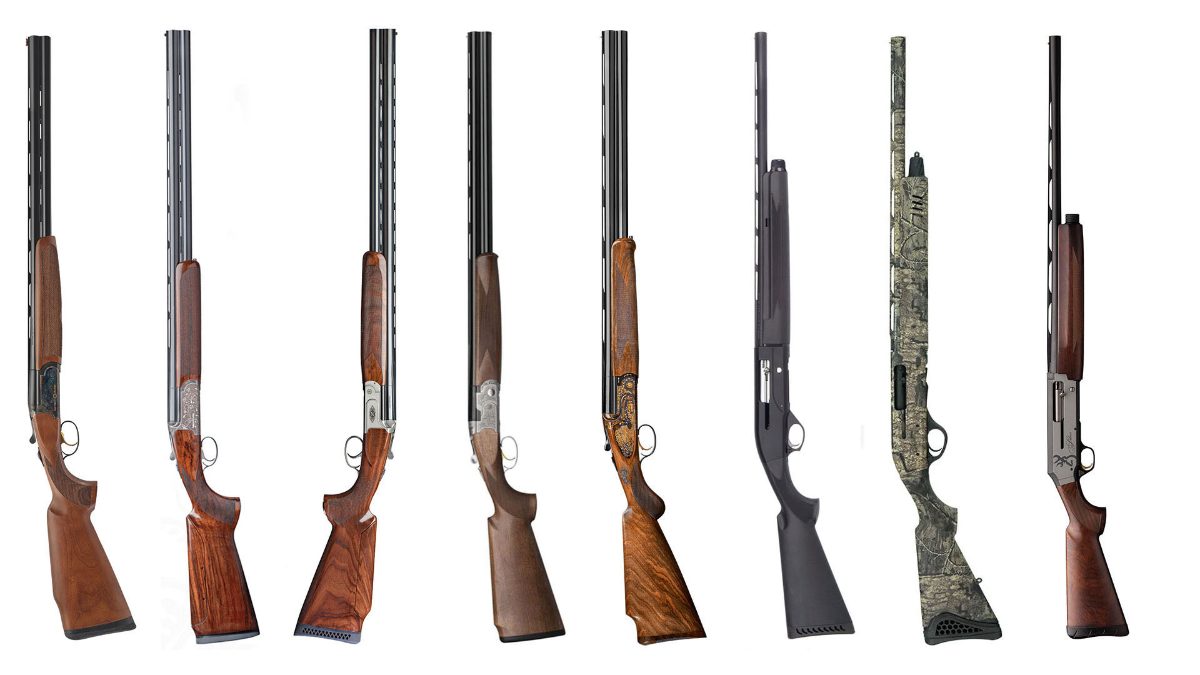
A basic pump shotgun and an over/under with a walnut stock can differ in price by four times. Both fire the same shells, and both can break a clay or drop a pheasant. So what does the extra money buy, and would you notice it?
The answer depends on how much you shoot and what you shoot. By the end you should be able to say what each step up in price actually buys, decide which of those things you'd notice given how much you shoot, and check whether a shotgun fits you, which matters more than any of them.
What the extra money buys
Price buys three things, in roughly this order: less felt recoil, better fit and balance, and finish. None of them breaks a target for you, but the first two decide how well you shoot after the first hour, and whether you enjoy it enough to keep going.
Recoil. A pump shotgun puts the whole shove of each shot into your shoulder at once. A gas-operated semi-automatic uses some of the shot's energy to cycle itself, which spreads the push over a little more time, so it feels noticeably softer. That matters because a shooter who's tired of being pushed starts bracing for each shot, and that flinch sends shots off target.
Fit and balance. A shotgun is pointed, not aimed like a rifle: you look at the moving target and swing the gun with your body. When the stock fits, your eye lands on the rib (the raised strip along the barrel) without moving your head, so the gun shoots where you look. Better guns offer stocks you can adjust for height and length, and over/unders carry their weight between your hands, which makes them swing smoothly and predictably.
Finish. Higher grades add walnut, engraving and hand fitting. These are worth paying for if you love them, but they don't change where the shot goes.
Key idea: The first step up in price buys comfort you'll feel every time you shoot. The steps after that buy smaller gains you'll feel only if you shoot a lot. A gun that fits matters more than any of it.
The price ladder, and who belongs on each rung
About $500: the pump. A pump such as the Mossberg 500 or Remington 870 is simple, rugged and nearly unbreakable, because your own hand cycles it. It's the right gun for a new hunter, a farm family that wants one shotgun for pheasants, a little trap and the house, and anyone who shoots a few boxes a year. Its cost is recoil: a long day of clays with a pump wears on you. Our articles on the Remington 870 and Mossberg 500 help you choose between the two.
About $1,000: the entry semi-automatic. Guns such as the Beretta A300 Outlander and Winchester SX4 bring softer recoil and a faster second shot. The A300 also has a stock you can adjust. This is the rung where the difference from a pump is easiest to feel, and the right one for anyone who shoots regular trap or skeet, hunts waterfowl, or is recoil-sensitive.
About $1,500 to $2,000: premium semi-autos and entry over/unders. Guns such as the Beretta A400 Xplor and Browning's Citori line add better balance, more refined actions, more adjustable fit and better barrels. Over/unders also give you two chokes for two different shots and nothing to cycle, which is why so many clay shooters choose them. This rung makes sense once you shoot often enough to feel those refinements, typically weekly clays or a lot of days in the field.
$2,000 and well above: competition guns and specialists. Guns such as the Beretta DT11 are built for serious trap, skeet and sporting clays shooters, and some, such as the Browning A5 Wicked Wing, are built for one punishing job like waterfowl in rain and mud. Each extra dollar here buys a smaller gain than it did lower down, so this rung is for people who'll use what they pay for.
- If you'll shoot a few boxes a year for birds and maybe home defense, buy a pump.
- If you'll shoot clays regularly or hunt waterfowl, or recoil bothers you, buy an entry semi-auto such as the A300 Outlander, because softer recoil keeps you shooting well longer.
- If you shoot clays every week and want to get better, look at a premium semi or an over/under such as a Citori, after you've confirmed it fits.
If you're not sure, buy the least expensive gun that fits you and suits your main use, and spend the difference on shells and practice. Our comparison of over/under vs. semi-auto for clays goes deeper on that choice.
Common mistake: Assuming a more expensive gun will shoot better for you. A beautiful over/under that doesn't fit will shoot worse for you than a plain pump that does.
How to check fit before you buy
Ask to handle the shotgun with the action open, look into the chamber yourself to confirm it's empty, and keep your finger outside the trigger guard and the muzzle in a safe direction. Pick a spot on the far wall, close your eyes, and mount the gun the way you would to shoot: butt in your shoulder, cheek on the stock. Open your eyes. If you're looking straight down the rib with the front bead near the spot, without moving your head, the gun fits you well. If you see a lot of rib, the comb (the top of the stock) is too high for you; if you see the back of the receiver, it's too low. Try a second gun the same way and compare. A gun that fits can often be fine-tuned with an adjustable stock or shims; one that's far off is the wrong gun for you, whatever it costs.
Check your understanding
Try answering these before you open the answer. If you can decide what to do and explain why, you have it.
1. You hunt pheasants three or four days a year and want one shotgun for that and the house. Which rung?
The pump. At a few days a year you won't feel the refinements of a pricier gun, and a pump is rugged and suits both jobs. Spend the savings on shells and practice.
2. Your teenager is starting trap league and finds your pump kicks hard. What do you buy?
An entry semi-automatic such as the A300 Outlander. A gas gun's softer recoil keeps a young shooter from flinching through a round, and its adjustable stock can be set to fit as they grow.
3. Trying guns before you buy, you mount a $2,000 over/under and see a lot of rib, then mount a $1,000 semi-auto and look straight down the rib. Which shoots better for you?
The semi-auto, because it fits. Seeing a lot of rib means the over/under's stock is too high for you, so it will shoot high where you look. Fit beats price.
4. A friend is choosing between a Browning A5 Wicked Wing and a less expensive semi-auto for upland hunting in dry weather. What do you tell him?
The Wicked Wing's extra cost goes largely to features for wet, punishing waterfowl hunts. For dry upland hunting he'd be paying for toughness he won't use; a lighter, less expensive semi-auto that fits him is the better buy.
5. You're shopping for a 20-gauge for a smaller adult. Does the same reasoning apply?
Yes. Decide by how much they'll shoot and how much recoil bothers them, then check fit, which matters even more for a smaller shooter because standard stocks are often too long. A 20-gauge gas semi-auto with an adjustable stock is often the best start.
Where to go next
You can find shotguns on our website, including Browning Citori over/unders, and anything listed there can be ordered if it isn't in stock.
To decide between the two main clay guns, read over/under vs. semi-auto for clays. For gas guns in more depth, see semi-automatic shotguns. And whatever you buy, patterning your shotgun shows you where it really puts its shot.
If this article helped you, we invite you to sign up for email notifications of new blog articles.