
Shotgun Fit: Length of Pull, Comb Height and Why You Keep Missing
Joseph McLain Nov 07, 2026
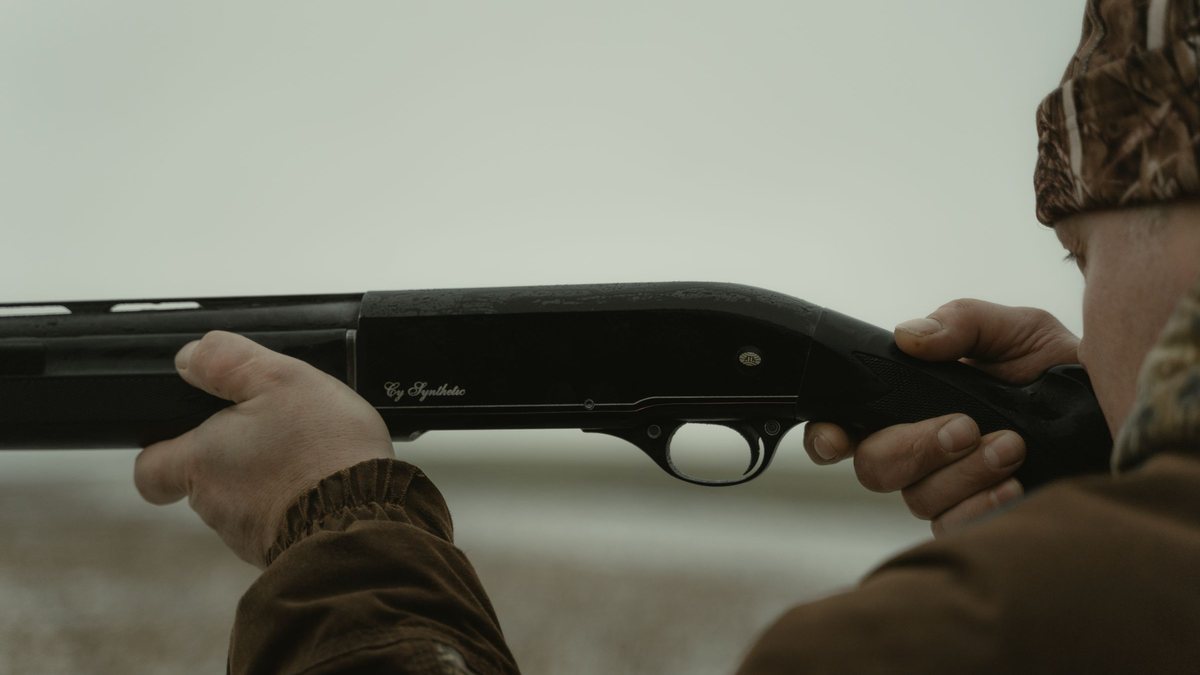
Picture two hunters walking the same pheasant field with the same model of shotgun. One drops birds cleanly and walks back to the truck with a sore shoulder only after a long day. The other misses rooster after rooster, all a little low, and wakes up the next morning with a bruised cheek. Same gun, same shells, same birds. The difference may not be skill at all. It may be fit.
Do you need a custom stock, or just more practice? If the gun felt fine in your hands, does that mean it fits? Fit matters a great deal, practice matters too, and a gun can feel fine standing still while still sending your shots somewhere other than where you look.
By the end you should understand why fit matters more with a shotgun than with a rifle, what the main measurements mean, how to check fit at home and on paper, and what you can change without buying a new gun, so you can tell whether a shotgun fits and which simple change to try first if it doesn't.
Why fit matters more with a shotgun
A rifle has sights or a scope. You line them up deliberately, and the stock just has to hold your head steady enough to see through them. A shotgun used on moving targets is different. You look at the bird, not the barrel, and bring the gun up so it points where your eyes are focused. In that moment, your eye acts as the rear sight.
That means the stock decides where your eye sits relative to the rib. If the stock holds your eye too low, you see too much of the receiver and the gun shoots low. Too high and you see too much rib, and the gun shoots high. Off to one side, and the shot goes to that side. You aren't doing anything wrong in the moment; the gun is pointing where it was built to point, which isn't where you're looking.
Think of it like a pair of glasses that sits crooked on your nose. You can still see, and with effort you can adjust your head to make it work. But each time you move quickly, you're fighting the frames. A shotgun that doesn't fit makes you fight it on every quick shot, which is exactly the kind of shot birds and clays give you.
Key idea: On a moving target, your eye is the rear sight. Fit is how the stock puts your eye in the same place every time you mount the gun.
The measurements that matter
Gun fitters use several terms. You don't need to measure them all to the sixteenth of an inch, but knowing what each does helps you understand what you're feeling.
- Length of pull. The distance from the middle of the trigger to the middle of the butt pad, which on most factory guns runs around 14 to 14 1/2 inches.
- Drop at comb. How far the top of the stock where your cheek rests sits below the line of the rib, which mainly sets how high your eye rides.
- Drop at heel. How far the top of the butt sits below the rib, which affects where the gun sits on your shoulder.
- Cast. A slight sideways bend in the stock that moves your eye toward the center of the rib, common on fitted guns and some imports.
- Pitch. The angle of the butt pad, which controls whether the pad sits flat against your shoulder or digs in at the toe.
Of these, length of pull and drop at comb do the most work for most shooters, because they control how the gun comes to your shoulder and where your eye lands. Cast and pitch matter more once you're fine-tuning, or if you're a shooter with a broader chest or face whose eye ends up off to one side.
Length of pull: Too long, too short and just right
A stock that's too long catches on your clothes or armpit as you mount it, especially in a heavy coat, and pushes your head back so your cheek lands farther back on the comb. Many shooters respond by leaning back, which makes recoil worse and slows follow-up shots.
A stock that's too short brings your thumb or knuckle close to your nose and face. It can also let the gun recoil more into your cheek. You may feel cramped and jab the gun up rather than mounting it smoothly.
A quick check gives you a rough idea. With the gun unloaded and the action open, hold it with your trigger finger along the frame outside the guard and the butt in the crook of your bent arm. If your finger reaches the trigger comfortably with the butt in your elbow, the length is in the ballpark. That rough test isn't precise, and the real test is how the gun mounts. When you bring it up with your eyes on a spot on the wall, it should come to your shoulder without snagging, and your cheek should land on the comb without moving your head.
Remember that clothing changes fit. A stock that fits perfectly in a T-shirt for summer clays may feel long in a heavy jacket during late-season pheasants. Many hunters choose a stock a little shorter than ideal for the jacket they'll actually wear. Choose a length of pull that mounts cleanly in the clothing you'll actually shoot in.
Comb height: Where your eye rides
Comb height decides how much rib you see. Mount the gun with your eyes closed, cheek firmly on the comb, then open your eyes and look down the barrel. What you see tells you a lot.
If you see the back of the receiver and can't see the rib, the comb is too low for you and the gun will tend to shoot low. If you see the rib running flat toward the bead with the bead sitting right on top, many hunting guns are set up for that, and they'll shoot close to where you look. If you see a long stretch of rib and the bead floats above it, the comb is high and the gun will shoot high, which some trap shooters prefer because trap targets are rising.
Shotguns with a middle bead give you a handy check. When your eye is in the right spot, the middle bead and the front bead stack into a figure eight, or sit with the front bead just above the middle one for a gun set up to shoot a little high. If the beads are spread far apart, your eye isn't where the maker expected.
Common mistake: Lifting your head off the stock to see the bird better. It feels natural, but it moves your eye and the shot goes high. If you keep lifting your head, the comb may be too low for you, which is a fit problem, not just a habit.
Checking fit on paper
The mirror and the beads help, but the paper tells the truth. Hang a large pattern sheet with a small aiming mark at about 16 yards, a distance where the pattern is still small enough to show its center clearly. Wear eye and ear protection.
Start with the gun in a low ready position, your eyes on the mark. Mount the gun and shoot as soon as the butt reaches your shoulder and your cheek reaches the comb, the way you'd shoot a bird. Don't aim deliberately like a rifle. Shoot several sheets, one shot each. Then look at where the center of each pattern landed.
If the patterns consistently center a few inches high, that's normal for many field guns and fine for rising birds. If they center low, the comb is probably too low for you. If they land consistently to one side, the stock may need cast or your head is landing off to that side. Our article on patterning your shotgun explains how to find a pattern's center and count it properly.
Be honest about consistency. If the patterns jump all over the place, the problem is likely the mount rather than the stock. Practice mounting at home with an unloaded gun until it lands the same way every time, then test again. Fit problems show up as a consistent miss in one direction; mount problems show up as scattered misses.
Fixing fit without buying a new gun
Many fit problems can be corrected cheaply. Here are the common fixes, starting with the simplest.
- Stock spacers. Many modern shotguns come with spacers or interchangeable pads that change length of pull in small steps.
- Shim kits. Many semi-autos and some pumps include shims that change drop and cast at the joint between stock and receiver.
- Comb raisers. Lace-on, stick-on or adjustable comb pieces raise your eye if the comb is too low.
- Recoil pads. A new pad can lengthen the stock and change pitch while softening recoil.
- Adjustable stocks. Some target guns have adjustable combs and butt plates for precise fitting.
Start with whatever came with your gun. A surprising number of owners never open the shim kit in the box. If you need more, a comb raiser or a slightly longer pad is inexpensive and reversible. Cutting a stock shorter is not reversible, so make that change only after you're sure. For a significant change, a qualified gunsmith or gun fitter can measure you and make the work permanent. Try the reversible fixes first, and cut wood last.
Fit for youth, women and growing shooters
Standard factory stocks are built around an average adult man. Smaller adults and young shooters often get a gun that's too long, which makes it hard to mount, front-heavy to hold and more painful to shoot. That's one of the most common reasons new shooters decide they don't like shotguns.
Many makers offer compact, youth or women's models with shorter length of pull and combs shaped for a different face and build. Some youth guns come with a spacer system so the stock can be lengthened as the shooter grows. If you're buying for a young shooter, a gun that fits now and can grow is often better than a full-size gun they'll grow into someday. Our article on 20-gauge shotguns for youth trap and skeet discusses gun choice for younger shooters, and taming shotgun recoil covers how fit and recoil work together.
The closed-eye mount check
Ten mounts at home show what your eye sees on a natural mount. With the shotgun unloaded, the action open and all ammunition in another room, face a small mark on a wall in a safe direction with the gun at low ready, close your eyes and mount it as you would for a bird, cheek firmly on the comb, then open your eyes without moving your head. Seeing the back of the receiver means the comb is too low; seeing a long stretch of rib means it's too high; a flat rib with the bead sitting just right means the height is about right. Repeating it ten times shows whether the picture is consistent, which is the first sign of a gun that fits.
Putting it together
A shotgun that fits puts your eye in the same place behind the rib every time you mount it, so the gun shoots where you look. Length of pull governs how cleanly the gun comes up; comb height governs where your eye rides. Check the mount with your eyes closed, look at the beads, then confirm on paper at 16 yards. Consistent misses in one direction point to fit; scattered misses point to your mount. Use spacers, shims and comb raisers before you consider cutting the stock, and get help from a qualified fitter for major changes.
Check your understanding
Try answering these before you open the answer. If you can decide what to do and explain why, you have it.
1. You shoot a scoped deer rifle well but keep missing doves with your shotgun. Why does fit matter more on the shotgun?
On a moving target your eye acts as the shotgun's rear sight, and the stock decides where your eye sits. A scope gives you a deliberate aiming point regardless of small differences in head position.
2. You mount the gun with your eyes closed, open them and see the back of the receiver. What does that suggest?
The comb is too low for you, so your eye sits below the rib and the gun will tend to shoot low.
3. Your patterns at 16 yards are scattered high, low, left and right. Is it a fit problem?
Probably not mainly. Scattered results point to an inconsistent mount. Practice mounting until it's consistent, then test fit again.
4. A stock fits perfectly in summer but catches on your coat in November. What would you try?
A slightly shorter length of pull, such as removing a spacer or using a thinner pad, so it mounts cleanly in heavier clothing.
5. Your eye rides low on the comb, and a friend offers to cut and raise the stock. Why try a comb raiser first?
A comb raiser is cheap and reversible. Cutting or reshaping wood is permanent, so make that change only after you know exactly what you need.
Where to go next
Once the stock fits, patterning your shotgun shows how to confirm where the gun shoots. Fit and recoil go hand in hand, so taming shotgun recoil is a good next read. If you're still deciding on a gun, choosing a shotgun gauge covers how gauge and gun weight affect what you'll be comfortable shooting. And for target-specific setups, see selecting a shotgun for trap and skeet.
If this article helped you, we invite you to sign up for email notifications of new blog articles.