
20-Gauge Shotguns for Youth Trap and Skeet Shooters: Balancing Size, Recoil, and Performance
Joseph McLain Nov 07, 2026
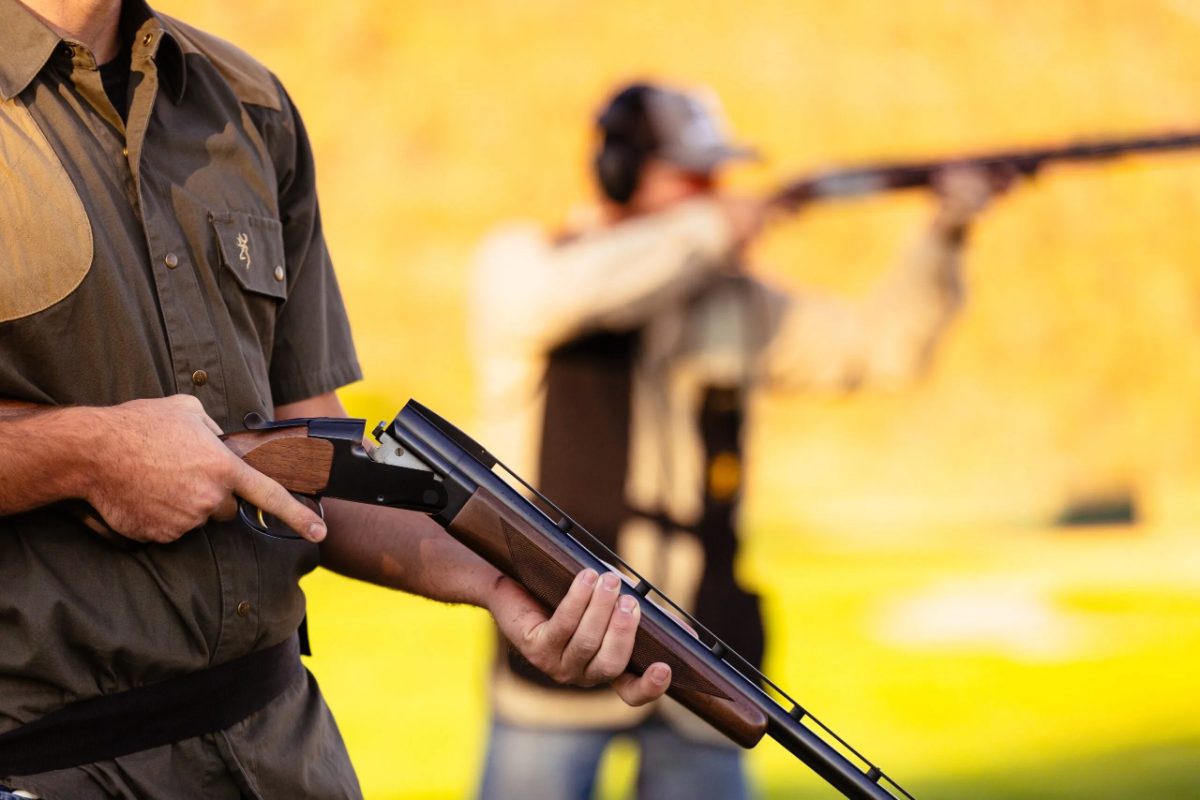
Your young shooter has watched clay targets break and wants a turn. Now you need a shotgun, and the questions pile up: what size, how much kick is too much, and will the gun still fit next year? A light .410 sounds gentle, but a heavier 20-gauge with light target loads often kicks less, and that surprise is the key to choosing well.
The choice works best in order: the shooter's age and size first, then weight and recoil, then stock fit, and finally the barrel and choke that suit each game.
Why the 20-gauge is a good starting point
Gauge is a measure of bore size, and a 20-gauge is smaller than a 12-gauge. It has less recoil than a 12-gauge and still enough power for competitive shooting, which gives young shooters a good balance. Recoil is the push a gun delivers to the shoulder when it fires. Too much of it teaches a young shooter to flinch, bracing for the kick before it arrives, and a flinch undermines the fundamentals they are trying to learn. Reduced recoil lets them focus on those fundamentals without being intimidated by the gun's kick.
Key idea: A smaller gauge is only the first step. Weight, action type, stock fit and technique all change how a shot feels, so the best youth shotgun fits the shooter, manages recoil and can adjust as they grow.
Start with the shooter: Two age groups, two kinds of fit
A shooter's size, strength and experience should drive the choice, and age is a handy way to group them. Younger and older youth shooters need different features for fit, handling and training.
| Age group | Typical barrel length | Stock | Recommended model |
|---|---|---|---|
| Ages 10-13 (younger youth) | 24-26 inches | Adjustable or youth-sized | Mossberg 500 Youth Super Bantam |
| Ages 14-17 (older youth) | 26-28 inches | Adjustable or two-stock | Benelli Montefeltro Youth Combo |
Younger shooters do best with compact, lightweight guns. A shorter barrel keeps the weight down and improves maneuverability, and a youth-sized or adjustable stock allows proper alignment and control with smaller hands and shorter arms. Think of a child swinging an adult-size baseball bat. The equipment, not the effort, is what gets in the way. The Mossberg 500 Youth Super Bantam is a common starter shotgun with a short barrel, an adjustable stock and a lightweight design. Its adjustability and forgiving size makes a good platform for building foundational skills.
Older youth shooters generally develop the strength and technique to handle a slightly heavier, more robust shotgun, and they often want one that looks more like an adult model. A 26-28 inch barrel gives improved accuracy for trap and skeet without adding excessive weight. A full-size or adjustable stock accommodates growth as the shooter moves toward adult-sized models. The Benelli Montefeltro Youth Combo is a 20-gauge semi-automatic with a 26-inch barrel that comes with both a short youth stock and a full-length stock, so the gun moves with the shooter from teen to adult size. Its inertia-driven action cycles reliably with clean, simple parts, though it softens recoil less than a gas-operated gun does.
If the shooter struggles to hold the gun steady, look at a lighter or more compact model. If it feels like a toy, it may be time for the next size up.
Weight and recoil: Two problems solved together
A lightweight shotgun reduces fatigue during long sessions and improves control. Shotguns between 5.5 and 6.5 pounds are generally ideal, because they give stability without undue fatigue. There is a catch. The same push moves a light gun faster than a heavy one, so lighter shotguns can transmit a sharper recoil impulse. That is why a lightweight model needs good recoil-management features. The Weatherby SA-08 Youth weighs around 6 pounds, and this semi-automatic is designed for easy handling and reduced recoil.
Three things help most with recoil, and they work best in combination.
- Recoil pad. A well-padded stock with a built-in recoil pad can significantly decrease felt recoil.
- Gas-operated semi-automatic action. A gas semi-auto uses some of the shot's energy to cycle and spreads the push over a longer moment, so it feels softer than a pump of the same weight. That is especially helpful for young or inexperienced shooters.
- Technique. Proper stance and follow-through, meaning you stay mounted and keep moving after the shot, reduce the impact of recoil over time.
The TriStar Viper G2 Youth shows the gas-gun advantage. Its gas-operated action and adjustable stock suit young shooters who are sensitive to kick. If a shooter flinches, start by looking at a gas semi-automatic with a good recoil pad.
Common mistake: Assuming a 20-gauge removes the need for good technique. Even with reduced recoil, a solid stance and follow-through still matter.
Fit: Why an adjustable stock earns its keep
As young shooters grow, an adjustable stock lets the gun be customized for a proper fit. That keeps accuracy and comfort consistent. Fit matters more on a shotgun than many people expect, since the gun tends to shoot where the shooter's eye is looking. When the stock is the wrong size, the shooter strains to reach the trigger or lifts their head off the stock, and both habits cost targets.
- Adjustable length of pull. This lets the shooter fine-tune the distance from the trigger to the end of the stock.
- Adjustable comb height and cast. The comb is the top of the stock where the cheek rests, and cast is its slight sideways offset. Adjusting both keeps the cheek weld, the steady contact between cheek and stock, and the overall fit consistent as the shooter grows.
If a stock does not offer enough customization, consider aftermarket adjustments and accessories, because proper fit is paramount for both safety and performance. The TriStar Viper G2 Youth is a good example. This semi-automatic has an adjustable stock and a gas-operated action that reduces recoil, so it suits young shooters who have room to grow.
Checking fit before you buy
Fit shows up in a minute of handling. With an adult confirming the shotgun is unloaded and the action open, have the shooter stand naturally and bring the gun to the shoulder. They should reach the trigger without stretching or hunching, and the cheek should rest on the stock with the head upright and the eye looking along the rib. Have them close their eyes, mount the gun, then open them: if the barrel points where they are looking, three times in a row, the stock fits. If the gun dips, wobbles or forces a stretch, try a lighter or more adjustable model.
Trap versus skeet: Matching barrel and choke to the target
Trap and skeet make different demands. In trap the targets fly away from the shooter, and in skeet they cross in front of the shooter. Our article on trap versus skeet explains the games in more depth. Here is how each one shapes the gun.
Start with barrel length. Longer barrels, typically 26-28 inches, offer better balance and smoother tracking of targets moving away, so they suit trap. Shorter barrels, around 24-26 inches, speed up target acquisition and make crossing targets easier to follow, so they suit skeet. A shooter who plays both may benefit from an intermediate length. Consider the shooter's style and where they shoot. The Browning Silver Field Micro Midas fits that need. It has a 26-inch barrel and a compact, youth-friendly design, and this semi-automatic strikes a balance between control and performance for both trap and skeet.
Chokes matter just as much. A choke is a constriction at the muzzle that controls how quickly the shot spreads, and the spread of pellets on a target is called the pattern. Think of the nozzle on a garden hose. A tight setting makes a narrow stream that reaches far, and a wide setting spreads the water out close in. Interchangeable choke tubes let a shooter adjust the pattern to suit different target distances and disciplines.
- Trap. Use modified or full chokes for a tighter pattern on longer-range targets.
- Skeet. Choose improved cylinder or skeet chokes for a wider pattern on close, crossing targets.
The Benelli Montefeltro Youth Combo's 26-inch barrel and interchangeable chokes give it the versatility for both games. If your young shooter will do both, a 26-inch barrel with interchangeable chokes is a sensible starting point. Then swap the tube for the game. Our guide to shotgun chokes goes further.
Comparing the top recommendations side by side
These three models are recommended for youth trap and skeet based on overall performance, popularity and suitability for different age groups.
| Model | Best use | Standout features |
|---|---|---|
| Mossberg 500 Youth Super Bantam | Younger youth shooters (ages 10-13) | Short barrel, adjustable stock, lightweight design |
| Benelli Montefeltro Youth Combo | Older youth shooters (ages 14-17) | 26-inch barrel, short and full-length stocks, interchangeable chokes |
| TriStar Viper G2 Youth | Trap and skeet for older youth shooters | Adjustable stock, semi-automatic action, lightweight design |
The Super Bantam is an easy-to-handle starter that builds a strong foundation. The Montefeltro Youth Combo grows with a teen because it comes with two stocks. The TriStar pairs a soft-shooting gas action with an adjustable stock, which suits a shooter who is sensitive to recoil.
Refining the setup: Testing, drills and preparation
Once a young shooter has the basics, small improvements come from testing. Periodically test the shotgun at the range to see how different choke settings and barrel lengths affect the shot pattern, and keep a log of the results so you can spot trends.
Patterning the chokes
A pattern sheet shows what a choke really does in your gun. With eye and ear protection on, pin a large sheet of paper to a safe backstop at a measured distance, fire one shell at its center, and label the sheet with the choke and distance. Repeat with each choke on a fresh sheet, using the same distance and shells. The choke that spreads pellets most evenly, without big gaps, at the distance your targets break is the one to use for that game.
Fit can be refined, too. Small changes in length of pull or comb height can have a significant impact on accuracy, so make incremental adjustments and note what each one does. If the stock offers too little adjustment, aftermarket options such as recoil pads, adjustable buttplates or custom stocks can help.
Drills build the skill that equipment cannot. Dry-fire drills let the shooter practice grip, stance and trigger control without live ammunition to build muscle memory and refine technique. Make sure the shotgun is unloaded and no ammunition is nearby before any dry-fire practice. Then combine those drills with live-fire practice to confirm the improvements hold up under actual recoil.
Preparation also matters off the line. A strong core and good upper-body strength help manage recoil and improve stability, so encourage good physical conditioning. A calm, focused mindset is just as important. Controlled breathing and visualization help shooters stay steady and confident during competition or long practice sessions, and our article on the role of mental focus in shooting shows how to build those habits.
Putting it together
A heavier gun with light target loads usually feels softer than a very light gun, and a 20-gauge is the common starting point for youth trap and skeet. What matters most is fit. Choose a gun the shooter can hold and mount comfortably, adjust or shorten the stock so it fits now, use light target loads, keep early sessions short, and refit as the shooter grows.
Check your understanding
Try answering these before you open the answer. If you can decide what to do and explain why, you have it.
1. Why can a lightweight shotgun sometimes kick harder, and how do you offset it?
The same push moves a light gun faster than a heavy one, so it can transmit a sharper recoil impulse. Pair it with recoil-management features such as a recoil pad or a semi-automatic action.
2. Your teen shoots trap on Tuesday nights and skeet on weekends with one 20-gauge. What barrel setup handles both?
A 26-inch barrel with interchangeable chokes. It is long enough to swing smoothly on trap's going-away targets and short enough to move quickly on skeet's crossers. Use modified or full for trap and improved cylinder or skeet for skeet.
3. Your shooter will play both trap and skeet. What barrel and choke setup would you start with?
An intermediate barrel length such as 26 inches with interchangeable chokes. Use modified or full for trap and improved cylinder or skeet for skeet.
4. Your 12-year-old fits a youth stock today but will grow several inches by high school. What should you look for so the gun keeps fitting?
Adjustable length of pull, plus adjustable comb height and cast, or a gun that comes with both a youth and a full-length stock. Those let you keep the reach, cheek weld and overall fit right as the shooter grows instead of buying a new gun.
5. How would you decide which choke patterns best from your shotgun?
Test each choke at the same distance with the same ammunition, compare the patterns, and log the results. Choose the tightest, most consistent pattern.
Where to go next
You can find 20-gauge youth shotguns on our website, including the GForce Arms GF5 Youth over/under and the Henry single-shot youth 20-gauge, and anything listed there can be ordered if it isn't in stock.
For a wider view of choosing a gun for both youth and adult shooters, read how to select the right shotgun for trap and skeet. If your shooter is ready to learn hitting targets, skeet shooting tips on leading the target turns fit into results. And when a growing shooter is ready for an adult-sized gun, 12-gauge shotguns for trap and skeet is the natural next step. Along the way, the right 20-gauge is the one that feels comfortable, performs consistently and grows with the shooter.
If this article helped you, we invite you to sign up for email notifications of new blog articles.