
Buying a Used Rifle: What to Check Before You Pay
Joseph McLain Nov 06, 2026
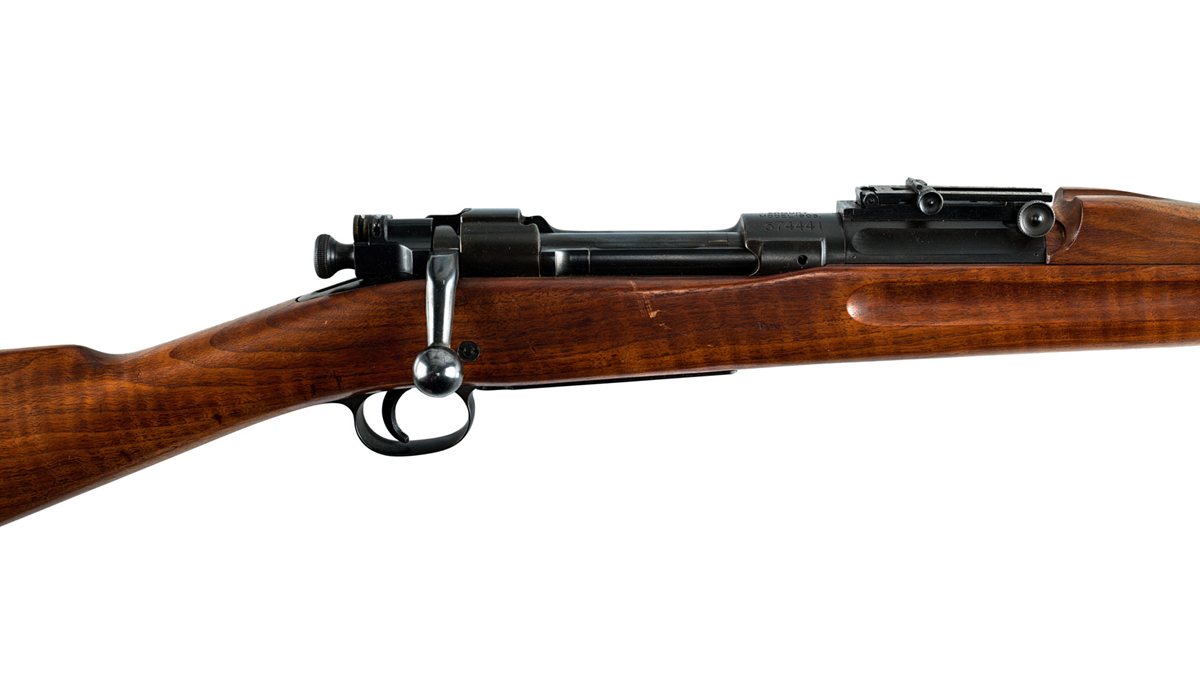
You found a used deer rifle for a good price. The seller says it was his dad's and was only shot a few boxes a year. A well-kept used rifle can be one of the best values in the gun world, because a good one lasts generations. A neglected one can be an expensive lesson. The difference is usually visible if you know where to look.
Most problems in a used rifle fall into a few categories: The bore and crown, the action, the stock and its bedding, the optic and mounts, and the paperwork. None of them requires special training to check at a basic level. A flashlight, a few minutes and a clear process will catch most of the issues that matter, and they will tell you when a rifle needs a closer look from a gunsmith before you commit.
By the end you should be able to examine a used rifle methodically, separate cosmetic wear from real problems and decide whether it is worth the asking price.
First: Handle it safely and confirm it is unloaded
Any rifle you have not personally unloaded should be treated as loaded. Before you look at anything else, point it in a safe direction, keep your finger off the trigger, open the action and look and feel in the chamber and magazine. On a tube-fed lever gun, work the action several times and check the tube. On a semi-auto, remove the magazine first, then lock the action open.
Ask the seller before you work the action or dry-fire the rifle. Many centerfire rifles tolerate a few dry fires, but some owners prefer you not do it, and rimfires can be damaged by dry firing. Our article on dry firing explains why. A seller who is comfortable with you checking the rifle carefully is a good sign. One who rushes you or will not let you open the action is a reason to walk away.
Unload and verify before anything else, and ask before dry firing. A rifle you cannot inspect is a rifle you should not buy.
The bore and crown: Where accuracy lives
The inside of the barrel decides how well the rifle can shoot, and it is the part least likely to be fixable cheaply. With the bolt out if possible, shine a light into the chamber end or bounce light off a white card held at the breech, and look through the bore from the muzzle. A clean bore shows bright, sharp rifling lands and grooves all the way through.
Look for three things. Rust and pitting appear as dark, rough patches or frosted areas, and deep pitting can hurt accuracy and keep collecting fouling. Dark, uneven streaks may just be fouling that cleans out, so ask whether it has been cleaned recently. Bulges or rings, visible as a shadow or ripple in the reflection, are serious and usually mean the barrel was damaged by an obstruction.
Then look at the crown, the very end of the barrel where the bullet exits. It should be smooth and even all the way around, with no nicks, dents or burrs. A damaged crown lets gas escape unevenly behind the bullet, which hurts accuracy. A gunsmith can often re-crown a barrel at modest cost, but it is something to account for in the price.
The throat, where the rifling begins just ahead of the chamber, wears with use, especially on high-velocity cartridges. Heavy wear there is hard to judge by eye. A gunsmith with a borescope or gauge can measure it if you are paying serious money for a precision rifle.
Key idea: Cosmetic wear on the outside of a rifle is cheap. Damage inside the bore is not. Judge the price by the bore, not the bluing.
A bright bore with sharp rifling and a clean crown is the best sign you can find. Pitting, a bulge or a damaged crown either lowers the price or ends the deal.
The action: Does it work the way it should?
With the rifle confirmed empty, work the action several times. It should open, close and lock smoothly, without grinding, catching or excessive play. Look at the bolt face for pitting or erosion around the firing pin hole. Check that the extractor, the small claw that pulls the case from the chamber, is not chipped and has spring tension. Look at the locking lugs for uneven wear, cracks or galling.
Test the safety. With the rifle empty, the safety on and the muzzle in a safe direction, press the trigger firmly. Nothing should happen. Then move the safety off and, if the seller agrees, press the trigger. The firing pin should fall. Repeat this a few times. A safety that does not block the trigger or a rifle that fires when the safety is moved off is a serious problem that needs a gunsmith before the rifle is ever loaded.
Feel the trigger. A trigger that is extremely light, creepy or inconsistent may have been adjusted by a previous owner, sometimes below a safe weight. That is not always a reason to pass, but it is a reason to have it checked. Also look up the model on the manufacturer's website for any safety recalls, since a few popular rifles have had trigger recalls over the years.
Headspace, the distance between the bolt face and the point where the cartridge stops in the chamber, affects safety. It cannot be judged by feel. A gunsmith checks it with gauges, and it is worth doing on a rifle with a history of heavy use, an unknown history or signs of a replaced barrel or bolt.
Common mistake: Assuming a rifle is fine because it looks clean. A freshly cleaned and oiled rifle can still have a worn extractor, a light trigger or a safety that does not work. Check how it functions, not just how it looks.
The action should cycle smoothly, the safety must block the trigger, and the trigger should feel consistent and not dangerously light. When in doubt, ask a gunsmith before you buy.
The stock: Cracks, bedding and fit
Wooden stocks tend to crack in predictable places: At the wrist behind the action, around the tang and near the recoil lug where the stock absorbs the force of each shot. Look closely at those areas in good light and flex the stock gently. A small crack can grow under recoil, and a cracked stock can affect accuracy as well as safety. Synthetic stocks rarely crack, but look for damage around the action screws and the sling studs.
Check the action screws. They should be snug and the screw heads undamaged. Stripped or chewed-up screw heads suggest the rifle has been taken apart often or by someone without the right tools. Look at whether the barrel is free-floated or touches the stock, and whether a wooden stock appears warped. Our article on choosing a rifle stock explains the trade-offs between wood and synthetic, and our article on rifle barrel design explains bedding.
Finally, shoulder the rifle. A rifle can be in perfect condition and still not fit you. If the length of pull is too long or too short, our article on fitting a rifle to a smaller shooter explains what can be adjusted.
Look for cracks at the wrist and recoil areas, check that the screws are in good shape and make sure the rifle fits you. A replacement stock is possible but adds cost.
Scopes and mounts: Included, but not always a bonus
Many used rifles come with a scope already mounted. That can add value, but only if the scope and mounts are good. Look through the scope at a distant object: The image should be clear, the reticle sharp and level, and there should be no fog or debris inside. Turn the adjustment turrets and feel for clean, consistent clicks. Check that the rings and bases are tight and the screws are not stripped.
A budget scope that came bundled with the rifle years ago may add little to the price. A quality scope in good condition can be worth a meaningful share of what you are paying. Either way, plan to confirm the scope is mounted correctly and re-zero the rifle yourself. Our guides to mounting a rifle scope and understanding rifle scopes will help you judge what you are looking at.
Value the rifle and scope separately, and expect to remount or re-zero whatever you buy.
Checks by action type
Each action has a few places worth an extra look.
- Bolt actions. Look for smooth bolt travel, even lug contact and a firm, consistent trigger, and confirm the bolt matches the rifle if it has a serial number.
- Lever actions. Check for wobble in the lever, a dented or bent magazine tube and a hammer that holds firmly at half-cock or safety position.
- Semi-autos and AR-15s. Inspect the bolt for cracked lugs, confirm the gas key screws are staked in place on an AR, and look for excessive carbon or worn springs that suggest heavy use.
- Single-shots and break actions. Close the action and check for any wiggle where the barrel meets the frame, which indicates wear in the hinge.
- Rimfires. Look at the edge of the chamber for a dent from dry firing, which can cause extraction or ignition problems.
Of these, looseness in a lever or break action and cracked lugs on a semi-auto bolt are the most serious, because they can affect safety and are not simple adjustments. The rest are signs of use that may or may not matter depending on price. Our article on rifle action types explains how each design works if you are unsure what you are looking at.
Learn the one or two weak points of the action you are buying and check them carefully.
Price, history and paperwork
A fair price for a used rifle starts with what the same model costs new and adjusts for condition, included accessories and rarity. A common model in average condition often sells for a good deal less than new. A discontinued or collectible model may sell for more. If a rifle needs a re-crown, a new stock or a trigger adjustment, subtract that cost from what you are willing to pay.
Ask about history. How much has it been shot? How was it stored? Has it been worked on, and by whom? A seller who knows the answers and has receipts is giving you real value. Also look at the serial number. It must be present and legible. Under federal law, it is a crime to possess or receive a firearm with an altered or removed serial number, so a rifle with a ground-off or scratched serial is never a bargain.
How you buy also matters. Buying from a licensed dealer means a background check and a record of the transfer, and often a chance to ask questions about the rifle's condition. In Iowa, private sales of rifles between Iowa residents do not require a permit or a dealer, but federal law forbids selling to anyone you know or have reason to believe is prohibited from owning firearms, and a private sale to a resident of another state must go through a licensed dealer. Laws change, so check current Iowa and federal rules if you are unsure. Consignment rifles sold through a dealer go through the same background check as new rifles. This is education, not legal advice.
Good practice: Ask whether you can test-fire the rifle before you buy, or whether the seller will accept it back if it has a serious problem. A seller who is confident in the rifle is usually willing to talk about it.
Pay for condition and value, not nostalgia. Walk away from a missing serial number, and buy in a way that keeps the transfer legal.
Practicing on a rifle you already own
The inspection goes faster and more confidently at a seller's table if you have already done it at home. Here is how to rehearse it on a rifle you know.
- Put all ammunition in another room, then open the action and look and feel to confirm the chamber and magazine are empty, keeping the muzzle in a safe direction.
- With a flashlight or a white card at the breech, look through the bore and describe what you see: Bright rifling, fouling, dark spots or roughness.
- Examine the crown, bolt face, extractor and locking lugs, and check the safety by pressing the trigger with the safety on.
- Inspect the stock at the wrist and around the action, and check the action and scope screws for damage.
- Write a short condition report as if you were the buyer, listing anything that would change what you would pay.
With a little practice, you can examine an unfamiliar rifle in about ten minutes, in the same order, and say with confidence whether it needs a gunsmith's opinion before you buy it.
Putting it together
A used rifle can be the best value you will find, as long as you check it in order. Unload and verify first. Look through the bore for bright, sharp rifling and inspect the crown. Work the action, test the safety and feel the trigger. Look for cracks in the stock and check the screws. Judge any scope on its own merits. Check the weak points of that particular action. Then set a price based on what the rifle will cost you to make right, and buy it legally.
Check your understanding
Try answering these before you open the answer. If you can decide what to do and explain why, you have it.
1. A used rifle has worn bluing and scratched wood, but a bright bore and a clean crown. Another looks new outside but has a pitted bore. Which is the better buy?
Usually the first. Cosmetic wear is cheap and does not affect shooting, while a pitted bore can hurt accuracy and may mean replacing the barrel. Judge the inside before the outside.
2. With the rifle empty and the safety on, you press the trigger and hear a click. What should you do?
Do not buy the rifle as it is, and do not load it. A safety that does not block the trigger is a serious defect. It needs a qualified gunsmith's inspection and repair before anyone shoots it.
3. A seller offers a great price on a rifle with a scratched-out serial number. Why should you walk away?
Federal law makes it a crime to possess or receive a firearm with an altered or removed serial number. No price makes that worthwhile.
4. You live in Iowa and want to buy a rifle from a seller who lives in Nebraska. Can you just meet him at the state line?
No. Federal law requires a private sale between residents of different states to go through a licensed dealer, typically one in the buyer's state. Arrange the transfer through a dealer instead.
5. Your lever-action purchase has a lever that wobbles noticeably when closed. Why does that matter?
Play in the lever can indicate wear in the linkage or locking surfaces, which can affect how securely the action locks. Have a gunsmith check it, and factor any repair into the price or pass on the rifle.
Where to go next
If you are unsure which type of action you are looking at, read rifle action types first. To judge any scope that comes with the rifle, see understanding rifle scopes. Once you buy, our guide to cleaning a rifle shows how to bring the bore back to good condition.
If this article helped you, we invite you to sign up for email notifications of new blog articles.