
Cold Shot Accuracy: Preparing for Winter Deer Hunting in the Midwest
Joseph McLain Oct 26, 2026
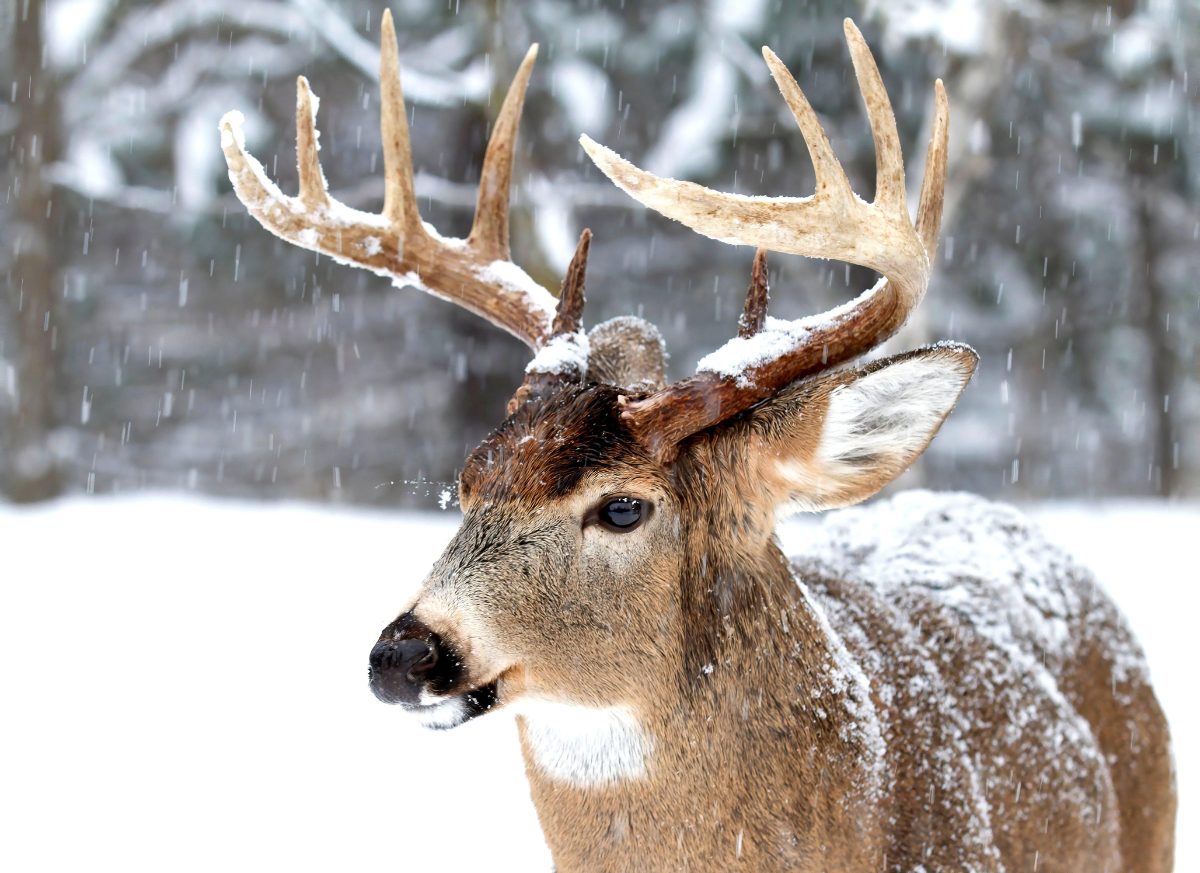
It is the late deer season, the thermometer is well below freezing, and you have been in the stand since before first light. A buck steps into the clearing, and you realize something. The rifle has not been fired since you sighted it in on a warm September afternoon, and the barrel, the ammunition and your own hands are all as cold as the air. One hunter says cold does not change anything; another says nothing shoots right below freezing. Whether that first shot lands where you expect was decided weeks ago by how you prepared. This guide explains what cold does to a rifle, its ammunition and the shooter, how to learn what your own rifle does on its first cold shot, and what to change so that shot is ready for winter deer hunting in the Midwest.
What a cold shot is, and why winter makes it matter more
A cold shot, often called a cold bore shot, is the first round fired from a barrel that has been at rest and has settled to the temperature around it. In September that might be comfortably warm. In an Iowa winter the barrel could be at or below freezing. Even in mild weather the first shot can land differently from the ones that follow, because of microscopic imperfections in the barrel and any residual fouling in the bore. In extreme cold the barrel, the ammunition and the lubricants are all affected, and each can shift your point of impact and the consistency of your shots.
This matters more to a hunter than to someone shooting paper targets. A target shooter fires many rounds and can correct after the first. A hunter who has waited hours in the stand often gets one chance, so the first shot is the one that counts, and it is the shot we practice least. A cold barrel can change where the bullet lands in three ways. Small changes in muzzle velocity alter the bullet's trajectory. Barrel harmonics, meaning the way the barrel vibrates when it fires, may differ, which can affect the consistency of your groups. And internal ballistics, the powder burn and pressure inside the rifle, can change at lower temperatures, causing slight increases in bullet drop.
Key idea: On a hunt the first shot from a cold rifle is the one that matters most, and it is the one you almost never rehearse. Preparing for winter means finding out where that first shot goes.
| Where cold gets into your shot | What happens | What to do about it |
|---|---|---|
| Ammunition | Powder can burn more slowly, lowering velocity and increasing bullet drop | Zero and test with your hunting load in cold weather |
| Barrel and stock | Metal contracts slightly and the first shot may behave differently | Learn your rifle's first-shot pattern; consider a free-floated barrel |
| Lubricants | Standard lubricants thicken and add friction to the bolt and trigger | Use a lubricant formulated for low temperatures |
| Optics and moisture | Lenses fog and condensation forms when you move between warm and cold | Use anti-fog products, wipe lenses, keep the rifle dry |
| Wind and light | Winter wind is unpredictable and low light is common | Choose higher-BC bullets and optics with good low-light performance |
Here is how to read the table. Read across each row from cause to effect to action. Most hunters get the biggest payoff from the first row, because ammunition and a verified zero decide where the bullet lands. The other rows keep the rifle working and keep you able to see your target. The sections below take them in turn.
Ammunition in the cold: Slower powder, lower velocity, more drop
Powder is designed to burn at a certain pace, and cold slows that pace. A slower burn generally means the bullet leaves the muzzle at a slightly lower velocity, which affects its energy and its trajectory. Think of throwing a ball with a stiff, cold arm. The same effort sends it out a little slower, so it falls a little sooner and lands lower than you expected. That is why a rifle zeroed in warm weather can print low on a freezing morning, and why you may need to adjust your zero or aim slightly higher. To see how velocity, pressure and bullet flight connect, read how ammunition affects your accuracy.
Some manufacturers offer powders formulated to burn more consistently in low temperatures, and these help maintain proper pressure and velocity. Look for rounds that are tested to hold steady performance in the cold. One hunter tried loads with slower-burning powders and found his velocity more consistent in extreme cold. That kept his trajectory flatter and made his drop predictable, which is what gives you confidence in the field.
Consistency matters just as much. Ammunition with a uniform powder charge and bullet weight is critical, because variability in a load can be more pronounced in the cold. High-quality, match-grade ammunition can reduce those discrepancies. Bullets with a higher ballistic coefficient (BC), a measure of how well a bullet slips through the air, are less affected by wind drift, which helps when winter wind is unpredictable. For safe storage habits at home, see our guide to storing ammunition.
Common mistake: Trusting a warm-weather zero. A zero made in September with warm ammunition may not hold in January. Check it with the load you will actually hunt with, in conditions that resemble the hunt.
Barrel material, profile and the first shot
Cold makes metal contract slightly. In a rifle barrel that can alter the bore's internal dimensions and the friction between bullet and rifling, which may nudge velocity and bullet stability. Traditional carbon steel is often said to be more susceptible to this than stainless steel, and many hunters who shoot in winter regularly choose stainless for its more stable thermal properties. Keep this in proportion, though. These effects are likely small compared with what ammunition and a verified cold zero will do for your first shot. Do not buy a rifle for this reason alone. Learn the one you own.
Barrel profile and design come into play in a few ways.
- Heavy bull barrels. They have more thermal mass, so they change temperature more slowly and may moderate rapid swings, but the extra weight is a cost when you are walking to a stand.
- Free-floating barrels. The barrel touches the stock nowhere along its length, which reduces the influence of a stock that expands or contracts. That helps in warm and cold conditions alike.
- Fluted barrels. Flutes add surface area so the barrel sheds heat more efficiently, which is most useful after a string of shots at the range.
If you were choosing a rifle for winter use, a free-floated barrel is the most broadly useful of the three, and the other features are trade-offs rather than cures. What matters more is knowing how your rifle behaves. Suppose a hunter finds that his bolt-action rifle shoots a little low in sub-freezing conditions. After testing, he re-zeroes in similar conditions with minor elevation adjustments, and his groups tighten again. The lesson is not a particular number. It is that he measured his rifle in the cold and corrected his zero.
Lubricants, moisture and optics: Keeping the rifle working and your view clear
Standard lubricants can thicken in the cold, which adds friction to moving parts such as the bolt or trigger mechanism and can even cause a slight delay in the cycling of semi-automatic rifles. A semi-automatic shooter noticed his rifle cycling sluggishly on winter hunts. Switching to a lubricant formulated for low temperatures, which stays fluid in the cold, made a significant difference, and his follow-up shots were quicker. Use lubricants made for cold conditions, and keep up with regular maintenance. Proper lubrication and consistent cleaning help your rifle stay as accurate in winter as it is in warm weather.
Moisture is the other winter enemy. Snow and ice change the temperature of your rifle and ammunition, and accidental moisture can lead to condensation, which can cause problems with both the barrel and the optics. Condensation forms when cold metal or glass meets warmer, moist air, which is why a cold rifle sweats when you carry it into a warm vehicle or house. Winter air can be extremely dry or damp from snowmelt, and both extremes can affect a rifle that is not protected. Use a rifle cover or insulated case to protect the firearm from snow, moisture and the chill. Keeping it dry and warm until you are ready to shoot helps prevent rust and condensation. Consider storing the rifle with desiccants, which absorb moisture, especially in humid or snowy conditions. After each hunting session, clean and dry the rifle thoroughly, because even small amounts of moisture can lead to corrosion over time.
Your optics need the same attention. Moving from a warm indoor space to the cold outdoors can fog a scope, so use anti-fog coatings, lens wipes or anti-fog sprays and wipe the lenses before you head into the field. Winter also brings low light, so consider optics with excellent low-light performance and adjustable brightness to keep your view clear in snowy or overcast conditions. Our guide to understanding rifle scopes explains the numbers that help you compare them.
Practice that matches the hunt
If you can, practice in cold conditions before the season starts. Visit the range on cold days in late fall or winter to learn how your rifle behaves in low temperatures. Pre-cool a few boxes of your hunting ammunition by storing them in the vehicle overnight, so that your practice matches field conditions, and test several loads in cold-weather sessions to see which performs best. Allow several minutes between shots so the barrel does not heat up, which re-creates the first-shot conditions you will face in the field. Keep track of group sizes and point-of-impact changes, because patterns such as a tendency to shoot high or low tell you how to correct your zero.
When you zero, do it on a cold day if you can. If your current zero was made in warm weather, expect a slight change in bullet drop from the lower velocity, and use ballistic charts or digital calculators to work out the adjustment. Our guide to sighting in rifles at different distances walks through the process.
Try this: Build a cold-bore log
- Choose a cold day that is as close to your hunting conditions as you can get. Let the cased rifle and the ammunition you will hunt with sit for several hours in a cold, secure place, such as an unheated, locked garage.
- At the range, wearing eye and ear protection and shooting from a steady rest, fire one shot at a small aiming point at a distance you might really shoot. Mark it "1."
- Wait several minutes between each following shot, and fire two more. Mark them "2" and "3."
- Write down the temperature, the load, and where each shot landed compared with your aiming point (high, low, left or right).
- Repeat on a second cold day, and with a second load if you have one.
- If your first shots land consistently away from the others, correct your zero or learn the offset, following your scope's instructions.
You will know it worked when you can say where your first cold shot lands compared with the follow-up shots, and whether that pattern repeats from one cold day to the next.
Technique and stand setup: Steady, warm and safe
Cold affects you as much as the rifle. A steady position is the foundation of the shot, so use a shooting rest or bipod whenever possible, especially if you wait long stretches between shots. Our guide to firearms accessories covers bipods and other supports. Cold air can make breathing harder, so practice controlled breathing to keep your sight picture steady. In extreme cold your muscles may feel stiffer, so take your time, make sure you are comfortable and do not rush the shot. When you step out of a warm vehicle into the cold, give the rifle a few minutes to adjust to the outdoor temperature before you take the first shot, which helps prevent condensation and abrupt temperature problems.
Warm hands and warm muscles are part of accuracy. Gloves designed for shooting and hand warmers help you keep a steady grip and avoid slippage, and extra layers or a seat cushion keep your muscles steady and reduce the chance of flinching. Keep movement to a minimum while you wait, because sudden movements can disturb your aim and your warmth. Use the downtime to review your technique and stay relaxed but attentive.
Winter adds a few safety points. Make sure your gloves still allow you to keep your finger outside the trigger guard until you are ready to fire, and that nothing snags the trigger. Unload the rifle before climbing into or out of a stand. With snow on the ground, watch for ice patches that can cause slipping or ruin your stance, and always be sure of your target and what is beyond it. Make sure your stand offers a clear, unobstructed view.
Before a critical hunt, test your rifle's cold shot pattern in conditions similar to the field. Once you know it, you can make small adjustments to your aiming point or your zero. Some hunters find they need to aim slightly higher or to the side to compensate for a cold barrel, and your cold-bore log is where that information comes from.
Your winter checklist: What matters most
- Cold zero with your hunting load
- First-shot log from a cold barrel
- Consistent, cold-tolerant ammunition
- Cold-weather lubricant
- Clear, dry optics
- Rifle covered, dry and acclimated
- Steady rest and warm hands
Not every item carries equal weight. The first three decide where the bullet goes, so put your effort there first. The lubricant and dry optics keep the rifle working and let you see, and they are quick and inexpensive to fix. Position and warmth make the shot repeatable. If you do only two things before the season, zero in the cold with the load you will hunt and keep a log of your first shots.
Putting it together
The truth sits between the two hunters. Many rifles shift little in the cold, and some shift enough to matter, and you cannot know which yours is without testing. Fire a cold-bore shot on a cold day, compare it with your warm zero, adjust if you need to, keep ammunition and the rifle at outdoor temperature, dress so your hands still work, and keep shots within the distance you have confirmed in winter.
Check your understanding
Try answering these before you open the answer. If you can explain it in your own words, you understand it.
1. Why does the first shot matter more to a hunter than to a range shooter?
A hunter who has waited hours in a stand often gets only one chance, so the first shot is the one that counts. It is also the shot that is hardest to practice, since later shots come from a barrel that is no longer cold.
2. You zeroed your rifle in September and it is now January. What should you do, and why?
Check your zero in cold conditions with the ammunition you will hunt with. Cold can slow powder burn and lower muzzle velocity, so the bullet drops more than it did in warm weather.
3. How might a heavy bull barrel help in winter, and what does it cost you?
It has more thermal mass, so its temperature changes more slowly, which can moderate rapid swings. The cost is extra weight, which matters when you are walking to and from a stand.
4. Your semi-automatic rifle cycles sluggishly on cold mornings. What is a likely cause, and what can you try?
Standard lubricants thicken in the cold, adding friction. Switch to a lubricant formulated for low temperatures and keep up with regular cleaning and maintenance.
5. You climb out of a warm truck and your scope fogs. What should you do before taking a shot?
Give the rifle a few minutes to adjust to the outdoor temperature and wipe the lenses clear, using anti-fog products if you have them. Taking the shot before the optics and rifle have adjusted risks fogging and condensation problems.
Where to go next
If you want to be sure the first shot is also a clean one, read hunting ethics and how to ensure a clean and humane kill. Long hours in a stand test your focus as much as your gear, so the role of mental focus in shooting is a useful companion. And to measure the groups in your cold-bore log, understanding MOA explains how to describe and compare them at different distances.
If you found this informative, we invite you to sign up for email notifications of new blog articles.