
Varmint Control for Rural Areas: A Guide to Managing Pests on Acreages
Joseph McLain Nov 07, 2026
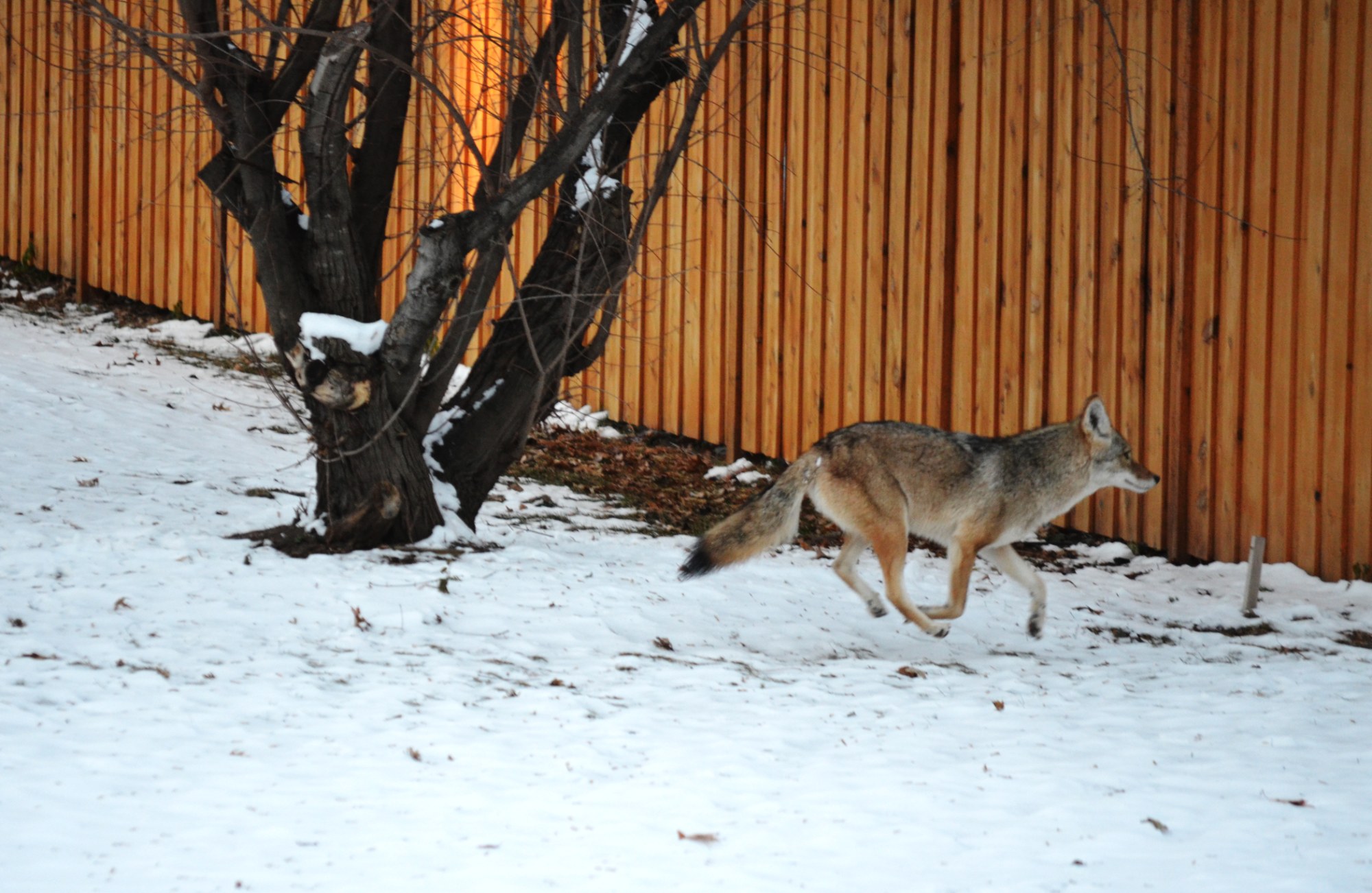
You walk out at first light and find the sweet corn torn down, or feathers scattered around the chicken coop. Is a live trap the answer, a good .223 and patience, or a better fence so you aren't doing this every week?
By the end you should be able to identify the animal causing the problem, explain why prevention and trapping often come before shooting, know what Iowa law says about shooting near buildings and handling nuisance animals, match a cartridge and firearm to each animal and distance, and build a varmint plan for your property that is effective, legal and humane.
Start by identifying the animal and the damage
The right response depends on what is actually causing the damage. Raccoons pull down sweet corn and raid poultry houses at night. Rabbits clip garden plants cleanly at ground level. Coyotes and foxes take poultry and occasionally young livestock, usually leaving tracks and scattered feathers. Groundhogs dig burrows that can injure livestock and damage equipment. Tracks, droppings, the time of day damage occurs and the way plants or birds were taken all point to the culprit, and a trail camera can settle the question quickly.
Identifying the animal first keeps you from using the wrong tool. A fence that stops rabbits will not stop a raccoon, and a cartridge suited to a raccoon at 30 yards is wrong for a coyote at 200. Know what you are dealing with before you decide how to deal with it.
Prevention: The step that keeps the problem from returning
Removing one animal does not remove the reason it came. A coop with gaps in the wire, open feed, pet food left outside or a garden with no fence will attract the next animal soon after the first is gone. Secure poultry at night in a coop with hardware cloth rather than chicken wire, bury fencing a few inches deep or add an apron against diggers, store feed in sealed containers, and remove brush piles that shelter rabbits near the garden.
Think of prevention as locking the door rather than chasing burglars. It does not replace removing an animal that is already causing damage, but it decides whether you will be doing this again next week. Fix the attraction at the same time you deal with the animal.
Trapping, and the rules that come with it
Cage traps work well for raccoons, opossums, rabbits and other smaller animals, and they let you release animals you did not intend to catch, such as a neighbor's cat. Coyotes and foxes are wary and much harder to trap, and trapping them effectively and humanely takes skill; a licensed nuisance wildlife control operator is often the better choice.
Relocating a trapped animal is not the simple kindness it may seem. A wild animal released into unfamiliar territory often struggles to find food and shelter, may be driven out by animals already living there, and can carry disease to a new area. Moving an animal onto someone else's land also requires that landowner's permission. Check the Iowa DNR's nuisance wildlife guidance before relocating any animal, or ask a licensed operator.
Some rules have changed recently. Iowa law since 2023 allows landowners and tenants to shoot or trap raccoons that are damaging their agricultural property outside city limits without a license, using cage or dog-proof traps, and raccoon hunting and trapping on private land is now open year-round. For other species, seasons, licenses and methods vary, so check the current Iowa Hunting and Trapping Regulations and the DNR's guidance for the animal you are dealing with.
Handle trapped animals with care. Raccoons and skunks can carry rabies, and any wild animal that acts unusually tame, aggressive or disoriented should not be approached; contact your county or local animal control. Wear gloves when handling traps and carcasses.
Iowa's rules on shooting near buildings and in town
If shooting is the right tool, Iowa law sets an important limit. Under Iowa Code section 481A.123, a person may not discharge a firearm or shoot at a game or furbearing animal within 200 yards of a building inhabited by people or domestic livestock, or within 200 yards of a feedlot, unless the owner or tenant has given consent. The law exempts the owner or tenant of a farm unit, and their family members, shooting on that farm unit. Inside city limits, local ordinances usually restrict discharging firearms much more tightly, so check with your city before considering it.
Two practical points follow. If your acreage is not a farm unit you own or rent, you need the consent of the owners or tenants of nearby buildings within 200 yards. And even where the law allows a shot, safety decides whether you should take it. Laws change, so confirm the current text and your local ordinances, and ask the Iowa DNR or a qualified attorney if you are unsure how they apply to your property.
Key idea: Every varmint shot has to pass three tests: Legal, safe and humane. A shot that is legal but has no safe backstop, or that is too far for your cartridge to kill cleanly, fails.
Matching the cartridge to the animal and the distance
| Animal | Typical distance | Cartridges commonly used |
|---|---|---|
| Rabbits, groundhogs | Close, under about 75 yards | .22 LR; a .410 or 20-gauge shotgun for close moving shots |
| Raccoons, opossums | Close, often at night near buildings | .22 LR with well-placed head shots; .22 WMR for a little more margin |
| Foxes | Close to medium | .22 WMR or .17 HMR at closer distances; .223 Remington or .204 Ruger farther out |
| Coyotes | Medium to long, often 100 to 300 yards | .223 Remington, .22-250, .204 Ruger or .243 Winchester |
The table is a ladder. As the animal gets larger and tougher and the shots get longer, the cartridge climbs from the .22 LR to centerfire varmint cartridges. Two ideas explain why. Energy at the target has to be enough to kill quickly at the distance you shoot, which rimfires lose quickly beyond short range. And a faster bullet drops less, so a small error in judging distance moves the hit less. The rule is to choose the smallest, quietest cartridge that will kill cleanly at your longest realistic shot for that animal.
Noise and what is beyond the target matter on an acreage, too. A .22 LR is quiet and its bullets carry far less than a centerfire's, which makes it the better tool near buildings and livestock. A centerfire varmint cartridge is louder and its bullet can carry a long way past a miss, so it belongs where you have long, open shots with a safe backstop, such as a hillside. Fast varmint bullets tend to fragment on impact, which reduces ricochet compared with solid bullets, but no bullet makes an unsafe shot safe. Our guides to varmint and predator ammunition and the .204 Ruger go deeper on cartridge choice.
Rifle, shotgun or something else
A rifle is the usual tool for single animals at a known distance, because it is precise. A .22 LR semi-automatic or bolt-action is ideal around the yard; a centerfire bolt-action such as a varmint-weight rifle suits coyotes in open country. A shotgun with birdshot is effective for close, moving targets like a rabbit bolting from cover, and its shot loses energy quickly, which helps near buildings, though it is less precise and the pattern still needs a safe direction.
Lighting matters for raccoons and coyotes, which are often active at night. Iowa has specific rules for hunting at night, including lights and equipment, and they vary by species and season, so check the current regulations before shooting after dark. Match the tool to the shot you will actually have, not the one you wish you had.
Common mistake: Taking a long shot at a coyote with a rimfire because it was the rifle at hand. A cartridge too weak for the distance wounds animals instead of solving the problem. Wait for a closer shot or use the right rifle.
Shot placement and a humane result
A clean kill depends far more on where the bullet goes than on the cartridge. For small animals with a rimfire, that usually means a head shot at close range from a steady position. For coyotes and foxes with a centerfire, aim for the heart and lungs just behind the front leg. Shoot only from a steady rest, and only when the animal is standing still and clear of brush.
Afterward, dispose of carcasses as local rules allow, wear gloves, and wash your hands. If an animal is wounded and runs, follow up promptly and carefully. Our article on hunting ethics explains why taking only the shots you can make cleanly matters.
Mapping your acreage before you shoot
A map of your own property turns these rules into decisions made ahead of time. Each place damage happens, the garden, the coop, the field edges, gets the animal and the signs found there. Every building where people or livestock live, every feedlot and every neighbor's building within 200 yards of a possible shooting spot goes on the map, along with the measured distance from each spot to where the animal appears. What lies behind each target spot decides the rest: with a safe backstop such as a hillside, that spot gets an animal, a distance and a suitable cartridge from the table; without one, it is marked "no shot," and trapping or prevention takes over there. A map where every spot has a prevention step and either a safe, legal shot or a clear no-shot note is a plan you can follow at first light.
Putting it together
A varmint plan starts with identifying the animal and fixing what attracted it, because removing one animal without prevention only makes room for the next. Use cage traps for smaller animals where they work, follow Iowa's rules on trapping and relocation, and call a licensed operator for wary predators. When shooting is the right tool, confirm it is legal, including the 200-yard rule near buildings and feedlots, choose the smallest cartridge that kills cleanly at your realistic distance, and shoot only with a safe backstop. Legal, safe and humane: Every shot has to meet all three.
Check your understanding
Try answering these before you open the answer. If you can decide what to do and explain why, you have it.
1. You trapped and removed a raccoon from your chicken coop last month, and now there's another. What did the plan miss?
Prevention. Removing one animal doesn't remove what attracted it. Open feed, gaps in the coop or an unsecured door will draw the next animal in, so fix the attraction at the same time you deal with the animal.
2. What does Iowa Code section 481A.123 require before shooting near a house or livestock barn?
You may not shoot within 200 yards of a building inhabited by people or livestock, or of a feedlot, without the owner's or tenant's consent. The owner or tenant of a farm unit and their family are exempt on that farm unit.
3. Your neighbor plans to trap the raccoon raiding his sweet corn and release it across the county. Why isn't that as kind as it sounds?
Released animals often struggle to find food and shelter in unfamiliar territory, may be driven off by animals already there and can spread disease. Moving them onto other land also requires that landowner's permission, so check Iowa DNR guidance first.
4. A coyote is at 250 yards and all you have is a .22 LR. What do you do?
Pass the shot. The .22 LR lacks the energy and trajectory for a clean kill at that distance. Use a centerfire varmint cartridge when you have a safe, legal shot.
5. A groundhog is digging under your machine shed, 40 yards from your livestock barn. Why might a .22 LR be the better tool there?
It is quieter and its bullet carries far less than a centerfire's, reducing the risk to people, animals and property, as long as the shot is close enough for a clean kill and has a safe backstop. Remember the 200-yard rule near buildings applies unless you are the owner or tenant of that farm unit or have consent.
Where to go next
To choose ammunition for coyotes and foxes, read Federal Varmint & Predator ammunition. For a rifle built around these shots, the Ruger American Predator shows what a varmint rifle offers. Hunting licenses, tags and firearm rules in Iowa explains the licenses and seasons that apply, and hunting ethics covers shot placement and a humane result.
If this article helped you, we invite you to sign up for email notifications of new blog articles.