
Getting Started in Upland Bird Hunting: Pheasants, Quail and What to Know First
Joseph McLain Nov 07, 2026
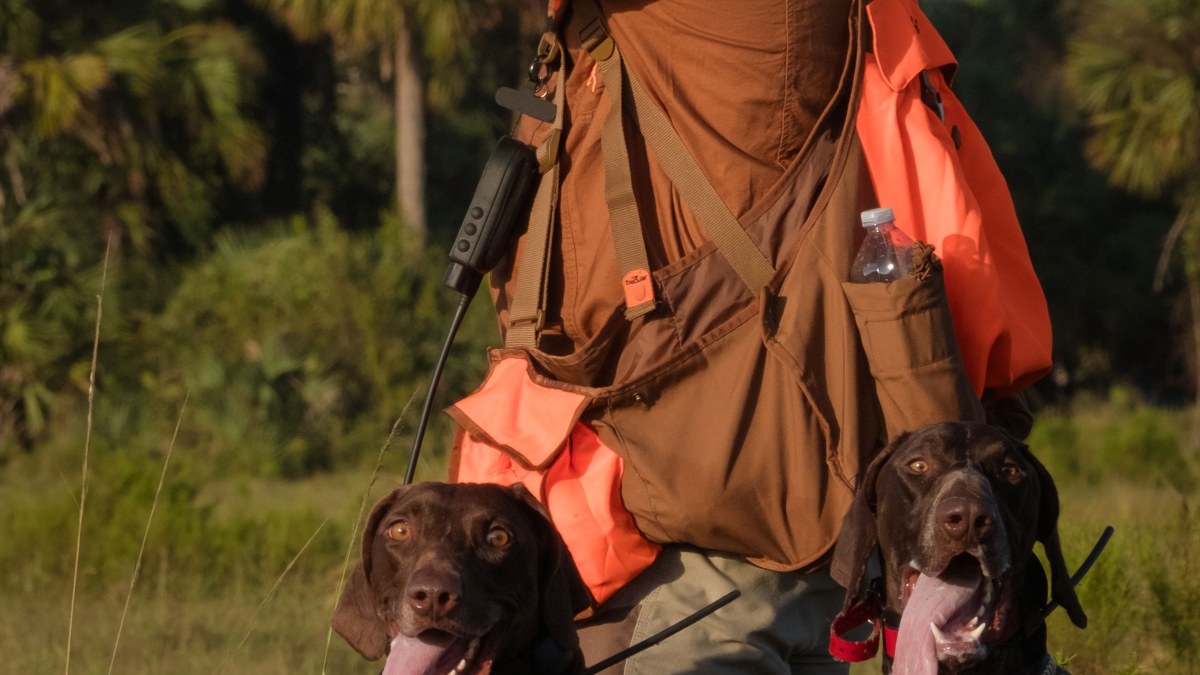
You have been invited on your first pheasant hunt, or you have been watching the roadside ditches for roosters and want to try it yourself. Will any old shotgun with a full choke do? Do you need a dog? Are quail easy because they sit tight, or the hardest birds in the field? Upland hunting rewards understanding how the birds live and move far more than any single piece of gear.
By the end you should understand how pheasants and bobwhite quail behave and why that shapes where you walk, how you carry your gun and when you shoot, and what equipment and rules a beginner in Iowa needs, so you can choose a shotgun, choke and load, plan a safe walk with other hunters, and decide which shots to take and which to let fly.
What makes upland hunting different
Upland birds live on the ground in grass, brush and crop edges, and they flush, or burst into flight, when they feel threatened. The hunter's job is to walk through likely cover, put the birds up within range and make a quick, ethical shot on a fast, unpredictable target. Unlike waterfowl or turkey hunting, there is no calling or waiting in a blind. It is closer to a walk with sudden, loud interruptions. Because the birds flush suddenly and often close, safety among hunters walking together matters as much as shooting skill.
Key idea: In upland hunting the bird decides when and where the shot happens. Your job is to be in the right cover, ready, safe, and disciplined enough to shoot only when the shot is clear and the bird is legal.
Pheasants: Runners that wait until the last moment
Ring-necked pheasants were introduced to North America from Asia and became one of Iowa's signature game birds. The colorful males, called roosters, are legal; the brown females, called hens, are not. Pheasants like grasslands, CRP fields, cattail sloughs, fencelines and the edges of crop fields, and in cold weather they push into thick cover for protection. A pheasant's favorite escape is to run, often well ahead of hunters, and to flush only when it is cornered or when a dog pins it. That is why many experienced hunters work a field toward a natural stopping point, such as a road, a creek or the end of a strip of cover, where running birds have to fly.
Rooster or hen? The difference is usually obvious on a sunny day, but in poor light or at a fast flush it may not be. A rooster has a long tail, a bright face and often cackles as it flushes; a hen is uniformly brown and usually silent. If you cannot tell, do not shoot. Learning to identify the bird first is part of every ethical upland shot.
Quail: Coveys that explode at once
Bobwhite quail live in coveys, small family groups that feed and roost together in brushy edges, weedy fields and woodland borders, mostly in southern Iowa. Quail tend to hold tight until a hunter or dog is very close, then the whole covey flushes in different directions at once. That flush can be startling, and the classic mistake is "flock shooting," firing into the group without picking one bird. Choose one bird, shoot it, and only then look for another. After the covey scatters, singles often land nearby and can be found and flushed again.
Quail do hold tight, which makes them easier to approach, and their sudden, multi-direction flush makes them hard to shoot well.
Shotgun, choke and shot size
Any reliable 12-, 16- or 20-gauge shotgun that fits you will work for upland birds. A lighter gun is easier to carry through a long day of walking, which is why many upland hunters favor 20 gauge. What matters most is that the gun comes to your shoulder quickly and points where you look, because upland shots are fast.
Choke and shot size follow distance and bird toughness:
| Bird and situation | Typical distance | Common choke | Common shot size |
|---|---|---|---|
| Quail over a pointing dog | 15 to 30 yards | Improved cylinder or skeet | #7½ or #8 |
| Early-season pheasants holding tight | 20 to 35 yards | Improved cylinder or modified | #6 or #5 |
| Late-season pheasants flushing wild | 30 to 45 yards | Modified or improved modified | #5 or #4 |
The table applies the same logic to different birds. Quail are small and flush close, so an open choke and smaller shot put more pellets in a wider pattern. Pheasants are larger, tougher birds with heavy feathering, and late in the season they flush farther out, so a tighter choke and larger pellets help carry enough energy to bring them down cleanly. Our guide to pheasant hunting ammunition covers loads in detail, and demystifying shotgun chokes explains the patterns.
Some public lands, including federal wildlife areas, require nontoxic shot for upland hunting. Check the rules for any area you hunt, and see our article on high-density and non-spherical shot for the alternatives to lead.
Iowa rules a beginner should know
Iowa requires a hunting license and the habitat fee for upland hunting, with exceptions for supervised youth described in the DNR regulations. For the 2026–27 season the Iowa DNR lists the regular pheasant season as October 31, 2026 through January 10, 2027, roosters only, with a daily limit of three. Shooting hours for pheasants and quail have been 8 a.m. to 4:30 p.m. in recent seasons. Quail seasons and limits are set separately. Iowa also requires upland bird hunters to wear blaze orange, so a blaze orange hat, vest or jacket is part of your gear, not an option. Season dates, limits and rules change, and the DNR has been working on new season structures, so confirm everything in the current Iowa hunting regulations before you go. Our guide to hunting licenses, tags and firearm restrictions in Iowa and neighboring states explains licenses and fees.
On private land you need the landowner's permission. Iowa's public walk-in programs and wildlife areas offer access, each with its own posted rules.
Safety in a line of hunters
Most upland hunting accidents involve one hunter shooting toward another while swinging on a low or crossing bird. The rules that prevent them are simple and must be absolute:
- Know your zone of fire. Before you start walking, agree with your partners on each person's shooting zone, usually the area in front of you and slightly to your side. Never swing your gun through another hunter's position or zone.
- Keep the line straight. Hunters walk abreast. If someone falls behind or pushes ahead, the safe zones change. Talk constantly so everyone knows where everyone is.
- No low birds. Never shoot at a bird flying low, near the ground, where a dog or a hunter could be behind it. Shoot only at birds with clear sky behind them.
- Safe carry. Carry the gun with the muzzle up or pointed safely away from others, safety on and finger off the trigger until you are mounting to shoot. Unload when crossing fences, ditches or other obstacles.
- Blaze orange for everyone. Orange is how hunters see each other through tall grass and brush.
Our firearm safety guide covers the general rules; these upland-specific habits sit on top of them.
Common mistake: Swinging past your safe zone because the bird is getting away. A bird that leaves your zone is a bird you let go. No rooster is worth the risk of a shot toward another hunter or a dog.
Shooting flushing birds
A flushing bird is close, fast and loud, and the instinct is to throw the gun up and fire. The better approach is to let the bird clear the cover and level off, identify it, mount the gun smoothly to your cheek while your eyes stay on the bird, and swing through it, keeping the gun moving through the shot. Many misses come from shooting too quickly at a bird that is still rising, or from stopping the swing. Going-away birds generally need you to shoot at or slightly above the bird; crossing birds need lead. If you have shot skeet or sporting clays, the same fundamentals apply, and practice on clays before the season pays off in the field. Our article on skeet shooting and leading the target explains swing and lead.
Shot placement and range discipline matter for ethics. Keep shots inside the distance where your gun and load reliably kill cleanly, usually under about 40 yards for pheasants. Mark where a hit bird falls, walk straight to the spot and search thoroughly. A wounded bird often runs, which is one reason a good dog is so valuable.
Do you need a dog?
A trained bird dog makes upland hunting more productive and recovers far more wounded birds, which is a real ethical advantage. But plenty of hunters without dogs take birds by working cover slowly, stopping often, and pushing birds toward natural edges. If you hunt without a dog, hunt with partners, walk slowly with frequent pauses, which often makes a nervous bird flush, and be especially careful to mark and recover every bird you shoot. If you do get a dog, start with a breed and trainer suited to the birds and cover you hunt.
Planning your first hunt
A good first hunt is mostly settled before anyone loads a gun. The current season dates, limits, shooting hours and blaze orange rule are in the Iowa DNR regulations, along with the license and habitat fee. The table above points to a choke and load for your bird and season, and a box or two of clays before the season makes the mount and swing feel natural. Before anyone loads, the group agrees on the walking plan, each person's zone of fire and the no-low-birds rule. Afterward, a few notes on where birds flushed, how far your shots were and what you'd change make the next hunt better.
Putting it together
The common advice fits together once you understand the birds. An old shotgun really will work, but a full choke is usually too tight for close flushes. A dog really does make you more successful and recovers more birds, but hunters without dogs still do well by working cover carefully. And quail really are both easy to approach and hard to shoot. Choose a gun that fits and a choke and load matched to the bird and the season, learn where and how the birds live, walk as a disciplined, orange-clad line with clear zones of fire, identify every bird, and take only clean shots you can recover.
Check your understanding
Try answering these before you open the answer. If you can decide what to do and explain why, you have it.
1. Why do experienced pheasant hunters push a field toward a road or the end of a cover strip?
Pheasants prefer to run. A natural stopping point forces running birds to flush within range.
2. What is "flock shooting," and why should you avoid it on a covey of quail?
Firing into the group without picking one bird. It usually misses everything or wounds birds. Choose one bird, shoot it, then look for another.
3. Why might a late-season pheasant call for a tighter choke and larger shot than early season?
Late-season birds tend to flush farther away, so a tighter pattern and larger pellets carry more energy to the bird.
4. A rooster flushes low and swings toward your partner's side. What do you do?
Let it go. Never shoot at low birds or swing through another hunter's zone.
5. It's the week before opening day. What should you confirm with the Iowa DNR first?
Season dates, daily and possession limits, shooting hours, license and habitat fee requirements, blaze orange rules and any shot restrictions for the land you'll hunt.
Where to go next
For load choices in detail, read a guide to pheasant hunting ammunition. To understand what your choke does to the pattern, see demystifying shotgun chokes. For licenses and fees, read hunting licenses, tags and firearm restrictions in Iowa and neighboring states. And for the thinking behind every clean shot, see hunting ethics.
If this article helped you, we invite you to sign up for email notifications of new blog articles.