
Rangefinders for Hunters: How They Work and When You Really Need One
Joseph McLain Nov 07, 2026
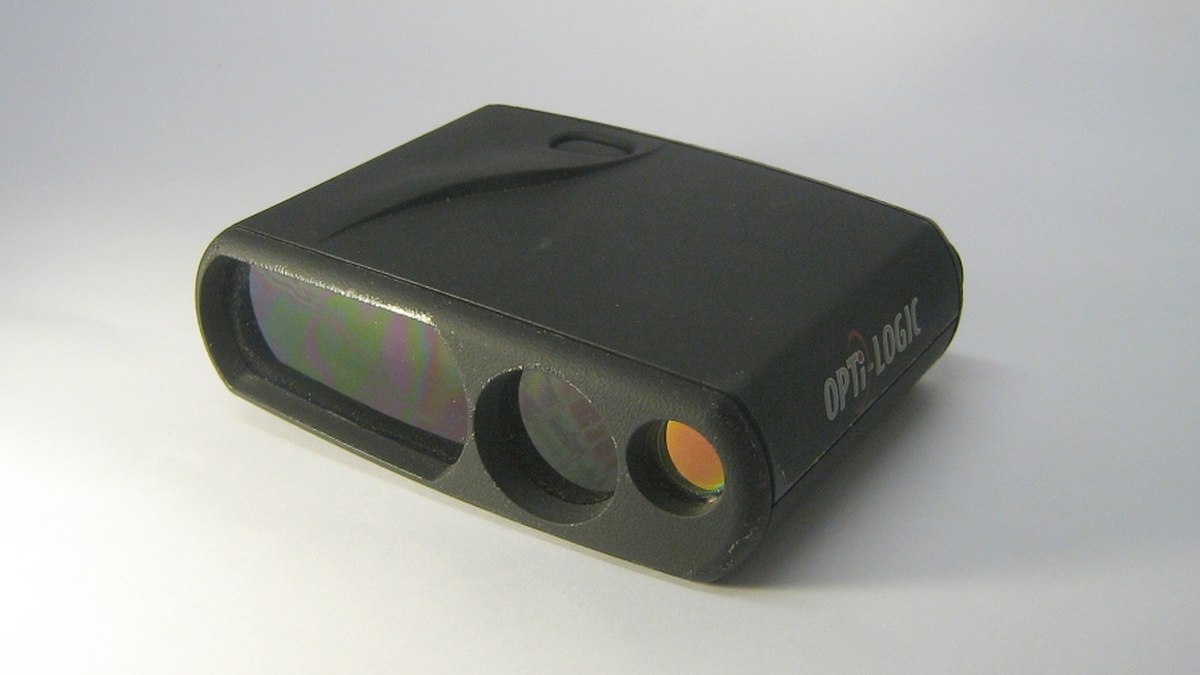
A buck steps out on the far side of a cut cornfield. He looks close, maybe 150 yards. Your hunting partner whispers that he is easily 250. You have a slug gun zeroed at 100 yards, and the difference between those two guesses is the difference between a clean shot and a wounded deer. Neither of you knows for sure.
Would a rangefinder have settled it? Most bowhunters carry one. If you need one, is the deer too far away? Would a cheap golf rangefinder work as well as a hunting model? A rangefinder answers one question very well, and how much you need it depends on your weapon, your ground and your distances.
By the end you should understand how laser rangefinders work, why people misjudge distance, what angle compensation does and what to look for in a hunting model, so you can decide whether a rangefinder would make your shots more ethical, choose one with the features you need and build the habit of knowing your distance before the moment comes.
Why people misjudge distance
Your brain estimates distance from clues: How big something looks, how much detail you can see, how much ground is between you and it, and how bright it is. Those clues are easily fooled. An animal across an open field with no trees in between looks closer than it is. An animal in dim light or across a valley often looks farther away. A big buck looks closer than a doe at the same distance because he is bigger.
Think of guessing the distance to a farmhouse light while driving at night. You think you are almost there, and the light keeps getting no closer. Your brain had no reference points, so it guessed wrong. Hunting fields can do the same thing, especially at dawn and dusk.
Assume your guesses are wrong until you have checked them. The point of a rangefinder is not just to measure one shot. It is to teach you how far things really are on the ground you hunt.
How a laser rangefinder works
A laser rangefinder sends out short pulses of invisible infrared light and times how long they take to bounce back from the target. Light travels at a known speed, so the time tells the distance. Hunting rangefinders sold to the public are designed to be eye-safe in normal use.
Not every target reflects the beam equally well. A rangefinder's advertised maximum range is usually measured on a highly reflective target, such as a white sign or a building. A deer's brown, soft coat reflects much less. Many rangefinders list a separate, shorter range for trees and a shorter range still for deer. Expect to range a deer at well under the box's maximum.
Fog, rain, snow and dust can scatter the beam and reduce range. Brush and branches between you and the deer can give you the distance to the brush instead of the animal. That is where target modes help.
- First-target mode. Reports the nearest object the beam hits, which is useful when ranging a single object with nothing in front of it.
- Last-target or brush mode. Reports the farthest object, which helps you ignore grass, twigs or branches between you and the deer.
- Scan mode. Gives a continuous reading as you move across a field, which helps you learn distances to several landmarks quickly.
Of these, last-target mode does the most work for hunters in Iowa cover, because there is often something between you and the deer. Learn which mode your rangefinder is in before you need it, and check the reading against what you see.
Key idea: A rangefinder's maximum range is measured on easy, reflective targets. On a deer, at dawn, through light brush, expect much less, and choose a rangefinder with plenty of range for that harder case.
Angle compensation: Why uphill and downhill shots fool you
Gravity pulls a bullet or arrow down toward the earth, not toward the line between you and the target. When you shoot steeply uphill or downhill, gravity has less of the line of sight to work on. The projectile drops as if the target were at the horizontal distance, which is shorter than the straight-line distance. That is why shots at steep angles tend to hit high if you hold for the full straight-line distance.
Picture a ladder leaning against a house. The ladder is the line of sight from you to the target. The distance along the ground from the foot of the ladder to the wall is the horizontal distance. A steeper ladder has a shorter horizontal distance for the same length. Angle-compensating rangefinders measure the angle and give you that shorter, "shoot-as" distance.
For most Iowa ground, the angles are gentle, and the difference is small at rifle distances. It matters more for bowhunters in tree stands and on the steeper river bluffs and hills of eastern and western Iowa, where arrows are slow and arrow drop changes quickly with distance. Picture a doe 18 yards from the base of your tree, with your stand about 20 feet up. The straight-line distance is about 20 yards. With 20- and 30-yard pins, that difference can matter.
If you bowhunt from elevated stands or hunt steep ground, choose a rangefinder with angle compensation and use the compensated distance.
Choosing a hunting rangefinder
Rangefinders vary from simple, inexpensive models to units that calculate ballistic holdover for your rifle. These features matter most.
- Range on deer. The distance the unit can reliably range a deer, not a reflective sign; look for a stated non-reflective or deer range.
- Display. A display you can read in bright sun and in the last light of the day; some can be adjusted for brightness.
- Magnification and clarity. Most units are around 6x; clear optics help you place the aiming point on the right spot.
- Angle compensation. Gives the horizontal shoot-as distance for steep uphill or downhill shots.
- Target modes. First and last target modes help you range the deer rather than the brush in front of it.
- Weather sealing and size. A water-resistant unit that fits a pocket or a harness pouch will be with you when you need it.
Of these, range on deer, a readable display and last-target mode do the most work for an Iowa hunter. Ballistic calculations are useful for long-range rifle shooters, but most Iowa deer are shot at moderate distances with slugs, straight-wall cartridges, muzzleloaders or bows, where knowing the distance matters more than calculating complex holdovers.
Common mistake: Buying a golf rangefinder for hunting. Many are built to pick out a flag against the background and work well, but some lack last-target mode, read poorly in dim light or are not sealed against weather. Check the features before you assume it will work in a deer stand at dawn.
How Iowa hunters use rangefinders
How much a rangefinder helps depends on how quickly your projectile drops over distance.
Bowhunting
Arrows are slow and drop quickly, so a few yards of error can mean a hit high or low of the vitals. Most bowhunters range landmarks around their stand before the deer arrive, then use those landmarks to estimate distance when the deer steps out. A rangefinder is close to essential here.
Shotguns, muzzleloaders and straight-wall rifles
Slugs and muzzleloader bullets drop significantly past 100 yards, and straight-wall cartridges such as .350 Legend drop more than flat-shooting rifle rounds. If you zero at 100 yards, a deer you think is at 150 but is really at 200 may be hit well below where you aimed. Our article on sighting in at different distances explains bullet drop and how to learn yours.
Rifles for coyotes and other game
Flat-shooting rifles are more forgiving, but a coyote at 300 yards is a small target, and knowing the distance helps you hold correctly. Some hunters use scopes or thermals with built-in rangefinders. Iowa's hunting regulations say sights that project a light beam, including laser sights, are not legal for hunting, so if you are considering a scope or sight with a built-in laser, ask the Iowa DNR how the rule applies before you hunt with it. A separate handheld rangefinder is not a sight. Rules can change, so check the current regulations.
The more your projectile drops between 50 and 200 yards, the more a rangefinder helps you, and the more important it is to know your distances before you shoot.
Building the habit: Range before the deer arrives
The best time to use a rangefinder is often before you see a deer. When you settle into your stand or blind, range several landmarks in different directions: A fence post, a lone tree, the corner of the field, the edge of the timber. Remember them, or jot them down. When a deer appears, you can glance at the nearest landmark instead of moving to range the animal.
This also teaches you something your eyes will remember. After a season of checking, you will find your estimates getting better, even without the rangefinder. That is valuable on the day the battery dies or the deer gives you no time.
Good practice: Practice estimating distances before you range them. Guess, then check, and keep score. Most people consistently guess short or long, and knowing your own tendency is half the cure.
Testing your own distance estimates
A rangefinder's best lesson is how wrong your guesses are. On a walk or in your yard, pick five objects at different distances, a mailbox, a tree, a fence post, a shed, and estimate each before you range it. Repeating it at dusk usually shows the errors growing. Most people find they consistently guess long or short by a predictable amount, and knowing your own bias tells you how much to trust a guess when there's no time to range.
Putting it together
People misjudge distance because their brains use clues that fields, light and the size of the animal easily fool. A laser rangefinder times light bounced off the target to give an accurate distance, but its real range on a deer is much less than the number on the box. Angle compensation gives the horizontal distance for steep shots, which matters most to bowhunters in tree stands and on steep ground.
Choose a rangefinder for its range on deer, readable display and last-target mode. Use it to range landmarks before deer arrive, and to train your eye. The more your projectile drops, the more a rangefinder helps. And remember that knowing a deer is too far away is just as valuable as knowing it is close enough.
Check your understanding
Try answering these before you open the answer. If you can decide what to do and explain why, you have it.
1. Your rangefinder's box says 800 yards. Why might it struggle to range a deer at 400 yards?
Because the maximum range is measured on a highly reflective target. A deer's coat reflects much less of the beam, and light, weather and brush reduce the range further.
2. You range a deer through some tall grass and get 32 yards, but the deer looks farther. What should you check?
Whether the rangefinder is in first-target mode and picked up the grass. Switch to last-target or brush mode, which reports the farther object.
3. From a tree stand, your rangefinder shows 22 yards straight-line and 19 yards with angle compensation. Which do you use, and why?
The compensated 19 yards. Gravity acts on the horizontal distance, so the arrow drops as if the deer were at 19 yards. Holding for 22 would likely hit high.
4. A friend says he does not need a rangefinder because he never shoots past 100 yards with his slug gun. What could you tell him?
That a rangefinder also tells him when a deer is past 100 yards. People often misjudge distance in open fields and dim light, so knowing that a deer is 140 yards, not 90, keeps him within his limit.
5. You'll hunt a field edge from a new stand this weekend. Why range landmarks before any deer show up?
So you can judge a deer's distance instantly by comparing it with a known landmark, without moving to use the rangefinder while the deer is in view.
Where to go next
Before you can range a deer, you need to see it, which our article on binoculars for Iowa hunters explains. To turn a distance into the right hold, read sighting in at different distances. For understanding drop at longer distances, see long-range ballistics. And for deciding whether a shot is ethical in the first place, read hunting ethics.
If this article helped you, we invite you to sign up for email notifications of new blog articles.