
Muzzleloaders for Iowa Deer: Choosing, Loading and Hunting the Muzzleloader Seasons
Joseph McLain Nov 07, 2026
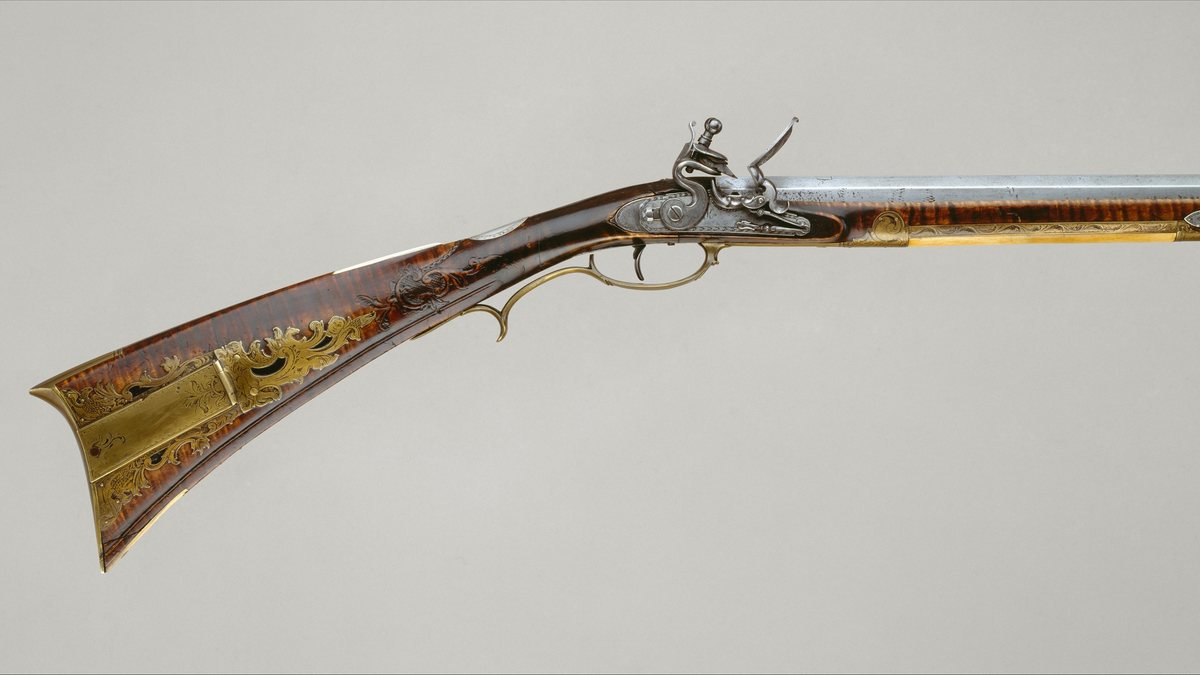
Picture a coworker who has hunted the December shotgun seasons for years and wants more time in the timber. Iowa's early muzzleloader season in October would give it to him, but he has heard that muzzleloaders are fussy antiques that misfire in the rain and take forever to clean.
A modern muzzleloader can be accurate and dependable, but it rewards a careful, consistent routine and punishes shortcuts with misfires and lost deer. The difference between a fussy antique and a dependable hunting tool is mostly in how it is loaded, protected and cleaned.
By the end you should be able to choose a muzzleloader setup, build a consistent load, and hunt both muzzleloader seasons with confidence.
Iowa's muzzleloader seasons
Iowa sets aside two deer seasons for muzzleloaders. The early muzzleloader season opens on the Saturday closest to October 14 and runs nine days, when deer are still on early-fall patterns and the woods are full of leaves. The late muzzleloader season starts the Monday after the third Saturday in December and runs through January 10, when cold, snow and winter food sources concentrate deer. Muzzleloaders are also legal in the regular gun seasons.
During the early season, only muzzleloading rifles, muskets, pistols and revolvers may be used. The late season also allows certain handguns and archery equipment. Hunters in the muzzleloader seasons must wear blaze orange, and every deer must be reported through the harvest reporting system by midnight the day after it is tagged.
Licensing changed for 2026 to 2027, with the state divided into Zone A and Zone B and new limits on how many firearm tags a hunter can hold. Before you buy a license, read the current Iowa DNR hunting regulations for your zone and season. Pick the season by the kind of hunting you want, warm October woods or cold January fields, and then confirm the license and zone rules for that year.
What makes a muzzleloader legal for Iowa deer
Iowa's rule is short. A muzzleloader for deer must be loaded from the muzzle and must fire a single projectile between .44 and .775 inch in diameter. That covers the common .50-caliber and .54-caliber rifles, as well as many older .45s only if the projectile itself measures at least .44, so check the bore and projectile carefully on smaller calibers.
The single-projectile rule rules out loading buckshot or multiple balls. It also means the gun cannot be a cartridge firearm, no matter how old it looks, and Iowa does not allow electronic ignition. Muzzleloading pistols and revolvers are legal in the muzzleloader seasons under the same caliber rule, but their limited power and accuracy call for short, carefully chosen shots.
Key idea: Iowa defines a legal muzzleloader by how it loads and what it fires, not by how old-fashioned it looks. A modern inline with a scope and a saboted bullet and a traditional flintlock with a patched round ball both qualify if they meet the caliber and single-projectile rule.
Check the projectile's diameter and the loading method, and read the current DNR regulations for any rule on sights or other equipment before the season.
Inline, percussion or flintlock
Muzzleloaders fall into three families, each defined by how the powder is ignited.
- Inline. A primer, usually a 209 shotshell primer, sits directly behind the powder charge in line with the bore. Inlines are the most common hunting muzzleloaders today because the ignition is hot and dependable, and most have a removable breech plug for cleaning.
- Percussion sidelock. A small percussion cap fits on a nipple on the side of the barrel, and a hammer crushes it to send a flame into the powder. These look traditional and are reliable when kept dry.
- Flintlock. A flint strikes a steel frizzen, throwing sparks into a pan of fine priming powder, which flashes through a touch hole into the main charge. They are the oldest design, the most demanding to keep dry, and the most rewarding to master.
The three run from convenience to tradition. An inline is the easiest path for a hunter who mainly wants more days in the field. A sidelock or flintlock offers the history and challenge many hunters love, at the cost of more attention to moisture and ignition. Choose an inline if reliability and simplicity come first, and a traditional lock if the experience is part of the reason you hunt.
Powder: Black powder, substitutes and pellets
Muzzleloaders are built for black powder or black powder substitutes, which burn in a way the barrel and breech are designed to handle. Black powder itself is the traditional choice and ignites easily, which is why it is the only real choice for flintlock priming. Substitutes such as Pyrodex, Triple Seven and Blackhorn 209 are designed to be measured by volume like black powder, and some leave less corrosive fouling.
Powder comes loose or in pre-measured pellets. Loose powder lets you fine-tune a load and works in any muzzleloader. Pellets are fast and consistent in the field but are designed mainly for inlines with hot primers, and many will not ignite reliably in traditional locks. Every substitute behaves a little differently, so the gun's manual, not general advice, sets the maximum charge.
Common mistake: Putting smokeless powder in a muzzleloader that is not specifically designed and marked for it. Smokeless powder produces far higher pressures and can destroy the barrel and injure the shooter. Use only the powders your muzzleloader's manufacturer lists.
Use the powder type the manual allows, measure every charge the same way, and stay at or below the manufacturer's maximum.
Projectiles: Round balls, conicals and sabots
The projectile is where muzzleloader hunting gets interesting, because each type matches different barrels and ranges.
| Projectile | What it is | Best match | Typical strength |
|---|---|---|---|
| Patched round ball | A lead sphere wrapped in a lubricated cloth patch | Traditional rifles with slower rifling twist | Simple and accurate at modest range |
| Conical bullet | A heavy, bore-sized lead bullet, often with grease grooves | Many sidelocks and some inlines | Heavy weight and deep penetration |
| Saboted bullet | A smaller jacketed or copper bullet in a plastic sleeve | Most modern inlines with faster twist | Flatter trajectory and controlled expansion |
Start from your barrel. The rate of rifling twist, the number of inches it takes the grooves to turn once, decides which projectiles a barrel stabilizes well. A slow-twist traditional barrel suits round balls, and a fast-twist inline suits sabots and many conicals. Our guide to barrel twist rate explains why. A round ball loses energy quickly, so it calls for closer shots; a modern saboted bullet carries farther, but most hunters still keep shots well inside the distance where they have practiced. Let the barrel's twist choose the projectile family, and let your practice decide your maximum range.
Loading and unloading safely
A muzzleloader is loaded one component at a time, and safety depends on doing it the same way every time.
The loading sequence
With the gun uncapped or unprimed, the muzzle pointed safely up and away from your body, and your hand never over the muzzle, pour a measured charge from a separate measure, never directly from the flask or can, because a smoldering ember could ignite the whole container. Start the projectile, then seat it firmly on the powder with the ramrod in one smooth stroke, without pounding. Only then, when you are ready to hunt, add the cap or primer.
Mark your ramrod
Mark the ramrod at the muzzle when a projectile is properly seated on a known charge. Later, if you ever wonder whether the gun is loaded, the mark tells you. A projectile that is not fully seated, leaving an air gap above the powder, is dangerous and can bulge or burst a barrel.
Unloading at the end of the day
A muzzleloader cannot simply be unloaded by opening an action. Most hunters fire it into a safe backstop at the end of the day. Others use a discharger that blows the charge out with compressed air, or a ball puller on the ramrod. Never transport or store a muzzleloader loaded, and never leave a cap or primer on it once you stop hunting.
Safety: Never blow down the barrel to clear smoke or check for embers, and never look down the bore of a loaded or possibly loaded muzzleloader. Use the marked ramrod to check instead.
Powder from a measure, projectile seated firmly, cap or primer last, and unload before you leave the field.
Building a consistent load
A muzzleloader's accuracy depends on consistency more than on any one component. Each change in powder charge, projectile weight or seating pressure changes where the shots land. A good load is one that groups well, hits where you aim at your hunting distance, and is the same every time you load it.
Start with the manufacturer's recommended charge and projectile, then try a few charges in small steps, firing three-shot groups from a rest at 50 and then 100 yards. Clean or swab the bore between shots the same way each time, because fouling changes how the next projectile seats. Once you find the combination that groups best, write it down and do not change it. Our guide to sighting in a rifle explains holdover and zeroing, which apply to muzzleloaders too.
Find one load, prove it, and then stop experimenting before the season.
Weather: October heat and January cold
Moisture is a muzzleloader's real enemy. In the early season, sweat, humidity and rain can dampen powder and caps. In the late season, the bigger risk is condensation. Carry a cold gun into a warm truck or house, and moisture forms inside the barrel and around the breech, where it can soak the powder overnight.
A few habits protect you in both seasons. Keep a cap or tape over the muzzle to keep out snow and rain; it will not affect the shot. Use waterproof caps or keep primers protected. In winter, leave the gun in a cold, secure place such as a locked vehicle or unheated building rather than bringing it inside loaded, or unload at the end of each day and reload fresh in the morning.
Assume every load that has been through a temperature swing or a wet day is suspect, and fire it out and reload rather than trusting it on a deer.
Cleaning: Why it can't wait
Black powder and many substitutes leave fouling that draws moisture and causes rust, sometimes overnight. A muzzleloader left uncleaned after a hunt can rust its bore, breech plug and nipple badly enough to ruin accuracy or seize the parts.
Clean after every day of shooting. For most inlines, that means removing the breech plug, scrubbing the bore with a cleaner designed for your powder, cleaning and lightly greasing the breech plug threads with an anti-seize lubricant, and drying and oiling the bore. Traditional guns need attention to the nipple, the lock and the touch hole. Our guide to cleaning and maintaining a firearm covers the general routine, and our article on preventing rust in storage explains how to keep it from creeping back between seasons.
The hunt is not over until the muzzleloader is clean, dry and lightly oiled.
Putting it together
The reputation for misfires in the rain is earned mostly when moisture reaches the powder or the cap, and the accuracy of a modern inline depends on a consistent load. Cleaning takes less time than a lost season of rust.
Put the pieces together in order. Pick a season and confirm the license. Choose a muzzleloader that meets the caliber rule and fits how you like to hunt. Let the barrel's twist choose the projectile. Build one consistent load and practice with it. Load in the same safe sequence every time, protect the gun from moisture, and clean it the same day you shoot it.
Check your understanding
Try answering these before you open the answer. If you can decide what to do and explain why, you have it.
1. A friend wants to hunt the early muzzleloader season with a .45-caliber traditional rifle and a .440 round ball. Is that legal?
Iowa requires a single projectile between .44 and .775 inch, so a .440 ball is at the lower limit. He should measure the ball and confirm it meets the rule in the current regulations before he hunts.
2. Your muzzleloader fired well in October but misfired on a cold January morning after a night in the house. What likely happened?
Condensation. Bringing a cold gun into a warm house lets moisture form in the barrel and breech, where it can dampen the powder. Store it cold and secure, or unload each night and reload fresh.
3. Why should you pour powder from a separate measure rather than straight from the flask?
An ember left in the barrel from a previous shot could ignite the stream of powder and flash back into the flask. A separate measure limits any ignition to a single charge.
4. You are not sure whether your muzzleloader is loaded. How do you check?
With the gun uncapped and the muzzle pointed safely, insert the marked ramrod. If the mark sits above the muzzle, a projectile is in the barrel. Never look down the bore or blow into it.
5. Your inline shoots sabots well but scatters patched round balls. Why?
Most inlines have fast rifling twist suited to longer sabots and conicals. A round ball usually needs a slower twist. Use the projectile your barrel is built to stabilize.
Where to go next
You can find muzzleloaders, muzzleloader scopes and supplies on our website, and anything listed there can be ordered if it isn't in stock.
To understand why barrels prefer certain projectiles, read our guide to barrel twist rate. For steadier shots from a blind or the timber, shooting positions for hunters shows how to build a solid rest. To make good shot choices on deer, our guide to hunting ethics and shot placement explains vital zones and angles. And to protect your muzzleloader between seasons, read preventing rust in storage.
If this article helped you, we invite you to sign up for email notifications of new blog articles.