
The Legalities of Hunting: Licensing, Tags, and Firearm Restrictions in Iowa and Neighboring States
Joseph McLain Nov 07, 2026
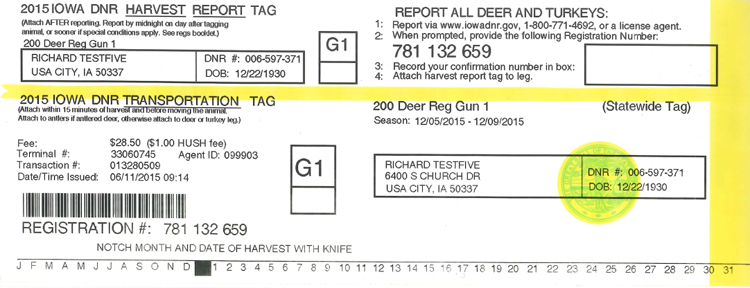
You are planning your deer season, maybe with an invitation to hunt in Nebraska too, and the state websites talk about licenses, tags, habitat fees, units and zones as though you already know what each one means. Do you need a tag? Is there a deadline coming? If that sounds familiar, you're in good company.
By the end you should be able to tell a license from a tag, ask the right questions about any tag in any state, understand how Iowa handles licenses, tags and firearm restrictions, compare Nebraska, South Dakota, Minnesota and Wisconsin, and know where to confirm the current rules.
Hunting licenses and tags: Two permissions that do different jobs
A hunting license is generally a prerequisite for hunting any wildlife within a state. It grants the legal right to hunt certain types of game during designated seasons, and in most states you buy one each year, with separate pricing and requirements for residents, non-residents and youth. Think of it as the ticket at the gate of a county fair. It gets you onto the grounds, but not onto every ride.
A tag is the ticket for one particular ride. It allows you to harvest a specific type of animal, such as deer or turkey, within the limits set by the state's wildlife management agency. In almost all states you must buy a valid license before you apply for or purchase a tag, because the license establishes your eligibility and the tag grants permission to hunt a specific species under certain conditions.
Key idea: A license is your permission to hunt. A tag is your permission to take a particular animal, under particular conditions. You need both, in that order.
Tags often specify three things, and each one is a place where an honest mistake can happen.
- Species. Deer tags are distinct from turkey tags.
- Season. Many tags are issued for a particular season, such as archery, muzzleloader or firearm.
- Location. Some tags are unit-specific, valid only in designated areas, while others may allow statewide hunting.
Before you hunt, read your tag and make sure your plan matches all three.
How tags are handed out: Lottery or over-the-counter, unit or statewide
Every tag answers two questions. How do I get it, and where is it valid? The answers decide how early you need to plan.
| Tag type | How it works | What it means for you |
|---|---|---|
| Lottery | Used for high-demand species like deer or elk, with a limited number of tags awarded randomly. | Apply by the deadline and pay a fee to enter. No tag is guaranteed. |
| Over-the-counter (OTC) | Direct purchase, often for small game or species with less restrictive population control needs. | No draw to wait on. |
| Unit-specific | Restricted to a management unit or zone, so agencies can control harvest based on local population needs. | Works only in the area it names. |
| Statewide | Valid across the entire state, common for species with stable populations. | More flexibility in choosing where to hunt. |
These are two separate choices that combine. A tag can be a lottery tag and unit-specific at once, or over-the-counter and statewide. If a tag comes from a lottery, put the deadline on your calendar first. If it is unit-specific, confirm that the land you plan to hunt sits inside the unit before you apply. When a friend offers you a spot on his farm, your first question is not about the deer. It is whether the farm is inside the unit on the tag.
Iowa hunting licenses, tags and firearm restrictions
Iowa is a good place to practice a three-step habit that works anywhere. Which license do I need? Which tag fits my species, season and location? Which firearm is allowed for that season?
Licenses and youth hunters
Iowa requires a hunting license for both residents and non-residents. Hunters must also purchase a habitat fee to apply for or use certain tags, so check whether your tag requires it. Hunters under 16 who hunt under the direct supervision of a properly licensed parent, guardian or other competent adult do not need a hunting license or habitat fee, and each unlicensed youth needs their own licensed adult. Residents 12 to 15 may hunt without supervision if they hold a hunting license and have passed hunter education. Either way, a young hunter still needs their own deer or turkey license to hunt those species, so confirm the details with the Iowa DNR before the season.
Deer tags
Iowa allocates deer tags (Iowa calls them deer licenses) by season (archery, shotgun and muzzleloader), with any-deer and antlerless options. For 2026-27, Iowa split the state into two zones. Zone B is eight northwest counties, Crawford, Ida, Lyon, O'Brien, Plymouth, Shelby, Sioux and Woodbury, where deer numbers are down; Zone A is every other county. A Zone A license isn't valid in Zone B, and a Zone B license isn't valid in Zone A. A resident may buy up to two general deer licenses, no more than one archery and one firearm, in any combination of zones. In Zone B, most seasons are antlered-buck only, any-deer licenses are limited to one per hunter and valid only in the county printed on them, and party hunting isn't allowed, so each hunter tags their own deer. Antlerless licenses in Zone A remain limited by county quotas, some of which sell out fast. Nonresidents enter a lottery for licenses tied to specific zones and aren't guaranteed one. So a resident can often simply buy a tag, but should pick the zone first; a nonresident friend who wants to join must apply early and hunt where the tag allows. The Iowa DNR's 2026-27 changes lay out the details.
Turkey tags and small game
Spring and fall turkey seasons each require a separate tag, so a hunter who wants both needs both. Tags are issued for designated zones and are generally available for purchase without a lottery for residents. Small game such as pheasants can be hunted with a general hunting license and do not require additional tags. Notice the pattern. The more demand and management a species needs, the more steps stand between you and the tag. Deer involve seasons, zones and sometimes a lottery. Pheasants involve a license.
Firearm restrictions for deer
During the shotgun seasons, Iowa allows rifles .350 to .500 caliber that fire an expanding bullet with at least 500 foot-pounds of muzzle energy. Iowa Code 481A.48 now reads "straight wall or other," so the caliber window and energy minimum, not the case shape, decide what is legal. Shotguns, muzzleloaders and handguns are also permitted in specific seasons. Shotguns must use slugs for deer hunting (a slug is a single solid projectile, not a load of small shot), and handguns have their own caliber and barrel-length minimums, so check the current regulations before you choose one. Iowa's January antlerless-only seasons have their own rules, and some have allowed smaller rifles; for 2026-27 the Population Management January season is limited to Allamakee and Winneshiek counties, and only if more than 100 antlerless licenses remain unsold on the third Monday in December. Confirm those seasons with the Iowa DNR each winter. Our guide to straight-walled cartridges for deer hunting explains the regulation and the popular calibers.
Common mistake: Assuming that owning a deer rifle means you are ready for deer season. The firearm type, the cartridge and the season all have to line up, so match your equipment to the season before you buy ammunition.
Nebraska, South Dakota, Minnesota and Wisconsin compared with Iowa
Each state's wildlife agency sets its own rules, so the same three questions get different answers as you cross a border. This table covers licenses, deer tags and firearm rules for the four neighbors.
| State | Licenses and youth | Deer tags | Firearm rules |
|---|---|---|---|
| Nebraska | License for residents and non-residents, with youth and senior discounts. Youth ages 10-15 need a youth license, and those under 12 must hunt under supervision. | Sold by hunting unit, for archery, muzzleloader or firearm seasons. Non-resident deer permits are limited. | Centerfire rifles with energy minimums for deer, plus handgun rules of their own. Check the current regulations for the exact requirements. |
| South Dakota | License needed for any game species. Youth licenses are available to encourage participation. | Allocated by lottery, with units and seasons (archery, rifle and muzzleloader). Hunters apply based on preferred units. | Centerfire rifles for deer, with slugs for shotguns. Check the current regulations for caliber and other requirements. |
| Minnesota | Basic license for all hunters, with small game, big game and combined packages. Reduced-fee youth licenses, with special allowances for hunters aged 12-17. | Issued by deer permit area. Antlerless permits are limited and issued by lottery in some areas. | Starting in 2026 the statewide shotgun zone is gone, and rifles are legal statewide except in counties that keep shotgun-only rules by ordinance (13 counties for 2026). Handguns are legal for big game, with their own requirements. |
| Wisconsin | License required, with package options for big game, small game and combined hunts. Discounted youth licenses, with allowances based on age. | Assigned to units and specific weapon types. Additional "bonus antlerless" tags are available by lottery. | Centerfire rifles are widely allowed, but some local areas restrict firearm types. Handguns have their own barrel-length and caliber requirements. |
Notice that every state ties deer to a place, whether it calls that place a zone or a unit. Lotteries show up in different spots, such as South Dakota's deer allocation, Minnesota's antlerless permits and Wisconsin's bonus antlerless tags. The firearm column is where states differ most and where rules change most often. Minnesota, for example, dropped its statewide shotgun zone for 2026, so a rule you remember from a few seasons ago may no longer apply.
Other hunting follows familiar patterns. Small game is easiest. In Minnesota, the general license covers grouse, rabbit and pheasant, and in Wisconsin it covers rabbit, grouse and pheasant. Nebraska requires only a hunting license and a habitat stamp for upland game like pheasants, and South Dakota's upland game permits are available over the counter with no specific units, with non-residents also allowed. Turkey usually adds a step. Nebraska sells tags for spring and fall seasons, Minnesota requires additional tags by season, and Wisconsin requires additional fees.
Waterfowl adds its own layer. Nebraska hunters need state and federal waterfowl stamps. Minnesota requires state and federal stamps regardless of license type to hunt migratory waterfowl. Wisconsin requires both stamps too, with some tags for additional harvest flexibility. South Dakota offers daily and seasonal permits, with additional requirements for waterfowl hunting.
Common mistake: Carrying one state's rules into another. A handgun that meets one state's caliber rule still has to meet the next state's rules, which may add something like a minimum barrel length. If your plan crosses a state line, treat every rule as new.
A summary cannot capture every cartridge detail behind a minimum-caliber rule, so ask the agency which firearms and cartridges qualify before you buy. When you plan to travel with a firearm, our guide on how to safely transport your firearms for hunting and target shooting is a good companion to this one.
Applying for tags and confirming the rules
The current rules, deadlines and fees live with each state's wildlife agency, and those agencies are the final word.
- Iowa Department of Natural Resources
- Nebraska Game and Parks Commission
- South Dakota Department of Game, Fish and Parks
- Minnesota Department of Natural Resources
- Wisconsin Department of Natural Resources
Each state's lottery process varies slightly, so confirm deadlines. Each state also publishes descriptions of each hunting unit or zone, outlining the regulations that apply there. Review them before you apply, especially for unit-specific tags.
Putting it together
Every hunt comes down to the same requirements: You need a license, a tag that matches your species, season and place, and a firearm the season allows, and each state answers those questions a little differently. Use the three-step habit for every hunt, write down where you found each answer, and check again each year, because rules like Iowa's cartridge law, Iowa's new deer zones and Minnesota's shotgun zone have changed recently. Hunting regulations are updated regularly, so always check state-specific regulations and application procedures before each season.
Check your understanding
Try answering these before you open the answer. If you can decide what to do and explain why, you have it.
1. You have a deer tag but have not bought a hunting license. Can you hunt, and why?
In almost all states, no. You must buy a valid hunting license before applying for or purchasing a tag. The license establishes eligibility, and the tag grants permission to hunt a specific species under certain conditions.
2. A friend offers you a place on his farm in Plymouth County for Iowa deer season. You already bought a Zone A any-deer license. Can you use it there?
No. Plymouth County is in Zone B for 2026-27, and Zone A licenses aren't valid in Zone B. You'd need a Zone B license, which counts toward your two-license limit, and in Zone B most seasons are antlered-buck only and you must tag your own deer. Always check the species, season and location on the tag against where you'll hunt.
3. You own a bottleneck-cartridge rifle and want to hunt deer in Iowa's shotgun season. What does this guide say, and what are your options?
Iowa no longer requires a straight-walled case. A rifle is legal in the shotgun seasons if it is .350 to .500 caliber and fires an expanding bullet with at least 500 foot-pounds of muzzle energy, whatever the case shape. If your rifle is outside that window, your options are a shotgun using slugs, a muzzleloader or a qualifying handgun, in the seasons where those are permitted. Confirm the details with the Iowa Department of Natural Resources.
4. You are a non-resident who wants to hunt Iowa deer. What should you expect and do early?
Expect to enter a lottery rather than buy a tag directly, which means a tag is not guaranteed. Find the application deadline early and apply on time.
Where to go next
If the firearm rules raised questions, start with straight-walled cartridges for deer hunting to see why those rules exist and which calibers fit them, then see The Ultimate Guide to .350 Legend Ammunition if you are shopping for one. Once the legal side is covered, Hunting Ethics: How to Ensure a Clean and Humane Kill covers what good hunters do beyond what the law requires. And because paperwork is only part of readiness, Firearm Safety for Beginners refreshes the habits that keep everyone safe in the field.
If this article helped you, we invite you to sign up for email notifications of new blog articles.