
How to Safely Transport Your Firearms for Hunting and Target Shooting
Joseph McLain Nov 06, 2026
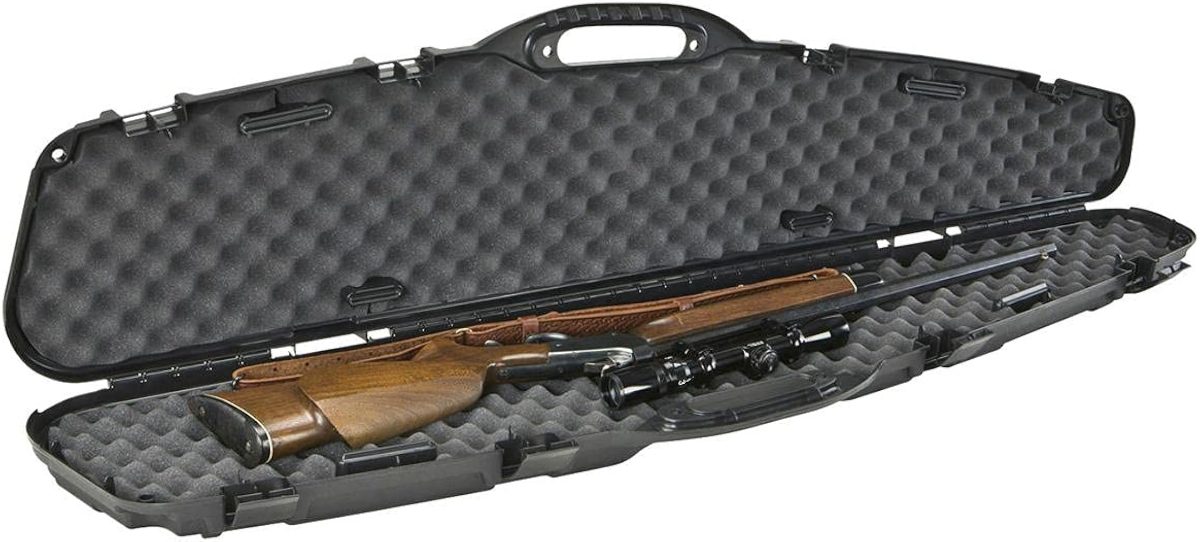
It is the night before opening morning. The truck is half loaded, your rifle is leaning against the garage wall, and a handgun is sitting on the workbench for a range stop on the way home. Where does each one ride? Your hunting partner says Iowa changed the law and you can just toss the rifle on the seat. Your cousin in Minnesota says everything has to be cased, period. A wrong answer can mean a stolen or damaged firearm, a legal problem, or an accident. This article will help you pack a vehicle for hunting or target shooting so the trip is safe, secure and in step with the rules. You will be able to read a summary of the transport rules in Iowa, Nebraska, South Dakota and Minnesota, choose a case and lock that fit your trip, and run a quick check before you pull out of the driveway.
Safe, secure and legal: The three jobs of every trip
Transporting firearms gets easier once you see that every trip has three separate jobs. Safe means nobody can be hurt, and that comes down to the firearm being unloaded. Secure means the firearm cannot be stolen, tampered with or damaged, and that comes down to the case, the lock and where it sits in the vehicle. Legal means you follow the rules of the state you are driving in, and that comes down to knowing how that state wants firearms carried.
A good setup does all three at once, so a gap in any one of them is worth fixing before you leave. The rest of this article takes the jobs in order, starting with the firearm itself.
Key idea: Unloaded, enclosed and locked is the safest and most secure way to move a firearm, and it satisfies the strictest state on most routes. Some states, including Iowa since 2025, no longer require it by law, so treat it as your own standard and then confirm the details for the states you will drive through.
Packing rifles and shotguns: Unloaded, cased and secured
Start with the firearm. Transport rifles and shotguns completely unloaded, with no ammunition in the chamber. A vehicle is full of bumps, tight spaces and passengers, which is exactly the setting where you want no margin for an accidental discharge. The surest way to confirm it is to open the action and look into the chamber and magazine yourself, using the same habits covered in our firearm safety rules for beginners. Engage the safety where applicable as an extra step.
Common mistake: Treating "the safety is on" as if it meant "unloaded." A safety is a mechanical part. Only an empty chamber and magazine, confirmed with your own eyes, make a firearm unloaded.
Next comes the case, and the choice is mostly about what you value. A hard case is like a toolbox, giving maximum protection against impacts and weather. A soft case is like a duffel bag, lighter and easier to handle. Either can do the job as long as it has a secure locking mechanism, because the lock is what turns a carrying bag into a security measure.
Where the case rides is the third decision. The safest spot is the trunk of a car or another locked compartment. If you drive a truck or SUV, use a lockable case or secure the firearm with a heavy-duty cable lock. Either choice reduces the likelihood of theft or unauthorized access, which matters when the vehicle is parked at a gas station or a diner on the way to the field.
Handguns: Locked containers and separate ammunition
Handguns call for a slightly different approach, mainly because state laws may add extra requirements for their transport. Use a portable handgun safe or a lockable case designed for handguns. These are often compact enough to fit under a seat or in the trunk, so choose one that is robust and has a reliable lock.
Then keep the ammunition in a different compartment. That separation meets the legal standards in many regions, and it also reduces the risk of accidental discharge, because a handgun in one place and cartridges in another take a deliberate step to bring together.
What Iowa, Nebraska, South Dakota and Minnesota say about transporting firearms
Each state writes its own rules, so a trip that crosses a state line can mean a different rule on the other side. The table summarizes the main vehicle rules in four states in our area as of 2026. It covers cars and trucks on public roads; snowmobiles, ATVs and off-road vehicles have separate, stricter rules in several states, and shooting from a vehicle is generally illegal everywhere. Laws change often, so always double-check current regulations before traveling.
| State | Firearms in a vehicle | Handguns | Rifles and shotguns for hunting |
|---|---|---|---|
| Iowa | 2025 Iowa Acts ch. 48 (Senate File 106) repealed Iowa Code 483A.36, the old rule that guns in a vehicle on a public road be unloaded and cased | Adults who may lawfully possess a handgun may carry it loaded without a permit (since July 1, 2021) | No longer required by state law to be unloaded and cased in a car or truck; snowmobiles and ATVs still require unloaded and cased, with limited exceptions (Iowa Code 321G.13, 321I.14) |
| Nebraska | No general requirement that firearms in a vehicle be unloaded or cased | Permitless concealed carry for adults 21 and older took effect in 2023; check current rules | A loaded shotgun in or on a vehicle on a highway or roadway is illegal (Nebraska Game and Parks) |
| South Dakota | Loaded, uncased firearms in a vehicle are legal on most roads, according to state press coverage; off-road vehicles and motorcycles require unloaded and fully cased | Permitless carry since 2019 | Shooting from a vehicle is generally illegal, and firearms may not protrude from a vehicle on a highway during hunting seasons |
| Minnesota | Minnesota Statutes 97B.045: unloaded in a fully enclosed case, unloaded in a closed trunk, or a handgun carried under a Minnesota carry permit | Loaded carry requires a permit to carry | An unloaded, uncased long gun may ride in the vehicle while hunting or traveling to a hunting site, except in Anoka, Hennepin and Ramsey counties, cities of 2,500 or more, and on school grounds |
Read the table by rows, because the four states now differ a great deal. Iowa and South Dakota allow far more than Minnesota does, and Nebraska sits in between with its specific loaded-shotgun rule. A trip from western Iowa to a Minnesota deer camp therefore crosses from one of the most permissive rules to one of the strictest. That is why the habit in the last section, unloaded and cased with ammunition separate, is worth keeping even where it is not required: It is legal in every one of these states, it prevents accidents, and it slows down a thief. Rules in this area change often, as Iowa's 2025 change shows, so summaries like this one can lag behind.
For the full picture on licenses, tags and firearm restrictions, read The Legalities of Hunting in Iowa and Neighboring States, and check with the state's wildlife agency or a qualified professional for the latest rules before you go.
Good practice: Before a trip across a state line, look up each state's current transport rule and write it down in one sentence. Keep the note in the same bag as your license.
Choosing cases, locks and accessories that fit your trip
Gear should match the trip you actually take. A truck that sits in a field parking lot all day, a short drive to the range, and a multi-day road trip each ask something different from a case. The table lists the products we recommend and what each is built for.
| Product | Type | Key features | Best fit |
|---|---|---|---|
| Pelican Vault V800 | Rifle and shotgun hard case | Rugged durability, foam padding, dual handles, stainless steel lock hasps | Heavy-duty protection on long trips and in harsh conditions |
| Plano All Weather Rifle/Shotgun Case | Rifle and shotgun case | Weather-resistant design, robust shell, pre-cut foam for a custom fit, heavy-duty latches | Hunters who contend with variable weather |
| Vaultek VT20i Biometric Handgun Safe | Handgun safe | Biometric access, compact design, rugged build quality | Quick, secure entry that keeps the handgun from unauthorized use |
| Nanovault 200 by GunVault | Handgun safe | Budget-friendly, steel construction, reliable combination lock | Safe handgun transport without breaking the bank |
| Master Lock 107DSPT | Cable lock | Durable steel cable with a keyed lock | When a lockable case is not available, or as an extra layer in the vehicle |
| Allen Company Knit Gun Sock | Gun storage bag | Silicone-treated to resist moisture and protect against scratches | Extra protection for rifles and shotguns in soft cases |
The two rifle and shotgun cases are close cousins, so the choice comes down to your conditions. The Pelican Vault V800 is built for punishment, which suits long trips and harsh conditions. The Plano All Weather is built around weather resistance, and its pre-cut foam gives a custom fit, so it suits a hunter who goes out in changing weather. For handguns, the real question is how much you value quick access compared with cost. The Vaultek's biometric entry gets you into the safe quickly and securely, and the Nanovault 200 gives you steel construction and a combination lock at a friendlier budget.
The last two items are layers, not replacements. A cable lock is the answer when you have no lockable case, and an added barrier even when you do. The gun sock adds moisture and scratch protection inside a soft case. Most hunters end up combining a case, a lock and a sock, and our guide to proper gun storage shows how the same thinking carries over to the way you store firearms at home.
Habits that prevent trouble before you leave
Even good gear can be undone by a rushed departure. These five habits cost almost nothing.
- Label your cases. With several firearms, you can find the right one quickly, especially when traveling with a group.
- Travel during the day if you can. Daylight improves visibility and reduces the risk of theft or accidents compared with night driving.
- Maintain your vehicle. A reliable vehicle is less likely to break down and leave your firearms exposed.
- Plan your route. You can avoid high-crime areas or regions with particularly strict firearm transport laws, and it adds peace of mind.
- Double-check your storage. Confirm every firearm is unloaded and every case and lock is fastened.
If you only build one habit, make it the last one. The check is what catches a forgotten round, a latch that did not click or a lock left open, and a few extra minutes can prevent a major problem. Route planning ties back to the legal job, since a planned route is a route whose rules you have looked up. When you arrive, range etiquette for new shooters picks up where this leaves off.
Try this: A ten-minute loading drill
Do this once at home, with the vehicle you actually use, before the trip.
- Choose a firearm, keep the muzzle in a safe direction and your finger off the trigger, open the action and look into the chamber and magazine to confirm it is unloaded.
- Put the ammunition in a separate container or compartment. For a handgun, keep the ammunition in a different compartment from the safe.
- Place the firearm in its case or handgun safe, latch it, lock it and label it if you will carry more than one.
- Put the case where it will ride, whether the trunk, another locked compartment, or a truck or SUV secured with a lockable case or cable lock.
- Walk around the vehicle and look through each window. Notice whether a firearm or case is visible from outside.
- Write one sentence for each state on your route describing what it requires, using current information from the state.
You will know it worked when you can load the vehicle in the same order without hurrying, nothing is visible from outside, and you can say in one sentence what each state on your route requires.
Putting it together
Your hunting partner and your cousin were each describing their own state. Iowa really did drop its unloaded-and-cased rule for cars and trucks in 2025, and Minnesota really does still require it. The wise answer is to pack to the strictest rule on your route and to your own safety standard, which for most trips are the same thing: Every firearm unloaded and verified, long guns cased, handguns in a locked container unless you are lawfully carrying, ammunition separate, nothing visible from outside, and the vehicle locked when you walk away. Then spend five minutes before each trip confirming the current rules for every state you will drive through, because this is an area where the law keeps changing.
Check your understanding
Try answering these before you open the answer. If you can explain it in your own words, you understand it.
1. A hunting partner says, "Iowa repealed the case law, so my rifle is fine loaded behind the seat." What would you tell him?
He is right that Iowa repealed the old unloaded-and-cased rule for cars and trucks in 2025, but legal is not the same as safe. A safety is a mechanical part, not a substitute for unloading, and a loaded rifle in a moving vehicle has no margin for a bump or a careless hand. He will also break the law the moment he crosses into Minnesota, or into Nebraska with a loaded shotgun. Unloaded and cased works everywhere.
2. Your truck has no trunk. How can you still secure a rifle or shotgun?
Use a lockable case, or secure the firearm with a heavy-duty cable lock. Either reduces the likelihood of theft or unauthorized access.
3. Why keep handgun ammunition in a separate compartment from the handgun?
Many state laws call for it, and it also reduces the risk of accidental discharge, since loading the handgun would take a deliberate step.
4. You are driving from Iowa to Minnesota with a handgun and a deer rifle. What changes at the state line, and what should you do before leaving?
Iowa no longer requires long guns in a vehicle to be unloaded and cased, and allows permitless handgun carry. Minnesota requires firearms in a vehicle to be unloaded and fully cased or in a closed trunk, unless you carry the handgun under a Minnesota-recognized permit. Pack the way Minnesota requires before you leave Iowa, and confirm the current rules for both states first.
5. You hunt in changing weather and also take long trips on rough roads. Compare the Pelican Vault V800 and the Plano All Weather, and say how you would choose.
Both are hard rifle and shotgun cases with secure latching. The Pelican is described as heavy-duty protection for long trips and harsh conditions, while the Plano emphasizes weather resistance and pre-cut foam for a custom fit. Pick the one that matches the larger part of your travel.
Where to go next
Since the legal job is the one most worth getting right, start with the legalities of hunting in Iowa and neighboring states, which covers licensing, tags and firearm restrictions beyond transport. Then read proper gun storage, because the firearm spends far more time at home than in the truck. Firearm safety for beginners explains the habits behind every step here, and shooting range etiquette prepares you for the moment you arrive.
Looking for the right gear to transport your firearms safely? Browse our collection of rifle, shotgun, and handgun cases along with top-rated locks and accessories. We tend to order inventory on demand so if you don't see what you're looking for here, send us a text and let us know what you're after.
If you found this informative, we invite you to sign up for email notifications of new blog articles.