
Dove Hunting in Iowa: Rules, Shells, Chokes and How to Hit Them
Joseph McLain Nov 07, 2026
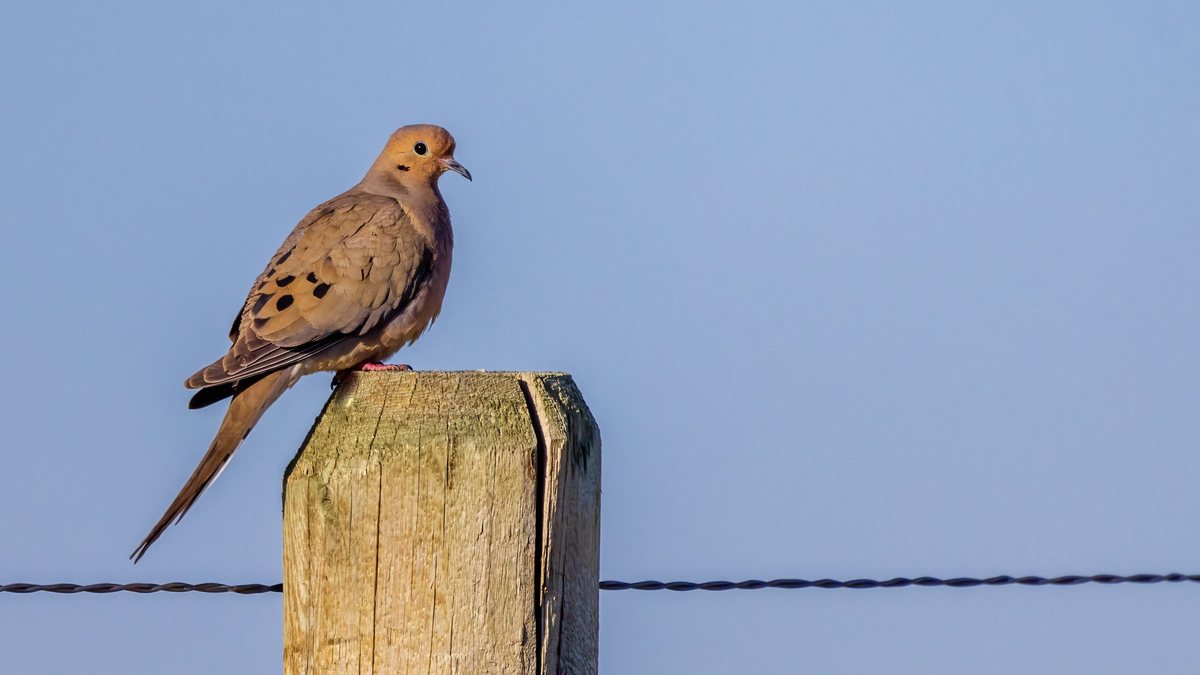
It's the first of September, the heat hasn't broken yet, and you're sitting on a bucket at the edge of a cut sunflower field. A pair of gray birds comes in low, flares, dips and is gone before you get the gun up. Twenty minutes later you've fired a whole box and have three doves to show for it. Welcome to dove hunting.
Before your first hunt you may wonder whether any shell will do because doves are small, whether you need a full choke for high passing birds, and why anyone bothers. Doves are easy to bring down when you hit them, some shots are long, and the answer to why bother is that doves are fast, plentiful and challenging, which makes them some of the best wingshooting practice there is.
By the end you should know Iowa's dove season rules, where to find birds, what gun, shells and choke work best and how to hit a bird that seems to change direction on purpose, so you can plan a legal, safe dove hunt and choose a setup that gives you a fair chance.
The season and the rules
Iowa's mourning dove season opens September 1 each year. For the 2025 season, the Iowa DNR set the season at September 1 through November 29, with shooting hours from one-half hour before sunrise to sunset, a daily bag limit of 15 doves and a possession limit of 45. Seasons and limits are set every year and may have changed since, so check the current Iowa Migratory Game Bird Seasons & Limits and the DNR's mourning dove page before you go.
To hunt doves you need a small game hunting license and the habitat fee, plus Harvest Information Program (HIP) registration every year. HIP is free and quick; you can do it through the Go Outdoors Iowa app or on the Go Outdoors Iowa website. If you have a paper license, write the HIP number on it. Hunter education requirements apply as they do for other hunting.
Because doves are migratory birds, a few federal rules apply. Your shotgun can't be larger than 10 gauge, and it can't hold more than three shells total. If your pump or semi-auto holds more, install the plug that came with it, or a one-piece plug that can't be removed without taking the gun apart. You can't hunt over bait, which means you can't scatter grain to attract doves, though hunting over normal agricultural fields and properly managed food plots is allowed. The rules on baiting are detailed, so read the U.S. Fish and Wildlife Service guidance for dove hunters before you plant or hunt a field.
Key idea: Before your first dove hunt, check three things: license and habitat fee, HIP registration, and a plugged gun that holds no more than three shells.
Lead or nontoxic: It depends on where you hunt
As of 2025, lead shot was legal for dove hunting across most of Iowa. On the state and federal areas Iowa lists as nontoxic-shot areas, which included all public areas in many northern counties and several named areas elsewhere, you had to use nontoxic shot for doves too. Federal Waterfowl Production Areas also required nontoxic shot. Those lists can change, so check them before you go. Our guide to nontoxic shot in Iowa explains which areas are covered and how steel differs from lead.
Many of the DNR's managed dove fields are on public wildlife areas, so check the area before you load up. A box of steel #6 or #7 in the truck saves a wasted trip.
Where to find doves
Doves need three things: food on bare ground, water and a place to perch. They eat small seeds and prefer to pick them off open dirt rather than dig through thick cover. That's why the best dove spots are cut or mowed sunflower fields, harvested small grain fields, burned wheat stubble and freshly worked ground. Farm ponds with bare banks attract birds in the evening, and dead trees and power lines nearby give them a place to land and look around.
The Iowa DNR manages public dove fields on many wildlife areas and posts a list with maps at iowadnr.gov/Doves. Scout a day or two before the opener, ideally in the morning and late afternoon, to see where birds are flying. Fields change from year to year with weather and planting, so last year's hot spot may be quiet this year.
Private land is often better and less crowded. Ask farmers about recently cut fields near water. A polite request, an offer to share some birds and a promise to pick up your empty shells go a long way.
Gun, shells and choke: Keep it light and open
Almost any shotgun works for doves, and the gun you already own is usually fine. A 12 or 20 gauge is common, and many experienced hunters love a 28 gauge. You'll fire more shells in a dove hunt than in almost any other kind of hunting, so a gun that's comfortable to shoot matters. A gas semi-auto or a heavier gun with light loads will keep your shoulder happy. Our article on taming shotgun recoil explains why.
Doves are small and thin-skinned, so you don't need heavy shells. Lead #7 1/2 or #8 is the usual choice. Light target loads of 7/8 to 1 1/8 ounces in 12 gauge, or 7/8 to 1 ounce in 20 gauge, work well and kick less. On nontoxic areas, steel #6 or #7 does the job.
Choke choice depends on the shots you get. Most doves over a field come in at 20 to 35 yards, so improved cylinder or modified is a good place to start. Improved cylinder gives a wider pattern for close, darting birds. Modified gives a little more reach for passing shots. Very tight chokes make it easier to miss at normal distances. If you hunt the same field often and notice your shots are consistently long or short, adjust. Our article on patterning your shotgun shows how to check what your choke and shells actually do.
Good practice: Bring more shells than you think you'll need. Missing doves is normal, even for good shots. Three or four shells per bird is a common average.
How to hit a dove
Doves fly fast, change direction without warning and often show up at awkward angles. Most misses come from a few common causes.
Stay still until it's time
Doves see movement well. Sit with your back against cover, like a fence line or a tree, and wear muted clothing. Keep still until a bird is in range, then move smoothly to mount the gun. If you raise the gun too early, the bird often flares away.
Focus on the bird
Look at the bird's head or the front of the bird, not the barrel. If you look back at the barrel to check alignment, the gun stops and you shoot behind. The same eye-and-gun relationship that matters in trap and skeet matters here, and practicing on clays builds it. Our article on leading the target in skeet explains the lead methods that work on crossing doves too.
Keep swinging
Most dove misses are behind the bird. Swing the gun with the bird, pull the trigger as the muzzle passes in front, and keep the gun moving after the shot. Stopping the swing at the moment you fire is the single most common reason doves fly away.
Pick one bird
When a group of doves comes in, choose one bird and stay with it. Switching between birds usually means missing all of them.
Stay still, focus on the bird, swing through and follow through.
Safety in a crowded field
Opening day on a public dove field can be busy. Hunters are spread around the edges, birds fly low, and everyone is swinging guns at the same targets. That makes zones of fire critical.
Before the hunt, note where everyone is sitting and decide your safe zone of fire. Never swing your gun across another hunter, and never shoot at a low bird when there's a person behind it. Shot falls back to the ground and can sting someone at a distance, so space yourself from other hunters. Wear eye protection; it's especially important on crowded fields where shot can rain down. Keep your gun's muzzle pointed in a safe direction when walking to retrieve birds, and unload when you leave your stand.
Identify your target before you shoot. Killdeer, kestrels and other protected birds can fly in a similar way. If you're unsure, don't shoot.
Common mistake: Swinging on a low crossing bird and following it right past another hunter. Decide your zone of fire before the first bird comes in, and let birds that leave it go.
After the shot: Retrieving and caring for birds
Mark where each bird falls by picking out a landmark like a stalk of sunflower or a clump of weeds. Doves are gray and blend in easily with stubble. Walk directly to the spot and search slowly. A dog helps a lot. Make every effort to recover the birds you shoot, and finish a wounded bird quickly. Our article on hunting ethics explains why a clean, quick kill and full recovery matter.
September in Iowa is warm, so keep birds cool. Put them in shade or a cooler with ice soon after the hunt. Picking up your empty shells is good manners and on public land it's required, since leaving them counts as littering. The DNR specifically asks dove hunters to leave the field cleaner than they found it.
Getting ready for opening day
A little preparation makes the opener smooth and legal. The current season dates, limits and shooting hours are in the Iowa DNR regulations, and HIP registration takes a minute in the Go Outdoors Iowa app. With the shotgun unloaded and the action open, confirm it's plugged to hold no more than three shells, using dummy rounds or the manual, never live ammunition. Find your field on iowadnr.gov/Doves or through a landowner with a recently cut field, and check whether it requires nontoxic shot. A round of skeet or sporting clays with your hunting gun and shells, wearing eye and ear protection and focusing on crossing targets, sharpens your swing. Pack shells, water, a bucket or seat, eye protection and a bag for empty hulls, and you'll arrive with a legal gun, the right shot for that field and a plan for safe shooting.
Putting it together
Dove season opens September 1 (in 2025 it ran through November 29) and offers lots of shooting with simple gear. Get your license, habitat fee and HIP registration, plug your gun to three shells and don't hunt over bait. Check whether your field requires nontoxic shot. Scout for bare ground, water and perches. Use light loads of #7 1/2 or #8 lead, or steel #6 or #7 where needed, through improved cylinder or modified. Stay still, focus on the bird and follow through. Decide your zone of fire before the first shot, mark every downed bird and pick up your empty shells.
Check your understanding
Try answering these before you open the answer. If you can decide what to do and explain why, you have it.
1. Your semi-auto holds five shells. Can you use it for doves?
Yes, but only with a plug installed so it holds no more than three shells total, as required for migratory bird hunting.
2. You're hunting a DNR dove field in Kossuth County. Can you use lead #8s?
No. As of 2025, Kossuth County's state and federal areas were on Iowa's nontoxic-shot list, so you needed nontoxic shot such as steel. Check the current list before you go.
3. You keep missing crossing doves behind. What are the likely causes?
Stopping the swing when you pull the trigger, or looking back at the barrel instead of the bird. Keep your eyes on the bird and follow through.
4. A low dove crosses toward a hunter sitting 60 yards away. What should you do?
Let it go. Never swing or shoot toward another hunter, even at a distance. Stay inside your planned zone of fire.
5. Do you need a federal duck stamp to hunt doves in Iowa?
No. Doves require a small game license, the habitat fee and HIP registration. The federal duck stamp is for waterfowl.
Where to go next
If you'll hunt a public field, read nontoxic shot in Iowa to see whether you need steel. To check your choke and load, see patterning your shotgun. For better wingshooting before the season, skeet shooting tips on leading the target builds the same skills doves demand. And for other upland birds, getting started in upland bird hunting covers pheasants and quail.
If this article helped you, we invite you to sign up for email notifications of new blog articles.