
A Child's First Range Visit: Readiness, Health and What to Teach
Joseph McLain Nov 10, 2026
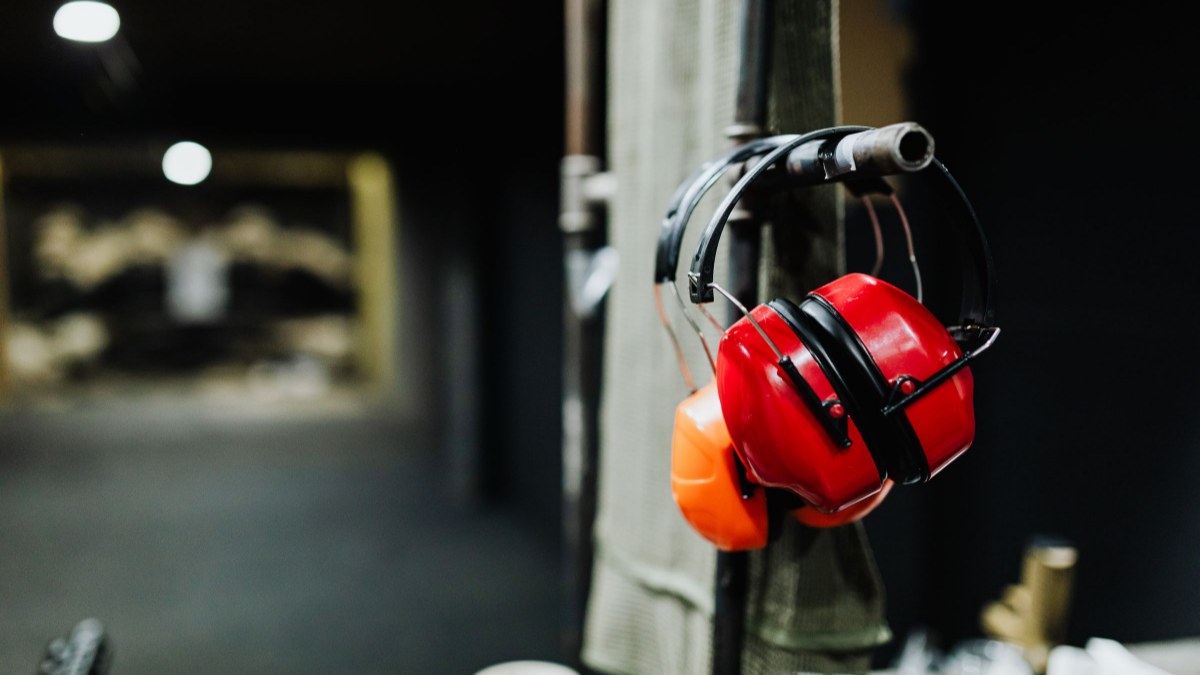
Your daughter has been asking for months to come with you to the range. You'd like to say yes, but you aren't sure she is ready, what a first visit should look like, or whether she should shoot at all.
Plenty of adults learned young and safely under good supervision, and organized youth programs exist because teaching children is its own skill. But age alone doesn't tell you whether a particular child is ready, and noise and lead are real health concerns for small bodies no matter how well a child follows the rules. A good first visit is built around those facts.
By the end you should be able to explain why a successful first visit is measured by what your child learned about safety and judgment, not by whether they pulled a trigger.
Shooting may not belong in the first visit at all
The first decision is whether live fire belongs in the first visit. For many children, the right first experience is watching from a safe, protected spot, meeting the instructor away from the firing line, or learning the rules with pictures and inert training aids. Pulling a trigger is not what makes an introduction successful.
There is no research-based birthday when every child becomes ready to shoot. Professional opinions differ too. The American Academy of Pediatrics advises parents that letting a child take a turn shooting is not a good idea and that teaching gun safety alone is not enough to prevent injuries. Organized programs like 4-H Shooting Sports, on the other hand, teach youth shooting with trained instructors and a structured curriculum. Those positions are not the same, and no one should pretend there is universal agreement on a "safe age."
For families who choose lawful, supervised youth shooting, the useful question is what conditions must be in place first, and what risks remain even when everything is done right. Waiting can disappoint an eager child, while rushing can create fear, bad habits or a health exposure you did not plan for. Decide what your child is ready for, not what the range allows.
Key idea: A range's age rule tells you whether a child is allowed. It does not tell you whether your child is ready, or whether the noise and lead at that range are acceptable for a child.
Eligibility, readiness and health are three separate questions
A law or a range policy may allow a child to participate. That is eligibility. It does not tell you whether this particular child can communicate through earmuffs, stop instantly when told, or stay comfortable in a loud, unfamiliar place. That is readiness. And good behavior does not protect a child from noise and lead in the air and on surfaces. That is health.
Start with Iowa law. Iowa Code section 724.22 allows a parent, guardian or adult spouse to let a minor possess a rifle or shotgun for a lawful purpose, and another adult may do so with the parent's express consent. For pistols and revolvers, a minor may possess one only under direct supervision of a parent, guardian, adult spouse or adult instructor, with the parent's consent. Iowa defines direct supervision as being physically close enough for hands-on instruction, keeping visual and verbal contact at all times, and not being intoxicated or under the influence of an illegal drug. A parent who allows a child under 14 to possess a pistol or revolver is strictly liable for any resulting damages.
Then check the range. Many ranges set their own minimum ages, require a parent on the firing line, or limit what kids may shoot. A parent's permission does not override those rules.
Keeping these three questions apart avoids a common shortcut: "The range allows it, so she must be ready." Confirm the law, then the range's rules, then your child's readiness, then the health precautions, in that order.
Readiness you can actually see
Before a child ever goes near an active firing line, you can learn a lot at home. Can your child understand and repeat short instructions? Stop an activity the moment you ask? Tell you when something is uncomfortable or confusing? Accept correction without arguing or experimenting? You can test all of this with conversation, pictures and purpose-made inert training aids. No real firearm is needed.
Your child also has to genuinely want to go. Enthusiasm should never come from teasing, family pressure or comparison with an older sibling. A child who feels they have to perform is less likely to admit they did not understand, or that they want to stop.
These are practical judgments, not a scientific test. No checklist can promise how a child will react to the surprise of a loud shot. A good youth instructor should make their own assessment and be willing to postpone live fire. Children develop differently, too. Some need a quieter setting, a different way of communicating or more time. A diagnosis does not decide readiness, but a wish to include a child should never override a safety need the setting cannot meet.
If your child cannot reliably stop on command and tell you when they are confused, they are not ready for live fire.
Choose an instructor who teaches children
Being a good shooter and being good at teaching children are different skills. Ask a prospective instructor how much experience they have teaching kids your child's age, what training they have, how supervision will work, and how they decide to stop or postpone a lesson.
National 4-H Shooting Sports is an example of a program with an organized structure, where volunteer instructors are trained and certified in specific disciplines. That kind of structure is worth looking for. But membership in a program does not mean every local session suits every child, so ask about the actual person, place and plan.
For a first live-fire experience, one qualified adult should give that child their full attention. A parent cannot practice, film on a phone, watch a younger sibling and assume someone else is watching, all at once. Iowa's definition of direct supervision for handguns, constant visual and verbal contact within reach for hands-on instruction, is a good standard for any first lesson.
One qualified adult, fully focused on one child, for the whole time a firearm is in that child's hands.
Choose the range before choosing the activity
Call the range before the first visit. Ask whether there are quieter times, whether they offer youth instruction, how they control noise and lead, whether there are handwashing facilities with proper lead-removal soap, and whether there is a place for instruction away from the firing line.
Outdoors does not mean safe from noise or lead. NIOSH, the federal agency that studies workplace safety, has documented lead and noise exposure at outdoor ranges as well as indoor ones, and outdoor ground and benches can be contaminated. At an indoor range, ventilation is engineered equipment, not just whether the room feels airy. A responsible range operator should be able to explain how they control lead. The absence of a visible cloud does not mean the air is clean.
Do not bring a younger sibling to sit in a stroller beside the firing line. A child who is not shooting is still exposed to the noise and to contaminated surfaces, and a toddler's hands go straight to their mouth. If you would have to manage another child's earmuffs and fingers the whole visit, arrange other care or pick a different day.
Pick a range with good lead and noise controls, quiet times and a place to teach away from the line.
Hearing protection has to fit a child
Gunfire produces impulse noise: An extremely brief, intense blast rather than a steady sound. NIOSH recommends double protection, earplugs plus earmuffs, for impulse noise, and stresses that fit matters more than the number printed on the package. Those recommendations were written for adult workers. They give good principles, not a "safe number of shots" for a child.
Adult earmuffs often do not seal on a small head. Hair, glasses, hats and wiggling can break the seal. Earplugs need the right size and an adult to check them. Buy protection made for children's heads, and ask an audiologist or experienced youth instructor to help with fit. NIOSH also notes that the rating on the package often overstates the protection a real person gets, and that consumer noise-cancelling headphones are not hearing protection unless rated as such.
Practice wearing the gear at home, and decide how your child will hear instructions and signal a problem. Electronic earmuffs can help with communication, but they do not fix a poor seal. If your child cannot be both protected and able to communicate, the activity should not go ahead.
Protection has to stay on whenever anyone nearby is shooting, not just when your child is. Never treat ringing or ear pain as something to tough out. Stop the exposure and get medical advice, and treat any sudden hearing loss as a reason for immediate medical evaluation. Air rifles are not automatically quiet either: One acoustic study of ten air rifles found big differences among models and recommended hearing protection.
Earplugs and earmuffs, properly fitted, on before entering and off only after leaving the shooting area.
Common mistake: Loosening earmuffs so a child's glasses fit, or so they can hear you better. A gap under the cushion lets the noise in. Fix the fit with different equipment, or postpone the visit.
Eye protection that works with the earmuffs
Your child and anyone watching in the shooting area need properly fitted protective shooting glasses. The National Shooting Sports Foundation's safety rules call for protective shooting glasses because debris and malfunctions can injure eyes. Ordinary glasses, sunglasses or contacts are not a substitute. A child who wears prescription glasses may need prescription safety glasses or protective glasses that fit over them.
Fit the glasses and earmuffs together before going in. The glasses must stay put without opening a gap under the earmuff cushions. Solving an eye protection problem by loosening hearing protection just trades one risk for another. Our guide to eye and ear protection covers options in more detail.
Test glasses and earmuffs together at home before the range visit.
Lead prevention starts before the snack
Lead is in many primers and bullets, in the residue released when a gun fires, and in dust on range surfaces. It gets into the body by breathing it in or by contaminated hands and objects reaching the mouth. It also travels home on shoes, clothes and gear. A 2017 scientific review of 36 studies on lead exposure at firing ranges found elevated blood lead levels in shooters and identified ventilation and hygiene as key controls. Most of those studies involved adults or repeated shooting, so they cannot predict what one short visit does to one child. That uncertainty is a reason for caution, not a reason to assume the exposure is negligible.
The CDC states that no safe blood lead level in children has been identified, that children with lead exposure often show no obvious symptoms, and that prevention is the goal. If your child shoots regularly, ask your pediatrician whether a blood lead test makes sense.
The practical steps are simple. No food, drinks or gum in the shooting area. Wash hands and face with lead-removal soap, not just hand sanitizer, before any snack. Do not let kids collect brass as souvenirs, sit on the floor or help sweep. Change shoes and clothes after shooting, bag range clothes, and wash them separately. Keep range bags and gear out of the house's living areas. NIOSH notes that plain soap and water do not completely remove lead from skin, which is why lead-removal wipes and soap matter.
Ammunition choices help but do not solve everything. "Jacketed" bullets can still have lead in the primer, and lead-free ammunition does not clean up a range that has been contaminated for years. Wash before eating, change before the car, and keep range clothes and gear separate at home.
Teach control before accuracy
The first lesson should teach where the safe direction is, when handling is allowed, how stop commands work, and what to do when your child is unsure. The instructor should choose the equipment, often a small, light .22 rifle with a single round loaded at a time, and decide whether and how live fire happens. A child should never be expected to handle an unfamiliar problem alone.
Picture a child who hears a command and is not sure what it means. If the adults have praised only hits on the target, she may feel pressure to keep going. If the instructor has said, clearly and warmly, that stopping and asking is always the right answer, she has permission to pause. That pause is a sign of good judgment, not failure.
Explain rules in terms of what they protect. Muzzle direction is not the instructor's preference; it decides what could be hit if the gun fires unexpectedly. A stop command is not a suggestion to finish the shot; it keeps everyone safe around a possible hazard. Our article on firearm safety explains the rules in that spirit.
Children also need one voice. A parent calling out different instructions over the instructor creates confusion, even with good intentions. Agree ahead of time on who teaches, how the parent can raise a concern, and that anyone can call attention to danger. One teacher, one set of directions, and stopping is always allowed.
Good practice: End the first lesson by praising one specific safe decision your child made, such as stopping when unsure or keeping the muzzle downrange while turning to ask a question. Kids repeat what earns praise.
Stop while your child can still learn
A first visit does not need a score, a finished box of ammunition or a minimum time on the line. Those are adult expectations. Stop or change the activity when your child gets overwhelmed, tired, unable to follow directions, unwilling to continue, or unable to keep their protective gear on properly. A child who asks to stop has given you valuable information.
Finish with a quiet conversation away from the range. Ask what they understood, what was confusing, and how they knew when to ask for help. Praise something specific rather than declaring them "safe with guns" after one session.
Then restate the boundary that stays in place at home: Supervised instruction does not mean a child may handle firearms on their own. If they ever find a gun, they leave it alone, move away and tell an adult. And the guns at home still need to be locked up. Iowa law can make it a crime to leave a loaded firearm unsecured where a child under 14 is likely to get it, if the child then displays it unlawfully in public or uses it to hurt someone, as we explain in understanding child access prevention laws. A good lesson builds understanding while leaving every adult responsibility in place.
Leave while your child still wants to come back.
A readiness check at home
You can learn most of what you need to know about readiness at home, with no firearm in the room. Here is how.
- With no firearm anywhere in the room, play a simple game where your child must freeze instantly when you say "Stop," even in the middle of an activity. Try it several times over a few days.
- Have your child put on child-sized earplugs and earmuffs, then practice following hand signals and short spoken instructions through them.
- Add safety glasses and check that the earmuffs still seal without gaps.
- Using a picture or an inert training aid, ask your child to show you which way is the safe direction and explain why it matters.
- Ask your child to tell you, in their own words, what they would do if they felt scared or confused at the range.
Your child is showing readiness when they stop instantly every time, can follow instructions through hearing protection, and tell you without prompting that stopping and asking is always okay.
Putting it together
A child's first range visit begins with three separate questions: What Iowa law and the range allow, whether your child is truly ready, and how you will protect their hearing, eyes and health. It may not include shooting at all. When it does, it should involve a qualified instructor focused on one child, a range with good noise and lead controls, properly fitted double hearing protection and safety glasses, strict hygiene, and a lesson that values stopping and asking above hitting the target. And it ends with the same message every time: Guns at home stay locked, and found guns stay untouched.
Check your understanding
Try answering these before you open the answer. If you can decide what to do and explain why, you have it.
1. A range allows children aged eight and up on the firing line. Your son just turned eight. Does that mean he is ready?
No. The range's rule tells you he is eligible. Readiness depends on whether he can stop on command, follow instructions through hearing protection, and tell you when he is confused or uncomfortable. Health precautions for noise and lead are a separate question again.
2. Under Iowa law, can your 12-year-old shoot a handgun at the range with a family friend who is a certified instructor?
Yes, if you consent and the instructor provides direct supervision. Iowa Code 724.22 allows a minor to possess a pistol while receiving instruction from an adult instructor with the parent's consent, and requires the supervisor to be close enough for hands-on instruction, in constant visual and verbal contact, and not intoxicated. Because the child is under 14, you as the parent are strictly liable for any resulting damages.
3. Your daughter's adult earmuffs keep sliding, so you loosen them so her glasses fit. What is the problem?
A gap under the earmuff cushion lets impulse noise in, which can damage hearing. The fix is child-sized earmuffs and glasses that fit together, plus earplugs underneath. If you cannot get a good fit, postpone the visit.
4. After shooting, your son wants a snack from the cooler and uses hand sanitizer first. Why is that not enough?
Hand sanitizer does not remove lead residue, and even plain soap and water do not remove it completely. Wash hands and face with lead-removal soap or wipes before eating, and keep food out of the shooting area entirely.
5. On your daughter's first visit she fired only five rounds, mostly off the paper, but twice she stopped and asked a question when she wasn't sure. Your brother says the day was a bust. Was it?
No, it went well. Stopping and asking when unsure is exactly the habit that keeps a young shooter safe, and the score on the target doesn't matter on a first visit. If she kept her protective gear on, followed one instructor's directions and wants to come back, the lesson worked. Praise the specific safe choices she made.
Where to go next
You can find D-Lead lead-removal wash on our website for after every range trip, and anything listed there can be ordered if it isn't in stock.
Before any range visit, review the rules of firearm safety together. For the right gear, see our guide to eye and ear protection. To prepare your child for encounters with guns outside your supervision, read teaching children what to do around firearms. And to keep your own guns secured at home, read understanding child access prevention laws.
If this article helped you, we invite you to sign up for email notifications of new blog articles.