
What Are Suppressors and How Do They Work? Technology, Applications, and Best Practices
Joseph McLain Nov 07, 2026
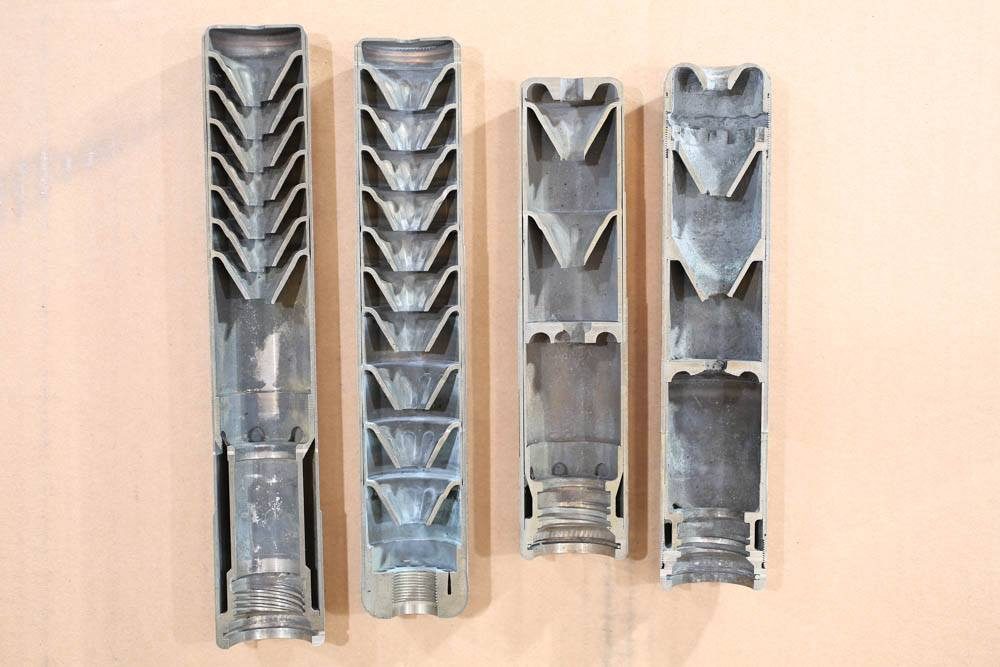
You have probably seen a movie where someone fires a pistol and the only sound is a polite little cough. Now you are thinking about a suppressor for a .22 you enjoy, a deer rifle or a pistol. Will it make shooting hearing-safe, or barely change anything? The answer depends on the gun, the ammunition and the suppressor.
By the end you should be able to explain how a suppressor works, say why some ammunition stays loud no matter what you put on the muzzle, and choose a length, material and mount that fit the way you actually shoot.
How suppressors work: Slowing the gas, not erasing the sound
A gunshot is loud mostly because of what the powder leaves behind. When the cartridge fires, high-pressure gas pushes the bullet down the barrel, and when the bullet leaves, that gas bursts out of the muzzle all at once. That sudden release is the report you hear. Think of a balloon. Pop it and you get a bang. Pinch the neck and let the air out slowly, and you get a hiss. A suppressor is built to turn the bang into something closer to the hiss.
It does this by forcing the gas through a series of barriers and open spaces. Each step slows the gas, spreads it out and cools it, so its velocity and pressure are much lower by the time it leaves the suppressor. These are the parts that do the work.
- Outer tube. The rigid shell that holds everything together. Its length is one of the biggest influences on how quiet the suppressor can be.
- Baffles. Internal barriers that slow, redirect and cool the gas. Modern designs often use conical, mushroom-shaped or cross-sectional baffles shaped for good gas flow.
- Expansion chambers. The spaces between baffles, where the gas can expand and cool further, which lowers its pressure.
- End cap. The final barrier, which controls how the gas is released.
- Mounting system. Direct thread or quick-detach (QD), which attaches the suppressor to the muzzle and affects how easily you remove it and how the firearm balances.
Of these, the baffles and the chambers between them do the real work, and the tube length decides how much room they have. The mounting system matters more to daily life with the suppressor than to the sound itself, and we will come back to it.
Because the gas leaves more gently, most shooters notice two side benefits. The recoil impulse feels softer, which makes quicker follow-up shots easier. And because less unburned powder and gas escapes at the muzzle, there is less visible muzzle flash, which helps in low light.
Key idea: A suppressor manages the gas that leaves the muzzle. It does not make a gunshot silent, and it cannot touch noise that does not come from that gas. The next section shows what that other noise is.
Subsonic or supersonic: Why the bullet's speed limits how quiet you can get
A gunshot has a second noise besides the muzzle report. Sound travels at roughly 1,125 feet per second, a little slower on cold days and a little faster on hot ones. A bullet that flies faster than that is supersonic, and it makes its own sharp crack as it goes, a bit like the snap of a whip. A bullet that stays below that speed is subsonic and makes no crack. A suppressor works on the gas at the muzzle, so it cannot remove a crack that the bullet makes after it leaves.
Picture two shooters with the same suppressor on the same kind of firearm. One shoots a subsonic load and the other shoots a fast supersonic load. The muzzle noise is reduced for both, but only the first gets the full benefit, because the second is still hearing the crack.
| Quality | Subsonic ammunition | Supersonic ammunition |
|---|---|---|
| Speed | Below about 1,125 fps | Above the speed of sound |
| Noise with a suppressor | No sonic crack, so the suppressor can reach maximum noise reduction | Muzzle noise drops significantly, but the sonic boom cannot be eliminated |
| Energy and trajectory | Lower velocity can mean less energy and a more curved trajectory | Typically more kinetic energy and better terminal performance |
| Good fit | Close-range work where quiet matters most, on pistols and rifles | Situations where maximum energy is required |
The table is a trade between quiet and reach. Subsonic loads give you the quietest shot, and the price is a bullet that carries less energy and drops more as the distance grows, which is acceptable up close but limits effective range. Supersonic loads carry more energy, and you accept the crack in exchange. When quiet is the priority and your targets are close, choose subsonic. When you need energy at distance, choose supersonic and expect the crack. Our article on choosing the right ammunition for suppressors goes much deeper on this choice.
One more pairing rule protects your firearm's function. Make sure the suppressor is compatible with the pressure and velocity of the load you choose, because a mismatch can cause cycling problems in a semi-automatic. Check the manufacturer's information for the cartridges your suppressor is built for.
Length, material and mounting: Three trade-offs to weigh
Length
Length comes down to room for the gas. A longer suppressor has more internal volume, so the gas can expand and cool more completely. That gives superior noise reduction and lower muzzle flash. The cost is bulk and weight, which can change how the firearm balances. A shorter suppressor is more compact and lighter, and it keeps the firearm's natural handling, especially on pistols and compact carbines, but with less space for expansion it may not reduce noise as much.
You can feel the balance problem with a hammer. Hold it near the head and it is easy to control. Hold it by the end of the handle and the head wants to swing. Weight added at the muzzle acts the same way. If noise reduction is paramount, as in stealth or tactical work, a longer suppressor may be the better choice. If portability and balance matter more, as with concealed carry or competitive shooting, a shorter one may suit you better.
Material
| Material | Strengths | Trade-offs |
|---|---|---|
| Stainless steel | Durable, corrosion-resistant, robust | Heavier, which can affect balance and handling |
| Titanium | Exceptionally strong, lightweight, corrosion-resistant | Typically more expensive than stainless steel |
| Aluminum | Very lightweight and cost-effective, often used in pistol suppressors | Less robust under high-pressure rifle loads, and may wear faster in heavy-volume use |
Pressure is the dividing line. Rifle loads generally run at higher pressures than pistol loads, so aluminum's light weight is an easy trade on a pistol suppressor but a risk on a hard-working rifle. Between stainless steel and titanium, you are choosing between weight and cost. A hunter who walks all day with a rifle will feel every ounce at the muzzle and may think titanium is worth it, while a shooter who mostly sits at a bench may be happy with the heavier, less expensive steel.
Mounting
A direct thread mount screws onto the barrel threads and is simple and secure. It suits a dedicated setup where the suppressor stays on one firearm. A quick-detach (QD) mount lets you remove the suppressor quickly and move it between firearms, which suits shooters who want flexibility. Either way, the firearm's muzzle has to be set up to accept the mount, which is why some pistols, such as the suppressor-ready versions of the Browning Buck Mark, come with a threaded barrel from the factory.
Muzzle brakes and flash hiders are separate muzzle devices with their own jobs. A brake redirects gas to further reduce recoil, and a flash hider minimizes flash in low light to preserve night vision and reduce glare. A suppressor already softens both recoil and flash, so ask whether you need the extra device before buying it.
Good practice: Decide your use first, then length, then material, then mount. Starting with a brand name makes it easy to end up with the wrong trade-off.
Pistol and rifle suppressors: Why they are built differently
A pistol suppressor is compact and light, designed for calibers like 9mm and .45 ACP and made to sit on a short barrel without wrecking the pistol's balance. Many include a booster mechanism, also called a Nielsen device, which helps a semi-automatic pistol cycle properly with the extra weight at the muzzle. Small size and reduced noise make these a fit for personal defense and training. A 9mm is often paired with subsonic loads for maximum noise reduction, and most standard .45 ACP loads are naturally subsonic, which makes it another strong candidate.
A rifle suppressor is larger and more robust because it handles higher pressures and velocities. The larger body gives the gas more volume to expand and cool in. Rifle suppressors typically use direct thread or QD mounts. They are used with cartridges such as the .308 Winchester and the .350 Legend, where long shooting sessions and harsh conditions call for solid heat management, and they are popular for hunting, long-range shooting and tactical work.
Suppressor examples by caliber and what their features mean in use
These are examples from well-known makers. Treat the features as clues to what each design is meant to solve, not as a ranking.
| Caliber | Suppressor | What the maker designed it to do |
|---|---|---|
| .22 LR | Dead Air Mask 22 HD | Ultra-quiet operation and easy maintenance, for rimfire platforms where noise reduction is critical |
| .22 LR | SilencerCo Sparrow 22 | Compact and lightweight, built to handle the dirtier nature of rimfire ammunition, balancing suppression with ease of cleaning |
| 9mm | Dead Air Wolfman | Modular, with full-length and compact configurations, for both pistols and carbines |
| 9mm | SilencerCo Omega 9K | Lightweight yet durable, for 9mm pistols, with exceptional noise reduction for range practice and self-defense |
| .45 ACP | SilencerCo Omega 45k | A compact, multi-caliber pistol suppressor that keeps added length and weight down on .45 ACP platforms |
| .45 ACP | SilencerCo Osprey 45 | An offset design described as improving sight alignment and reducing muzzle rise |
| .308 Winchester | Dead Air Nomad-Ti | Titanium for strength with low weight, for precision hunting rifles |
| .308 Winchester | SilencerCo Harvester 300 | Engineered for hunting, with robust durability and sound suppression, for precision shooting and big-game hunts |
| .350 Legend | Rugged Surge 7.62 | A modular design for larger calibers with durability and noise reduction |
| .350 Legend | Banish 30 | Multi-caliber capability with a focus on suppression performance |
Notice how the priorities change with the caliber. On the .22 LR the theme is cleaning, because rimfire ammunition is dirty and a suppressor that is hard to clean becomes a chore. On the 9mm the themes are versatility and weight. On the .45 ACP it is sight alignment, since a suppressor adds mass at the front of a pistol. On the .308 and .350 Legend it is durability and handling under harder use. Ask what you need the suppressor to do, and let that point you to the features. The firearm and cartridge also have to be ones the suppressor is rated for, so confirm that with the maker.
Where a suppressor earns its place: Hunting, defense, range and training
On a hunt, a quieter shot may be less likely to spook nearby game in open terrain. Lower recoil also helps you recover faster for an accurate follow-up shot, and reduced flash helps you see in low light. Our guide to hunting deer with suppressors shows how these benefits play out in the field.
For home defense, a quieter shot reduces the risk of hearing damage and makes it easier for the people in a home to talk to one another. Reduced recoil also makes the firearm easier to control under stress. A suppressed shot is still loud, so it does not replace good safe-handling habits or training.
At the range, lower noise means less fatigue over a long session and a more comfortable day for everyone nearby. It also helps beginners. Noise and recoil are two common causes of flinching, so a quieter, softer-shooting setup lets a new shooter think about the fundamentals instead of bracing for the bang. Experienced shooters can also benefit, since minimal muzzle blast and consistent recoil can help them refine technique and hold tight groups. For tactical and law enforcement use, a low sound signature helps teams communicate, and reduced flash helps protect night vision.
Common mistake: Treating a suppressed shot as a quiet one. A suppressor lowers the noise significantly but does not make gunfire silent, and supersonic ammunition still cracks. Wear hearing protection anyway, because even with hearing protection a suppressor lowers the overall acoustic stress. Our article on eye and ear protection explains what to wear.
Living with a suppressor: Maintenance, balance, cost and the rules
Clean your suppressor regularly to remove the carbon and lead buildup, especially with rimfire or high-volume shooting. Periodically inspect the baffles and the mounting threads for wear or corrosion that could affect performance, and make sure the suppressor is securely attached before you shoot. For size and weight, pick a smaller, lighter model for a pistol to keep its balance and handling, and with a rifle make sure the extra length and weight do not change how the rifle handles more than you can live with.
Cost is part of the decision too. High-quality suppressors can be expensive, so match the spending to the use. Competitive shooters and tactical users may invest in premium models, while recreational shooters often do well with mid-range options.
Suppressors are regulated, and the rules differ by state and can change. Federally they remain National Firearms Act items. Congress eliminated the $200 tax on suppressors, and since October 9, 2026, the ATF has said it will not enforce the NFA's approval and registration requirements for them, following a federal court ruling (see ATF's current guidance). That is an enforcement policy, not a repeal, and it could change. In Iowa, suppressors are legal to own and, since 2016, to hunt with. Before you buy, confirm the current federal and state requirements with the relevant agency or a qualified professional.
Planning your suppressor
A suppressor decision follows the same order every time. It starts with the firearm, the caliber and what you'll mostly do with it, such as plinking, hunting or training. The muzzle velocity on your ammunition box, compared with about 1,125 feet per second, tells you whether the load is subsonic or will still crack. Then come length, decided by whether quiet or balance matters more; material, decided by weight, budget and whether the load is a high-pressure rifle round; and mount, decided by whether the suppressor will stay on one firearm or move between several. When every choice has a reason drawn from your own shooting, you are ready to shop.
Putting it together
A suppressor does not make a gunshot hearing-safe or silent, and supersonic ammunition still cracks. But it does lower the muzzle report substantially, softens recoil and reduces flash, which is why hunters, trainers and new shooters value one. Start with how you will use it, check whether your load is subsonic, then choose length, material and mount, and confirm the legal steps before you buy.
Check your understanding
Try answering these before you open the answer. If you can decide what to do and explain why, you have it.
1. A friend puts a suppressor on a rifle and says it is still very loud with his fast factory loads. Why might that be?
A fast factory load is likely supersonic, so the bullet makes a sonic crack that the suppressor cannot remove. A suppressor can only reduce the noise from the gas at the muzzle.
2. You want the quietest result from a 9mm pistol suppressor. What would you do with ammunition, and what would you give up?
Use subsonic ammunition so there is no sonic crack. The cost is less energy and a more curved trajectory, which is fine at close range but limits effective range.
3. A hunter wants a suppressor for a .308 that he will carry all day. What materials and length trade-offs should he think about?
Titanium is strong and light but usually costs more, and stainless steel is durable but heavier. A longer suppressor lowers noise more but adds bulk and affects balance, while a shorter one is lighter and handles better but may be a bit louder.
4. You put a suppressor on your semi-automatic pistol and it starts failing to cycle. What part do many pistol suppressors include to prevent that?
A booster, or Nielsen device. The suppressor's extra weight at the muzzle can keep a tilting-barrel pistol from unlocking and cycling; the booster lets the barrel move as it should, so the pistol cycles properly.
5. Someone says a suppressor means you can skip hearing protection. How would you respond?
A suppressor lowers noise significantly but does not make a gunshot silent, and supersonic rounds still crack. Wearing hearing protection with a suppressor lowers the overall acoustic stress even more.
Where to go next
Start with choosing the right ammunition for suppressors, because the load you pick decides how quiet your setup actually is. If hunting is your goal, hunting with suppressors shows what the benefits look like in the field. If a .22 is your first candidate, general considerations for .22 LR ammunition selection helps you pick loads that run well, and the importance of eye and ear protection covers the gear every suppressor owner should still wear.
If this article helped you, we invite you to sign up for email notifications of new blog articles.