
Ruger LCP vs. LCP Max: Comparing Two Popular Concealed Carry Pistols
Joseph McLain Nov 13, 2026
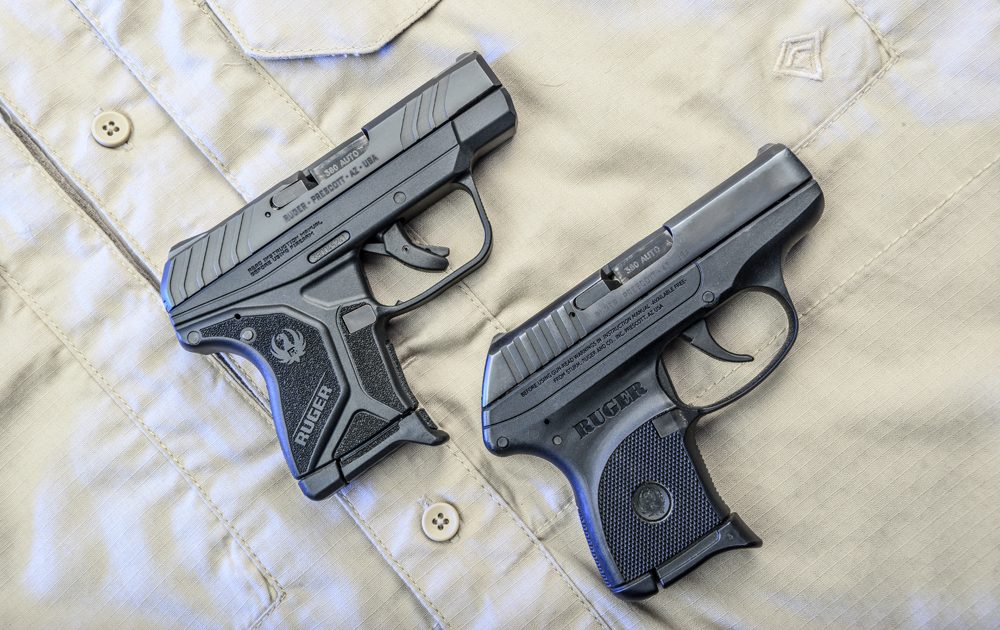
You have decided to carry a small pistol, and the Ruger LCP family is on your short list. The original LCP and the LCP II disappear in a front pocket. The LCP Max holds ten or more rounds in a package only slightly bigger. And the smallest pistols are also the hardest to shoot well. Each of those facts matters, and they pull in different directions.
By the end you should be able to explain how the LCP evolved from one model to the next, why size, capacity, sights and trigger trade against each other, and which model you would actually carry and practice with.
The LCP family at a glance
Ruger introduced the original LCP in 2008 as a very small, very light pistol in .380 ACP, built for pocket carry. The LCP II followed in 2016 with a different trigger, better sights and a reshaped grip. The LCP Max arrived in 2021 with a double-stack magazine that roughly doubled capacity in a package only slightly larger. Capacity is written as magazine rounds plus one in the chamber, so 6+1 means seven rounds total.
| Model | Introduced | Capacity | Trigger and sights | Main idea |
|---|---|---|---|---|
| LCP | 2008 | 6+1 | Long double-action trigger; small fixed sights | Smallest and simplest |
| LCP II | 2016 | 6+1 | Shorter single-action trigger; larger sights | Same size class, easier to shoot |
| LCP Max | 2021 | 10+1; extended magazines hold 12 or 13 | Single-action trigger; tritium front sight | Much more capacity in a slightly larger package |
The table comes down to two decisions. The LCP and LCP II share a size class and a capacity, so choosing between them is mostly about trigger and sights. The LCP Max is the bigger change: It trades a little more size for a lot more capacity and a better low-light sight. Ruger has also offered special finishes and anniversary editions of these models, which the section below covers. Check Ruger's current specifications for exact dimensions, because published widths differ depending on whether they are measured at the slide or across the controls.
Key idea: The LCP and LCP II are the minimalist choices. The LCP Max gives up a little size to gain a lot of capacity and a better sight. Choose by what you will carry and shoot well, not by the smallest number.
Capacity: What six versus ten or twelve means
A single-stack magazine stacks cartridges in one column, which keeps the grip thin. A double-stack magazine staggers them in two columns, which holds far more rounds in only a little more width. That is how the LCP Max fits 10 rounds in its standard magazine where the LCP holds 6.
Capacity is margin. Under stress, people miss more often than they expect, and malfunctions in very small pistols are not unheard of, so more rounds before a reload gives you more room for error. It does not replace skill: Every round you fire is your responsibility, and placing each one where you intend matters more than how many you carry. If the slightly larger Max conceals well on your body and in your clothing, the extra capacity is worth having; if only the smaller pistol will actually be carried, a pistol you carry beats one left at home. For how the .380 ACP compares with other carry calibers, see our personal protection caliber comparison.
Size, weight and grip: Why small differences matter
All three pistols are small and light, roughly 9 1/2 to 11 ounces empty, and under an inch thick. The differences are a fraction of an inch and an ounce or so, but you feel them. Width affects how a pistol prints, or shows its outline, through clothing. Height affects how much grip you get and how well it hides at the waistband. Weight is what you notice after a full day.
Grip size cuts the other way. A very small grip may leave your little finger hanging below the magazine, and a very light pistol moves more in recoil. The slightly larger grip of the LCP Max gives many hands more to hold, which helps control. Think of shoes: A smaller pair packs easier, but the pair that fits is the one you can run in.
Common mistake: Choosing the smallest pistol on paper without holding it. A pistol you can hide but cannot grip securely or shoot well is a poor trade. Let your hand and your clothing both vote.
Trigger and sights: What you feel and see
The original LCP uses a long double-action trigger: Each pull cocks and releases the hammer, so the trigger travels a long way with steady resistance. That long pull is a safety feature in a pocket pistol, but it is harder to press without moving the sights. The LCP II and LCP Max use a shorter single-action style trigger with a blade safety in the trigger face, which most shooters find easier to press smoothly. Our trigger control tips show how to make the most of either.
Sights on very small pistols are small, and the distance between front and rear sight is short, so small alignment errors move the shot more. The LCP II's sights are larger and easier to see than the original's. The LCP Max adds a tritium front sight. Tritium is a mildly radioactive gas sealed in a tiny glass vial that glows without a battery, so in a dim room your eye can find the front sight quickly. If you can only see the sights well in daylight, the Max's sight is a meaningful upgrade.
Small pistols are harder to shoot well
It surprises many new shooters, but the smallest pistols are among the hardest to shoot accurately. A short sight radius magnifies aiming errors, a light pistol recoils sharply even with a modest cartridge like the .380 ACP, and a small grip gives you less to hold. That does not make them poor choices; it means they reward practice.
Plan to practice at realistic distances, often 3 to 7 yards for defensive use, and to fire enough of your chosen defensive ammunition to confirm it feeds reliably in your pistol. Small pistols can be pickier about ammunition than larger ones. Buy the model you are willing to practice with regularly, because skill is what turns a small pistol into a useful one. Our guide to pistol shooting fundamentals covers grip, trigger and sight alignment.
Special editions: Paying for looks
Ruger and distributor groups such as TALO have offered LCP-family pistols with special finishes, colors and commemorative markings, including anniversary editions. These share the mechanics of the standard model they are based on, so they shoot and carry the same. What you pay extra for is appearance and limited availability. Our article on TALO Exclusive firearms explains how these editions come about.
If the look of a special edition makes you more likely to carry and practice with it, it may be worth the premium. If you only want a dependable carry pistol, the standard model does the same job for less.
Carrying it legally and safely in Iowa
Since July 1, 2021, Iowa law has allowed people who are not prohibited from possessing firearms to carry a handgun without a permit, and since July 1, 2025, the minimum age for permitless carry and for an Iowa permit to carry has been 18. Federal law still bars licensed dealers from selling a handgun to anyone under 21. Iowa still issues permits to carry, which can matter for carrying in other states and for purchases. Places where weapons are prohibited still apply, and other states' laws differ, so check the Iowa Department of Public Safety's guidance before you carry and the rules of any state you travel through.
Whatever model you choose, carry it in a holster that fully covers the trigger guard, including in a pocket, and never loose with keys, coins or a phone that could press the trigger. A pocket holster also keeps the pistol oriented the same way every time, so you can draw it consistently.
Testing fit before you buy
Handle the LCP at the same time as the other small pistols shoppers commonly weigh against it, such as the Glock 42, the Smith & Wesson Bodyguard 380 and, in 9mm, the Sig Sauer P365. Compare them the same way you compare the LCP and LCP Max: how the grip fills your hand, whether you can see the sights, and how the trigger feels.
A few minutes with each pistol in your hand settles what the specifications can't. With the chamber and magazine well confirmed empty, the muzzle in a safe direction and your finger outside the trigger guard, take a full grip. All your fingers should have a place to rest, and the web of your hand should sit high on the grip. Raise the pistol and check that you can see the sights clearly and reach the trigger without shifting your hand. Then hold it against the pocket or waistband spot where you plan to carry it and look at how it would show through your usual clothing. The model you can grip securely, see clearly and hide in your own clothes is the one you will carry every day.
Putting it together
The LCP family is one idea refined three times. The original LCP is the smallest and simplest, with a long double-action trigger. The LCP II keeps the size and makes the pistol easier to shoot with a shorter trigger and better sights. The LCP Max adds a double-stack magazine and a tritium front sight in a package only slightly larger. Choose the LCP II if the smallest package matters most and you want a better trigger than the original, and the LCP Max if it conceals well on you and you value capacity and low-light sights. Then practice, because small pistols reward it more than any other.
Check your understanding
Try answering these before you open the answer. If you can decide what to do and explain why, you have it.
1. A friend wants the original LCP because it's the same size as the LCP II and costs a little less. What would you point out before he buys?
They share a size class and 6+1 capacity, but the LCP II has a shorter single-action style trigger and larger sights. The original's long double-action pull is harder to press without moving the sights, so the LCP II is usually easier to shoot well for about the same carry package.
2. How does the LCP Max hold so many more rounds without being much bigger?
It uses a double-stack magazine that staggers cartridges in two columns, adding capacity with only a little more width.
3. You shoot great groups with your full-size 9mm, but your first LCP groups are scattered at 7 yards. What's going on?
Very small pistols are harder to shoot accurately. The short sight radius magnifies small aiming errors, the light weight makes recoil sharper and the small grip gives you less to hold. It isn't a defect; it means the pistol needs regular practice.
4. You often practice at dusk. Which feature of the LCP Max helps, and how?
Its tritium front sight glows without a battery, so you can find it quickly in dim light.
5. You see an anniversary-edition LCP for noticeably more than the standard model. Will it carry or shoot any better?
No. Special editions share the mechanics of the standard model; the premium buys appearance and limited availability. It's worth it only if the look makes you more likely to carry and practice with it.
Where to go next
You can find the Ruger LCP Max, along with LCP magazines, holsters and sights on our website, and anything listed there can be ordered if it isn't in stock.
Because the LCP family is chambered in .380 ACP, start with the personal protection and home defense caliber comparison to see what that cartridge gives and gives up. Then read pistol shooting fundamentals, because small pistols reward good technique, and selecting personal and home defense ammunition to choose what goes in the magazine. If you are still deciding on a first pistol, choosing the right pistols as a beginner explains why a larger pistol is often easier to learn on.
If this article helped you, we invite you to sign up for email notifications of new blog articles.