
Shooting Range Etiquette for New Shooters
Joseph McLain Nov 13, 2026
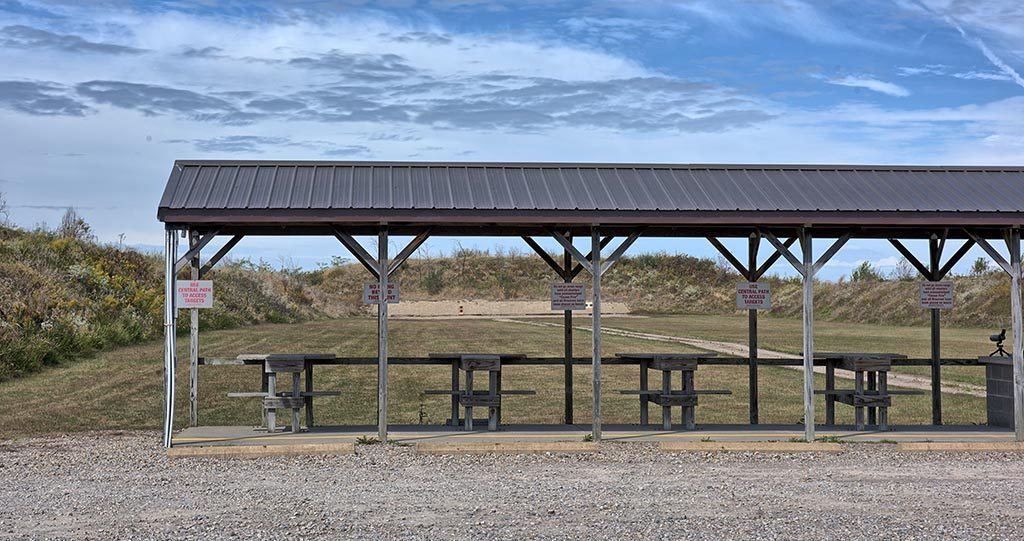
It is your first morning at a public range. You see a line of shooters and a sign full of rules, and you wonder whether you can just copy what everyone else does, whether someone will yell at you no matter what, and whether keeping the muzzle downrange is the only rule that matters.
By the end you should understand why range etiquette exists, what the common range commands mean and what your hands should do when one is called, how indoor, outdoor, staffed and unstaffed ranges differ, and how to change targets, host a guest and handle a malfunction without alarming anyone, so you can walk onto an unfamiliar range, figure out its system and fit in safely.
Etiquette is safety you can see
Range etiquette sounds like good manners, and it is. But nearly every custom exists because it prevents an accident or keeps one person's mistake from becoming everyone's problem. A range puts strangers side by side with loaded firearms, and the only thing that makes that safe is that everyone follows the same habits, so no one has to guess what the person in the next lane will do.
Those habits rest on the four basic rules of firearm safety. Treat every firearm as if it is loaded. Keep your finger off the trigger until your sights are on the target and you have decided to shoot. Never let the muzzle point at anything you are not willing to destroy. Be sure of your target and what is beyond it. At a crowded range, the first and third rules carry the most weight, because together they mean that even if something goes wrong, the muzzle is pointed where no one can be hurt. Our guide to firearm safety for beginners explains each rule.
Key idea: Etiquette is how safety rules look from the next lane. When everyone follows the same habits, no one has to guess what the person beside them will do.
The most useful habit of all is asking. If you are unsure about a rule, ask the range officer or an experienced shooter. Every range has its own variations, and regulars would much rather answer a question than watch someone guess.
Range commands: What the words mean and what your hands do
A range works because everyone understands a few short commands the same way and follows them instantly, with no debate and no "one more shot."
| Command | What it means | What you do |
|---|---|---|
| "Cease fire" | Stop shooting immediately | Finger off the trigger, muzzle downrange, unload, open the action, set the firearm down and step back |
| "The range is cold" | All firearms unloaded and actions open; people may go downrange | Do not touch any firearm until the range is declared hot |
| "The range is hot" | Everyone is back behind the line; firing may resume | Pick up your firearm and load only after the announcement |
The table is a cycle. A cease fire turns a hot range cold, people go downrange, and the range turns hot again only when everyone is back and has confirmed. Each step protects the person who is farthest forward. Anyone who sees a dangerous situation can call "cease fire," and everyone must obey it, even if the caller turns out to be mistaken.
Picture it. You are halfway through a magazine when someone on the end lane calls "cease fire." Your finger leaves the trigger, the muzzle stays downrange, you unload and lock the action open, and you set the firearm down and step back. You do not finish the string, and you do not pick the gun up to "check something." When in doubt about whether the range is cold, keep your hands off your firearm.
Common mistake: Touching a firearm on a cold range, even to move it. Leave it on the bench until the range is declared hot. Many ranges allow you to load magazines behind the line while others are downrange, but the firearm itself stays down.
Indoor ranges: Close neighbors and amplified noise
Indoor ranges are controlled, weather-proof places to practice, usually with pistols and sometimes with rifles. Most of their rules follow from two facts: The walls trap and amplify noise, and your neighbor is only an arm's length away.
Because of the noise, eye and ear protection is required at nearly all indoor ranges, and many shooters wear earplugs under earmuffs. Our article on eye and ear protection explains the choices. Because of the close quarters, the muzzle must stay pointed downrange inside your own lane at all times, which means never turning around with a firearm in your hand and never letting the muzzle drift toward a lane divider. Keep your gear and spent brass inside your lane, keep your voice down, and avoid sudden loud remarks that startle other shooters.
Indoor ranges also restrict what you can shoot. Many prohibit steel-core or tracer ammunition, some limit rifle calibers, and many restrict rapid fire. Most give a short safety briefing at check-in, and each range's version is worth your full attention because it tells you that range's particular rules. Read the posted rules and ask about ammunition before you load.
Outdoor ranges: More room, more responsibility
Outdoor ranges offer longer distances, larger calibers and often shotgun fields, but they hand you responsibilities an indoor range handles for you. Many have separate areas for pistols, rifles and shotguns, so confirm where you belong. You may need to bring your own targets, stands and staplers. Some clubs require membership or a day pass, and weather affects both comfort and safety, so dress for it.
Outdoor ranges also have a natural backstop, usually an earthen berm, that is designed to stop bullets only when you shoot at targets placed in front of it. Shooting at targets placed elsewhere, at angles toward the side berms, or at anything on the ground near the line can send bullets or fragments where they were not designed to go. Place targets where the range intends and shoot only into the backstop.
Watch for wildlife or people in the impact area, and stop shooting if anything appears there. In high wind, make sure targets and frames are secure, and in extreme heat or cold, take breaks; a tired, uncomfortable shooter makes more mistakes.
Changing targets without holding anyone up
The most important outdoor routine is the cease fire for changing targets, especially at a range without staff. It works best as a fixed sequence that everyone follows the same way.
First, call "cease fire" loudly and make sure every shooter on the line heard you. Second, wait while everyone stops, unloads, opens their action and steps back; many ranges require chamber flags, bright plastic inserts that show at a glance that a chamber is empty. Third, confirm that the range is cold with everyone on the line before anyone steps forward. Fourth, go downrange, change targets efficiently and come back. Finally, confirm everyone has returned before anyone calls the range hot.
Courtesy makes the sequence smoother. Have your targets, staples and tape ready before the cease fire so you do not linger downrange while others wait, and if you notice that several people are near the end of their targets, ask whether they would like a cease fire too. Nobody moves forward on an assumption; the range is cold only when everyone has said so.
Safety: Never walk forward because you think the range is cold. Wait until you hear the all-clear from everyone on the line. Safety at a range is everyone's responsibility.
Staffed and unstaffed ranges: Who is in charge?
At a staffed range, a range safety officer has the final word on safety, lane assignments and procedures. Follow their commands promptly, and if you see something unsafe, tell them quietly rather than confronting the shooter yourself.
At an unstaffed range, every shooter shares the job of the range officer. That means following posted procedures, coordinating cease fires with the people around you, and politely pointing out unsafe handling such as a muzzle sweeping the line. It can feel awkward to speak to a stranger, but a calm "Would you mind keeping that pointed downrange?" is part of range etiquette, not a breach of it.
Many unstaffed ranges use flags or lights to show the range status, often a red flag or light for an active, hot range. Colors and meanings are not universal, so read the posted signs and learn that range's system before relying on it. Lock gates behind you and fill out any sign-in sheet as required, because those systems are how clubs keep their ranges open.
Guests, shared firearms and unrequested advice
You are responsible for anyone you bring to the range. Check the guest rules first, then make sure your guest understands the safety rules and the range commands before they handle a firearm. A first-time guest is best kept to a single firearm at a time, with you beside them.
Letting a friend try your firearm is generous, but ask about their experience with that type and caliber, show them how it operates with it unloaded, and stay beside them while they shoot. If someone offers you their firearm, make sure you understand its controls before you take it. When you see a new shooter struggling, ask before offering advice, and leave them alone if an instructor or friend is already helping; unrequested coaching can distract more than it helps.
Ask before taking photos of other shooters, and never use a flash near the firing line, because a sudden flash can startle someone holding a loaded firearm.
Carrying, dressing and handling malfunctions
Bring firearms to the line cased and unloaded, and uncase them only at your bench or lane, with the muzzle pointed downrange. When you need to move a firearm, follow the range's rule for carrying it, and never let the muzzle sweep across other people. For travel to and from the range, see how to safely transport your firearms.
Dress with hot brass in mind. Ejected cases are hot enough to burn, so wear closed-toe shoes and a shirt with a closed collar, and consider a brimmed cap. If hot brass lands in your clothing, keep the muzzle downrange and your finger off the trigger before you react; that moment is when accidents happen.
When a malfunction occurs, keep the muzzle downrange and your finger off the trigger, and slow down. If you hear a click instead of a bang, wait at least 30 seconds before opening the action, in case the round fires late. If a shot sounds or feels noticeably weaker than normal, stop: A bullet may be stuck in the barrel, and firing another round behind it can be dangerous. Unload, lock the action open and check the barrel, or ask the range officer. Never turn around with the firearm in your hands to ask for help; set it down pointed downrange, or raise your hand and wait.
Finally, leave your lane cleaner than you found it. Pick up your brass, targets and boxes, and use the range's bins.
Putting it together
Range etiquette is safety made visible. Keep the muzzle downrange and your finger off the trigger, follow cease fire and cold-range commands instantly, and keep your hands off firearms while anyone is forward of the line. Indoors, respect the close quarters and the ammunition rules; outdoors, shoot only into the backstop and run target changes as a shared sequence. At staffed ranges follow the range officer; at unstaffed ranges, share that job politely. Host guests closely, handle malfunctions slowly, and ask whenever you are unsure. Follow those habits and you will fit in at almost any range.
Check your understanding
Try answering these before you open the answer. If you can decide what to do and explain why, you have it.
1. You hear "cease fire" in the middle of a string. What do you do?
Stop immediately with your finger off the trigger and the muzzle downrange, unload, open the action, set the firearm down and step back. Do not finish the string.
2. During a cold range, your rifle is pointed slightly toward the next lane on the bench. Should you straighten it?
No. While the range is cold, people may be downrange, and everyone on the line is relying on all firearms staying untouched until the range is declared hot. Leave it and mention it to the range officer if it concerns you.
3. At an unstaffed range, someone keeps sweeping the line with a muzzle. What should you do?
Politely ask them to keep the muzzle downrange. At an unstaffed range, every shooter shares the range officer's job.
4. A shot sounds noticeably weaker than the others. Why stop?
A bullet may be stuck in the barrel, and firing another round behind it can be dangerous. Unload and check the barrel or ask the range officer.
5. A friend wants to try your rifle. What should you do first?
Ask about their experience, show them how it operates while unloaded, review the range commands, and stay beside them while they shoot.
Where to go next
Before your first visit, firearm safety for beginners explains the rules behind every range custom, and eye and ear protection helps you choose gear you will be comfortable wearing. Once you are on the line, the fundamentals of shooting help you make good use of your range time, and the .22 LR as a training tool explains why a gentle-recoiling firearm makes a first range day easier.
If this article helped you, we invite you to sign up for email notifications of new blog articles.