
Breaking in a Pistol: Optimizing Performance, Reliability, and Smooth Operation
Joseph McLain Nov 07, 2026
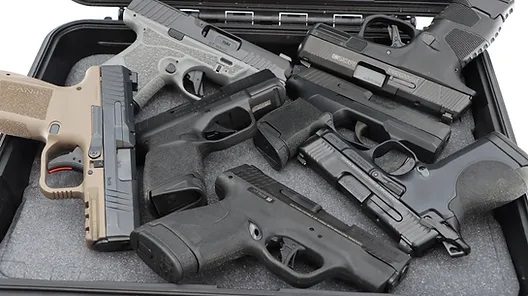
You have just brought home a new pistol. Should you shoot it a lot before you trust it, or does a modern pistol need nothing at all?
By the end you will know what break-in actually does, how to clean and lubricate a new pistol, how to work through your first 200 rounds, and how to read what your pistol is telling you, so you can fix a problem or decide it is ready for the job you bought it for.
Why pistol break-in matters: Parts that settle in together
A new pistol is built from parts that have never worked together. In a semi-automatic, the slide, barrel and recoil spring have to move in precise timing, and the feed ramp has to guide each round into the chamber. Think of a new pair of leather boots. They are stiff until the leather and your feet get used to each other, and a few miles of wear make them comfortable. A pistol's moving parts settle into their working relationships in a similar way, and a break-in routine is a controlled way to let that happen. A smooth trigger pull, reliable feeding and consistent cycling all depend on those parts wearing together gradually.
Skipping the process can show up in three ways.
- Feeding or ejection failures (FTF/FTE). If the slide or feed ramp has not settled, rounds may not seat correctly and spent casings may not eject reliably.
- Uneven wear. Abrupt or heavy loads too early can wear critical parts prematurely, which can lead to malfunctions or a shorter lifespan.
- A gritty trigger pull. Parts that have not worn in smoothly can make the pull feel inconsistent, which hurts both accuracy and your confidence.
Of the three, feeding and ejection matter most, because a pistol that does not cycle is a pistol you cannot rely on, whatever you plan to use it for. The gritty trigger is simply the one you will feel first.
Not every pistol needs the same attention. Many modern pistols, such as Glock models, are engineered to perform reliably right out of the box. Platforms with tighter tolerances (less clearance between parts), such as SIG Sauer, Heckler & Koch or 1911-style handguns, can benefit more from a deliberate break-in because the parts have less room to find their fit. Build quality varies with price, and our guide to out-of-the-box pistol quality shows what to expect. Always read your owner's manual first, since some manufacturers give their own break-in instructions.
Key idea: Break-in does two jobs. It lets the parts wear in together for a smoother trigger, better cycling and a longer life, and it tests your pistol with the ammunition you plan to use, so you learn how it behaves before you depend on it.
Before the first shot: Clean, lubricate and inspect
Break-in starts at the cleaning bench, not the range. New pistols can carry factory residue and protective coatings, and removing them gives the moving parts a consistent starting point.
Safety: Before you disassemble anything, unload the pistol, lock the slide back and check the chamber and magazine well with your eyes and fingers. Then move all ammunition out of your cleaning area. The reasoning behind this habit is covered in Firearm Safety for Beginners.
Disassemble the pistol exactly as the user manual directs. That way you will not miss hidden components or lose small parts, and you can reach the areas that matter most, which are the barrel, slide, feed ramp, extractor and recoil spring. Clean with a quality solvent such as CLP (Clean, Lubricate, Protect), using a bore brush, cleaning rod and patches.
- Barrel and chamber. Keeps debris out of the bullet's path.
- Slide and feed ramp. Smooth, clean surfaces reduce the risk of misfeeds.
- Recoil spring. Removes loose particles that could affect cycling.
The feed ramp deserves extra care because it is where each round makes its first turn toward the chamber, and residue there can impair feeding. A clean pistol also matters because fouling interferes with the delicate balance of moving parts during break-in.
Next comes lubrication, and the goal is a thin, even coat. Apply a high-quality oil to the slide rails, barrel lugs and other moving parts, then wipe away any excess with a lint-free cloth. Think of oiling a bicycle chain. Too little and everything grinds, and too much and it collects dirt. In a pistol, over-lubrication attracts debris and powder residue, while too little oil can cause rough cycling.
The progressive firing sequence: Start light, then add load
There is no single scientific break-in schedule that applies to every pistol, so the first rule is to follow your owner's manual. Some manufacturers, particularly makers of tightly fitted 1911-style pistols, publish a recommended break-in round count; many modern striker-fired pistols call for none. What every new pistol does need is a plan that answers two questions: Does it run reliably with ordinary ammunition, and does it run reliably with the exact ammunition you plan to depend on? Begin with standard-pressure factory full-metal jacket (FMJ) ammunition such as Federal American Eagle, because it is affordable and close to what most pistols are designed around. Use only ammunition in the correct caliber, and never use +P ammunition unless your manual says the pistol is rated for it.
| Phase | Rounds | Ammunition | How to shoot it | Cleaning |
|---|---|---|---|---|
| Function with practice ammunition | About the first 100 to 150 | Standard-pressure factory FMJ | Short strings of 5 rounds at first, then full magazines | As your manual directs; inspect and add oil if parts look dry |
| Function with your chosen load | About 50 to 100 more, or as many as you can afford | The defensive or match ammunition you plan to use | Full magazines, including the last round in each | Clean and lubricate at the end, and before you carry |
The round counts are common trainer guidance, not a rule; your manual comes first. In the first phase, short strings let you watch each shot closely, focusing on a smooth trigger pull and consistent cycling, and they let you spot a problem before you have fired a hundred rounds past it. In the second phase, the point is not to "condition" the pistol to anything. It is to prove that this pistol, with these magazines, feeds, fires and ejects the exact load you will depend on, because defensive hollow points are shaped differently from FMJ and can behave differently on the feed ramp. Shoot every magazine you plan to carry, all the way to empty.
Testing different ammunition and keeping a log
Every pistol is a little different, so do not stop at one load. Some pistols cycle better with heavier bullets (124 to 147 grains) than lighter ones (115 grains). Mix standard and defensive loads, and watch how the pistol handles each. Does one load give a slightly sharper trigger break? Does another make the slide move more smoothly? Over time you learn which ammunition your particular pistol likes, so when you move to defensive or match-grade rounds the pistol is already familiar with the work.
Observations fade fast, so write them down. A break-in log is a hallmark of a careful shooter, and it should include:
- Round count for each phase
- Ammunition (brand, model, bullet weight)
- Group sizes at various distances
- Malfunctions and how they changed
- Temperature, humidity and other conditions
The round count and ammunition entries are the most useful, because they let you connect a malfunction to a cause. After you have collected enough data, look for patterns. If heavier loads consistently give tighter groups or smoother cycling, you may choose them for defensive use. If certain ammunition causes persistent cycling trouble, that is a red flag that more cleaning or other adjustments are needed. Some shooters keep these records in a spreadsheet or on DOPE cards (Data On Previous Engagements), a term borrowed from rifle shooting.
A 200-round break-in with a log
A simple log turns 200 rounds into evidence. After cleaning and lubricating the pistol, set up a page with columns for date, running round count, ammunition, malfunctions, and notes on trigger feel and slide movement. Factory FMJ comes first, in strings of five and then full magazines, with a line after each string about how the trigger and slide felt and which magazine you used. Then the load you plan to depend on goes through every magazine you own, with any failure to feed, fire or eject recorded alongside the load and magazine number. Counting malfunctions by load and by magazine shows the pattern: a problem that follows one magazine is a magazine problem, and one that follows one load is an ammunition match problem. A log in which malfunctions become rarer, and that names the loads your pistol runs best, means the break-in has done its job.
Watching wear and spring performance while it settles in
During break-in, inspect the pistol regularly for signs that the parts are settling into proper alignment.
- Slide rails. Look for smooth, even wear. Gouges or irregularities could indicate excessive friction, and a pistol that shows them deserves a look from the manufacturer or a gunsmith.
- Barrel and feed ramp. Make sure the barrel is clean and the feed ramp is smooth, since a smooth ramp helps prevent misfeeds. Leave any reshaping or polishing of the ramp to a gunsmith.
- Slide lock. If the slide does not lock back on an empty magazine, check the magazine first, then your grip, since a thumb resting on the slide stop is a common cause. If it persists with several magazines and a correct grip, have the pistol checked.
Your lubrication will need fine-tuning as well. Adjust it based on how smoothly the pistol cycles during break-in rounds, remembering that too much oil attracts dirt and too little causes rough cycling. Keep cleaning regularly even if the pistol seems to cycle well, because fouling builds up whether or not you notice it.
When something goes wrong: Troubleshooting a new pistol
Even with a careful break-in, problems can appear. Whenever one does, keep the muzzle pointed in a safe direction, keep your finger off the trigger, and unload the pistol before you inspect it.
| Problem | What you see | What to try |
|---|---|---|
| Failure to feed (FTF) | The slide fails to fully seat the cartridge in the chamber | Make sure the feed ramp is clean and smooth. Try different ammunition, since heavier loads may provide the energy needed to feed completely. Consider pausing break-in to inspect the magazine and spring. |
| Failure to eject (FTE) | Spent casings stay in the chamber or are ejected weakly | Clean the extractor mechanism more often. Check the recoil spring for stiffness or premature wear. If it persists, consult a gunsmith to be sure no components are defective. |
| Gritty or inconsistent trigger | The pull feels scratchy or uneven, so internal parts may not have smoothed out yet | Keep practicing trigger control and follow-through with live fire and safe dry fire. Reassess your lubrication, since adjusting the oil can smooth the trigger. |
The table points to a habit that makes troubleshooting much easier. Change one thing at a time. If you swap ammunition, add oil and replace a spring in one session, you will not know which fix worked. Dry fire means practicing the trigger pull with an unloaded pistol. Do it only after you have unloaded and checked the pistol and moved all ammunition out of the room, and see Trigger Control Tips for what to practice.
Common mistake: Assuming every problem is just break-in. A few early hiccups as parts settle are one thing, but a problem that keeps happening after cleaning, lubrication and trying other ammunition is a signal to stop shooting and have the pistol checked.
After break-in: Keeping the pistol reliable
Once break-in is done, a simple routine protects the performance you worked to build.
- Regular cleaning. Clean after each range session, or after every 300 rounds if you shoot frequently. A bore snake, cleaning rod and appropriate solvent clear residue from the barrel and moving parts, and a light coat of oil on the slide rails and other moving components keeps things running.
- Spring inspection. Check the recoil and magazine springs for wear or fatigue. Many manufacturers suggest replacing recoil springs every 2,000 to 5,000 rounds, depending on usage, so check your manual. Keeping a spare recoil spring on hand is smart if cycling starts to change.
- Storage. Keep the pistol in a cool, dry place to prevent corrosion and protect the springs and internal components. Desiccant packs in your safe or case help control humidity, and periodic inspections catch problems early. Our article on proper gun storage covers securing firearms safely.
Cleaning and springs affect performance the most day to day, while storage protects everything you have invested. A well-broken-in pistol gives you confidence at the range, in competition or for self-defense, and patience and good maintenance will keep it serving you for years.
Putting it together
Many current designs don't need parts to wear in before they run, but trust still has to be earned with your ammunition and your magazines, not assumed from a brand name. So read the manual and do what it says, clean and lightly oil the pistol before the first trip, run enough practice ammunition to learn the gun, then prove the exact load and every magazine you will carry. Keep a log, change one thing at a time when something goes wrong, and if a problem survives cleaning, lubrication and a change of ammunition, stop and have the pistol checked rather than shooting past it.
Check your understanding
Try answering these before you open the answer. If you can decide what to do and explain why, you have it.
1. Why start with standard FMJ and then switch to your defensive load, instead of only shooting one?
Standard FMJ is affordable and close to what the pistol was designed around, so it shows whether the pistol itself runs. The defensive load is shaped differently and must be proven separately, because that is the ammunition you will actually depend on.
2. Your new pistol fails to feed twice in the first 50 rounds. What should you do?
Unload and make the pistol safe, then check that the feed ramp and pistol are clean and properly lubricated, and try different ammunition. Log the round count and the load in use. If it keeps happening, consult a gunsmith.
3. Your new pistol is jamming, so you change ammunition, add oil and swap the recoil spring all at once, and it runs fine. What did you lose?
The answer to what was wrong. Because you changed three things together, you can't tell which one fixed it. Change one variable at a time so you know the cause and can trust the fix.
4. Your slide feels gritty and the pistol is collecting black grime after you oiled it heavily. What happened, and what is the right amount?
Too much oil attracts debris and powder residue, while too little causes rough cycling. The goal is a light, even coat on the points the manual shows, with the excess wiped away.
5. A friend says his Glock needed no break-in, but you have a 1911-style pistol. Should you handle yours differently?
Possibly. Many modern pistols, such as Glocks, are engineered to run reliably out of the box, while tighter-tolerance platforms like 1911-style handguns can benefit more from a deliberate break-in. Either way, follow your manual and test the pistol with your ammunition before you rely on it.
Where to go next
Your first 200 rounds are also a great time to build good habits, so read How to Master Pistol Shooting Fundamentals to make every range trip count. If you are testing defensive ammunition in the second phase, Selecting the Right Personal / Home Defense Ammunition explains how to choose what to test. For the light, affordable rounds of the first phase, Range Ammo: Maximizing Your Range Time helps you pick well.
If this article helped you, we invite you to sign up for email notifications of new blog articles.