
Shooting in Low Light: Using a Handheld Flashlight With Your Handgun
Joseph McLain Nov 07, 2026
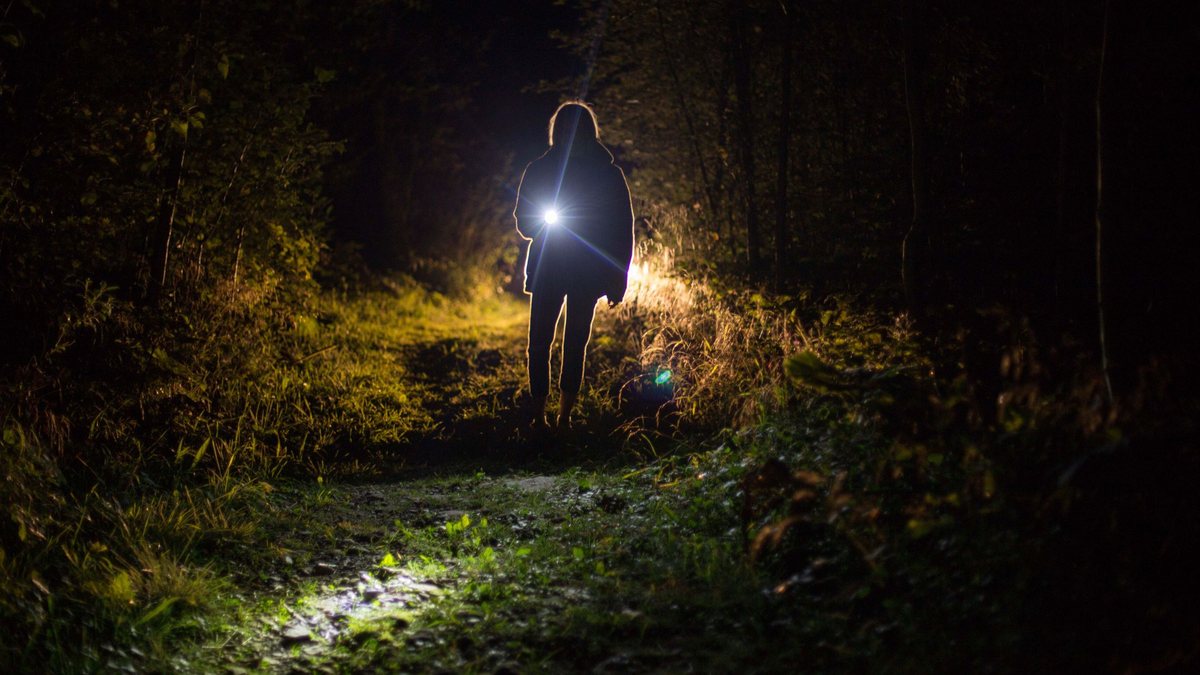
Picture your house at night with every light off. A sound comes from the back door, or you think it does. Your eyes have not adjusted yet, the hallway is a black tunnel and the shape at the end of it could be a coat on a hook, your teenager getting a snack or a stranger. In daylight you would know in an instant. In the dark, you do not know anything yet.
What should you do with light in that moment: turn on every light in the house, keep the lights off and use a flashlight, or rely on a light mounted on the gun? Room lights, handheld lights and weapon-mounted lights all have a place, and knowing when each helps, and when it hurts, is the real skill.
By the end you should understand why darkness changes defensive shooting, why identifying your target comes first, how to use a handheld flashlight with a handgun and how to practice safely, so you can choose a light and a technique that fit your home and your hands, and explain why a light is a tool for seeing before it is a tool for shooting.
Why darkness changes the problem
Many dangerous encounters happen in poor light: At night, in parking lots, in dark hallways, on dim streets. Darkness makes three things harder at once. It is harder to see who someone is, harder to see what is in their hands and harder to see your sights.
Of those three, the first two are the most important. In good light you might recognize a family member instantly. In the dark you may see only a shape and movement. Every defensive decision depends on knowing who and what you are dealing with, and darkness takes that knowledge away. That is why the light comes before the gun in every part of this article.
Your eyes also adapt slowly. Moving from a bright room into darkness can leave you nearly blind for a while, and a sudden bright light can wipe out the night vision you had. Understanding that helps explain why the techniques below emphasize short bursts of light rather than leaving a light on. In low light, your first problem is seeing and identifying, and your shooting skills only matter after that is solved.
Identify before anything else
The most important firearm safety rule in the dark is the same one you learn on the first day: Know your target and what is beyond it. In darkness, following that rule means you must be able to see. Each year there are tragic news stories of people who fired at a shape in their own home and hit a family member coming home late or getting up at night.
This is also why pointing a gun at something to see what it is creates a problem. If the only light you have is mounted on your gun, then every time you light up a person to identify them, you are pointing a firearm at them. That might be your spouse, your child or a neighbor at the wrong door. Our article on weapon-mounted pistol lights covers how to use those lights responsibly, and why many people carry a handheld light as well.
Key idea: A light is first a tool for seeing and identifying. A handheld light lets you search and identify without pointing your gun at everyone you light up.
Legally, this matters too. Iowa law asks whether a reasonable person in your position would have believed force was necessary, as explained in our article on the reasonable person test. A belief formed without being able to see clearly is much harder to defend. Never fire at what you cannot clearly identify, and carry the light that lets you identify without aiming at everything you see.
Choosing a handheld light for defense
Almost any flashlight is better than none, but some features make a light much more useful for defense. Our article on lumens vs. candela explains how brightness is measured and why throw, how far a beam reaches, matters more than a big lumen number for most defensive uses.
- A tail switch. A button on the back end lets you turn the light on and off with your thumb while gripping the light, which most handgun techniques depend on.
- Momentary on. Pressing the button lightly turns the light on only while you hold it, so you can light, look and release.
- Simple operation. A light that comes on at full brightness with one press is easier under stress than one that cycles through modes first.
- A size you will carry. A light that fits your pocket or belt and goes with you every day beats a larger one left at home.
- Dependable power. A light that holds a charge and runs on batteries you keep fresh will be ready when you need it.
Of these, the tail switch and momentary on do the most work, because they make every technique below possible. A light that needs a twist or several clicks forces you to fumble at the worst moment. Choose a pocket-sized light with a tail switch that turns on to full brightness with a single press, and carry it every day.
Using light in short bursts
It feels natural to turn a flashlight on and leave it on. In a defensive situation that can work against you. A steady light shows everyone exactly where you are, and it can wreck your night vision once it bounces off walls and back into your eyes.
Many instructors teach using light in short bursts instead: Light up an area, look, turn the light off and move or reassess. Each burst gives you information while limiting how long you are a bright target. When you do need to see a person clearly, you may keep the light on them, often aimed at the upper body to reveal their hands and affect their vision. The goal is to use the light deliberately rather than leaving it on out of habit.
Bright walls and doorways change the picture. A light aimed at a white wall can bounce back enough to light a whole room, which is useful for seeing but also lights you up. Our guide to home defense planning explains why most plans have you wait in a safe room for police rather than search the house, which reduces how often you need to search with a light at all. Light what you need to see, when you need to see it, and turn the light off when you are done looking.
Handheld light techniques with a handgun
When you need both a light and a gun, your hands have to share the work. Over the years, instructors have developed several ways of holding a flashlight and a handgun together. Each one is a trade-off between steadiness, simplicity and flexibility, and no single technique is best for everyone.
The neck-index or cheek-index technique
The light is held in the support hand with the tail switch pressed by the thumb, and the hand rests against your jaw or cheek. The beam then roughly follows where your eyes look. This technique is simple and helps you see what you are looking at, but you will be shooting with one hand.
The Harries technique
The light is held in the support hand, and the back of the support hand is pressed against the back of the shooting hand under the gun, with the wrists crossed. The pressure between the hands steadies the gun and points the light where the gun points. It is steady but can be tiring, and it only lights where the gun is aimed.
The FBI or high-hold technique
The light is held away from the body, up and out to the side, in the support hand. The idea is that anyone shooting at the light may miss you. It lets you light areas separately from where the gun points, but it is hard to aim the beam well and you are shooting with one hand.
Syringe-style grips
Some lights are designed to be held between two fingers of the support hand, like a syringe, with the switch pressed against the palm. This lets the support hand still wrap around part of the gun. It requires a light shaped for it and some practice.
These are options, not rules. Many shooters learn one primary technique and one simple backup, and most find that whichever they practice most becomes the one they can do under stress. Pick a technique that suits your hands and your light, and practice it until it is natural.
Common mistake: Learning a light technique from a video and never practicing it. Under stress, you will hold the light and gun the way you have practiced, or awkwardly if you have not practiced at all.
Handheld light, weapon light or both
A weapon-mounted light has real advantages: Both hands stay on the gun, the beam always goes where the gun points, and you do not have to coordinate two objects. A handheld light has its own advantages: You can search and identify without pointing a gun, and it is useful in countless ordinary situations when no gun is involved.
That is why many people use both. In the home, a handgun with a weapon light kept in a quick-access safe, together with a handheld light, gives you the steadiness of the weapon light for shooting and the safety of the handheld light for searching and identifying. When carrying, a pocket flashlight goes with you everywhere, whether or not your carry gun has a light. Our guide to handgun sights, night sights and lasers explains how sights that glow in the dark fit into the same picture.
If you have a weapon light, also carry a handheld light, so you never have to point your gun at something just to see what it is.
Practicing safely
Light techniques can be practiced at home without ammunition. Follow the dry practice rules: Unload the gun and magazines, move all ammunition to another room, check twice and face a safe backstop. Then practice turning the light on and off with your chosen technique, bringing the gun up into position and finding your sights in the beam. Our article on practicing your draw covers those home practice rules in detail.
Live-fire practice in low light is valuable, but many ranges do not offer it, and those that do usually require supervision. If you find a low-light class or range session, wear eye and ear protection, follow the range's rules and keep the muzzle downrange at all times. Our guide to choosing firearms training can help you find good instruction.
Good practice: Practice walking through your own home at night with only a flashlight and no gun. You will learn where the light bounces, where shadows hide and which doorways blind you, without any risk.
Build the light skills at home without ammunition, and confirm them with supervised live practice when you can.
Walking your home with a flashlight
Your own house teaches you how light behaves in it, and you can learn it with no firearm involved. With every firearm secured in storage, turn off the lights at night and start where you'd most likely be when you heard a noise. Walking the path to your safe room or gathering point using only short bursts of light, off between each look, shows which walls bounce light back at you, which corners stay dark and where a doorway would light you up. Those observations often suggest simple changes, such as a hallway night-light or a different safe room, and they show you which technique fits your home.
Putting it together
In low light, the problem is seeing before it is shooting. Darkness hides who someone is and what they are holding, so a light is first a tool for identifying. A good handheld light has a tail switch and turns on to full brightness with one press. Using light in short bursts gives you information without leaving you lit up. Several techniques combine a handheld light with a handgun, and the right one is the one you practice. A weapon-mounted light helps when shooting, and a handheld light helps when searching, which is why many people use both.
Most of all, a light protects the people you love from the worst kind of mistake. With it, you can tell the difference between a stranger and your own teenager before you make any decision at all.
Check your understanding
Try answering these before you open the answer. If you can decide what to do and explain why, you have it.
1. At 2 a.m. you see a shape at the end of a dark hallway. Why is identifying it your first problem, before anything else?
Darkness hides who a person is and what they are holding. Every defensive decision depends on knowing that, and acting on a shape you can't identify risks harming a family member or an innocent person.
2. Your only light is mounted on your handgun. What problem does that create when you hear someone in the hallway?
To light the person up and see who they are, you must point your gun at them. That could mean pointing a gun at your spouse or child. A handheld light lets you identify them without aiming at them.
3. In a dark hallway, you light up the doorway ahead and leave the light on while you think. Why do instructors teach short bursts instead?
A light left on shows everyone exactly where you are and can bounce back into your own eyes. Short bursts let you gather information, turn the light off and move or reassess, so you are lit up for less time.
4. You're choosing between two flashlights, one with a twist-on bezel and one with a tail switch. Which works better with a handgun, and why?
The tail switch with momentary-on. It lets you turn the light on and off with your thumb while holding a firm grip, which most handgun light techniques depend on. Twisting or multiple clicks are hard to manage under stress.
5. A friend says he does not need a handheld light because his gun has a light on it. What would you tell him?
The weapon light is good for shooting, but a handheld light lets him search and identify without pointing a gun at anyone. It is also useful in ordinary situations where no gun is involved, so carrying both makes sense.
Where to go next
To choose a light by its real brightness and reach, read lumens vs. candela. To use a light mounted on your gun responsibly, see weapon-mounted pistol lights. For sights that work in the dark, read handgun sights, night sights and lasers. And to build the household plan that limits how often you need to search in the dark, read home defense planning.
If this article helped you, we invite you to sign up for email notifications of new blog articles.