
Inheriting Firearms in Iowa: What to Do With a Loved One's Guns
Joseph McLain Nov 07, 2026
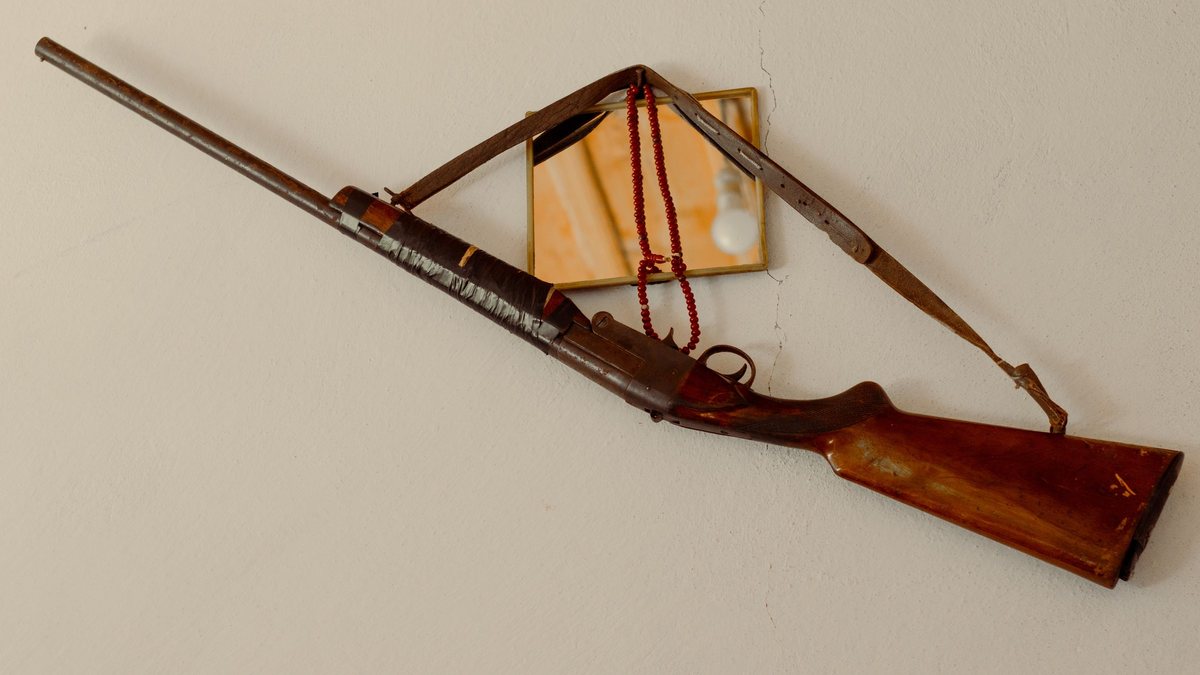
Picture a family gathered at their late father's farmhouse. In the basement is a gun cabinet with a dozen rifles and shotguns, a pistol in the nightstand, and a locked box nobody has a key to. One brother wants Dad's deer rifle. A sister in Colorado wants the shotgun she learned to shoot with. Someone wonders aloud whether one of the guns "might be a machine gun."
Many inherited guns can pass directly to family, some need a dealer, and a few need careful handling that has nothing to do with sentiment. The difference lies in where each heir lives, whether any heir is prohibited, and what kind of firearm it is.
Here is what to do with firearms after a death in Iowa, from securing them to passing them on, selling them and handling the rare items that need special care. This is education, not legal advice, and estates can raise questions only an attorney can answer. By the end you should be able to make a safe, legal plan for a loved one's guns and know when to bring in help.
First, make them safe and secure
Before anyone decides who gets what, the guns need to be found, unloaded if possible, and locked up. Many people keep a loaded gun in a nightstand, a closet or a vehicle, and family members cleaning out a house have been hurt by guns they did not know were loaded.
Treat every gun as loaded. If no one in the family is comfortable checking and unloading a firearm, leave it where it is, keep people away from it, and ask a knowledgeable friend or a dealer to help. Lock the guns in the cabinet or safe if there is one, and keep the keys or combination with the person handling the estate. Remember that an empty house after a funeral is a target for theft, and that guns are among the first things thieves look for.
Good practice: Search the whole house slowly before the family starts sorting. Look under mattresses, in closets, in coat pockets, behind books, in vehicles and in outbuildings. Older owners often kept guns in more places than anyone knew.
Secure first, divide later. A gun that is accounted for and locked up can wait for the paperwork; a gun that is missing or loaded cannot.
Who is in charge of the guns
When someone dies, their property becomes part of their estate, and the person appointed to settle it, the executor named in a will or an administrator appointed by the court, is responsible for it until it is distributed. In federal law, an executor holding firearms as part of an estate is not treated as a dealer and may possess and distribute them as the will or Iowa law directs.
Iowa does not register firearms, so there is no state record to update when a gun changes hands. That makes the estate's own inventory important. If there is a will that names who gets each gun, the executor follows it. If not, the guns pass like other personal property under Iowa's rules for estates without a will. If the guns were held in a trust, the trustee follows the trust document instead.
Let one person, the executor or trustee, control the guns until each one has a legal destination, even if the family agrees informally on who gets what.
Make an inventory
An inventory protects everyone. It shows what the estate held, helps with valuation, and gives each heir a record of what they received. For each firearm, write down the make, model, caliber or gauge, serial number and condition, and take a photo of the whole gun and the serial number. Note where each was found.
Look for paperwork while you are at it. Original boxes, receipts, appraisals and especially any federal paperwork for regulated items, such as an approved ATF Form 4 or Form 5 with a tax stamp, belong with the inventory. A gun with documents is easier to value and to transfer, and for a regulated item, the paperwork is essential.
Think of the inventory as the estate's bill of sale. It takes an afternoon and saves weeks of confusion later. Finish the inventory before any gun leaves the house.
Heirs who live in Iowa
For an heir who lives in Iowa, an inherited rifle, shotgun or handgun can generally go directly from the estate to the heir, with no dealer and no background check required. The heir must be legally allowed to have firearms and must be old enough under Iowa law, which sets 18 as the general limit, with supervised exceptions for younger family members.
A simple written receipt, signed by the executor and the heir and listing each gun's description and serial number, closes the loop. It shows the gun left the estate lawfully and who has it now. If the family is not sure an heir is eligible, a dealer transfer, where the heir completes a Form 4473 and a background check, gives certainty.
An eligible Iowa heir can take the gun directly; when eligibility is in doubt, use a dealer.
Heirs in other states
Federal law usually forbids unlicensed people in different states from transferring guns to each other, but it makes an exception for firearms received by bequest, through a will, or by intestate succession, meaning under the law for estates without a will. That exception lets an executor transfer an inherited gun to an out-of-state heir without a dealer, as long as the heir may lawfully have it in their home state.
The heir's state law is the catch. Some states require a permit, registration or a dealer transfer for any gun coming in, and some ban certain guns or magazines entirely. A sister in Colorado, for example, faces Colorado's own rules, which differ from Iowa's. Shipping is another practical hurdle. Common carriers have their own policies, and many will only ship handguns for licensed dealers.
Common mistake: Assuming that because federal law allows a direct inheritance transfer, the heir's state does too. Before anything ships or crosses the border, the heir should check their own state's law, or have a dealer in their state receive the gun.
Using a dealer at each end is often the simplest answer. An Iowa dealer ships the gun to a dealer in the heir's state, and the heir completes that state's requirements there. When the heir lives elsewhere, let the heir's state decide how the gun arrives.
When an heir cannot legally have a gun
Sometimes the person named in a will is prohibited from having firearms, because of a felony, a domestic violence conviction, a protective order or another reason. Our guide to who cannot legally own a firearm explains the categories. A prohibited heir cannot receive the gun, even by inheritance, and should not hold it even briefly.
The usual solution is for the executor to sell the gun and give the heir the money, or to transfer it to another family member with the heir's agreement. A prohibited heir should not take the gun "just to sell it," and family members should not hold it for him in a place he can reach. The gun goes around a prohibited heir, never through him.
Selling estate guns
Many families do not want every gun. There are four common ways to sell them, and each has its trade-offs.
- Private sale. The executor sells to an Iowa resident directly, with a bill of sale and the same caution any private seller uses.
- Sale to a dealer. Quick and simple, but a dealer has to buy at a price that leaves room to resell.
- Consignment. A dealer sells the gun on the estate's behalf and takes a fee, usually bringing a price closer to retail, but it takes longer.
- Auction. Best for collectible or valuable guns, with buyer competition but auction fees and timing.
Of these, the choice usually comes down to value and patience. A common deer rifle may not justify an auction, while a rare collectible may lose hundreds of dollars in a quick sale. Get a sense of value first, from completed sales of the same model and condition, before deciding. Our article on private gun sales and gifts in Iowa covers the seller's legal duties. Match the selling method to the gun's value and the family's timeline.
Machine guns, suppressors and other regulated items
A small number of estates include items regulated under the National Firearms Act: Machine guns, short-barreled rifles and shotguns, suppressors and other unusual weapons. These need care, because possessing one without proper paperwork can be a serious federal crime.
Machine guns remain fully regulated. A registered machine gun can pass to an heir, but the transfer must be approved by ATF on a tax-exempt Form 5 before the heir takes possession. For suppressors, short-barreled rifles and shotguns, and "any other weapons," Congress eliminated the $200 tax, and since October 9, 2026 the ATF has said it will not enforce its approval and registration requirements for those items (see ATF's current guidance). That is an enforcement policy that could change, state laws still apply, and an heir in another state may face rules of their own, so check the current rules before any transfer.
If you find something you suspect is regulated, such as a gun that fires automatically, a very short barrel or a suppressor, do not move it or try to sell it. Look for the registration paperwork, and ask an attorney who handles firearms law, or contact ATF, before doing anything else. With regulated items, paperwork first, possession second.
Plan ahead for your own guns
All of this is easier when the owner planned for it. A list of your guns with serial numbers, a note about where each is kept, the combination to your safe in a sealed envelope with your will, and a clear statement of who gets what spares your family a hard search and hard decisions.
Some owners use a gun trust, especially for regulated items, so a trustee can manage and pass the guns without probate. Others simply name specific guns in their will. Either way, tell your executor where the guns are and whether any heir might be prohibited. A little uncomfortable planning now saves a lot of uncertainty later.
Putting it together
Go back to the farmhouse. The family should lock up the guns, find the nightstand pistol, and make an inventory before anything leaves. The brother in Iowa can take the deer rifle directly if he is eligible. The sister in Colorado needs to follow Colorado's rules, which likely means a dealer there. The locked box needs a locksmith and a calm look before anyone assumes what is inside, and if something does turn out to be a machine gun, the paperwork decides what happens next.
The order matters more than the details: Secure, inventory, check each heir's eligibility and home state, then distribute or sell, with help for anything regulated.
Check your understanding
Try answering these before you open the answer. If you can decide what to do and explain why, you have it.
1. Your uncle left you his shotgun in his will, and you both live in Iowa. Do you need a dealer or a background check?
Generally no. An eligible Iowa heir can receive an inherited gun directly from the estate. A signed receipt from the executor is still a good idea.
2. Your cousin in another state inherits a handgun. Can the executor just mail it to her?
Federal law allows an inheritance transfer across state lines, but the cousin's state law still applies, and carriers have their own rules for handguns. The safer path is usually a dealer in her state.
3. The will leaves a rifle to a nephew who has a felony conviction. What should the executor do?
The nephew cannot receive or possess the rifle. The executor can sell it and give him the proceeds, or, with his agreement, pass it to an eligible family member.
4. In Grandpa's closet you find what looks like a short-barreled shotgun with no paperwork. What should you do?
Leave it where it is, search for registration paperwork, and talk to a firearms attorney before moving, selling or transferring it. ATF stopped enforcing NFA registration for short-barreled shotguns in October 2026, but that policy could change, state law may still restrict it, and an heir in another state may not be allowed to have it. Get the answer before anyone takes possession.
Where to go next
To check whether an heir can legally receive a gun, read who cannot legally own a firearm. If the family decides to sell, private gun sales and gifts in Iowa explains the seller's duties. For an heir in another state, how an FFL transfer works describes the dealer-to-dealer route. And if inherited guns have sat for years, when a firearm needs a gunsmith tells you what to check before shooting them.
If you would rather not sell inherited guns yourself, we take firearms on consignment, and our FFL Transfers page explains how we handle transfers.
If this article helped you, we invite you to sign up for email notifications of new blog articles.