
Home Defense Planning: Building a Plan Your Household Can Use
Joseph McLain Nov 07, 2026
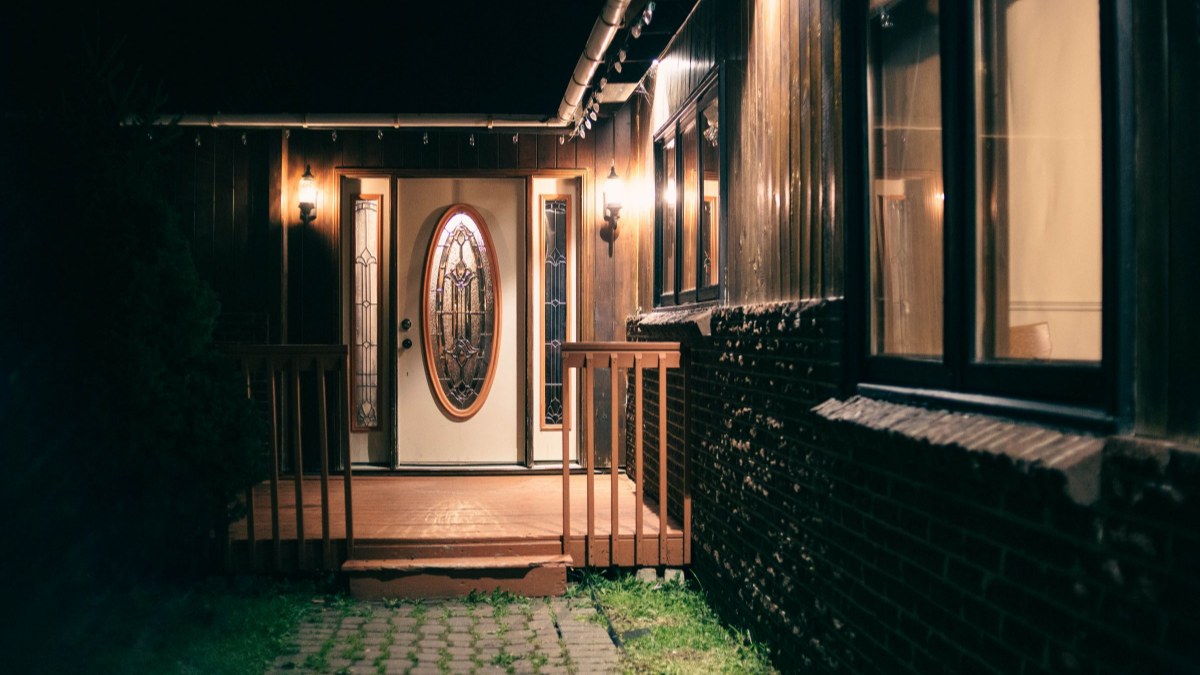
Picture a couple who bought a handgun last spring for protection. It sits in a quick-access safe by the bed, and they feel better prepared than they did a year ago. Then one night at dinner their daughter asks a simple question: If somebody breaks in, what am I supposed to do? The parents look at each other. One says to come to their room. The other says to stay put and lock the door. Neither one has thought about the son who works late at the grocery store and comes in through the back door around midnight.
A gun, an alarm and a locked bedroom door can each matter. But none of them, by itself, tells each person in your house what to do, where to go and who will call for help. That is what a plan does.
What follows is how to build that plan. It is less about hardware and more about people: Who is in the house, where they sleep, how they communicate, and how a plan for an intruder fits alongside a plan for fire. By the end you should be able to sit down with your household, agree on a simple plan for a suspected break-in, and test it without drama to find the gaps before a real emergency does.
Decide what the plan is protecting
Start with the purpose, because it shapes every other choice. A home-defense plan exists to keep the people in your home safe. It does not exist to protect the television, to find out what made that noise, or to catch a burglar. Those are different goals, and on a frightening night they can quietly take over.
Picture two responses to the sound of breaking glass downstairs. In the first, an adult grabs a gun and goes down to see what happened. In the second, the household gathers in a room it chose ahead of time, someone calls 911, and the adult with the gun stays positioned between the door and the family. The first response gets you more information sooner. It also sends one person, alone and half awake, into dark rooms toward an unknown person who knows where you are coming from. The second gives up that information in exchange for distance, walls and time for help to arrive.
Searching your own house for an intruder is one of the most dangerous things a homeowner can choose to do. Owning the house does not tell you who is in it, how many there are, or what they want.
Key idea: Your plan is a people plan. When you catch yourself deciding how to protect property or how to find out what is going on, stop and ask whether that choice makes the people in the house safer or puts one of them at greater risk.
Iowa law also gives homeowners strong protection when an intruder unlawfully enters a dwelling, which our article on castle doctrine in your home explains. Knowing the law matters, but it is a separate question from planning. The best outcome of a break-in is one where no one has to make a legal decision at all, because everyone stayed safe and the police arrived. This is education, not legal advice.
Unless someone in the house needs you to reach them, gather your people, call for help and let the intruder come to you, rather than going to look for them.
Keeping people out and responding when they get in are different jobs
Locks, lights, alarms, cameras and firearms often get discussed as if you had to pick one. They actually do different jobs. A solid door with a good deadbolt slows or stops someone from getting in. Outdoor lighting helps you and your neighbors see what is happening. An alarm tells you something is wrong and may alert a monitoring service. A camera gives you information, within the limits of its view, its connection and whether anyone is watching. A firearm is a last-resort tool for stopping a deadly threat. None of these things tells your family what to do.
The National Crime Prevention Council's home safety guidance stresses ordinary measures such as solid doors, good locks, managing keys and lighting around entrances. Those measures make your home a less inviting target, but they cannot promise that a determined person will never get in, which is why you also need a plan for what happens if they do.
Every device also brings a responsibility. Suppose your camera system sends alerts to one person's phone. What happens when that person is out of town, the phone is silenced at night, or the internet is down? A recording you watch tomorrow does a different job than an alert someone understands tonight. Door codes work the same way. If your garage code has been given to a dog sitter, a contractor and three of your kids' friends, it is not really controlling much.
Secure the ordinary ways in first, know exactly who gets each alert and who has each key or code, and then build a separate plan for what to do if someone gets inside.
Know who belongs in the house tonight
Go back to the son who comes home from the grocery store at midnight. One parent knows he is coming home. The other thinks he is staying with a friend. A noise at the back door now reaches two adults with different information, and only one of them is likely to guess the right answer. No camera or lock fixes that gap. Only communication does.
Homes are busy places. Work shifts change, guests stay over, grandchildren visit, and teenagers come home late or slip out. A simple habit closes most of the gap: When anyone's plans change, they send a message to the household, and adults always know who is sleeping where. It does not mean family members need permission to move around. It means that nobody in your house should ever be a surprise to the person holding the gun.
This is the heart of target identification. You must know what you are shooting at before you shoot, and in a dark house that means seeing a person and what is in their hands, not reacting to a sound or a shape. A flashlight or weapon-mounted light helps, which we explain in our article on weapon-mounted lights. Iowa's presumption that a person is reasonable in using deadly force against someone unlawfully entering a home, at Iowa Code 704.2A, specifically does not apply when the person entering has a right to be there or lives there. A household member coming home late is exactly that person.
Common mistake: Assuming that anyone unexpected must be hostile. A visitor at the wrong door, a confused elderly neighbor or a family member coming home early is unexpected but not dangerous. Being surprised is a reason to gather information safely, not a reason to shoot.
Everyone shares changed plans, adults always know who is in the house, and no one fires at anything they have not clearly identified.
Choose your safe room by what it can do
Many families pick the main bedroom as the gathering place and stop there. A room's name does not make it a good choice. Think instead about what the room has to do. Can everyone reach it without moving toward the most likely danger? Does it have a door that closes and locks? Is there a phone there, or will you count on finding your cell phone in the dark? Can someone who uses a walker or wheelchair get there? Is there a second way out if the hallway is blocked?
Picture a house with the parents' room on one end and the kids' rooms on the other, with the kitchen and back door in between. "Everyone comes to our room" sends the children straight across the area where an intruder is most likely to be. For that family, it may be better for the children to lock their own door and stay put while one parent goes to them, or for the safe room to be the one nearest the children. There is no single right answer. There is only the answer that fits your floor plan and your people.
A locked interior door is valuable. It adds a barrier, buys time and gives you a clear line: Anyone who forces that door after you have warned them and called the police has shown serious intent. But be honest about its limits. Ordinary interior doors and walls do not stop bullets, in either direction. That matters for your own shooting as much as anyone else's, since a round fired through a wall can reach a child's bedroom.
Keep a few things in the safe room: A phone or charger, a flashlight, your secured firearm if that is part of your plan, and perhaps a basic trauma kit. Our article on medical preparedness covers what belongs in it.
Choose the gathering place by reachability, a lockable door, a phone and a second way out, and make sure no one has to cross the danger zone to get there.
Do not trade fire safety for security
Here is where many home-defense plans quietly fail. Security measures can make a fire more dangerous. Extra locks, window bars, furniture pushed against doors and windows painted shut can all trap people inside. Fire is also a far more common household emergency than a violent home invasion, so a security plan that makes fire escape harder may increase your overall risk.
Fire moves fast. The Massachusetts Department of Fire Services' home escape planning guide, which follows national fire-safety guidance, warns that a home fire can become deadly in three minutes or less. It recommends two ways out of every room where possible, an outdoor meeting place a safe distance from the house, practicing the plan at least twice a year by day and at night, and making sure window bars and child window guards have quick-release mechanisms that open from inside.
That leads to an important teaching point. A child who has learned only "go to Mom and Dad's room" may do exactly that when the smoke alarm sounds, which could be the wrong move. Your household needs two different instructions, and the children need to understand why they are different. For a suspected intruder, the plan is usually to gather inside and call for help. For fire, the plan is to get out by the nearest safe route and meet outside. The alarm sound itself can help: The smoke alarm means get out.
Never add a security measure that blocks an escape route, and teach the household one plan for an intruder and a different plan for fire.
Name who calls, and practice what they will say
"Someone will call 911" is a plan for nobody. Assign the call to a specific person, usually the adult who is not handling the gun or gathering the children, and name a backup in case that person is away. Make sure older children know how to call and what to say if no adult can.
Dispatchers need four things: Where you are, what is happening, whether anyone is hurt, and anything responders should know about hazards. In rural Iowa, "where you are" can be harder than it sounds. A long gravel lane, a shared driveway or a house number that cannot be seen from the road can all slow down a deputy at night. Make sure your house number is visible from the road, and know how to describe how to find your home from the nearest crossroads.
Tell the dispatcher what you actually know, not what you fear. "We heard glass break downstairs, all four of us are locked in the upstairs north bedroom, and I have a handgun" is far more useful than a guess about how many people are in the house. Telling the dispatcher you are armed and where you are helps officers understand what they will find.
When officers arrive, they do not know who you are. They are walking into a house where someone may have a gun. Do not go to meet them with a firearm in your hand. Follow the dispatcher's instructions, which often include putting the gun down before officers reach you, staying where you are, and showing your empty hands. Our article on what to do after defensive force covers that moment in more detail.
Good practice: Practice the 911 call at the kitchen table without dialing. Have each person describe your address, how to find the house and what is happening, as if they were on the phone. Listen for missing details, and repeat until even a nervous teenager can do it in thirty seconds.
Assign the call, name a backup, make your house easy to find, and plan to set the gun down before the police arrive.
Storage that works on an ordinary night
A home-defense firearm has to meet two needs that pull against each other. You want to reach it quickly, and you must keep everyone else from reaching it. The CDC's firearm injury prevention page is clear that putting a firearm out of sight or out of reach is not safe storage, and it points to the established recommendation of storing firearms unloaded and locked, with ammunition secured separately. Iowa law adds consequences: Under Iowa Code 724.22(6), leaving a loaded firearm without a trigger lock, a locked container or other reasonably secure storage, where you know or have reason to believe a child under 14 is likely to get it, is a serious misdemeanor if the child does get it and then displays it unlawfully in public or uses it to injure or kill someone. The crime requires that chain of events, but the danger begins the moment the gun is left unsecured.
For a gun kept ready at night, a quick-access safe opened with a keypad, a mechanical code or a fingerprint is the usual answer. It keeps the gun locked against children, guests and burglars, while still letting you open it in seconds in the dark. Practice opening it with the lights off until your hands know the code.
Remember the moments around an emergency, not just the emergency itself. A plan that ends with a gun left on the nightstand, a safe left open, or a pistol set down on the kitchen counter while you talk to police has created a new risk. Visiting grandchildren, a teenager having a hard time, or a guest who has been drinking all change who might reach an unsecured gun. Our guides to gun storage and to why hiding is not storage go deeper.
Keep the home-defense gun in a quick-access safe, practice opening it in the dark, and lock it back up as soon as the emergency is over.
Practice the decisions, not a simulated attack
The best practice for a household plan happens at the kitchen table, not in a dark hallway. Describe a situation, such as a noise at the back door, the smoke alarm at 2 a.m., or a stranger knocking late at night. Ask each person what they think is happening and what they would do. Then change one thing: Dad is out of town, the hallway is blocked, the phone is downstairs, or Grandma is staying in the guest room.
You are looking for contradictions. If one parent plans to gather everyone in the bedroom while the other plans to go downstairs, you have found the gap you were looking for, and it cost you nothing. If a child cannot explain where to meet after a fire, simplify the instruction and try again next week.
After the table talk, do a calm walk-through. Walk each route, check that doors lock and windows open, and make sure everyone can find the flashlight and phone in the safe room. Do not stage surprise break-ins, use fake gunfire, or involve real firearms. Scaring the kids does not teach them anything useful. A child who can calmly explain the plan has learned far more.
Practice at the table, walk the routes calmly, and review the plan whenever your household changes.
Putting it together
Go back to that family at the dinner table. Over the next week, they agree that the son will text the house when he is on his way home, and that the adults always know who is sleeping where. Because the kids' rooms are at the far end of the house, the children will lock their door and stay put while one parent goes to them and the other calls 911 from the bedroom phone. They check that every bedroom window opens, they choose the big maple by the mailbox as the fire meeting place, and they make sure their house number can be seen from the road. The handgun stays in its quick-access safe, and both parents practice opening it with the lights off.
Their plan is short enough to explain in two minutes, and every person in the house knows their part. The gun is still there, but it is now one part of a plan rather than the whole plan.
Check your understanding
Try answering these before you open the answer. If you can decide what to do and explain why, you have it.
1. You hear glass break downstairs at 2 a.m. and all your family members are upstairs with you. Should you go downstairs to check?
Usually not. Going to search exposes you to an unknown person who may know you are coming, and it gives up the safety of walls, a locked door and time for help to arrive. Gather your family in your chosen room, call 911, and stay ready to defend that room if someone forces their way in.
2. Your children sleep at the far end of the house, past the kitchen and back door, and your plan says everyone comes to your bedroom if there's a break-in. What's wrong with that, and what might work better?
It sends the children across the area where an intruder is most likely to be. For that house, it may be better for the children to lock their door and stay put while one parent goes to them and the other calls 911. A good gathering place is chosen by how safely everyone can reach it, whether it locks, whether it has a phone and whether there is a second way out.
3. A figure appears at the end of the dark hallway. Iowa law presumes a person is reasonable in using deadly force against an unlawful intruder. Does that settle the question?
No. You must first identify who it is and what they are doing. Iowa's presumption in Code 704.2A does not apply to someone who has a right to be there or lives there, such as a family member coming home late. Use a light, identify the person and their hands, and never fire at a sound or a shape.
4. Your security plan includes bars on the ground-floor windows. What must you check?
That the bars have quick-release mechanisms that open from inside and that every member of the household can operate them. Fire safety guidance warns that a home fire can turn deadly in three minutes or less, so a security measure that blocks escape can make your home more dangerous overall.
5. Police arrive after your 911 call while you are still holding your handgun in the bedroom. What should you do?
Follow the dispatcher's instructions. That usually means putting the gun down before officers reach you, staying where you are and showing your empty hands. Officers do not know who you are, and meeting them with a gun in your hand creates a dangerous misunderstanding.
Where to go next
For what Iowa law says about using force against an intruder in your home, read castle doctrine in your home. To choose and use a light for identifying a target in the dark, see weapon-mounted lights. For storing a home-defense firearm so it is ready for you and locked against everyone else, read our guide to gun storage. And for staying in touch with family when you are not all under one roof, see building a family emergency plan.
If this article helped you, we invite you to sign up for email notifications of new blog articles.