
Handgun, Shotgun or Carbine for Home Defense: Choosing for Your Household
Joseph McLain Nov 07, 2026
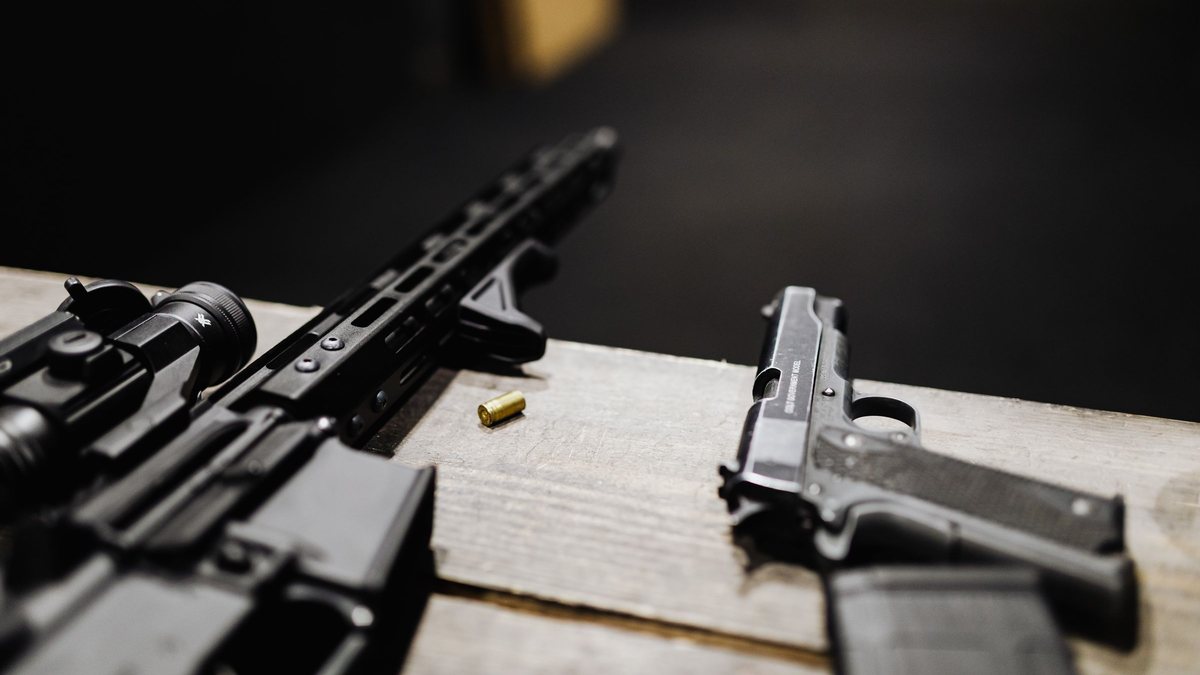
Picture a quiet house at two in the morning. A noise downstairs wakes you, and you are not sure what it was. In that moment you will not have time to think about what gun you should have bought. You will reach for whatever you prepared, in the dark, with your heart pounding and your family asleep down the hall.
What should that be? A pump shotgun, whose racking sound is supposed to scare anyone off? A short rifle like an AR-15, which is easier to shoot well and safer for the neighbors than many expect? Or simply the handgun you already carry? Any of the three can protect a home, and each brings its own strengths and problems.
Comparing handguns, shotguns and carbines on what actually matters inside a house, how easy they are to shoot well under stress, how they handle in tight spaces, what happens when a shot misses or passes through, how you store them and who in the household can use them, points to an answer. By the end you should be able to choose the home defense firearm that fits your home and family, and explain what you accepted to get it.
Start with the house, not the gun
Home defense firearms are often debated as if every home were the same. They are not. A farmhouse on an acre outside town, a duplex with a shared wall and a second-floor apartment with neighbors above and below all call for different thinking.
Before you compare guns, answer a few questions about your home. How many people live there, and where do they sleep? Are there children, and how old are they? Do you share walls with neighbors? How long are your hallways, and how tight are the corners? Where would you wait for police while guarding your family? Our guide to home defense planning walks through these questions in detail, and it is worth reading before you buy anything.
The answers shape the decision. Close neighbors make what happens to a missed shot more important. Small children make storage and access a bigger part of the choice. Several adults who might need the gun make simplicity more important. Describe your house and household first, and let that description narrow the choice.
What a home defense firearm has to do
Inside a home, a firearm has a specific job. In most home defense plans, the goal is not to go searching through the house. It is to gather your family in one place, call 911 and be ready to stop a threat if someone forces their way to you. That shapes what you need.
- Be easy to hit with under stress. Your accuracy will be worse in the dark with adrenaline pumping, so the gun should help you hit what you intend.
- Handle well in tight spaces. Hallways, doorways and bedrooms leave little room for a long gun to swing.
- Limit the danger of misses. Every shot that misses or passes through travels on toward walls, rooms and neighbors.
- Be ready and secured. The gun must be quickly available to you and locked away from children and unauthorized people.
- Be usable by the right people. Any adult who might need it should be trained and comfortable with it.
Of these, being easy to hit with and limiting the danger of misses work together, because the best way to protect the people behind the walls is to hit the target. That point comes up again and again below. Judge each option by how well it helps you place shots accurately, quickly and safely inside your actual home.
The handgun: Always within reach
The biggest advantage of a handgun is that it is small. It can be stored in a quick-access safe by the bed, carried on your body as you move through the house, and held in one hand while the other holds a phone, opens a door or guides a child. If you already carry a handgun, you may already practice with it often, which counts for a great deal.
The handgun's weakness is that it is the hardest of the three to shoot well. It has only one or two points of contact with your body, a short sight radius and less weight to absorb recoil. Under stress, many people shoot handguns much worse than they do at a calm range. Handgun cartridges are also generally less effective at stopping a determined attacker than shotgun or rifle loads, which is why caliber and ammunition selection matter. Our caliber comparison and our guide to defensive ammunition cover those choices.
Adding a weapon-mounted light helps a great deal at night, because you must identify what you are pointing at before you ever fire. Our article on weapon-mounted pistol lights explains how to use one safely. Choose a handgun when keeping a hand free, moving with the gun and fast access from a bedside safe matter most, and be ready to practice more to shoot it well.
The shotgun: Powerful, but not magic
The pump-action or semi-automatic 12- or 20-gauge shotgun is the traditional home defense gun, and it earned that reputation. With buckshot, it delivers a great deal of energy with each shot, and its long sight plane and shoulder stock make it easier to aim than a handgun.
It also carries some myths. One is that you do not need to aim because the shot spreads. At typical indoor distances, a load of buckshot spreads only a few inches, so you must aim a shotgun as carefully as any other gun. Another myth is that racking the slide will scare off any intruder. You may not get the chance to rely on that, and a gun that must be racked before it can fire is a gun that is not ready. A third concern is recoil. A full-power 12-gauge load kicks hard, which slows follow-up shots and discourages practice, especially for smaller shooters. Reduced-recoil loads and 20-gauge shotguns help.
Shotguns are also long, which makes them awkward in hallways and around corners, and they usually hold fewer rounds than a handgun or carbine and are slower to reload. Our guide to tactical shotgun selection covers features that make a shotgun better suited to defense.
Common mistake: Believing a shotgun does not need to be aimed. Indoors, buckshot spreads only a few inches. You are responsible for every pellet, and every pellet that misses keeps going.
A shotgun is a strong choice for someone who will practice with it and manage its recoil and length, not a shortcut for someone who will not.
The carbine: Easier to shoot than most people expect
A carbine is a short, light rifle. In home defense it usually means an AR-15-style rifle in .223 Remington/5.56mm, or a pistol-caliber carbine that fires handgun ammunition such as 9mm. Many people are surprised to learn how easy a carbine is to shoot well.
With a shoulder stock, a cheek weld and very mild recoil, a carbine is often the easiest of the three to hit with quickly and repeatedly. It holds more rounds than most shotguns, accepts a light and an optic easily and can be shot well by smaller adults. A pistol-caliber carbine offers some of the same advantages with even less noise and recoil, and our guide to pistol-caliber carbines explains them in detail.
Carbines have trade-offs too. They are longer than a handgun, though shorter than most shotguns. Fired indoors, a rifle is extremely loud, more than a handgun. Under federal law, a rifle with a barrel under 16 inches, or a shotgun with a barrel under 18 inches, is regulated under the National Firearms Act, so short home defense long guns need careful attention to those rules before you buy or modify one. And some people worry about rifle rounds traveling too far, which leads to the next question.
If you want the easiest long gun to shoot well and will take its noise and length into account, a carbine deserves serious consideration.
Walls, misses and the people next door
Every defensive round that can stop an attacker can also pass through an interior wall. Household walls are usually just two layers of drywall, and drywall stops very little. This is true of handgun rounds, buckshot and rifle rounds alike. No ammunition choice makes it safe to miss.
People often assume that rifles are the most dangerous indoors because they are powerful. The reality is more complicated. Many lightweight, fast-expanding rifle bullets break apart quickly after passing through drywall, and tests by many ammunition makers and trainers show they often penetrate household walls no more than common handgun and buckshot loads do. At the same time, rifle rounds that miss everything inside can travel a long way outside. The specific load matters far more than the category of gun.
Picture your home from above. Draw lines from the place you would defend toward the doors you would face. What sits behind those doors: A child's room, a neighbor's kitchen, an empty yard? That map tells you more about your risk than any gun debate.
Key idea: Your best protection for the people behind the walls is not a magic cartridge. It is a plan that avoids shooting toward family members, a gun you can shoot accurately and a commitment to identifying your target before you fire.
Choose your ammunition carefully, but rely mostly on your plan and your accuracy, because nothing you can load makes a miss harmless.
Storage, readiness and the people in your home
A home defense firearm has two jobs that seem to conflict. It must be quick to reach for you, and impossible to reach for children and unauthorized people. How well each type of gun handles that conflict is a real part of the decision.
Handguns fit easily in small quick-access safes by the bed. Long guns need larger safes or dedicated quick-access long gun racks and cabinets, which are bulkier and more expensive. Our guide to quick-access gun safes compares the options, and our article on why hiding is not storage explains why a gun tucked on a closet shelf is not secured. In Iowa, leaving a loaded firearm where a child under 14 is likely to reach it can be a crime if the child then gets it and uses it to hurt someone or shows it unlawfully in public, under Iowa Code section 724.22.
Think also about who else in the house might need the gun. If your spouse would be the one defending the bedroom while you are traveling, the gun should be one they can operate, load, clear and shoot confidently. A shotgun that one partner finds painful to shoot or a pistol whose slide they struggle to rack is not a household gun. Choose a gun that can be stored securely where you need it and that every adult who might use it can operate with confidence.
Walking your plan with an empty hand
Walking through your plan, without any firearm in hand, often settles the choice. From the room where your household would gather and wait for police, look toward each doorway an intruder might come through and note what lies beyond it and behind the walls on each side. Then walk the path from your bed to where the gun would be stored and on to that waiting position, counting the hands you'd need for doors, children, a phone and a light. Add who else in your home might need to use the gun and whether they can operate each type. Those notes usually rank handgun, shotgun and carbine for your house, and they show the biggest risk your plan still has to address.
Putting it together
No single home defense gun is best for every home. The handgun is compact, fast to reach and leaves a hand free, but it is the hardest to shoot well. The shotgun is powerful and easier to aim than a handgun, but it is long, kicks hard and must still be aimed carefully. The carbine is often the easiest to shoot well and holds more rounds, but it is long, loud and subject to federal barrel-length rules. All three can send a missed round through a wall.
Start with your house and your household, consider who will use the gun and how it will be stored, and then pick the gun you can shoot best under stress. Whatever you choose, the plan, the storage, the light and the practice matter as much as the gun. A modest gun in a good plan protects a family better than an ideal gun in no plan at all.
Check your understanding
Try answering these before you open the answer. If you can decide what to do and explain why, you have it.
1. A friend buys a shotgun because "you don't have to aim it." What would you tell him?
At indoor distances, buckshot spreads only a few inches, so the shotgun must be aimed like any other firearm. Every pellet that misses keeps going through walls, so careful aim protects family and neighbors.
2. Your household includes a spouse who finds a 12-gauge painful to shoot. Why does that matter for your choice?
A home defense gun should be usable by every adult who might need it. If your spouse dislikes or cannot handle the gun, they will practice less and may not use it well under stress. A 20-gauge, a carbine or a handgun they shoot comfortably may serve the household better.
3. You shoot tight groups with a friend's carbine but struggle with your handgun at the same distance. Why is the carbine easier?
A carbine has a shoulder stock, a cheek weld, a longer sight plane and mild recoil, which make it steadier and easier to aim. A handgun is held only with the hands, so small errors move the muzzle more.
4. You live in a duplex and share a wall with neighbors. Does choosing a particular type of ammunition solve the over-penetration problem?
No. Ammunition choice can reduce some risk, but any round capable of stopping an attacker can pass through interior walls. The bigger protections are a plan that avoids shooting toward the shared wall, a gun you shoot accurately and positive target identification.
5. Why is a handgun often the most practical choice for people with small children?
Handguns fit in small quick-access safes by the bed, so they can be secured from children and still reached quickly. They also leave a hand free to hold a child, a phone or a light. A long gun needs larger storage and both hands.
Where to go next
To build the plan your firearm fits into, read home defense planning. To choose secure storage that still lets you reach the gun quickly, see our guide to quick-access gun safes. To pick the right load for the gun you chose, read selecting personal and home defense ammunition. And to understand when Iowa law allows force inside your home, read the castle doctrine at home.
If this article helped you, we invite you to sign up for email notifications of new blog articles.