
Handgun Sizes and Actions: Full-Size to Micro-Compact, Striker to Hammer
Joseph McLain Oct 31, 2026
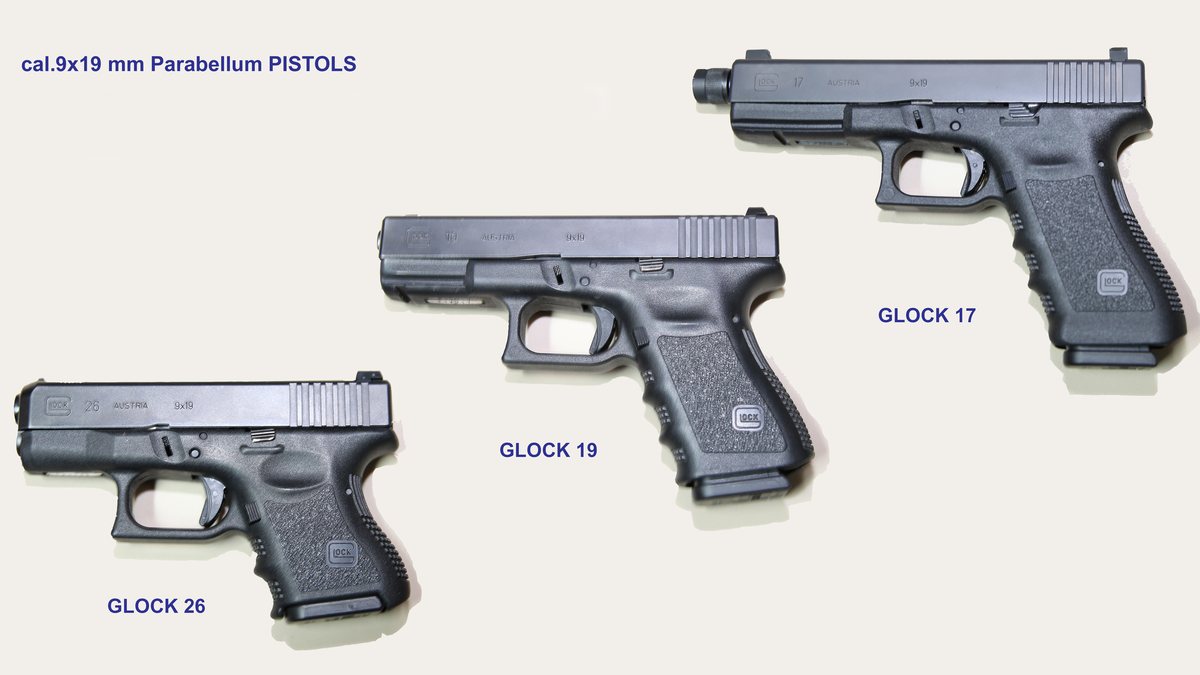
Picture a coworker standing at a counter with three pistols in front of him. One is big and heavy, one is the size of a paperback, and one barely covers his palm. The clerk says the small one is the most popular. His cousin, a deputy, says full-size is easier to shoot. A friend says he needs a pistol with a manual safety, another says safeties are a liability, and someone else asks whether he wants striker-fired or hammer-fired, which he does not understand at all.
Each of them is right about something. Smaller pistols are popular because they are easy to carry, larger ones are easier to shoot well, and manual safeties help some shooters and hinder others. Underneath the opinions are two separate questions: How big should the pistol be, and how should the trigger and safeties work?
This article explains handgun size categories and what each one changes, how the main trigger systems work, what manual and built-in safeties do, and how to match those choices to how you will use the gun. By the end you should be able to look at any pistol, place it by size and action, and explain whether it fits the job you have in mind.
Why size and action are separate choices
Size describes the pistol's dimensions: Barrel length, grip length, width and weight. Action describes what happens when you press the trigger. A full-size pistol can be striker-fired or hammer-fired, and so can a micro-compact. Treating them as two separate decisions keeps you from rejecting a good size because you disliked one model's trigger, or buying a trigger you love in a size you cannot carry or shoot.
Think of it like buying a truck. The cab size and the engine are different choices, even though they come in the same vehicle. The rule: Decide the size from how you will carry and shoot it, then decide the action from how you want the trigger and safeties to behave.
Size categories: Full-size to micro-compact
Manufacturers use these names loosely, so treat them as ranges, not strict definitions.
| Category | Typical barrel | Typical 9mm capacity | What it is built for |
|---|---|---|---|
| Full-size | 4.5 to 5 inches | 15 to 21 rounds | Duty use, home defense, range and competition |
| Compact | About 4 inches | 13 to 15 rounds | All-around use, including carry for many people |
| Subcompact | About 3.5 inches | 10 to 13 rounds | Concealed carry with a shorter grip |
| Micro-compact | About 3 inches | 10 to 15 rounds | Deep concealment, slim and light |
| 2.5 to 3 inches | 6 or 7 rounds, often .380 ACP | Carry where nothing larger fits |
Read the table as a series of trades. Each step down makes the pistol easier to hide and carry, and each step usually makes it harder to shoot quickly and accurately. Notice that micro-compacts now hold as many rounds as some compacts did a few years ago, which is one reason they are so popular. Some models mix sizes, such as a compact slide on a full-size grip, often called a crossover. The decision rule: Pick the largest size you will actually carry or use, not the smallest you can find.
What size changes when you shoot
Four dimensions change the shooting experience, and each one affects a different part of the skill.
Grip length. A grip long enough for all your fingers gives you control. On a short grip, your little finger hangs off or curls under the magazine, and the pistol moves more in recoil. Extended magazines can add length back.
Weight. A heavier pistol absorbs more recoil. A light micro-compact in 9mm can feel snappier than a full-size .45.
Barrel and sight radius. A longer slide puts the sights farther apart, which makes small aiming errors easier to see. A longer barrel also adds a little bullet velocity.
Width. A thinner pistol conceals better, but a very thin grip can be harder to hold firmly under recoil.
Of these, grip length and weight do the most to decide whether a new shooter enjoys practicing. Picture two friends with the same 9mm cartridge, one shooting a full-size pistol and one a micro-compact. The micro-compact owner will usually feel more recoil, shoot a little slower and enjoy range days less. The rule: If you mainly shoot at the range or keep the pistol at home, size up; if you carry daily, find the smallest size you still shoot well.
Striker-fired pistols
Most modern polymer pistols are striker-fired. Instead of a hammer, a spring-loaded firing pin, called the striker, is partly or fully tensioned when the slide cycles. Pressing the trigger finishes compressing it, if needed, and releases it to fire. Every trigger press feels the same, usually a moderate pull of about 4.5 to 6.5 pounds with a short reset.
Striker-fired pistols are simple to learn because there is one trigger pull to master. Most have no external hammer and no decocker, and many have no manual safety, relying instead on a trigger safety, a small blade in the trigger face, and internal safeties that block the striker unless the trigger is pressed. The Glock is the best-known example, and our Glock 17 vs. 19 comparison covers two popular sizes.
The trade-off is that the consistent, relatively light trigger demands consistent trigger discipline and a good holster that fully covers the trigger. The rule: Choose striker-fired for simplicity and a consistent trigger, and pair it with a quality holster.
Hammer-fired pistols
Hammer-fired pistols use a hammer that swings forward to strike a firing pin. There are three main types.
- Double-action/single-action. The first shot can be fired with a long, heavier double-action pull that cocks and drops the hammer. After that, the slide leaves the hammer cocked, so later shots use a short, light single-action press. Many have a decocker, a lever that safely lowers the hammer.
- Single-action-only. The hammer must be cocked before the trigger will fire, as with the 1911. The trigger is short and light, so these pistols are carried "cocked and locked" with a manual safety engaged.
- Double-action-only. Every shot uses a long, consistent double-action pull, which some carry pistols use for an extra margin against an accidental press.
Of these, double-action/single-action asks the most of a new shooter, because the first and second trigger pulls feel completely different. Single-action-only demands disciplined use of the manual safety. Our article on hammer-fired vs. striker-fired pistols goes deeper on how each works. The rule: Choose a hammer-fired design if you want its specific trigger, or a visible hammer you can see and control, and commit to practicing its particular routine.
Manual safeties and built-in safeties
Every modern pistol has internal safeties that keep it from firing if dropped. The question people argue about is the external manual safety, a lever you must move before the pistol will fire.
A manual safety adds a layer of protection when holstering, carrying in a less secure way, or handling the pistol around others. Many single-action pistols require one. The cost is one more step under stress. If you do not practice sweeping it off every time you draw, you may press a trigger that does nothing at the worst moment.
Other features show up too. A grip safety, a lever on the back of the grip, blocks firing unless the pistol is held. A magazine disconnect prevents firing with the magazine out on some models, while many pistols can fire with the magazine removed.
Key idea: No safety replaces safe handling. A manual safety is a habit that must be practiced, and pistols without one depend entirely on a covered trigger and a finger kept off it until you are ready to fire.
Common mistake: Assuming a pistol is unloaded because the magazine is out. Many pistols have no magazine disconnect and will fire the round in the chamber. Always check the chamber with your eyes and finger.
The rule: If you choose a manual safety, practice using it on every draw until it is automatic; if you choose a pistol without one, invest in a holster that fully covers the trigger.
Matching size and action to the job
Start with how the pistol will be used, then pick the size, then the action.
Home and range. A full-size or compact pistol is easiest to shoot well, holds the most, and gives a new shooter the best start.
Everyday carry. A compact, subcompact or micro-compact, chosen by what you can carry comfortably and still shoot well. Our article on choosing a concealed carry handgun walks through those trade-offs.
Competition. Full-size, often with a lighter, crisper trigger, chosen for the rules of the sport you shoot.
Learning. A .22 pistol in a familiar size builds skill cheaply, as our guide to choosing a .22 pistol explains.
Some shooters prefer a revolver for its simplicity, which our article on revolvers covers. The decision rule: Match the size to how you will carry or keep the pistol, and the action to the trigger and safety routine you will practice most faithfully.
Putting it together
Go back to the coworker at the counter. The clerk is right that micro-compacts are popular, because they are easy to carry. His cousin is right that a full-size pistol is easier to shoot. His friends are each right about safeties for different reasons. None of that tells him which to buy until he decides how the pistol will be used.
If he wants a gun for the range and the house, the full-size makes sense. If he will carry every day, the paperback-sized compact may be the best balance. Whatever size he picks, he chooses a striker or hammer trigger he will practice, and a safety routine he will follow every time.
Try this: Compare grip and trigger safely
- With all ammunition in another room, check that each pistol you are comparing is unloaded by locking the slide back and looking into and feeling the chamber.
- Grip each one and note whether all your fingers fit on the grip and whether your trigger finger reaches the trigger without shifting your grip.
- Pointing in a safe direction, press each trigger slowly a few times and note the weight, length of pull and where it breaks.
- If a pistol has a manual safety, practice moving it off and on with your firing hand thumb ten times.
- Rank the pistols by how well they fit your hand and how easily you could press the trigger without moving the sights.
You will know it worked when you can name the size you prefer, the trigger type you shot best, and whether you want a manual safety, each with a reason.
Check your understanding
Try answering these before you open the answer. If you can explain it in your own words, you understand it.
1. A friend wants one pistol for home defense and range practice and does not plan to carry. Which size would you suggest?
A full-size or compact. Larger pistols are easier to shoot well, hold more rounds, and soften recoil, and concealment does not matter for her use.
2. Why does a double-action/single-action pistol take extra practice?
The first shot uses a long, heavy pull, and later shots use a short, light press. The shooter must learn to manage both and to decock safely.
3. Your pistol has no manual safety. What protects against an accidental shot when you holster?
A finger kept off the trigger and a holster that fully covers the trigger guard. Internal safeties prevent firing if dropped but cannot stop a trigger that is pressed.
4. Two 9mm pistols, one full-size and one micro-compact, feel very different in recoil. Why, if the cartridge is the same?
The full-size pistol is heavier and has a longer grip, so it absorbs more recoil and gives you more control. The light, short micro-compact moves more.
Where to go next
For a closer look at the two trigger systems, read hammer-fired vs. striker-fired pistols. If you plan to carry, choosing a concealed carry handgun builds on this article. To compare revolvers with these pistols, see revolvers explained. And to see what more money buys at each size, read pistol quality at different price points.
Explore our handgun inventory. Anything on our website can be ordered if it isn't in stock.
Photo: "GLOCK 171926E" by Domenjod, via Wikimedia Commons, licensed CC BY-SA 4.0; cropped.

If you found this informative, we invite you to sign up for email notifications of new blog articles.