
Fixing a Flinch: Why You Anticipate Recoil and How to Stop
Joseph McLain Nov 06, 2026
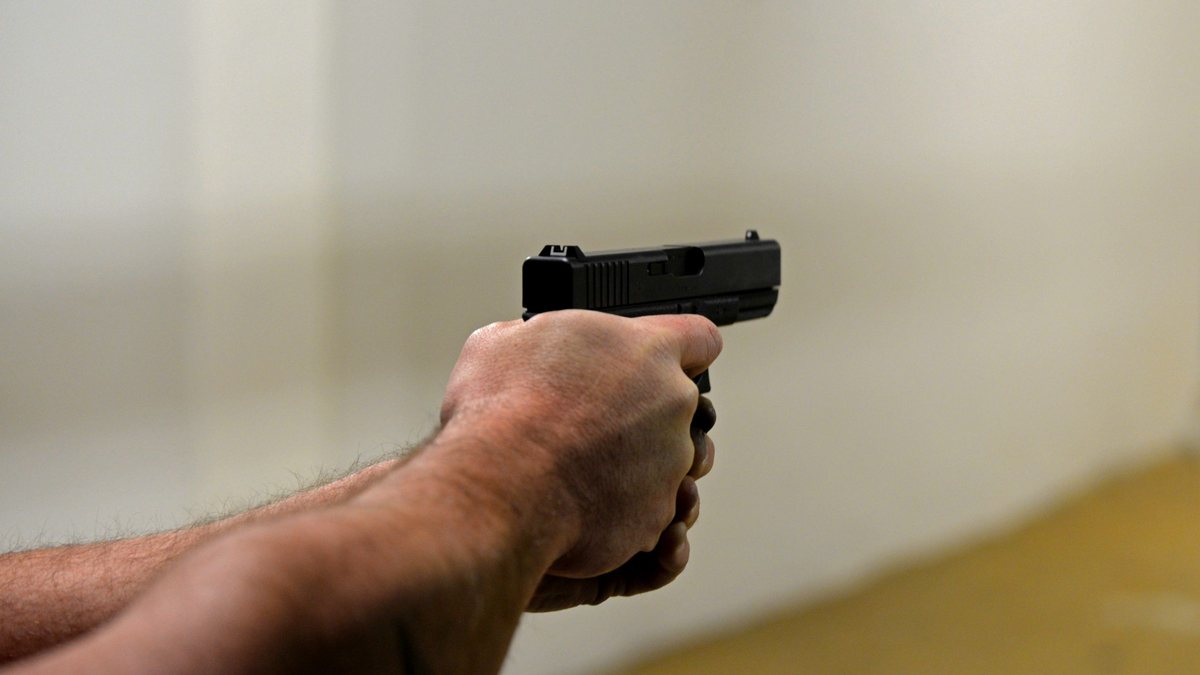
Picture a friend at the range shooting a new 9mm. His first few shots land near the center. Then they start drifting low and to the left, and the harder he concentrates, the worse it gets. The man in the next lane tells him the sights are off. His wife says he is jerking the trigger. A buddy hands him a bigger, heavier gun and says the little one kicks too much.
Each of them is right about something, but only one of them found the cause. The sights were fine. The gun did kick a little more than he was used to. What happened is that his body learned to expect the blast and started bracing for it a split second before the shot, pushing the muzzle down every time. That bracing is a flinch, and almost every shooter has fought one.
This article explains what a flinch is, why it happens, how to prove you have one, and the drills that fix it for handguns and rifles. By the end you should be able to diagnose a flinch from your targets and from a simple drill, and follow a plan that retrains it out of your shooting.
What a flinch is, and what it is not
A flinch is an involuntary reaction to the noise and recoil you know are coming. Your body tries to protect itself by tensing, pushing forward, closing your eyes, or ducking your head a split second before the gun fires. Because it happens just before the shot, it moves the muzzle while the bullet is still in the barrel.
A flinch is not the same as a trigger jerk, although they often travel together. A jerk is a fast, uneven trigger press that pulls the muzzle off target. A flinch is the anticipation behind it. Many shooters jerk the trigger precisely because they want to "get the shot over with."
Think of a child about to get a shot at the doctor's office. The flinch happens when they see the needle, not when it touches them. Your body does the same thing with a gun. The rule: If your shots move as you try harder, suspect anticipation before you blame the sights.
Why flinches develop
Flinches are learned. Most start from one of a handful of causes, and knowing which one applies to you shapes the fix.
- Noise. Poor hearing protection lets the blast through, and the body learns to fear it. Indoor ranges, short barrels and muzzle brakes make this worse.
- Too much recoil too soon. A light, powerful gun, or a heavy load, before your fundamentals are solid teaches your body to brace.
- Fatigue. Late in a long range session, tired muscles and nerves anticipate more.
- Wanting the shot to break. Trying to fire at the instant the sights look perfect produces a sudden press and a push.
- A painful experience. A scope that hit an eyebrow, a slide that bit a hand, or a hard-kicking shotgun can leave a lasting memory.
Of these, noise is the easiest to fix and the most often overlooked, and recoil introduced too fast is the most common source for new shooters. Notice that none of these is a lack of courage. A flinch is a normal reaction that you can retrain. The rule: Remove the cause first, then retrain the habit.
Reading your targets
A flinch leaves a pattern. With a handgun, a right-handed shooter who flinches by pushing the gun forward and tightening the whole hand will usually see shots low and left; a left-handed shooter, low and right. With a rifle, flinching shows up as shots that scatter low or in a random direction, often with one or two wild fliers in an otherwise good group.
Targets can only suggest, though, because grip problems and trigger problems can produce similar patterns. A low-left group can also come from tightening your fingers as you press. Our article on trigger control explains those patterns. The rule: Use the target as a clue, then prove the cause with a drill.
The ball-and-dummy drill: Proof you can see
The single best test for a flinch is called ball-and-dummy. A partner loads your gun with a random mix of live rounds and inert dummy rounds, often called snap caps, without letting you see the order. When the hammer or striker falls on a dummy, nothing happens except the click, and you will see exactly what your body was preparing to do.
The first time you try it, the sight may dive several inches on a click. That dip is your flinch, with nothing to hide it. Repeat the drill, and you will start to see the dips shrink, because your brain can no longer predict which press brings the bang.
With a semi-automatic pistol, the partner loads a magazine with a mix of live and dummy rounds. With a revolver, the partner loads some chambers and leaves others empty or with snap caps, then spins the cylinder before closing it. With a rifle, the partner loads either a live round or a dummy into the chamber while you look away.
Key idea: On a dummy round, a good press looks boring. The sights stay put, the click happens, and nothing moves. Every dip, push or blink you see on a click is the flinch you have been shooting into your targets.
The rule: Do the ball-and-dummy drill whenever your groups go bad for no clear reason, and keep doing it until the clicks look boring.
Fixing it: Remove the fear first
Before retraining, take away what is feeding the flinch. Double up on hearing protection, with foam plugs under earmuffs, especially at indoor ranges. Our article on eye and ear protection explains noise ratings and fit. Make sure you are not shooting next to a gun with a muzzle brake, which sends blast sideways.
Next, reduce recoil while you rebuild. Shoot a .22 for part of each session, use lighter practice loads, or for a rifle, add a good recoil pad and make sure the stock fits. A heavier gun or a full-size pistol in place of a light carry gun can also help. Shoot fewer rounds and stop before you are tired.
The trade-off is that these changes make practice feel less like real-world shooting for a while. The decision rule: Lower the noise and recoil until you can fire without bracing, then add them back gradually.
Retraining the trigger press
A flinch fades when your body stops knowing exactly when the shot will happen. The goal is a surprise break: A steady, increasing press on the trigger while you focus on the sights, so the shot fires without your deciding the instant.
Dry-fire practice builds that press without any blast. With an unloaded gun and no ammunition in the room, aim at a small mark and press the trigger slowly, watching the front sight or reticle. A coin balanced on the slide of a pistol or the barrel of a rifle should stay put through the press. Our guide to dry-fire practice explains safe routines in detail.
Good practice: Count the press out loud in your head: "Front sight, press, press, press." Give the trigger your attention and let the shot surprise you. If you catch yourself waiting for the bang, ease off, let the sights settle, and start the press again.
Live fire then follows the same rule. Shoot slowly at first, one careful press at a time, at a large target close enough that the surprise break gives you good hits. Speed comes later. The rule: Build a press that surprises you before you try to build a fast one.
Rifle and shotgun flinches
Long guns bring their own flinch triggers. Heavy-recoiling rifles and shotguns can bruise a shoulder or cheek, and a scope set too close can strike the eyebrow, often called scope bite. One bad experience can teach a flinch that lasts for years.
Fit is the first fix. Check that the stock's length of pull, the distance from the trigger to the butt, lets you mount the gun without crowding the scope, and that the scope is mounted with enough eye relief. Mount the gun firmly into the shoulder pocket; a loose mount hurts more than a firm one. Our guide to mounting a rifle scope covers eye relief.
For practice, shoot from a solid rest with a rear bag, use lighter loads where they exist, add a recoil pad or shoulder pad, and limit the number of heavy shots per session. Many hunters shoot a few rounds of their hunting load to confirm zero and do the rest of their practice with a .22 or a lighter caliber. The rule: Make the gun fit and the recoil tolerable before you try to shoot it well.
Keeping it fixed
Flinches come back, especially after a layoff, a new gun or a long session. A little maintenance keeps them away. Start each range session with a few dry presses on an empty gun to remind yourself what a clean press feels like. Mix in a ball-and-dummy round every few trips. Stop the session when your groups start to open, rather than pushing through fatigue.
Our article on mental focus in shooting explains how attention and calm play into it. The trade-off is a few minutes of drills against hours of frustrating range time. The rule: Test for a flinch regularly, because the earlier you catch one, the faster it goes away.
Putting it together
Go back to the friend at the range. The man who blamed the sights was wrong; the shots moved because of him, not the gun. His wife was close, because a jerked trigger was part of it. His buddy's heavier gun would help, but only as part of a plan. A ball-and-dummy drill would show him the flinch in a few shots. Better hearing protection, some time with a .22, and a slow, surprising press would begin to fix it.
Follow the same order. Notice the pattern, prove it with ball-and-dummy, remove the noise and recoil feeding it, retrain a surprise break in dry fire and slow live fire, and check for it again from time to time.
Try this: Run a ball-and-dummy drill
- At the range, wearing eye and ear protection, have a partner load your magazine or cylinder with a mix of live rounds and dummy rounds while you look away.
- Aim at a target about seven yards away, keeping the muzzle downrange throughout.
- Press each shot slowly and watch the front sight closely, especially on the clicks.
- After each click, keep the gun pointed downrange, then work the action or rotate to the next chamber as your gun requires, and continue.
- Note what the sights did on each click, then repeat with a fresh mix until the clicks look still.
You will know it worked when the sights barely move on a dummy round and your live-fire groups tighten without your trying harder.
Check your understanding
Try answering these before you open the answer. If you can explain it in your own words, you understand it.
1. Your shots are low and left, and get worse as you concentrate. What is a likely cause, and how can you prove it?
A flinch, usually anticipation of recoil pushing the muzzle down. Prove it with a ball-and-dummy drill: Watch what the sights do when a dummy round clicks.
2. On a dummy round, your front sight dips sharply. What does that tell you?
You are bracing for the shot before it happens. The dip is the flinch that has been moving your live shots.
3. Why might doubling up on hearing protection help a flinch?
Much of a flinch is a reaction to the blast. Reducing the noise removes some of what your body is bracing against.
4. A hunter flinches after his scope cut his eyebrow last season. What should he check first?
Fit and eye relief. Make sure the stock length and scope position keep the scope a safe distance from his eye with a firm, natural mount.
Where to go next
To refine the press that a flinch disrupts, read trigger control tips. For safe dry-fire routines, see dry-fire practice. If hearing protection may be part of the problem, eye and ear protection explains your options. And our pistol practice drills give you a plan to keep improving once the flinch fades.
Explore our range gear. Anything on our website can be ordered if it isn't in stock.
If you found this informative, we invite you to sign up for email notifications of new blog articles.