
Concealed Carry Positions: Appendix, Hip, Pocket and Off-Body Compared
Joseph McLain Nov 06, 2026
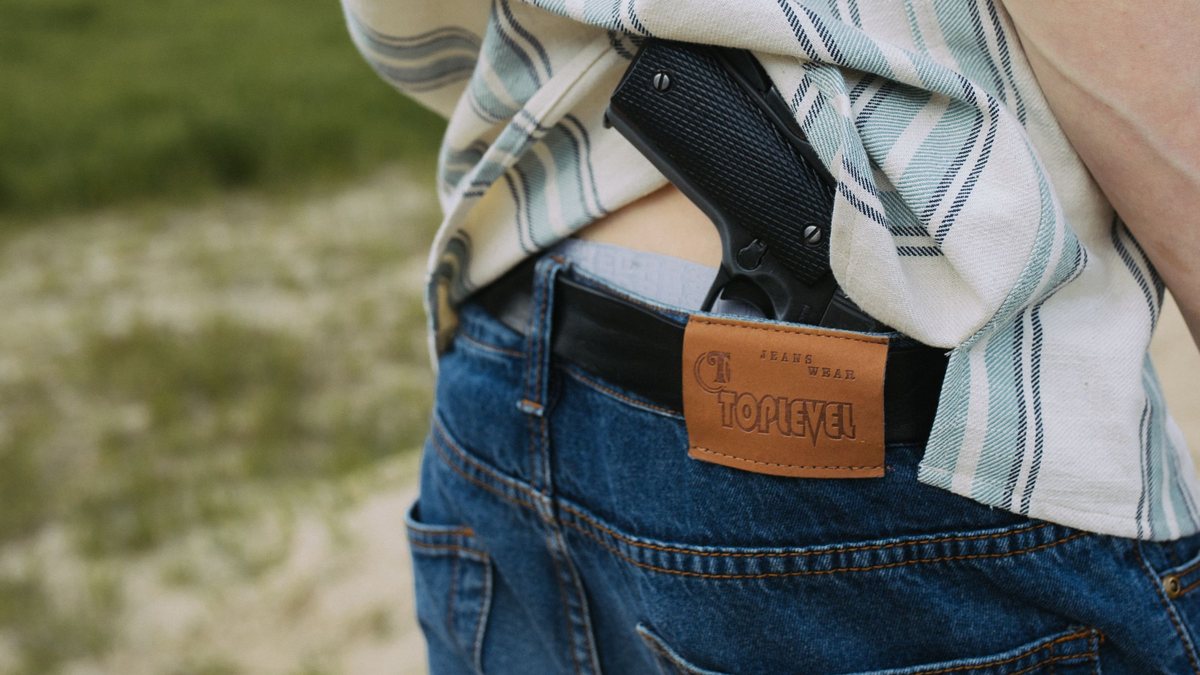
Picture three people who carry the same model of pistol. One wears it in front of the hip, just behind the belt buckle. Another wears it behind the right hip, the way police officers do. The third keeps a smaller gun in a front pocket on weekends and a purse during the week. All three swear their way is best.
Every carry position solves some problems and creates others. Appendix carry is fast but demands careful reholstering, hip carry is comfortable but harder to reach in a car, and pocket carry works with almost any clothing but limits you to a small gun. The best one for you depends on your body, your clothing, your activities and how carefully you will handle the gun.
The common positions are appendix, strong-side hip, pocket, off-body bags and a few less common choices, and each can be judged on concealment, comfort, access, safety and where it falls short. By the end you should be able to choose a position for your daily life, explain its weak points and know what to practice so those weak points do not catch you.
What every carry position has to do
Before comparing positions, it helps to know what we are judging them by. A good carry position does five jobs, and every position does some of them better than others.
- Conceal. The gun stays hidden through your normal day without constant adjusting.
- Protect the trigger. A holster covers the trigger guard completely, in every position.
- Keep control. The gun stays on your body and under your control, where others cannot easily reach it.
- Allow access. You can reach and draw the gun with either the hand you normally use or, when needed, while seated or moving.
- Stay comfortable. You can wear it all day, so you do not take it off and set it down.
Of these, trigger protection and control are not negotiable. A position that conceals beautifully but leaves the trigger exposed or lets the gun sit in a bag on a chair has failed at the parts that matter most. The other three are trade-offs you can weigh. Rule out anything that fails trigger protection or control first, then compare the rest on concealment, access and comfort.
Appendix carry: In front of the hip
Appendix carry, often shortened to AIWB for appendix inside the waistband, places the gun inside the waistband in front of the hip, roughly between the belt buckle and the hip bone on your strong side. It has become very popular, and there are good reasons for that.
The gun sits where both hands can reach it quickly, it is easy to protect with your arms in a crowd, and it is often easier to conceal than people expect, because the front of your body has natural folds and a loose shirt drapes over it well. It also works well while driving, since the gun stays in front of you instead of being pinned against the seat.
The trade-offs are real, though. Appendix carry points the muzzle toward your lap and upper leg when you are seated, and toward the femoral artery when you reholster. That makes the holster and your reholstering habit critical. It can also be uncomfortable for people with larger midsections or for those who sit hunched for long hours. Many people solve the comfort problem with a holster wedge or a claw, small attachments that tilt the grip toward the body, but body shape still matters.
Key idea: Appendix carry is not dangerous by itself, but it leaves no room for sloppy reholstering. If you choose it, reholster slowly, look the holster in, and make sure nothing such as a shirt tail or drawstring is in the way.
Appendix carry suits people who want fast access and good concealment and who will treat reholstering as a slow, deliberate act every single time.
Strong-side hip carry: The traditional position
Strong-side hip carry places the gun on the same side as your shooting hand, usually just behind the hip bone at about the four o'clock position for a right-handed shooter. It can be worn inside the waistband or outside it, and it is the position most uniformed officers use with outside-the-waistband duty holsters.
Its strengths are comfort and familiarity. For many body types, the hip is the most comfortable place to wear a gun all day. Reholstering points the muzzle down past your leg rather than toward your lap. The draw stroke is simple and is the one most training classes teach first.
Its weaknesses show up in specific situations. The grip tends to print when you bend over or reach, because it sits on the back of your body where a shirt pulls tight. Drawing while seated in a car can be awkward, since the seat belt and seat back cover the gun. And because the gun is behind your hip, it is harder to protect from someone grabbing at it from behind. Our guide to holster cant and ride height explains how small changes in angle can fix many of the printing and access problems.
Hip carry is a strong default for comfort and safe reholstering, especially for new carriers, as long as your clothing covers the grip when you bend and reach.
Pocket carry: Small guns, specific rules
Pocket carry means a small pistol or revolver carried in a front pants pocket, inside a pocket holster. It is the easiest way to carry when clothing gives you nothing else to work with, such as athletic wear or fitted slacks, and many people carry this way on weekends or in summer.
Pocket carry works only with three conditions. First, the gun must be small enough to fit and hide in the pocket. Second, it must always be in a pocket holster that covers the trigger and breaks up the outline of the gun. Third, nothing else goes in that pocket: No keys, coins, phone or lip balm, because any object can work its way into the trigger guard.
The trade-offs are access and shootability. Drawing from a pocket is slower than drawing from a belt, especially while seated, and the small guns that fit in a pocket are harder to shoot well, as our guide to choosing a carry handgun explains. Pocket carry also tends to tempt people to touch the gun, since their hand is in that pocket all day.
Common mistake: Dropping a small pistol into a pocket with no holster, or sharing the pocket with keys. A pocket holster is not optional. It protects the trigger and keeps the gun oriented so you can draw it.
Pocket carry is a useful tool when clothing rules out belt carry, but only with a proper pocket holster and an empty pocket otherwise.
Off-body carry: Purses, bags and packs
Off-body carry means the gun rides in something you carry rather than something you wear: A purse, a messenger bag, a backpack or a briefcase, ideally in a dedicated compartment with a holster inside. For some people, especially those whose clothing makes on-body carry very difficult, it is the only practical option.
The challenge is that the gun is no longer attached to you. Bags get set on floors, hung on chair backs, left in shopping carts, handed to friends and grabbed by purse snatchers. Children dig through bags looking for snacks. Every one of those moments means the gun is out of your control. That is why off-body carry demands more discipline than any other method.
If you choose it, use a bag designed for carry, with a separate compartment that holds nothing but the holstered gun. Keep the bag on your body, with the strap across your torso, whenever you are in public. If the bag has to leave your body, the gun has to go into secure storage, not stay in the bag on the back of a chair. Our article on everyday carry routines covers these transitions in detail.
Carry off-body only if you can keep the bag on your body or in your direct control every moment the gun is in it.
Other positions: Ankle, shoulder and belly band
A few other options come up often enough to mention. Each has a specific use and real limits.
- Ankle carry. It hides a small gun well for people who sit most of the day, but it is slow to draw while standing and hard to reach while moving, so many people use it for a backup gun rather than a primary one.
- Shoulder holster. It can be comfortable for long drives and works well under a jacket, but it requires a cover garment at all times and the draw sweeps the muzzle across people beside you.
- Belly band. An elastic band worn around the waist is useful for exercise clothes or clothing without a belt, but many bands do not hold the gun as firmly or cover the trigger as reliably as a rigid holster, so choose carefully.
Notice the pattern. Each of these trades some access or some security for concealment in a specific situation. They are reasonable answers to unusual problems, not general-purpose choices. Use them when your situation calls for them, and practice their particular draw until it is safe and smooth.
Comparing the positions side by side
The table below summarizes the trade-offs. It is a general guide, not a ranking, because your body and clothing will change how each position works for you.
| Position | Concealment | Access | Main safety concern | Best fit |
|---|---|---|---|---|
| Appendix (AIWB) | Very good | Fast, good seated | Muzzle direction during reholstering | Careful carriers wanting speed and concealment |
| Strong-side hip | Good | Good standing, harder seated | Grip printing and gun grabs from behind | New carriers and all-day comfort |
| Very good with small guns | Slower | Objects in the pocket, small gun control | Clothing that rules out belt carry | |
| Off-body bag | Excellent | Slow | Losing control of the bag | People who can keep the bag on their body |
| Ankle | Very good seated | Slow standing | Hard to reach while moving | Backup guns and desk work |
The table is a set of choices, not a scorecard. The positions that conceal best tend to be the slowest to reach, and the fastest ones demand the most care during reholstering. That pattern is the heart of the decision. Choose the position whose weak point you are most willing to manage every day.
Testing a position before you commit
You cannot judge a carry position by reading about it, and you cannot judge it in a store mirror. You learn whether it works by living with it, safely, before you carry a loaded gun in public.
Start at home with an unloaded gun, with the ammunition in another room, or with a dedicated training replica. Wear the holster through a full day of ordinary activities: Driving, sitting at a desk, climbing stairs, bending to pick something up and reaching to a high shelf. Notice where it digs, where it prints and where you are tempted to adjust it. Then practice reaching for the grip from the positions you spend the most time in. Our guide to practicing your draw from concealment explains how to do that safely.
Good practice: Many experienced carriers own more than one holster because their days are not all the same. A hip holster for workdays and a pocket holster for weekends is a common, sensible combination, as long as you practice with each.
No position goes into daily use until it has passed a full day at home with an unloaded gun.
Putting it together
No carry position wins every category. Appendix carry is fast and conceals well, but demands careful reholstering. Hip carry is comfortable and familiar, but can print and is harder to reach in a car. Pocket carry works with almost any clothing, but limits you to small guns and slower access. Off-body carry hides anything, but only works if the bag never leaves your control. The alternatives solve particular problems and create particular new ones.
Your job is to find the position whose strengths fit your life and whose weakness you are willing to manage every day. Start with control and trigger protection, then weigh concealment, access and comfort, and test before you trust. A position you understand and practice is safer than a "better" one you have never really learned.
Check your understanding
Try answering these before you open the answer. If you can decide what to do and explain why, you have it.
1. You've just switched to appendix carry. After a range session you shove the pistol back into the holster quickly while chatting with a friend, and your shirt tail is tucked in front. What should you change?
Everything about that reholster. In appendix carry the muzzle points toward your lap and upper leg as the gun goes in, so anything in the trigger guard, like a shirt tail, can cause a discharge into your own body. Stop talking, clear your shirt, look the holster in and push the gun home slowly. Treat it as a deliberate act every time.
2. A coworker carries a small pistol loose in his front pocket with his car keys. What two problems should he fix?
He needs a pocket holster to cover the trigger and keep the gun oriented, and he needs to move the keys and everything else to another pocket. Without those, an object can reach the trigger and the gun can turn in the pocket.
3. Your sister wants to carry in her purse. What question should she answer honestly first?
Whether she can keep the purse on her body or in her direct control every moment the gun is in it. If the purse will be set down, hung on a chair or handed to someone, the gun is out of her control at those moments and needs to be stored securely instead.
4. You carry on your strong-side hip and notice the grip prints when you bend over. What are your options?
Adjusting the cant or ride height of the holster, choosing a gun with a shorter grip, changing your cover garment, or trying a different position such as appendix. The goal is to fix the printing without giving up trigger protection or control.
5. You carry on your hip at work, but your gym clothes have no belt. A friend says to just leave the pistol in your gym bag in the locker. What's a better answer?
A second, safe carry method for those hours, such as a quality belly band or a small gun in a pocket holster, practiced like your hip draw. Or lock the gun securely in your vehicle or a safe before you go. A gun in an unlocked gym bag is out of your control. Many carriers own more than one holster for exactly this reason.
Where to go next
You can find inside-the-waistband, outside-the-waistband and pocket holsters on our website for popular carry pistols, and anything listed there can be ordered if it isn't in stock.
To choose a gun that fits your position, read our guide to choosing a concealed carry handgun. To fine-tune how a holster sits on your body, see holster cant, rake and ride height. To understand how holsters keep the gun in place, read holster retention levels. And to practice drawing from your chosen position safely, read our guide to practicing your draw from concealment.
If this article helped you, we invite you to sign up for email notifications of new blog articles.