
Choosing Your First Firearm: Purpose, Fit, Recoil and the Questions to Ask First
Joseph McLain Nov 07, 2026
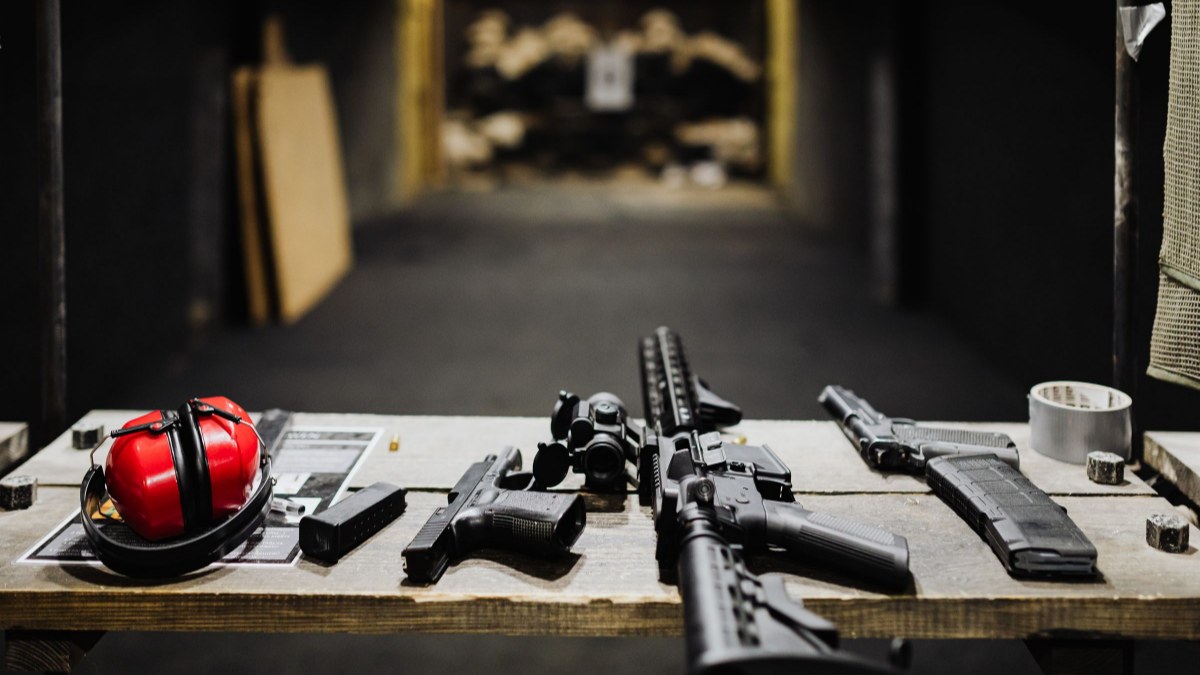
You have decided to buy your first firearm, and you are weighing a 9mm pistol, a .22 rifle, a pump shotgun for home defense, or whatever the police use. The right first firearm depends on what you want it to do, who will use it and how it fits.
By the end you should be able to choose a first firearm by starting with purpose, then weighing rifles, pistols and shotguns, then judging fit, recoil, caliber and operation, and finally planning training, storage and the legal steps of buying, so you can describe your first firearm in a sentence and explain why it fits.
Start with purpose
The most important question is what the firearm is for. Learning to shoot, recreational target shooting, hunting, home defense and carrying for personal protection each point toward different firearms. A firearm that is excellent for one can be a poor choice for another. A .22 rifle is a wonderful teacher and a poor defensive tool; a compact carry pistol is convenient to carry and among the harder guns to shoot well. Be honest about the main reason you are buying, and let that decide the type.
Key idea: Choose the job first, then the type of firearm, then the specific model. The order matters, because each step narrows the next.
Rifle, pistol or shotgun
| Type | Strengths | Trade-offs | Common first uses |
|---|---|---|---|
| Rifle (especially .22 LR) | Easiest to shoot accurately, low recoil in small calibers, inexpensive ammunition | Large to store and carry; not suited to concealed carry | Learning, target shooting, small game, then larger calibers for hunting |
| Pistol | Compact, can be carried, quick to access at home | Hardest to shoot well; needs the most practice | Home defense, carry, target shooting |
| Shotgun | Versatile for birds, clays and home defense; very effective at close range | More recoil, heavier, limited range with shot | Bird hunting, trap and skeet, home defense |
Ask which column you can live with. A pistol's compactness is its whole advantage, but it is also why pistols are hard to shoot well: A short sight radius and nothing but your hands to steady it make small errors large. A rifle is the reverse, which is why many instructors start new shooters on a .22 rifle to build fundamentals before moving to a pistol. A shotgun is powerful and forgiving at close range, and its recoil and weight are the trade.
If you are new to shooting and your goal includes learning, a .22 rifle or pistol is a superb first purchase even if you buy a centerfire firearm soon after. Our guides to choosing a .22 rifle and choosing a .22 pistol explain the options.
Fit and recoil decide whether you will shoot well
A firearm that fits you is easier to shoot accurately and more pleasant to practice with, and a firearm you enjoy shooting is one you will practice with often. For pistols, fit means you can take a full, high grip with your trigger finger reaching the trigger naturally and your thumb reaching the controls. For rifles and shotguns, it means the stock length, called length of pull, lets you mount the gun with your eye naturally behind the sights. Many modern firearms have adjustable grips or stocks.
Recoil is the push of the firearm when it fires. It depends on the cartridge, the load and the weight of the gun. A light, compact pistol in a powerful caliber recoils sharply, while a heavier, full-size pistol in the same caliber feels much softer. New shooters often do best starting with modest recoil, because recoil they are bracing against causes flinching, and flinching ruins accuracy. Our article on choosing a pistol as a beginner explains how size and weight affect recoil.
Common mistake: Choosing the smallest, lightest pistol because it is easy to carry, then finding it hard and unpleasant to shoot. If carry is the goal, a slightly larger pistol you shoot well is often a better first choice than a tiny one you avoid practicing with.
Caliber: Enough for the job, manageable for the shooter
The best caliber is the one that is adequate for your purpose and that you can shoot accurately and practice with affordably. For learning and target shooting, .22 LR is hard to beat. For home defense and carry pistols, 9mm is a widely recommended balance of manageable recoil, capacity and ammunition availability, though other calibers have their places. For deer hunting, the right cartridge depends on your state's rules and the distances you hunt. Our guides to personal protection calibers and ammunition basics go deeper.
How it operates
Different actions demand different amounts of training to operate safely. A revolver is simple to check and load, with few controls. A semi-automatic pistol holds more rounds and is quicker to reload but has more controls, such as a slide, magazine release and sometimes a manual safety, and it must be checked by both removing the magazine and inspecting the chamber. Bolt-action, lever-action, pump-action and semi-automatic long guns each have their own manual of arms. Whatever you choose, learn exactly how to load, unload and clear it, and practice until you can do so safely without thinking.
Try before you buy
Handling a firearm tells you about fit and controls. Shooting it tells you about recoil and how well you shoot it. If a range rents firearms, or a friend or instructor can let you try a few, shoot several before deciding. A first firearm chosen after shooting a few candidates is far more likely to be the right one than one chosen from a recommendation alone.
Training, storage and the legal steps
A first firearm is the beginning, not the end. Plan to take a basic safety and shooting course, and keep practicing afterward; our article on choosing firearms training explains how to find a good one. Learn and live by the safety rules in our firearm safety guide. Plan secure storage before the firearm comes home, especially if children or visitors are ever in the house; our guides to proper gun storage and why hiding is not storage explain what works.
Buying from a licensed dealer involves a federal background check. Federal law also sets minimum ages for dealer sales, generally 21 for handguns and 18 for rifles and shotguns, and state law adds its own rules about purchase, possession and carry. Ask the dealer about the current requirements where you live, and read your state's laws before carrying or transporting a firearm.
Writing your first-firearm specification
A one-sentence specification keeps the decision clear. It names the main purpose, the type that serves it best, and a caliber adequate for the job and manageable for the shooter. Handling at least three candidates, with the action open and the muzzle in a safe direction, checks fit and controls, and shooting two or more, if you can, shows which you shoot best and enjoy most. A plan for training and secure storage, made before you buy, completes it. A specification like "a full-size 9mm pistol for home defense and range practice, because it fits my hand and I shoot it well" is one you can buy with confidence.
Putting it together
Every common recommendation is a good answer for someone. A 9mm pistol really is a sensible first defensive handgun for many people. A .22 rifle really is the best teacher. A shotgun really is formidable for home defense. And what police carry really is reliable. The way to find your answer is to name the purpose, choose the type that serves it, pick a caliber you can handle, insist on a firearm that fits you, shoot a few before you buy, and plan for training and secure storage from the first day.
Check your understanding
Try answering these before you open the answer. If you can decide what to do and explain why, you have it.
1. Your neighbor wants "a gun" and asks you what to buy. What's the first thing you'd ask, and why?
What it's for. Different purposes call for different types of firearms, and a gun that's excellent for one job, such as home defense, can be poor for another, such as small-game hunting.
2. Why are pistols harder to shoot well than rifles?
A short sight radius and support from only the hands make small errors in grip and trigger press move the muzzle more.
3. A new shooter wants the smallest, lightest carry pistol available as a first gun. Why might that backfire?
Tiny, light pistols often recoil sharply and are hard to shoot well, which can make practice unpleasant and discourage the very training a new shooter needs.
4. You pick up a semi-automatic pistol at a friend's house. What two checks confirm it's unloaded?
Remove the magazine, then lock the slide back and inspect the chamber by sight and touch. A pistol with the magazine removed can still have a round in the chamber.
5. You'll bring your first firearm home this weekend, and you have young nieces who visit. What should be in place before it arrives?
Secure storage, such as a locked safe or lockbox, and a plan for training. Both should be ready from the first day, not added later.
Where to go next
To start with a pistol, read choosing the right pistol as a beginner. To start with a rifle, see choosing a .22 rifle. For the rules every owner follows, read firearm safety for beginners. And to keep the firearm secure, see proper gun storage.
If this article helped you, we invite you to sign up for email notifications of new blog articles.