
Choosing a .22 Pistol: Matching the Gun to Learning, Plinking, Competition and Training
Joseph McLain Nov 07, 2026
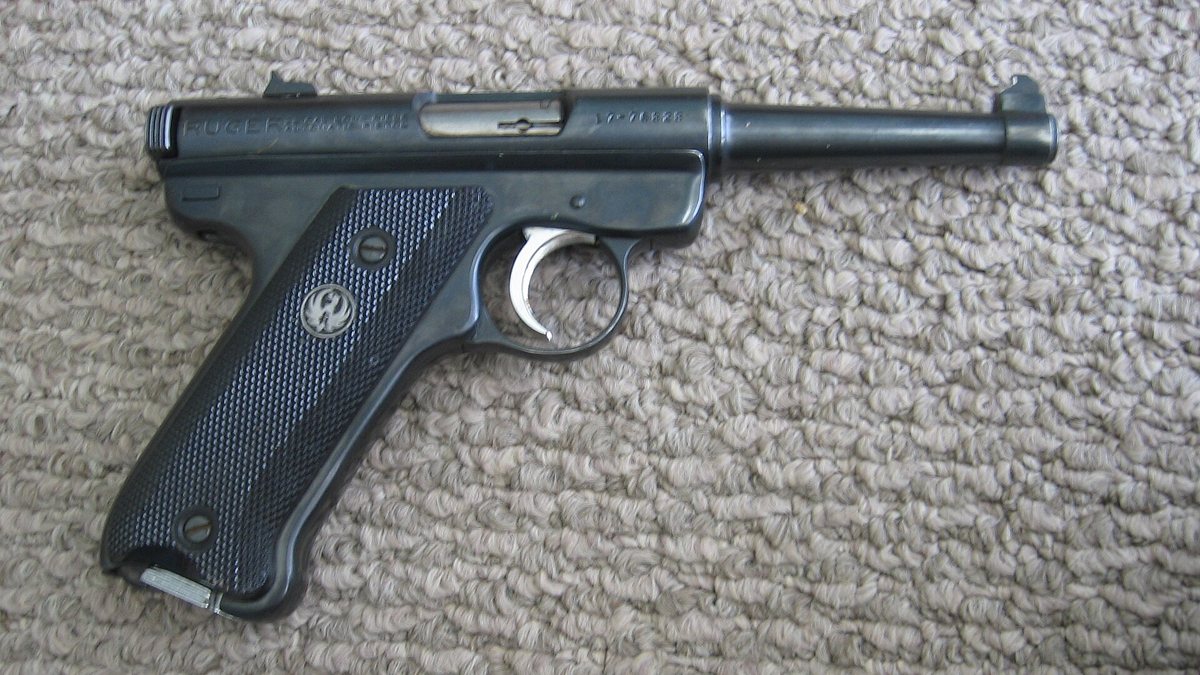
You want a .22 pistol, and there are dozens to choose from. A classic target pistol like a Ruger Mark IV or Browning Buck Mark, a .22 that handles like your carry pistol so practice transfers, a .22 revolver for teaching, or something fun for tin cans: each is built for a different job.
By the end you should understand why a .22 LR pistol is such a useful tool and what the main types do well and poorly, so you can name the job you want a .22 pistol to do, pick the type that fits it, and know what to check before you buy.
Why a .22 pistol is worth owning
The .22 Long Rifle cartridge has very little recoil and noise compared with centerfire pistol rounds, and the ammunition costs a fraction as much. That combination makes it ideal for building the fundamentals that every pistol depends on: Grip, sight alignment, trigger press and follow-through. With less recoil and blast to distract them, new shooters can concentrate on what their hands are doing, and experienced shooters can practice more for the same budget. Our article on why the .22 LR builds shooting skills explains the teaching value in depth.
The catch is reliability. Rimfire cartridges have priming compound spun into the rim rather than a separate primer, and .22 pistols can be particular about ammunition. A pistol that runs perfectly on one brand may stutter on another. Expect to test a few loads, and keep .22 pistols clean, because rimfire fouling builds up faster than centerfire fouling. Our guide to .22 LR ammunition selection explains how to choose and test loads.
Key idea: A .22 pistol is a skill-building tool first. Choose one by the skill or use you want it for, then find the ammunition it likes.
The main types of .22 pistols
Dedicated target pistols
Pistols such as the Ruger Mark IV, the Browning Buck Mark and the Smith & Wesson SW22 Victory are built around a fixed barrel, often a heavier one, with adjustable sights and good triggers. That construction makes them accurate and steady to hold, which suits marksmanship training, bullseye-style shooting and rimfire competitions. They usually do not resemble defensive pistols in controls or handling. Our articles on the Ruger Mark IV, Browning Buck Mark and SW22 Victory look at each in detail.
Training pistols that mirror centerfire guns
Several manufacturers make .22 pistols sized and laid out like their centerfire models, so the grip, controls and manual of arms feel familiar. Examples include .22 versions offered by Glock, Smith & Wesson, Sig Sauer and Walther, along with dedicated .22 conversion kits for some centerfire pistols. These let you practice the same draw, reload and controls you use with your carry or duty pistol at much lower cost. Their accuracy is usually good enough for practice, though typically not equal to a dedicated target pistol.
General-purpose and plinking pistols
Compact, lightweight .22 pistols such as the Ruger SR22, the Taurus TX22 and similar models are made for casual shooting, small-game and pest use where legal, and introducing new shooters. They are easy to carry and fun to shoot, and many have good capacity. They may be less accurate and less forgiving of ammunition than target pistols.
.22 revolvers
Single-action and double-action .22 revolvers, such as the Ruger Single-Six and Wrangler and various double-action models, are simple to understand and very tolerant of different ammunition, because nothing needs to cycle. They can be excellent teaching guns, since a new shooter can load one cartridge at a time. The trade-offs are slower reloading and, on double-action revolvers, a heavier trigger pull.
Matching the pistol to the job
| Job | Best-suited type | What to look for |
|---|---|---|
| Teaching a new or young shooter | Revolver or target pistol | Simple operation, manageable size, adjustable sights, ability to load single rounds |
| Plinking and casual fun | General-purpose pistol or revolver | Reliability with affordable ammunition, comfort, easy maintenance |
| Marksmanship and accuracy | Dedicated target pistol | Fixed or heavy barrel, adjustable sights, good trigger, optic mount |
| Rimfire competition | Target pistol, often with an optic | Reliability, accuracy, a trigger you can shoot fast, magazines that run |
| Inexpensive practice for a carry pistol | Training pistol or conversion kit | Controls, size and sights that match your centerfire pistol |
Start with the one job that matters most. A training pistol that mirrors your carry gun is the right choice if transferring habits is the goal, even if a target pistol would shoot smaller groups. A target pistol is right if accuracy and marksmanship are the goal, even though its controls will not match your carry gun. Many shooters eventually own both, because the jobs are different.
Common mistake: Buying a .22 for practice that does not resemble your carry pistol, then expecting your draw and reloads to transfer. Fundamentals transfer from any .22, but manual of arms only transfers from a pistol that works like the one you carry.
What to check before you buy
- Fit. With the pistol unloaded and the action open, take a firing grip and confirm you can reach the trigger and controls comfortably.
- Takedown. Some .22 pistols are notoriously awkward to disassemble for cleaning; others take down with a button or a single screw. Ask to see how it comes apart.
- Sights and optics. Adjustable sights help with marksmanship and different loads. Many modern .22 pistols accept a red dot.
- Magazines. Rimfire magazines must be loaded carefully so the rims do not overlap. Check how easy the magazine is to load and whether spares are available.
- Safety and controls. Learn the manual safety, slide release and magazine release before you shoot, and confirm whether the pistol will fire with the magazine removed.
- Threaded barrel. If you plan to add a suppressor, check the barrel threading and the current legal requirements. Our guide to suppressors covers both.
A first range session with a new .22
A new .22 deserves a session devoted to learning what it likes. Reading the manual first, learning the controls and loading a magazine with dummy rounds, if you have them, saves time at the range. Bring two or three brands of .22 LR; with eye and ear protection on, a magazine of each at 7 yards shows which runs reliably, and slow five-shot groups at 10 yards with the best one show how it groups. If the pistol is a trainer for your carry gun, finish with the same reloads and grip you use with the centerfire pistol. By the end you know the load it runs, how it groups and every control by feel.
Putting it together
Each type of .22 pistol is right for a different job. Classic target pistols really are the most accurate choice for marksmanship. A .22 that mirrors your carry pistol really does make practice transfer. A revolver really is a forgiving, simple teacher. And a lightweight plinker really is great fun. Decide which job matters most, choose the type built for it, check fit, takedown, sights and magazines, and test ammunition until you find the load your pistol likes.
Check your understanding
Try answering these before you open the answer. If you can decide what to do and explain why, you have it.
1. Your new .22 pistol jams every few rounds with one brand but runs fine with another. Is it broken?
Probably not. Rimfire priming and low power mean some pistols cycle and fire reliably with certain brands and not others. Testing a few loads finds the one your pistol likes.
2. You carry a 9mm Smith & Wesson M&P and want inexpensive practice. Why might an M&P .22 be a better choice than a target pistol?
Its controls, size and handling match your carry pistol, so your draw, reloads and manual of arms transfer directly, even if a target pistol would shoot smaller groups.
3. You're teaching your niece to shoot for the first time. Why might a .22 revolver be a good choice?
It is simple, tolerant of ammunition because nothing needs to cycle, and can be loaded one round at a time, which lets a new shooter focus on fundamentals with you in control.
4. What makes dedicated target pistols accurate?
A fixed, often heavier barrel, adjustable sights and good triggers.
5. Your .22 magazine keeps causing feeding jams after you load it quickly. What's likely happening?
Rimmed cartridges can overlap so that one rim catches behind the one below. Load rimfire magazines carefully so each rim sits in front of the one beneath it.
Where to go next
For why the .22 is such a good teacher, read the .22 LR as a skill-building firearm. To choose ammunition, see .22 LR ammunition selection and CCI's .22 line. For a closer look at one popular target pistol, read the Ruger Mark IV. And to put the pistol to work, see our pistol practice drills.
If this article helped you, we invite you to sign up for email notifications of new blog articles.