
After Defensive Force: Leaving an Unsafe Scene and Getting Help
Joseph McLain Nov 10, 2026
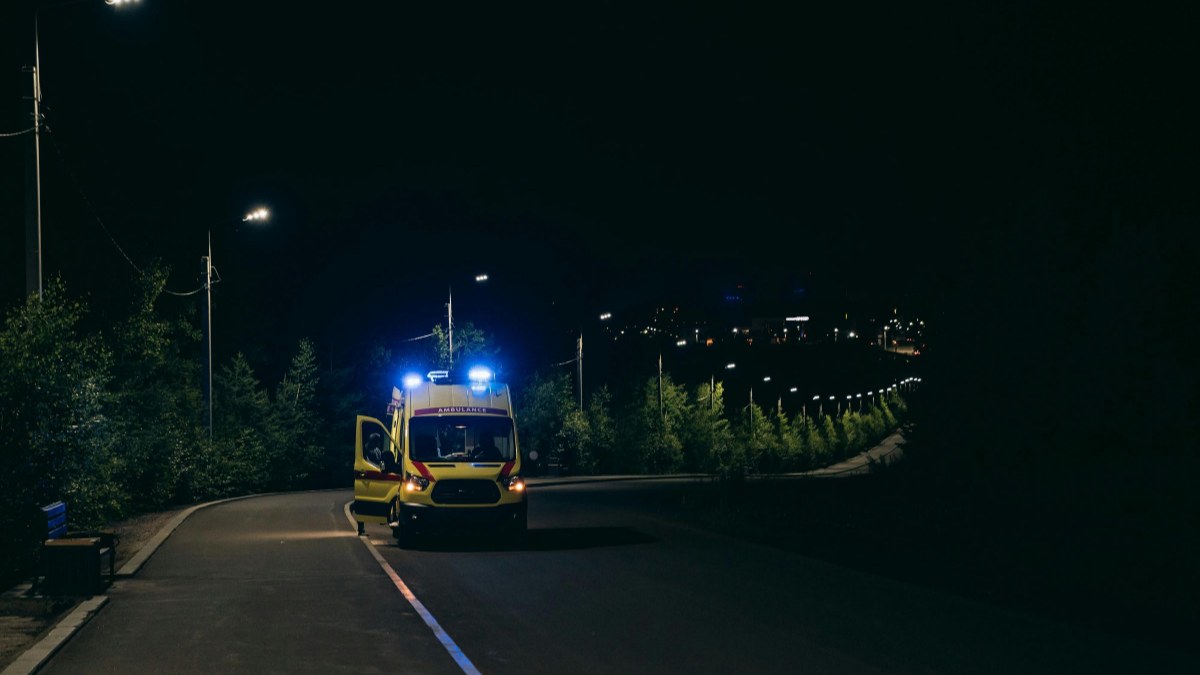
An armed attacker goes down after you fire. Before you can take it in, someone nearby starts screaming threats at you. Another person is walking fast toward your car. You don't know if they are the attacker's friends, whether anyone else has a gun, or whether a second attack is about to start. Your car is a way out. The person you shot is bleeding on the pavement.
In those first minutes you have several separate duties, and they can pull in different directions: getting yourself to safety, reporting what happened, getting help to the injured person and preserving the truth about what happened. Leaving can look like running away, but staying in danger helps no one. The way through is knowing which duty is which.
This is education, not legal advice; after any defensive use of force, talk with an attorney. By the end you should be able to explain the difference between staying, reporting, summoning help and giving first aid, and describe how to reach safety without abandoning anyone who needs care.
The end of the attack is not the same as safety
"The threat is stopped" can mean several things. One attacker may be unable to continue. An attacker may have run away. A drawn gun may have made someone back off. None of those means the whole scene is safe.
Picture two versions of the same parking lot. In the first, a lone attacker is down and motionless and the lot is otherwise empty. In the second, the same thing has happened, but two of his companions are coming toward you shouting threats. The attacker's injury is identical. Your safety problem is completely different.
Even in the empty lot, walking up to the injured person is its own decision. He may still have a weapon within reach. You may be hurt and not realize it yet. Approaching may bring you close to someone whose intentions you cannot read. That does not mean every injured person is still dangerous. It means safety has to be assessed, not assumed.
Be careful not to swing the other way either. A neighborhood's reputation does not tell you what the people around you intend. What justifies a safety concern is what you actually observe: Threats, people following you, someone trying to surround you or block your car, a visible weapon. Every first aid course starts the same way, with checking that the scene is safe. Safety is the first step of helping, not the opposite of it.
Base your decisions on what people around you are actually doing, not on assumptions in either direction.
Four different responsibilities
People often say you must "stay and help." That phrase bundles four separate questions together. Must you report the force? Must you get medical help for the injured person? Must you stay in that spot? Must you personally treat the injury? Iowa answers them differently.
Reporting comes from Iowa Code section 704.2B. If you use deadly force, you must notify a law enforcement agency, or have someone else do it, within a reasonable time, if you or that person are able. The same section forbids intentionally destroying, altering, concealing or disguising evidence, intimidating witnesses, or getting anyone to change their account. It does not expressly say you must remain at the scene or give first aid.
Summoning help comes from Iowa Code section 727.12, Iowa's failure-to-assist law. If you reasonably believe someone faces a risk of serious bodily injury or imminent death, you must, if able, attempt to contact local law enforcement or emergency responders. You do not have to if doing so would put you or the other person at risk of serious injury or death, or if you reasonably believe they do not need help. Failing to call without lawful cause is a simple misdemeanor if the person is seriously injured, and an aggravated misdemeanor if they die.
Read those two laws together and a picture emerges. Iowa requires you to report and to call for help when you safely can. Neither statute requires you to stand in one spot or to treat the wound with your own hands. The phrase "if able" matters: Someone escaping an ongoing threat may not be able to call that second. But once you are safe and able to talk, a continued silence needs a very different explanation.
The law gives you room to protect yourself, but not room to delay help once you are safe. Report the force and call for medical help as soon as you safely can, whether or not you stay in that exact spot.
Key idea: Getting safe and getting help are not opposites. You can leave danger and still be the person who brings the ambulance.
What a responsible departure looks like
Compare two ways of leaving. In the first, you drive away because threatening people are approaching, and as soon as you are clear you call 911. You tell the dispatcher where the shooting happened, that someone is injured and needs an ambulance, what danger made you leave, what your car looks like, where you are going and that you will wait there for officers. Then you stop and wait. In the second, you drive home, put the gun away, and hope no one figures out who you are.
The first sequence is consistent with both protecting yourself and getting help to the injured person. It gives officers a way to find you. The second creates questions about delay, concealment and avoiding police that no explanation will easily answer.
Be honest about the limits of this. Iowa's statutes do not specify an approved distance, and no Iowa court decision we found creates an automatic safe harbor for leaving. Whether a departure was reasonable depends on the facts. Two miles to the nearest well-lit, staffed business might be sensible. The same two miles might be unnecessary if you were already behind a locked door with police on the way. A longer drive would need facts that explain it.
Other states have thought about this. In a 2000 case, the Montana Supreme Court held that a person justified in using force does not have to give aid in a way that exposes them or others to serious injury or death, including staying in or returning to the danger zone, but that a duty to summon help can arise once they reach safety. That is not Iowa law, but it reflects the same common sense: Escaping danger and seeking help are separate steps, and the second follows the first.
Leaving for safety is legitimate, but it puts more weight on how quickly and completely you report. Go only as far as you need to be safe, tell 911 exactly what happened and where you are, and stay where you said you would be.
Common mistake: Going home. Home feels safe, but driving there without calling, or putting your gun away before police know what happened, can look like flight and concealment, even if the shooting itself was fully justified.
A 911 call that names two places
If you leave, the emergency now has two locations: Where the injured person is, and where you are. Mixing them up can delay care. If you say only, "I was involved in a shooting and I'm at the gas station on Main," the dispatcher may not know where to send the ambulance.
The national 911 program advises callers to give the location of the emergency, a callback number, what happened, and relevant details, to answer the call-taker's questions, follow instructions, and stay on the line until told to hang up. After a defensive shooting, that means something like this, in plain words.
- Where the injured person is. A specific address, intersection or landmark, not just "the parking lot."
- What happened and who needs help. That someone was shot, that they are down or bleeding, and whether anyone else was hurt.
- What danger remains. Whether other people threatened you, whether an attacker fled and in what direction, and whether anyone else may be armed.
- Where you are and how to recognize you. Your current location, what you are wearing, what your vehicle looks like, and that you are armed, so the dispatcher can tell you how to meet officers safely.
Of these, the first does the most work, because an ambulance cannot help someone it cannot find. Describe what you actually know, not guesses about wounds or other people's intentions. If the call drops, call back when you safely can and say it is about the earlier shooting.
This call is for getting help and protecting lives, not for giving a detailed legal account. You can say that you will cooperate and that you want to speak with an attorney before giving a full statement. Do not delay the call trying to figure out the perfect thing to say. Our article on the Fifth Amendment after a defensive shooting explains how to handle questioning.
Say where the injured person is first, then what happened, what danger remains and where you are.
"He looks dead" is not a reason to skip the call
A person lying motionless after being shot is still a medical emergency. You are not qualified to declare someone dead from across a parking lot, and gunshot wounds can involve serious internal bleeding without much visible blood. Report what you see: He is down, he is not moving, he is bleeding. Let paramedics make the medical judgment.
This matters legally too. "I could not safely get close" describes a limitation. "There was no point calling, he was obviously dead" describes a decision to withhold help based on a guess. Iowa's failure-to-assist law excuses a person who reasonably believes someone does not need help, but a jury would have trouble seeing a lay guess about death as reasonable when a phone call was all it took.
Call for help for every injured person, including the attacker.
Must you give first aid to the person you shot?
Iowa's reporting and failure-to-assist laws do not command personal medical treatment. That is a conclusion about those two statutes, not a promise that no other duty could ever arise. If you start helping someone and then abandon them in a worse position, or if other circumstances create a special responsibility, other legal questions can come up.
Whether to give aid yourself is a practical judgment. Are you trained? Can you do it without giving up necessary safety? Is someone else already helping? What is the dispatcher telling you? The answers can change as the scene changes. Remember that the person who was hit may not be the attacker. A missed shot or one that passes through can strike a bystander, and an attacker who is down may still be armed. Calling for an ambulance from a safe distance serves the injured person without putting you in danger. If the scene becomes safe and you are able, giving care within your training, as the dispatcher directs, can save a life.
Iowa's Good Samaritan law, section 613.17, generally protects a person who gives emergency care in good faith and without pay from civil damages, except for recklessness or willful and wanton misconduct. That protects you if you choose to help. It does not require you to help, and it does not cover the shooting itself.
Call first; give hands-on aid only when it is safe and within your skills. Our article on medical preparedness for armed and unarmed citizens covers what training is worth having.
Leaving can become evidence even when it is not a crime
There is a difference between something being illegal and something being used as evidence. Iowa courts have recognized that avoiding police can support an inference that a person knew they had done wrong, while also recognizing that leaving can be entirely consistent with innocence and cannot simply be treated as proof of guilt.
That is why everything around a departure matters. A prompt call, an accurate account of the danger, and a stated location where you wait for officers are evidence of why you left. They do not guarantee that you will not be detained or arrested, but they make your explanation credible. On the other hand, courts have treated leaving, hiding the gun, failing to call an ambulance and denying involvement, taken together, as conduct inconsistent with self-defense.
Do not treat this as a matter of appearances. The goal is not to make a recording that sounds good while holding back the injured person's location. The goal is to get safe, get help, tell the truth and preserve the evidence. Act in a way you can explain truthfully, step by step.
Preserve the evidence without becoming part of the scene
You can leave a dangerous place and still preserve evidence. Your clothing, your firearm, your phone's photos and any video all go with you or stay where they are. You do not need to collect anything to keep it from being lost.
Do not pick up shell casings, clean your gun, delete messages or recordings, move objects, or talk with witnesses to "get the story straight." Section 704.2B makes intentional alteration or concealment a separate crime after deadly force. Securing your firearm safely in a holster or locked in your car is different from hiding it; tell officers exactly where it is and do not reach for it when they arrive. If a camera or object at the scene matters, tell investigators about it rather than going back into danger.
Only move an injured person for real safety or medical reasons, never to change how the scene looks. First aid guidance advises leaving someone with a possible head, neck or back injury in place unless moving them is necessary for safety, CPR or bleeding control.
Change nothing, hide nothing, and tell officers where everything is.
Good practice: Program a short note into your phone now: "Location of injured person. What happened. Danger remaining. Where I am. I am armed." Under stress, people forget the most obvious things. A note you have read a dozen times will come back to you.
Things this article does not cover
Two related situations need their own analysis. If your car struck someone while you were escaping, Iowa's traffic laws on injury accidents, sections 321.261 and 321.263, impose their own duties to stop, identify yourself and give reasonable assistance, and calling from a safe place may not satisfy all of them. And if you only displayed your firearm and no shot was fired, Iowa's section 704.2 says a display limited to creating an expectation of defensive deadly force is not itself deadly force, so the deadly-force reporting rule may not apply. Reporting the incident is still wise, because the other person may call police first with their own version.
Iowa's stand your ground law, section 704.1(3), also does not mean you must stay afterward to show confidence. It addresses whether you had to retreat before using force. Leaving afterward does not prove the force was justified, and staying does not make unjustified force lawful. Each decision is judged on its own facts.
When in doubt, report, preserve and get legal advice.
Putting it together
After defensive force, you have separate responsibilities. In Iowa you must report deadly force to law enforcement within a reasonable time if able, and you must try to contact emergency responders for anyone facing serious injury or death if you safely can. You may not destroy or alter evidence or pressure witnesses. Iowa's statutes do not expressly require you to stay in one spot or to give first aid with your own hands.
So if the scene is unsafe, get safe. Then, immediately, call 911, name where the injured person is, explain what happened and what danger remains, say where you are and that you are armed, and wait there for officers. Leave the scene and the evidence as they are. The question is never just "Do I stay or do I go?" It is "How do I reach safety while getting help to everyone who needs it and preserving the truth about what happened?"
Good practice: Know the exact address or nearest intersection of the places you go most, and pick a well-lit, staffed place near home and work where you could wait for police if you ever had to leave a scene. Under stress, a location you already know is one you can say.
Check your understanding
Try answering these before you open the answer. If you can decide what to do and explain why, you have it.
1. After a justified shooting, two of the attacker's friends start toward you shouting threats. You drive to a gas station a mile away. What should happen next?
Call 911 immediately. Say where the shooting happened and that someone is injured and needs an ambulance, describe the threats that made you leave, say where you are now, what your car looks like and that you are armed, and wait there for officers.
2. You are safe behind a locked door after a shooting and can use your phone. You spend twenty minutes calling friends to ask what to do. What is the problem?
Once you are safe and able to call, Iowa's laws require you to report the deadly force and attempt to get help for the injured person. The original danger explains why you needed to get safe; it does not explain twenty minutes of not calling 911.
3. The person you shot is not moving. You decide there is no point calling an ambulance because he looks dead. Why is that a mistake?
You are not qualified to make that judgment from a distance, and gunshot victims can survive with prompt care. Iowa's failure-to-assist law requires a call when you reasonably believe someone faces serious injury or death. Report what you see and let paramedics decide.
4. After a shooting in a parking lot, the attacker is down, his gun is out of reach, no one else is around and 911 is on the way. You carry a tourniquet and took a Stop the Bleed class. Must you treat him, and should you?
Iowa's reporting and failure-to-assist statutes don't require you to treat him with your own hands; they require you to report and to call for help when you safely can. Whether you should is a practical judgment: the scene is safe, you're trained and help is minutes away, so giving care within your training, as the dispatcher directs, may save a life. Iowa's Good Samaritan law generally protects good-faith emergency care.
5. A friend says that after a shooting you should pick up your shell casings so they do not get lost. Why not?
Moving or collecting evidence can be treated as altering or concealing evidence, which Iowa Code 704.2B prohibits after deadly force. Leave everything as it is and tell investigators where it is.
Where to go next
You can find tourniquets and tourniquet holders on our website, including the North American Rescue C-A-T tourniquet, and anything listed there can be ordered if it isn't in stock.
For how to handle police questioning, read the Fifth Amendment after a defensive shooting and Miranda and shootings. To understand why moving an injured attacker is dangerous, read why dragging someone inside is a dangerous myth. For the training and supplies that make helping possible, see medical preparedness for armed and unarmed citizens. And for the emotional side of what comes after, read recovering after a defensive emergency.
If this article helped you, we invite you to sign up for email notifications of new blog articles.