
The .22 LR: An Ideal Firearm for Building and Refining Shooting Skills
Joseph McLain Nov 07, 2026
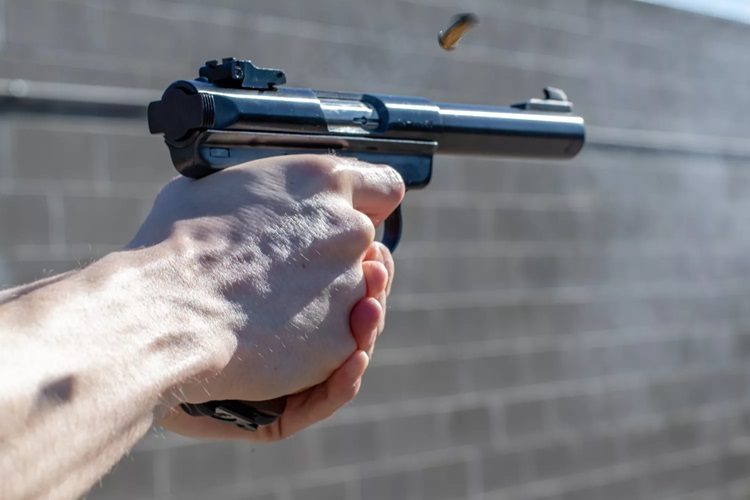
A friend wants to learn to shoot. Or maybe it's your daughter, your spouse, or you after a long break from the range. A .22 seems like the natural place to start, and you wonder whether that is wise or whether a .22 is just a toy.
Instructors keep recommending the .22 Long Rifle (LR) for good reasons. By the end you should be able to explain what the .22 LR teaches, choose between a rifle and a pistol for your goals, and use two drills that sharpen trigger control and follow-through.
Why the .22 LR works as a teaching tool
The .22 LR has long been celebrated as an excellent training tool for shooters of all levels. Its minimal recoil, low noise and affordable ammunition create an environment where you can build solid shooting habits without being overwhelmed by the physical and financial demands of higher-caliber firearms. Think of learning to drive in an empty parking lot. You work on the same skills you will need on the highway, without the speed and pressure that make mistakes costly. The .22 LR is that parking lot for shooting.
Key idea: Learning happens when you can pay attention to the right thing. Low recoil, low noise and low cost remove three big distractions, so your attention can go to sight alignment, trigger control and follow-through.
Each of those three advantages deserves a closer look, because understanding why they help will tell you how to use them.
Minimal recoil: Why a gentle gun builds confidence and control
Recoil is the backward kick you feel when a firearm is fired. The .22 LR produces very little of it because of its small powder charge and light bullet, which result in lower muzzle energy and a gentler recoil impulse. That matters more than it might seem. With higher-caliber firearms, significant recoil can cause flinching, disrupt sight alignment and make it hard to develop a smooth, controlled technique. A flinch is a sudden, involuntary reaction in which your body braces for the shot before it happens. Picture bracing to catch a heavy ball that turns out to be light. Your arms tense early, and that early tension is what spoils the catch.
When the kick is small, your body has less to brace against and you can concentrate on form. That pays off in three ways.
- Confidence. Beginners are less intimidated by how the firearm behaves, and you can concentrate on your form without the fear of being "jumped" by the shot.
- Control. A softer recoil allows smoother trigger pulls and better follow-through, and consistent low-recoil shots build the muscle memory that lasting habits depend on.
- Repetition. With minimal physical disruption after each shot, you can fire more rounds with consistent results. That consistency is essential when you move to higher-caliber firearms, where controlling recoil is more challenging.
Of the three, repetition does most of the teaching, because confidence and control are what make repetition possible. Master the habit with the .22 first and to move up in caliber only when you can shoot the .22 without flinching.
Trigger control: Why a gentle gun shows you your own mistakes
Accurate shooting hinges on trigger control, which is the ability to pull the trigger smoothly and steadily without disturbing your sight picture. Many shooters, beginners and experienced alike, tend to jerk the trigger, and the shot deviates from the intended target. The cause and effect is simple. A jerk moves the muzzle at the exact moment the bullet is leaving, and the bullet follows that movement.
The .22 LR is an ideal place to fix this, because with so little recoil and noise competing for your attention, there is far less to hide behind. If a shot goes wide, you can usually trace it to what your finger did instead of what the gun did. That lets you isolate and improve your sight alignment and breathing too, and the refined trigger control you build here will help you manage more challenging recoil in the future. For a closer look at technique, see our article on trigger control tips.
Common mistake: Blaming the gun or the ammunition when a group opens up. Flinching and jerking the trigger look exactly like equipment problems on paper, so check your own habits first.
The ball-and-dummy drill
The ball-and-dummy drill reveals a flinch you can't feel. With eye and ear protection on and the muzzle downrange, a partner who handles firearms safely loads your magazine out of your sight with a random mix of live .22 LR rounds and inert rimfire dummy rounds, often called snap caps. You aim and press the trigger smoothly, watching the sights. When the firearm doesn't fire, a dip of the muzzle or a jerk of the hand is your flinch, plain to see, and slow, deliberate repetitions are the cure. Because rimfire misfires happen, a round that doesn't fire is treated as a possible live misfire: keep the muzzle downrange for at least 30 seconds before clearing it with the firearm's normal procedure. When the sights stay steady on the dummy rounds, the flinch is gone.
Affordable practice: Making every round count
Skill improvement comes with plenty of practice, and that is where the .22 LR shines. Ammunition costs for higher-caliber firearms can add up quickly and make extensive practice financially prohibitive for many people. The .22 LR is one of the most economical options available, so high-volume practice is both accessible and sustainable. The lower financial pressure also encourages experimenting with techniques and drills, since a failed experiment costs little. More frequent sessions lead to faster improvement in the fundamentals.
There is a catch. Volume only teaches when each shot is deliberate. Firing round after round with a careless grip just practices carelessness. Give every magazine one job, such as "watch the front sight through the shot" or "press the trigger straight back," and you turn inexpensive rounds into focused training. Different brands also group differently in different firearms, so see General Considerations for .22 LR Ammunition Selection when you are choosing what to buy.
Low noise: Fewer startles, calmer focus
For many new shooters, the loud report of a firearm is startling and even discouraging. The intense sound can cause flinching, the same sudden, involuntary reaction that heavy recoil produces, and it disrupts your aim and technique. The .22 LR has a comparatively quiet report, which makes for a more forgiving introduction. A quieter shot reduces the startle response, and staying relaxed improves accuracy. It is especially helpful for people who are sensitive to loud noise or are still developing the mental discipline that precision shooting requires, and it encourages you to keep practicing without the stress of intimidating noise.
Quieter does not mean quiet, though. A .22 LR can still harm your hearing, so wear hearing and eye protection every time (see The Importance of Eye and Ear Protection). For an even calmer setting, subsonic loads are available for quieter shooting, and suppressors can reduce noise further. Suppressors come with their own rules, so learn what applies to you from the proper authorities or a qualified professional, and read What Are Suppressors and How Do They Work? first.
Rifle or pistol? What each platform teaches
The .22 LR is available in both rifle and pistol configurations, and each one teaches a different side of firearm handling and control.
| Platform | What supports you | What it teaches | Good for |
|---|---|---|---|
| .22 LR rifle | A shoulder stock that anchors the firearm, and a longer barrel | Proper stance, breath control and follow-through, plus steady sight alignment | Learning the fundamentals in a stable, predictable way |
| .22 LR pistol | Only your grip, hand strength and fine motor control | A firm yet controlled grip, trigger mechanics, and managing recoil and sight alignment in less stable conditions | Sharpening trigger control and drills with quick, successive shots |
The difference comes down to support versus challenge. A rifle gives you plenty of support, which makes it easier to maintain consistent sight alignment and a steady stance and to see the fundamentals working. Its longer barrel also gives a greater distance between the front and rear sights, called the sight radius. A longer sight radius makes small alignment errors count for less, which can enhance accuracy and teaches you the value of precision. A pistol takes most of that support away, so the importance of smooth trigger control is even more pronounced, and it sharpens your ability to separate the trigger pull from every other movement. Pistols are also well suited to drills that need quick, successive shots, such as close-quarters precision and rapid-fire work, but add speed only after your shots are accurate and your handling is safe.
Here is a rule to use. If your goal is to learn sight alignment, stance and breath control, start with a rifle, and our guide to choosing a .22 rifle is a good next step. If your goal is handgun skill, practice on a .22 pistol, and choosing a pistol as a beginner will help you pick one. Many shooters use both, because the two platforms reinforce each other.
Follow-through: Finishing the shot
Follow-through is maintaining your shooting position and focus even after the shot has been fired. It completes the mechanical sequence of a shot, so you hold your sight picture and stay aligned with the target until the bullet leaves the barrel and a moment beyond. Think of a golfer holding the finish of a swing. If you relax or look away the instant you pull the trigger, the shot is not really finished, and the movement can creep into it.
The .22 LR's minimal recoil makes it an excellent firearm for practicing this, since you do not have to "recover" from a heavy kick after each shot. Keeping your focus on the target after the trigger breaks builds consistency and muscle memory, because your body learns the correct sequence of actions until it becomes second nature, even under pressure. It also leads to faster and more accurate follow-up shots, since you do not need to "reset" your stance or re-establish your sight picture.
Calling every shot
Calling your shots trains follow-through. From a steady position at a short distance, aim, press the trigger smoothly and keep your eyes on the front sight through the shot and for a moment after. Before you look at the target, say where the sights were when the shot broke, such as "low left" or "dead center," then compare the hole with your call. When your calls match the holes most of the time, your follow-through is working; when they often don't, you are looking away or relaxing too soon, and that is the habit to slow down and fix.
What the cartridge itself can teach you
Beyond its value as a training tool, the .22 LR is a good way to learn about ammunition and ballistics. It is a rimfire cartridge, which means the primer is located in the rim of the casing and is ignited by striking the rim. In a centerfire cartridge the primer sits at the center. The rimfire design is simpler and lower-powered, which makes it well suited to training, and it influences how the ammunition performs. Our article on rimfire vs. centerfire cartridges goes into the differences.
The .22 LR is not designed for high velocity or long-range performance, but its predictable trajectory is a gift for skill refinement. Its lower muzzle velocity makes it easier to observe and correct deviations in aim, so a miss helps you diagnose what you did. Loads also vary. Subsonic loads are available for even quieter shooting, and supersonic loads (more powerful) suit shooters who want to test accuracy at longer ranges. Trying different loads shows you how various factors affect performance. The .22 LR has been a mainstay in shooting sports for over a century, and its enduring popularity says a lot about its effectiveness as a training tool and its role in making shooting accessible.
Putting it together
So is "start with a .22" wise advice or a polite way of saying "toy"? It is wise advice. Low recoil, low noise and low cost let you do more focused repetitions, and focused repetitions are how good habits form. That does not make the .22 the end of the road, and it is not the right tool for every job, but as a teacher it is hard to beat. The habits you build with the .22 LR, including precision, control and discipline, carry over to higher-caliber firearms, which add recoil and noise that you will need to manage as you move up.
Check your understanding
Try answering these before you open the answer. If you can decide what to do and explain why, you have it.
1. A new shooter flinches with a larger caliber but not with a .22 LR. Why does the .22 LR help, and what can they practice?
Its small powder charge and light bullet give a gentler recoil, and its quieter report gives less startle. With less to brace against, the shooter can focus on sight alignment, trigger control and follow-through, then carry those habits to larger calibers.
2. Your .22 shots keep landing low and left, but the gun shoots to point of aim for a friend. What is the .22 telling you?
With so little recoil and noise to distract you, a shot that goes wide is most likely coming from your trigger press, not the gun. Low-left for a right-handed shooter often points to jerking or squeezing with the whole hand, so slow down and press straight back.
3. You want to practice sight alignment, stance and breath control. Rifle or pistol, and why?
A rifle. The shoulder stock anchors it and reduces movement, and the longer barrel gives a longer sight radius, so you can learn the fundamentals in a stable way.
4. Your first shot lands well, but your second is always slower and wider. How can follow-through help?
Follow-through means holding your position and focus after the shot breaks. Because you stay aligned, you don't have to rebuild your stance or sight picture, so the next shot comes faster and more accurately.
5. Affordable ammunition lets you shoot more. What makes the extra rounds useful for learning?
Each shot has to be deliberate. Give every magazine one job, such as watching the front sight through the shot, so repetition reinforces good habits instead of careless ones.
Where to go next
To go deeper into technique, start with Mastering the Fundamentals of Shooting, which ties together the stance, grip, sight picture and trigger work you have been practicing here. If a rifle sounds right for you, Choosing the Right .22 Caliber Rifle shows how to pick one. And The .22 Caliber Round traces how the cartridge developed and what to know about its variations.
If this article helped you, we invite you to sign up for email notifications of new blog articles.