
Shooting Glasses Lens Colors: Choosing the Right Tint for the Target
Joseph McLain Nov 07, 2026
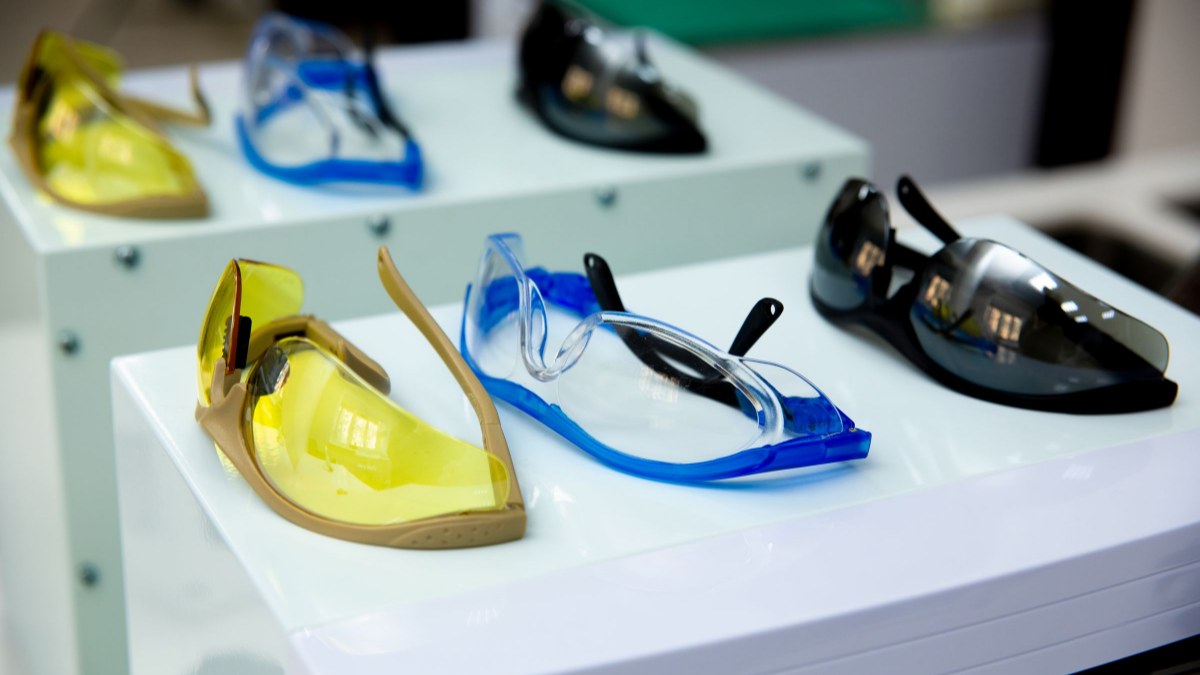
Pull a pair of yellow shooting glasses on during a gray, overcast afternoon and something strange happens. The world looks brighter. Targets seem crisper and the gloom seems to lift, even though there is not one bit more sunlight than there was a second ago. No wonder shooting glasses now come in amber, copper, rose, vermilion, purple, green and blue lenses, each promising to make something "pop."
Should it be purple for trap, yellow for the pistol range, or just dark sunglasses? Lens color can change how a target stands out, but it depends on what you're looking at, what's behind it and how much light you have. And before any of that, shooting glasses have a more important job than color: protecting your eyes.
By the end you should understand how a colored lens changes what you see, why darkness matters as much as color, what each common color is good for and why feeling sharper isn't the same as seeing better, so you can pick a lens for your own range, targets and light for a reason, without buying a dozen.
Shooting glasses have two jobs
The first job is protection. Pieces of clay targets can fly back toward the line. An ejected case can bounce off a barrier and hit you in the face. A fragment of a bullet or target, a splash of debris or a piece of a failed part can arrive with no warning. The NSSF recommends eye protection whenever you shoot and also when you take guns apart or clean them, since springs and solvents can hurt eyes too.
The second job is helping you see. A pistol shooter needs to see a dark front sight against a dark target. A rifle shooter with a red dot needs to see the target without losing the dot. A clay shooter has to find and follow a small, fast target as the background behind it changes from sky to trees. These are different visual problems, which is why a lens that seems magical for one shooter may do nothing for another.
Key idea: Protection comes first. A lens with a beautiful view and inadequate impact protection is the wrong lens, no matter its color.
How a colored lens changes what you see
Sunlight looks white, but it is a mix of every color. An orange clay, green trees, a blue sky and a black target each reflect a different mix of that light toward your eyes. A colored lens lets some colors through more easily than others.
Picture an orange clay crossing in front of a green tree line. The clay sends back a lot of orange-red light; the leaves send back mostly green. If your lens lets much of the orange through while cutting some of the green, the clay stands out more against the trees. The lens did not make the clay any brighter. It turned down the background so the target wins the contest for your attention. That is the whole idea behind specialty shooting lenses.
It also explains why a plain orange lens is not automatically best for orange targets. A strong orange tint can make everything look orange, including the clouds and the ground, and if the background starts to look like the target, you lose separation. Better clay lenses are designed to keep the target color while suppressing the specific background colors that compete with it.
It helps to separate three things that advertising lumps together as "contrast." Brightness contrast is the difference between light and dark, like a black bull on white paper. Color contrast is the difference between hues, like orange against green. Visual comfort is simply not squinting. A lens can help with one of these and do nothing for the others, and that is fine as long as you know which problem you are solving.
Darkness matters as much as color
Every tinted lens blocks some light. Manufacturers describe how much gets through as visible light transmission, or VLT, given as a percentage. A lens with 80 percent VLT is light; one with 15 percent is dark sunglass territory. Two lenses can both be called "purple" and have completely different VLT. One might be made for an overcast day, the other for blazing sun.
| Lens type | Typical light transmission |
|---|---|
| Clear | About 90 percent |
| Light tints (light yellow, light amber) | About 60 to 85 percent |
| Medium tints | About 30 to 60 percent |
| Dark sun lenses | About 10 to 25 percent |
Treat those ranges as rough guides; the product's own specification beats the color name every time. And remember the most important fact: A lens cannot make daylight. When someone says yellow lenses brighten a cloudy day, they are describing how the scene feels, not how much light reaches the eye. Less light gets through a yellow lens than through a comparable clear one. Sometimes the change in color balance is worth that loss. In genuinely low light, it usually is not.
Clear: The baseline, not the bargain
Clear lenses are often treated as the cheap default until you can afford something fancier. That has it backwards. Clear lets through the most light and does not change colors at all, which makes it the right choice for indoor ranges, evening shooting under range lights and any time light is limited.
Clear is also the yardstick for judging every other lens. If you try a yellow lens and the target suddenly looks sharper, switch back to clear and then to the yellow again, at the same target and in the same light. Otherwise you might credit the color for something that was really just a change in darkness or lens quality. Clear's one weakness is bright sun, where it protects your eyes but leaves you squinting. That is where a tint earns its place.
Gray and smoke: When the problem is too much light
Gray or smoke lenses work like good sunglasses. They cut overall brightness while changing colors as little as possible. Picture shooting black bulls on white paper under a cloudless July sky. The target already has plenty of contrast. You do not need to boost orange or suppress trees; you just need to stop squinting. A good gray lens is often exactly right.
Now move that black target into shade against a dark dirt berm. A very dark smoke lens can strip away the little detail left and make the target harder to find. Even on a sunny day, a range can have bright and shaded areas side by side, so darker is not automatically better. Gray is excellent when the target is already easy to tell apart from its background and the sun is the problem.
Yellow and amber: Why gray days look different
Yellow lenses cut part of the blue end of the light while letting warmer colors through. Because haze and overcast skies are heavy on scattered blue light, trimming it can make a flat, washed-out scene feel crisper and warmer. That is why so many shooters love yellow on cloudy days.
Here is the surprise: Feeling sharper is not proof of seeing better. In one study comparing yellow lenses with neutral lenses of the same darkness, people who had a preference favored yellow about two to one, yet their measured ability to detect contrast was not significantly different. A later study found that light yellow did better than darker lenses on some measures, but the differences tracked how much light got through more than the color itself. A lens can make the world more pleasant to look at, and that has value, without making you more accurate.
The biggest myth is that yellow is a night lens. A study published in JAMA Ophthalmology in 2019 tested yellow glasses in a night-driving simulator and found they did not help drivers spot pedestrians compared with clear lenses, and did not reduce the effect of headlight glare. Night driving is not shooting, but the principle carries over: In real darkness, throwing away light does not help just because what is left looks warmer.
Common mistake: Wearing yellow or amber lenses for dusk or night shooting because they "brighten things up." They actually let in less light than clear. As the light fades, switch to clear, and if you cannot clearly identify your target, stop shooting.
Amber, brown, bronze and copper sit in the middle. Amber is a good choice for mixed sun and clouds, warmer and less intense than strong yellow. Bronze and copper usually run darker and work well in bright sun, subduing the sky while giving reds, browns and oranges a little more presence. One caution: If a brown target sits against a brown berm, a brown lens may not separate them at all. Try light yellow or amber when the day is flat and gray, and keep clear handy when it gets truly dim.
Clay colors: Orange, rose, vermilion and purple
These colors earn their place in trap, skeet and sporting clays because most clay targets are fluorescent orange, and the backgrounds they fly across are mostly blue sky and green trees.
- Orange. Can tone down a blue sky while keeping the clay bright, which helps when birds fly mostly against open sky.
- Rose and vermilion. Can reduce the visual noise of green foliage while preserving the clay's warm color, helping a target separate from trees.
- Purple. Designed to cut both green and some blue while keeping orange, which helps a clay that moves from sky into a tree line.
Of these, purple is the clearest example of why "best color" advice fails. Its whole advantage comes from the relationship between an orange target and a green-and-blue background. On a paper target at the pistol range, it may offer nothing. And names are not standardized: Two purple lenses can filter very differently, and one maker's rose can look like another's vermilion. Read the manufacturer's description of what each lens is designed to do and at what light level.
Think about a sporting clays station where the bird comes out of a shaded trap house, crosses bright sky and drops toward distant trees, all in a couple of seconds. The best lens is the one that works across that whole flight, not the one that makes the bird look most colorful at a single moment. That is why serious clay shooters often carry several lenses and change them as the light shifts.
Blue and green: Narrow uses
Blue and green lenses have legitimate uses, but narrower ones. A blue lens can make orange targets look darker rather than brighter, which can make them harder to see; at least one maker designs its blue lens specifically for lime-green targets. Green sunglass tints are comfortable in bright light and keep the landscape looking natural, but a generic green lens does not offer the same orange-versus-green separation as a purpose-built clay lens. For black-and-white paper targets, blue belongs near the bottom of your list.
Pistols, rifles and clays need different things
Picture three shooters. The first fires an iron-sighted pistol at a black bull on white paper. Finding the target is not the problem; seeing the sights clearly without glare or fatigue is. Clear indoors and gray or a warm tint outdoors may be all this shooter ever needs.
The second shoots a rifle through a magnified scope. The scope already shapes the image, and a colored lens changes everything you see through it. A clear or mild neutral lens is often best when target detail matters. If amber seems to help on a hazy day, test it by looking through the scope, not by holding the glasses up to the sky.
The third follows orange clays across changing backgrounds, and this is where rose, vermilion, purple and orange lenses truly earn their keep. If you use a red dot or illuminated reticle, test every lens with it. Some tints dim a red dot noticeably; others barely affect it. Polarized lenses cut glare off water, snow and concrete, but they can interact oddly with some optic displays, so check yours before relying on them.
Photochromic, polarized and mirrored lenses
Photochromic lenses darken in sunlight and clear in shade. That is convenient when you move between the two, but they only change darkness, not the kind of color filtering that helps a clay stand out. Most darken in response to ultraviolet light and react more slowly in the cold, so test how fast yours change and whether they clear enough in shade.
Polarization reduces glare reflected off flat surfaces like water, wet pavement and snow. It does not separate an orange clay from green trees, and polarized does not automatically mean UV-blocking. A mirror coating mostly changes what other people see; a blue mirror does not mean you are looking through a blue filter. Judge any lens by what you see through it and by its specifications.
And do not overlook the boring features. A lens that fogs or is badly scratched hurts your vision far more than choosing amber over copper. Anti-fog coatings and scratch resistance matter.
Age and prescriptions: When color is not the problem
No tint can fix an outdated prescription. After about age 40, most people develop presbyopia, the eye's gradual loss of ability to focus up close. You may still see the target perfectly and find the front sight getting blurry. That is a focusing problem, not a color problem. An eye doctor who understands shooting distances can help with a prescription designed for sight focus, and if you want prescription lenses in wraparound frames, make sure they are made for that curve to avoid distortion.
Protection matters more than any color
Look for eyewear marked with a high-impact rating under the current ANSI Z87.1 standard. A plain "Z87" marking and the high-impact "Z87+" marking are not the same thing; for shooting, look for Z87+ on both the lenses and the frame. Some eyewear also meets the military's ballistic eye protection specification, which is a different and more demanding framework. Vague claims like "military-grade" with no standard named mean little. And no rating makes glasses bulletproof.
Coverage matters too. Wraparound designs and proper side shields block debris coming from the side. Check the fit in your actual shooting position with your hat and ear protection on. Earmuffs can push frames out of place, thick temples can break the seal on your muffs and big gaps near the brow or cheek defeat the purpose. Finally, darkness is not UV protection. A clear lens can block UV completely and a dark lens can block little, so look for documented UV protection for outdoor shooting.
Safety: Put your glasses and muffs on together before you buy either one. If the temples break the seal on your muffs, you have traded hearing protection for eye protection, and you need both.
Choosing without buying a dozen lenses
If you mostly shoot pistols and rifles, indoors and out, you need a small set that covers genuinely different conditions. Start with a good clear lens for indoor ranges, evenings and low light. Add a gray or darker bronze lens for bright sun. Then consider a light-to-medium amber for overcast or changing light. Those three cover maximum light, bright-sun comfort and a warmer in-between option. That is a practical recommendation based on the problems each solves, not a claim that amber is proven best.
If clay shooting becomes a big part of your life, then test purple, rose or vermilion specifically against the backgrounds where your birds fly. Do not buy all of them at once. Find out which target-and-background problems actually give you trouble first.
Comparing lenses on your own range
Your own range shows which lenses earn a place. In a safe area off the firing line, with glasses and hearing protection on as the range requires, look at a black bull on white paper, and toward the backgrounds where clays fly if you shoot them, first through clear lenses, noting how easily you see the target's edges and your sights. Then try each tint, returning to clear between tints so your eyes reset, and note each lens's VLT so you know whether you're comparing color, darkness or both. Repeating it on a sunny and an overcast day, at about the same time, tells you which lens to reach for in sun, clouds and low light, and what each one does for your target.
Putting it together
There is no single best lens color, but there is a sound way to choose. When you need all the light you can get, wear clear. When the sun is the problem, try gray or a dark warm tint. When the day is flat and gray, compare light yellow or amber with clear. When an orange clay disappears into trees or sky, look at purple, rose, vermilion or orange. When it gets dark, no tint creates light that is not there.
And keep comfort and performance separate in your mind. Choosing a tint because it feels good is fine, as long as you can still see what you need to see. The mistake is turning comfort into a promise of better accuracy. Good shooting glasses are protective equipment first and an optical filter second. Start with impact rating and coverage, then light transmission, and finally a careful look at your target and what is behind it.
Check your understanding
Try answering these before you open the answer. If you can decide what to do and explain why, you have it.
1. On a gray afternoon, yellow lenses make the range look brighter. Is more light reaching your eyes?
No. A yellow lens lets in less light than a comparable clear lens. It changes the color balance, which can make the scene feel crisper, but it can't add light.
2. Two lenses are both labeled "purple." Why might they perform very differently?
Color names are not standardized, and the lenses may have very different light transmission and filtering curves. One may be designed for overcast days and the other for bright sun.
3. You shoot black bulls on white paper outdoors in bright sun. Do you need a specialty clay lens?
Probably not. The target already has strong contrast. A gray or warm sun lens to cut glare is usually all you need.
4. Why might a purple lens help a clay that flies from open sky into a tree line?
Purple lenses are designed to reduce green and some blue light while keeping the orange of the target, so the clay stands out against both backgrounds.
5. Your glasses are dark and expensive. Can you assume they protect against UV and impact?
No. Darkness says nothing about UV protection or impact rating. Look for documented UV protection and a Z87+ high-impact marking on both lenses and frame.
Where to go next
Eye protection is half of range safety; the importance of eye and ear protection covers the other half. If clays are your game, trap vs. skeet explains the two games and how their targets fly. For low-light shooting and flashlights, read lumens versus candela. And if you are new to the range, shooting range etiquette for new shooters explains what to expect.
If this article helped you, we invite you to sign up for email notifications of new blog articles.