
Quick-Access Gun Safes: How to Choose One That Is Fast and Secure
Joseph McLain Oct 31, 2026
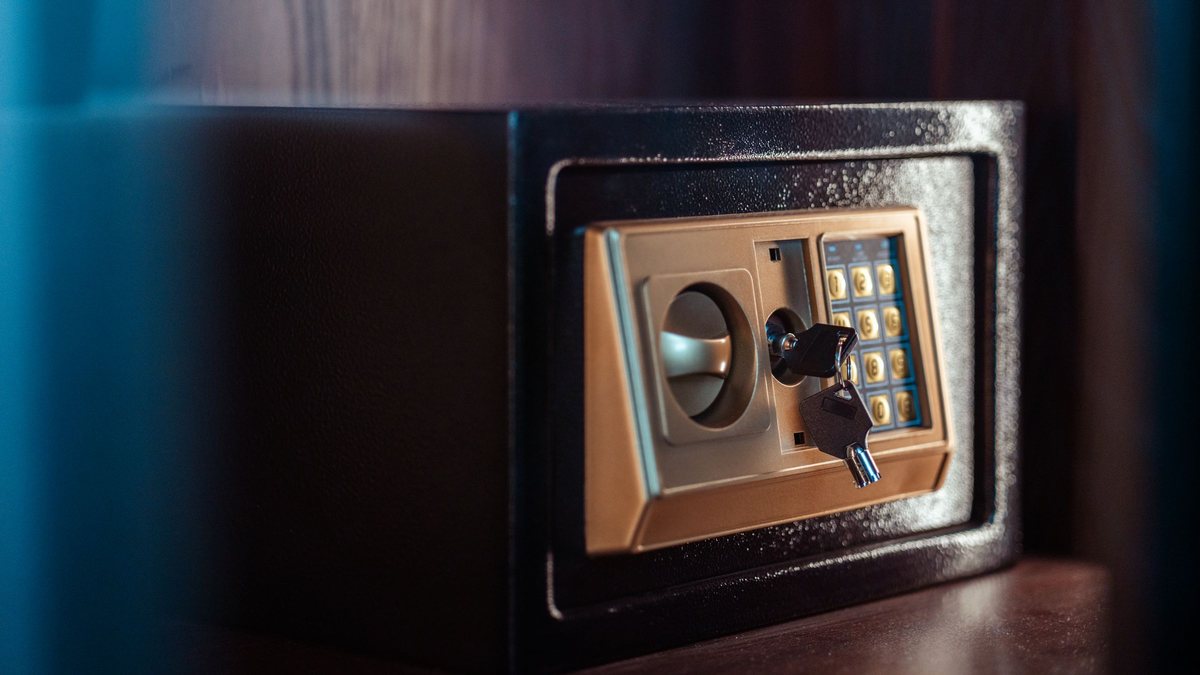
Picture a young couple setting up their first house with a toddler on the way. They have a handgun for home defense, and they know it cannot stay in the nightstand drawer once the baby starts crawling. They head online and find hundreds of small safes: Fingerprint models, keypads, key locks, little boxes that open with a wristband. Prices run from the cost of a nice dinner to the cost of a car payment, and every product page promises both speed and security.
Their friends offer advice. One says biometric safes are the only way to go, because you just touch them and they open. Another says fingerprint readers fail when you need them, so use a simple keypad. A relative says anything small can be carried away, so it has to be bolted down. Each of them is right about something. A quick-access safe has to open fast for you, stay closed for everyone else and stay where you put it, and different designs handle those jobs very differently.
This article explains how quick-access safes work, how each type of lock behaves in the dark under stress, what makes a small safe actually secure and how to set one up so that it does its job every night. By the end you should be able to choose a safe for your home or vehicle, install it properly and test that it opens when you need it.
What a quick-access safe is for
A quick-access safe is a small, lockable container designed to hold a handgun, or sometimes a long gun, where an authorized person can open it within seconds. It is different from a large gun safe, which protects a collection against fire and serious theft attempts, and different from a simple cable lock, which prevents a gun from firing but does not keep it from being taken.
Its main job is keeping unauthorized hands off a defensive firearm while it is not on your body. That usually means children, teenagers, visitors and, to a degree, casual thieves. It is not meant to stop a determined burglar with tools and time. Understanding that difference keeps you from expecting too little or too much.
Think of it like the lock on a bedroom door versus the vault at a bank. Both are locks, but they are built for very different threats. A good quick-access safe is a very good bedroom door lock: It stops the people most likely to try it, and it slows down everyone else. The rule: Buy a quick-access safe to control access in your home, and use a larger safe for long-term storage and theft protection.
Why storage matters in Iowa
Secure storage is first a matter of protecting people. Children are curious, teenagers can go through hard times and guests are not always who you think. A firearm hidden in a drawer or on a closet shelf is not secured. Children find hidden things, and our article on why hiding is not storage explains why.
It can also be a legal matter. Under Iowa Code section 724.22, it can be a crime to store or leave a loaded firearm where you know or should know a child under 14 is likely to gain access to it, if the child does get it and then unlawfully shows it in a public place or uses it to injure or kill someone. The statute names a trigger lock, a locked box or container, or another place a reasonable person would believe is secure from a child as ways to keep it secure. Our guide to child access prevention laws explains how this works and how neighboring states compare.
The rule: Whatever the law requires, store every firearm that is not on your body so that a lock, not your hope, stands between it and anyone who should not have it.
Lock types: How each one opens
The lock is the heart of a quick-access safe. Each type trades speed, reliability and security in its own way. The right choice depends on how you will open it, who else should be able to open it and how well you will maintain it.
- Mechanical key. A key lock needs no batteries and is very reliable, but the key must be kept on you or hidden from others, and finding a key in the dark is slow.
- Keypad or push-button. You enter a code by touch, often on buttons shaped for your fingers, so it works in the dark with practice, but it needs batteries and a code you can enter correctly under stress.
- Mechanical push-button. These use a code entered on buttons without electronics, so they need no batteries, though the number of possible codes is often smaller than on an electronic keypad.
- Biometric fingerprint. A reader recognizes an enrolled fingerprint, which can be very fast, but wet, dirty, injured or cold fingers can cause failures, and quality varies widely between makers.
- RFID tag. A small tag, card or wristband opens the safe when held close, which is fast, but anyone holding the tag can open it, so the tag needs the same care as a key.
Read the list as a set of trade-offs rather than a ranking. Electronic locks are often fastest, but they depend on batteries and electronics. Mechanical locks are dependable, but slower or less flexible. Most good electronic safes include a backup key, which is helpful, but that key then becomes something you must secure. The rule: Choose the lock you can operate reliably in the dark, half-awake and shaking, and secure every backup method as carefully as the main one.
Common mistake: Storing the backup key on top of the safe, in the nightstand drawer or on the family key ring. The backup key opens the safe just as well as your fingerprint does. Keep it somewhere only authorized adults know and can reach.
Speed in the real world
Product pages often say a safe opens "in seconds," and in a well-lit room with calm hands, that is true. The real test is how it opens when you have just woken up, the room is dark and your heart is racing. Under stress, fine motor control drops. That affects how accurately you press buttons, place a fingertip or turn a key.
Biometric readers illustrate the point. Enrolling a fingerprint carefully while relaxed may not match how you touch the reader in a hurry. Many owners improve reliability by enrolling the same finger several times at slightly different angles, and by enrolling a finger from each hand. Keypad owners do better with shorter codes that their fingers can find by feel, along with a safe whose buttons are easy to locate without light.
Picture two people. One bought the fastest-sounding safe and never practiced opening it. The other bought an ordinary keypad safe and opens it with an empty-handed practice run once a week. On the night it matters, the second person is faster. The rule: The fastest safe is the one you have practiced opening, in the dark, many times.
What makes a small safe actually secure
Not all small safes are equally strong. Some thin-walled boxes can be pried open with a screwdriver or opened by bouncing them on the floor, and some low-cost electronic locks have had known weaknesses. You do not need to become a locksmith, but a few features separate solid safes from flimsy ones.
- Steel thickness and construction. Thicker steel and well-fitted doors with little gap resist prying better than thin, loosely fitted boxes.
- Locking mechanism. Solid bolts or latches that engage the body firmly resist forcing better than a single weak latch.
- Hinges and door design. Hidden or internal hinges and doors that sit flush with the body leave less to pry against.
- Mounting holes. Pre-drilled holes for bolting the safe to furniture, a floor or a wall keep someone from simply carrying it away.
- Maker reputation and support. Established makers usually publish manuals, offer replacement parts and respond to reported problems.
Of these, mounting does more than most people expect. A small safe that is not attached to anything can be carried out the door and opened later with time and tools. A modest safe bolted to the floor or a heavy piece of furniture is much harder to defeat. The rule: Buy the sturdiest safe your budget allows, and bolt it down.
Placement and installation
Where you put a quick-access safe matters as much as which safe you buy. It needs to be close to where you will be when you need the gun, usually the bedroom, and positioned so you can reach and open it without turning on a light or stretching across the bed.
At the same time, it should not be in plain view of every visitor, and it should be attached so it cannot be removed. Common choices include bolting it inside a nightstand, under a bed frame, to the floor of a closet near the bed or inside a dresser. Follow the manufacturer's mounting instructions and use the right hardware for what you are bolting into.
Think about the people who share that room. If a child sometimes climbs into bed with you, can they reach the safe or watch you open it? If you have a partner who should also have access, can they reach it from their side of the bed? Our article on home defense planning covers how the safe fits into the rest of your household plan. The rule: Place the safe where you can open it by feel from where you sleep, and attach it so it cannot leave the room.
Safes for vehicles
Vehicles create their own storage problem. Cars are broken into often, and a handgun in a glove box or under a seat is easy to steal. Our article on when a gun is stolen from your vehicle explains what can follow.
A vehicle safe should lock and should also be attached to the vehicle, usually by a steel cable looped around a seat frame or by bolting it to the floor or console. The cable keeps the box from being carried away. Even a good vehicle safe is a short-term solution, though. It slows a thief down, but a car is never as secure as a home. The rule: When a gun must stay in a vehicle, it goes in a locked container attached to the vehicle, for as short a time as possible.
Key idea: Every storage container has to answer two questions: Can unauthorized people open it, and can they carry it away? A safe that only answers the first question is only half done.
Keeping it working: Batteries, codes and checks
A quick-access safe is a small machine, and machines need attention. Batteries weaken over time and in cold. Fingerprint readers get dirty. Codes get shared or forgotten. A safe that worked perfectly the day you installed it can fail quietly months later.
Build a simple maintenance routine. Replace batteries on a schedule, such as when you change the clocks in spring and fall, rather than waiting for a low-battery warning. Learn how your safe signals a low battery and what happens when the battery dies. Clean the fingerprint reader according to the manual. Change codes when someone who knew them should no longer have access. And practice opening the safe, empty-handed, often enough that your hands know what to do.
The rule: Put your safe on a maintenance calendar, because the only time you will discover a dead battery without a plan is the moment you need the gun.
Putting it together
A quick-access safe solves a real problem: Keeping a defensive firearm close at hand while keeping it away from people who should not have it. To do that well, it needs a lock you can open reliably under stress, construction strong enough to resist casual attack, a mounting that keeps it in place, a location you can reach by feel and a maintenance routine that keeps it working.
No safe is perfect. Electronic locks are fast but depend on batteries. Mechanical locks are dependable but sometimes slower. Small safes stop children and casual thieves, not professionals with time and tools. Choose the trade-offs that fit your home, install the safe properly and practice with it. A modest safe that is bolted down and well practiced protects your family better than an expensive one sitting loose on a closet shelf.
Try this: Test your safe in the dark
- Confirm your firearm is unloaded with the action open, and move it and all ammunition to another room. Leave the safe empty for this exercise.
- Close and lock the empty safe. Turn off the lights and lie in bed as you would when sleeping.
- Have someone time you as you reach the safe and open it using only touch, five times in a row.
- Repeat with your backup method, such as the key, to confirm you know where it is and how it works.
- Note any failures, such as missed buttons or unread fingerprints, and fix them by re-enrolling, changing the code or moving the safe.
You will know it worked when you can open the safe in the dark, by touch, on the first try, five times in a row.
Check your understanding
Try answering these before you open the answer. If you can explain it in your own words, you understand it.
1. Your new biometric safe opens perfectly when you test it at the kitchen table, but sometimes fails when you reach for it from bed. What can you do?
Re-enroll the finger several times at the angles you naturally use from bed, add a finger from your other hand and keep the reader clean. Then practice from bed until it opens reliably. If it still fails, consider a keypad model.
2. A neighbor keeps a small safe loose on his closet shelf. Why is that a problem even if the lock is good?
A loose safe can be carried away and opened later with tools and time. Bolting it to the floor, a wall or heavy furniture keeps it in the room, which is half of what makes it secure.
3. Why is the backup key such an important part of an electronic safe's security?
The backup key opens the safe just as well as the code or fingerprint. If it is left in an obvious place, anyone who finds it has access. It must be secured as carefully as the code itself.
4. You need to leave your handgun in your truck while you go into a building where you cannot carry. What should you use?
A locked container attached to the vehicle, such as a cable-secured or bolted vehicle safe. A glove box or center console is easy to break into and usually the first place a thief looks.
5. When should you replace the batteries in an electronic safe?
On a regular schedule, such as twice a year, rather than waiting for a warning. Batteries weaken over time and in cold, and you want to find a weak battery during maintenance, not during an emergency.
Where to go next
To understand why secure storage matters so much with children in the home, read hiding is not storage. For the legal side, see our guide to child access prevention laws. To fit the safe into a full household plan, read home defense planning. And to decide what gun goes in the safe, see handgun, shotgun or carbine for home defense.
You can find quick-access safes, lock boxes and cable locks on our website, and anything there can be ordered if it isn't in stock. Text or call us if you want help choosing one for your home or vehicle.
If you found this informative, we invite you to sign up for email notifications of new blog articles.