
Knife Handle Materials: G-10, FRN, Aluminum, Bone, Wood and What They Mean in Your Hand
Joseph McLain Nov 07, 2026
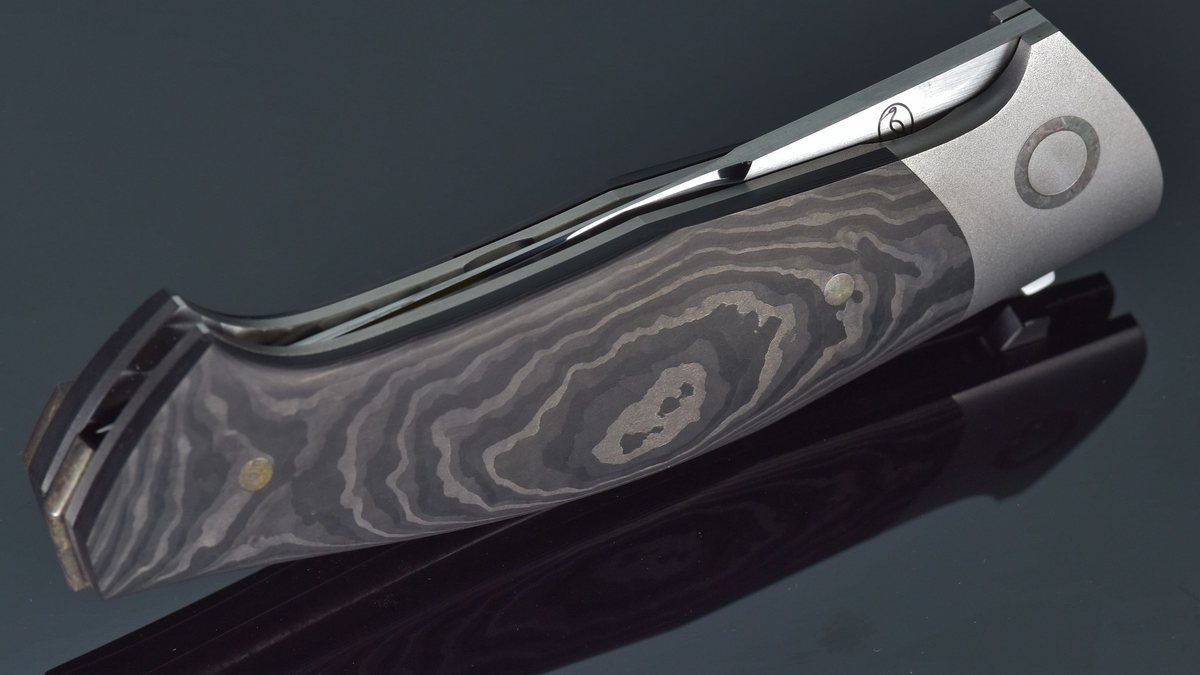
Picture a January morning in Iowa. You are cutting baling twine with bare hands that are already stiff from the cold, and the knife in your hand feels like an ice cube. A knife with a rough synthetic handle would stay put even in wet gloves, and an old bone-handled stockman looks the best of all but wouldn't belong in a duck blind.
Handle materials feel, grip and wear differently, and the best one depends on where your hands are when you reach for the knife. Once you know how each material behaves in cold, wet and hard use, a handle stops being a matter of looks. You can picture how a knife will feel at the worst moment you will use it, and that is the moment that should decide.
How a handle is built: Scales, liners and frames
On most folding knives, the handle is a sandwich. The outer pieces you hold are called scales. Inside them, many knives have thin steel or titanium plates called liners that add strength and often form the lock. Some knives skip the scales and use the metal frame itself as the handle, which is called a frame lock or a metal-handled knife.
This matters because the material you touch is not always the material doing the structural work. A knife with lightweight plastic scales over steel liners can be very strong. A knife with thick G-10 scales and no liners relies on the G-10 itself. When a listing says "G-10 handle," it is describing what you feel, and the build underneath decides how much abuse it takes.
So judge a handle twice: by what you touch for grip and comfort, and by what is inside for strength.
Synthetics: FRN, G-10 and Micarta
Most working knives today use synthetic handles, because they are tough, light and unaffected by water.
- FRN. Fiberglass-reinforced nylon, a molded plastic that is light, tough, inexpensive and comfortable in the cold. It is often textured for grip. Spyderco's "LW" or Lightweight models, such as the Lightweight Native Chief and Manix 2 LW, use it.
- G-10. Layers of fiberglass cloth soaked in resin and pressed together. It is stronger and more rigid than FRN, holds machined texture well and grips even when wet. Many CIVIVI and Spyderco knives use it.
- Micarta. Layers of linen, canvas or paper in resin. It feels warmer and softer than G-10 and actually grips better as it gets a little worn and absorbs oils from your hand. Spyderco's "canvas" Micarta models use it.
Of these, G-10 is the best all-round working handle, because it grips wet or dry, takes hard use and does not care about weather. FRN is the best choice when weight and price matter most. Micarta is for people who like a warmer, more natural feel and do not mind that it can darken or stain over time.
Key idea: Texture matters as much as the material. A smooth G-10 handle can be slicker than a well-textured FRN one. Look at the surface, not just the name.
Metals: Aluminum, titanium and stainless steel
Metal handles are strong and slim, and they look finished. They also share one trait that matters a great deal in Iowa: Metal pulls heat from your hand.
- Aluminum. Light, strong and usually anodized in colors, which also protects the surface. It feels cold in winter and can be slick when wet unless it is textured, and the anodizing can scratch.
- Titanium. Lighter than steel, very strong and corrosion-proof. It is used in many premium frame-lock knives. It is expensive and also feels cold.
- Stainless steel. Heavy but very durable and thin, which is why it shows up on slim knives like money-clip and card-style folders. It can be slippery and feels coldest of all.
Picture grabbing a metal railing on a winter morning compared with a wooden one. The metal feels far colder at the same temperature because it draws heat away from your skin. A metal-handled knife does the same thing in a cold pocket and a bare hand.
If you often work bare-handed in the cold or wet, a textured synthetic will serve you better than metal, however good the metal knife looks.
Natural materials: Bone, wood and stag
Natural handles are the heart of traditional pocket knives. Jigged bone, carved with a pattern for grip and then dyed, is the classic material on Case knives, with names such as Old Red Bone. Wood ranges from simple hardwoods to stabilized wood, which has been filled with resin to resist moisture. Stag, from naturally shed antler, has a rough, natural texture.
These materials feel warm and look beautiful, and each piece is a little different. They also have real limits. Bone and untreated wood can crack, shrink or swell with big changes in moisture and temperature. They do not like soaking, harsh cleaners or being left wet. They can get slick with blood, fat or fish slime.
That does not make them poor choices. A bone-handled stockman is an excellent everyday knife for dry work, and many last for generations. It simply means natural handles are better for the pocket, the workshop and the dinner table than for the duck blind or the cleaning table. Our guide to traditional pocket knife patterns shows where these handles shine.
Rubber, Kirinite and colorful synthetics
Some knives use softer rubber or rubber-like coatings for grip, as on many hunting and fixed-blade knives and some slim folders. Rubber grips well when wet and feels warm, but it can wear, tear or get tacky over many years, especially if exposed to solvents or heat.
Kirinite is a resin-based synthetic used on some traditional-style knives, including several Case models. It is made in bright, swirled colors and patterns, and it shrugs off water better than bone. Like other smooth synthetics, it can be slicker than a textured handle and can show scratches.
Bright handle colors are more than decoration. An orange, red or yellow handle is much easier to find when a knife is dropped in leaves, grass or snow, which is why so many hunting and outdoor knives come in those colors.
Reading product names: What the abbreviations mean
Knife listings pack a lot into a few letters. A few of the most common:
- G10 or G-10. The fiberglass-and-resin laminate described above.
- FRN or LW. Fiberglass-reinforced nylon; "LW" on Spyderco knives means its Lightweight series, which uses FRN.
- Micarta, canvas or linen. Resin-and-fabric laminates.
- Alum or anodized. Aluminum, usually with a colored protective surface.
- Ti. Titanium.
- Bone, jigged bone, or a color plus "bone." Dyed, carved bone.
These are clues about grip, weight and care, not quality rankings. A knife with an FRN handle and a good lock can serve you better than a beautiful bone handle if your work is wet and messy, and the reverse is true for a dress knife carried in town.
Caring for each material
Most synthetics need almost nothing. Rinse G-10, FRN and rubber in warm, soapy water, use a soft brush on textured surfaces and dry them. Micarta can be cleaned the same way; a little darkening over time is normal. Metal handles need the same, plus attention to the pivot, and an occasional wipe with a light oil on steel.
Natural materials need gentler treatment. Wipe bone, wood and stag with a damp cloth and dry them right away rather than rinsing or soaking them. A very light coat of mineral oil or a wood conditioner now and then keeps wood from drying out. Avoid solvents, which can damage finishes, dyes and rubber. Our guide to knife care and rust prevention covers cleaning the whole knife.
Common mistake: Running a bone- or wood-handled knife through the dishwasher. The heat and water can crack, shrink or loosen the handle and ruin a knife that would otherwise last decades.
How to judge a handle before you buy
A spec sheet can't tell you how a handle fits your hand, but a minute with the knife in your hand can. Hold the closed knife in your working grip and squeeze as if you were making a hard cut. A good handle fills your hand without hot spots, and nothing pushes your index finger toward the edge. Run your thumb over the surface: fine texture will grip with wet or gloved hands, and a smooth, polished finish will not. Look at the joint between the scales and the liners or bolsters; it should be tight, with no gaps where water and grime can collect.
Then picture the coldest, wettest or messiest job you will ask of the knife. If the handle would still hold then, it will hold every other day too.
Putting it together
The right handle is the one that keeps your grip secure where your hands actually are. For wet, cold, bloody or dirty work, a textured synthetic such as G-10 or rubber gives the most reliable grip. For light weight and value, FRN does the job well. Metal handles give slim strength and a finished look but feel cold and can be slick. Bone, wood and stag offer warmth and beauty for dry, everyday use and reward gentle care.
Think about the coldest, wettest or messiest moment when you will use the knife, choose the handle that will still grip then and care for it in the way that material needs.
Check your understanding
Try answering these before you open the answer. If you can decide what to do and explain why, you have it.
1. A friend wants a knife for cleaning fish at the lake. Should he choose a bone handle or G-10, and why?
G-10. It grips when wet and slimy and is unaffected by water, while bone can get slick and does not like being repeatedly soaked.
2. On a January morning, you pull two knives from your coat pocket, one with an aluminum handle and one with FRN. The aluminum one feels like ice. Is it actually colder?
No, both are at the same temperature. Metal draws heat away from your skin much faster than plastic, so it feels colder. That is why a synthetic handle is kinder to bare hands in an Iowa winter.
3. You're comparing two versions of the same Spyderco model, and one has "LW" in its name. What difference should you expect in the handle?
LW means Spyderco's Lightweight series, which uses fiberglass-reinforced nylon handles. Expect a lighter knife that is tough and comfortable in the cold, usually at a lower price than the G-10 or metal version.
4. Your grandfather's wood-handled knife is dirty. How should you clean it?
Wipe it with a damp cloth and dry it right away, rather than rinsing or soaking it. A very light coat of mineral oil can keep the wood from drying out. Never put it in a dishwasher.
5. You're buying a knife for field-dressing pheasants and deer, and the same model comes in black or blaze orange. Does the color matter?
Yes. A knife set down in leaves, grass or snow during field dressing is easy to lose, and a bright orange handle is much easier to spot than a black one.
Where to go next
You can find pocket and fixed-blade knives on our website, and anything listed there can be ordered if it isn't in stock.
Handle material is one part of how long a knife lasts, and what makes a knife durable puts it together with steel and locks. If natural handles appeal to you, traditional pocket knife patterns shows where they belong. To choose the rest of an everyday knife, see how to choose the right everyday carry knife. And to clean and protect any handle and blade, read knife care and rust prevention.
If this article helped you, we invite you to sign up for email notifications of new blog articles.