
What Makes a Knife Durable? How to Recognize a Long-Lasting EDC
Joseph McLain Nov 07, 2026
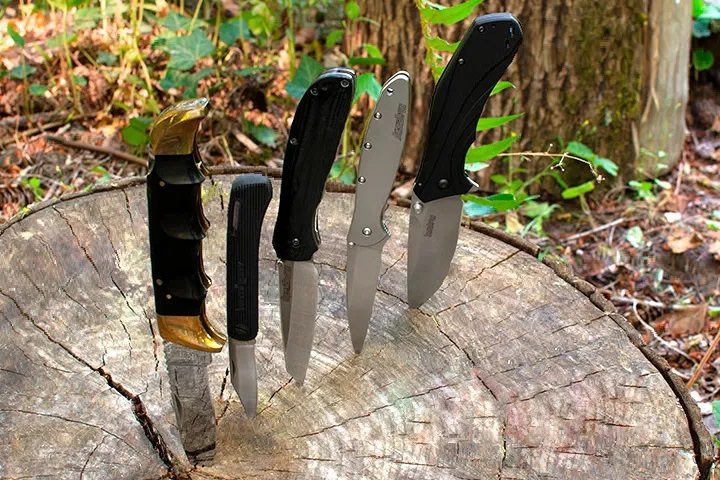
Two folding knives look about the same, but one costs noticeably more. Its label names a steel with a long name, a handle material you've never heard of and a lock type. Does the higher price buy a longer life, or mostly a better story? How do you tell which features are real durability and which are talk?
By the end you should be able to judge a knife by its steel, heat treatment, handle, lock and construction, spot the weak link in any design, and care for it so it lasts. If you are still deciding why you would carry a knife at all, start with why you should have an everyday carry knife.
Key idea: Durability works like a chain. Steel, heat treatment, handle, lock, construction and care are all links, and the knife is only as dependable as its weakest one. A great steel in a loose, poorly fitted knife is still a weak knife.
Blade steel: The trade-off between hard and tough
The blade is the heart of any knife, and its steel is arguably the single most important factor in durability. A good blade should resist wear and hold a sharp edge, and it should also take demanding work without chipping or breaking. Those two goals pull against each other, and understanding that tug-of-war is the key to reading any steel label.
Think of it this way. Hardness is how well a steel resists wearing down, so it is what lets an edge stay sharp through lots of cutting. Toughness is how well it resists chipping or snapping when it is stressed. A pane of glass is very hard but shatters if you drop it, while a piece of rubber is very tough but would not hold an edge at all. Good knife steel sits somewhere in the middle, and different steels sit at different points. A third quality, corrosion resistance, tells you how well the steel stands up to moisture.
| Steel | What it is known for | Found in | What to remember |
|---|---|---|---|
| CPM-S30V | Widely regarded as one of the premier premium steels, with an excellent balance of edge retention, wear resistance and toughness | High-end models such as the Spyderco Para Military 2 | Ideal for everyday carry where low maintenance and longevity are key |
| D2 tool steel | A semi-stainless tool steel known for exceptional hardness and edge retention | Knives by Kershaw and CRKT | Very resistant to wear, but it needs more maintenance to prevent corrosion |
| 154CM stainless | A well-rounded mix of corrosion resistance, toughness and ease of sharpening | Models produced by Buck Knives | Maintains a sharp edge in daily use and can be sharpened with standard tools |
| 440C stainless | High corrosion resistance | Rugged outdoor knives from brands such as Cold Steel and Buck | Suited to moisture and harsh environments, including marine and heavy-weather use |
If you want a knife you can carry and use without fuss, CPM-S30V and 154CM are the all-rounders, and 154CM is the easiest to sharpen yourself. D2 is a favorite among heavy-duty knife enthusiasts who prize edge retention, but be ready to follow the manufacturer's recommendations on oiling and cleaning, since proper care is crucial to maintaining it. If your knife will see water or salt, 440C is a sound choice, and you should also look for a protective finish such as Cerakote or a similar coating. Our guide to choosing the right knife blade steel goes further into how these steels compare.
Heat treatment: The step that decides what a steel can really do
Even the finest steel needs proper heat treatment to reach its full potential. Heat treatment means heating and cooling the steel under carefully controlled conditions. It refines the grain structure and sets the balance between hardness and toughness. Hardness gives you edge retention, and toughness protects against chipping or breaking. You can picture it as the difference between two cooks using the same flour. The recipe and the oven temperature still decide whether you get good bread.
That is why the same steel name can perform very differently from one knife to the next. Even the best steel, such as CPM-S30V, can perform poorly if it has not been heat-treated correctly. Buck and Spyderco are known for precise heat-treatment processes, and high-end manufacturers often publish their processes, which gives you insight into expected performance. When you research a knife, look for those details and for the maker's reputation, because consistent, well-executed heat treatment is a hallmark of durability.
The edge itself matters too. A well-ground edge balances sharpness with durability, and the bevel, the angled surface leading to the cutting edge, should be designed to minimize chipping while keeping a keen edge. A very thin edge slices easily but is more delicate, and a slightly thicker edge gives up a little cutting ease for strength.
Handle materials: Grip, resilience and comfort
The handle matters just as much as the blade. A durable handle gives you a secure grip, withstands environmental stresses, and stays comfortable after long use. A handle that cracks, swells or goes slippery when wet is a failure even if the blade is perfect.
| Material | Strengths | Good to know | Found in |
|---|---|---|---|
| G-10 | A glass-based composite that is extremely tough, lightweight and highly resistant to moisture; excellent grip even when wet; resists abrasion and impact; relatively inexpensive compared to high-end materials | An ideal choice for outdoor and tactical knives, where grip reliability under adverse conditions is paramount | Spyderco Tenacious |
| Micarta | Layers of fabric or paper impregnated with resin; lightweight yet strong, withstands temperature changes and impact, with a classic look | Regular cleaning and occasional reconditioning keep it looking and feeling new | Knives by Buck and Spartan Blades |
| Aluminum | A balance of strength and light weight; corrosion-resistant, sleek and often anodized for extra durability | Popular in tactical knives, but it may feel cold to the touch in cooler weather | Gerber Fastball, SOG Flash II |
| Titanium | One of the most durable handle materials, with an exceptional strength-to-weight ratio and high resistance to wear and corrosion | A premium, high-tech material in knives designed for extreme conditions | Zero Tolerance 0562 |
The table shows that each material solves a different problem. G-10 is a strong all-purpose choice because it keeps its grip when your hands are wet or muddy. Micarta is lightweight and strong with a classic look, and it can be finished in various textures and colors. Aluminum can be engineered with intricate designs to improve ergonomics, but picture a cold morning chore with an aluminum handle in a bare hand. Titanium often has precision machining and advanced texturing to improve grip, and it is worth considering if you need a knife that can handle rigorous use without degradation. When you choose, think first about where your hands will be when you reach for the knife, then pick the material that keeps your grip secure there.
Full tang or partial tang: What is inside the handle
On a fixed-blade knife, the tang is the part of the blade steel that extends into the handle. The difference shows up in how the knife is built.
- Full-tang. The blade extends through the entire handle, so blade and handle act as one continuous piece. That gives superior strength, balance and durability, and it is ideal for heavy-duty EDC knives, outdoor survival tools and tactical applications.
- Partial-tang. The tang does not run the full length of the handle. These knives may be lighter and less expensive, but they often give up some structural integrity. They suit budget-friendly options or knives designed for less strenuous tasks.
Picture a shovel whose steel runs the full length of the handle compared with one whose blade is just socketed on the end. The first is much harder to break at the joint. When you evaluate a fixed-blade knife for durability, check whether it is full-tang.
Locking mechanisms: Why the lock is a durability and safety feature
On a folding knife, the lock is critical for safety and for long-term durability. Its job is to hold the blade open while you cut or press on it. A weak or poorly engineered lock can lead to accidental closures or even catastrophic failure, and a blade that folds shut on your fingers is the kind of failure no knife owner wants. Three common designs cover most of what you will see.
- Liner lock. A movable liner inside the handle secures the blade in place. It is simple and effective, quick to disengage with one hand, and can be made from durable materials like steel or titanium. It is popular in many Spyderco and Kershaw knives and ideal for everyday carry and general utility knives.
- Frame lock. An evolution of the liner lock, where part of the handle's frame itself acts as the lock. It offers additional strength and durability and is common in heavy-duty knives like the Zero Tolerance 0350, so it is well suited to rigorous outdoor or tactical use. A well-integrated frame lock also adds to the rigidity of the knife.
- Back lock. A spring-loaded bar locks the blade open, as in the classic Buck 110. It is extremely robust and reliable, with a simple mechanism and a proven track record, and it is favored by traditionalists and collectors as well as for heavy-duty utility and hunting knives.
All three can serve you well, so the decision matters less than the quality of the build. For a liner lock, check the alignment and fit. For a frame lock, make sure it is well integrated with the handle design. For a back lock, look for tight tolerances and consistent performance under heavy use. High-end brands often hold tighter tolerances, which helps the lock stay secure even after extensive use. Our article on knife safety tips covers how to handle and carry any locking knife responsibly.
Safety: Always test a lock safely. With the blade open and locked, check that it does not wiggle or give under light pressure, and keep your fingers clear of the edge and out of the path of the closing blade. Never test a lock by putting your hand where a failure could close the blade on it.
Overall design and construction: The big picture
Durability is not determined by one feature alone. It is the sum of many parts, and the details that are easy to overlook are often the ones that decide how a knife ages.
On a folder, look for reinforced pivot points or additional washers, which reduce friction and wear during operation. A smooth action and consistent cycling are signs of a well-designed knife. Because a folding knife has more moving parts that can wear over time, it is worth choosing one with a robust locking mechanism and durable materials. Ergonomics matter as well. A well-balanced knife is more comfortable to use, and it spreads the stress across the whole knife instead of loading one part, so ergonomics directly affect both performance and longevity.
Finishes are part of this picture too. Advanced coatings such as Cerakote, DLC (Diamond-Like Carbon) or high-grade anodizing can protect the blade and handle from corrosion, wear and impact. Knives with 440C stainless steel or 154CM often benefit from these finishes. A protective finish also makes the knife easier to keep in top condition, which reduces the likelihood of premature wear.
A five-minute durability inspection
Five minutes with a knife in hand tells you most of what matters. The label or maker's page should name the blade steel, handle material and lock type; an unnamed steel is a question mark. Opening and closing it several times should show a smooth, consistent action with no grit, rough spots or looseness. With the blade open and locked, and your fingers clear of the edge and closing path, gently check for side-to-side play in the blade and handle. Clean, precise construction with no loose parts or rough edges, and a balanced, secure feel in the grip you'd use, round it out. Doing the same for two knives lets you compare them fairly.
Knife maintenance: How to preserve longevity
No matter how durable a knife is designed to be, proper maintenance is crucial for its long-term performance. Regular care can significantly extend the life of your EDC knife, and a protective finish makes the job easier. The reasoning behind each habit helps it stick.
- Sharpen regularly. Even the toughest steels lose their edge with use, so regular sharpening with quality tools is essential. Choosing a steel with excellent edge retention means you sharpen less often. Harder, wear-resistant steels like D2 or CPM-S30V can be more demanding to sharpen and may call for better sharpening equipment.
- Clean after use. Dirt, moisture and debris cause premature wear on both blade and handle, especially after exposure to the elements, so wipe the knife and remove contaminants.
- Lubricate the folding parts. Keeping the pivot points and locking mechanism lubricated ensures smooth action and reduces friction-induced wear.
- Store it dry and secure. Use a knife bag, sheath or gun safe to protect it from moisture and accidental damage. If you live in a particularly humid or corrosive environment, consider desiccants or rust inhibitors.
If you only do two things, clean the knife after it gets wet or dirty and keep the blade sharp. Those habits do the most to prevent rust and to avoid forcing a dull blade, which is when slips happen. Keep these habits in mind alongside our knife safety tips.
Recognizing a durable EDC knife: Putting the links together
Imagine two knives side by side. The first names its steel (for example CPM-S30V), uses G-10 or another robust handle, and has a lock that fits tightly and does not wiggle. The maker has a reputation for heat treatment, and the construction is clean. The second just says "stainless steel," has a loose lock, and shows rough edges. You may not be able to prove the second knife will fail, but the first has given you far more reasons to trust it.
That is the shopping method in a nutshell. Look for high-quality steels such as CPM-S30V, D2 or 154CM and research the maker's reputation for heat treatment. Choose robust handle materials like G-10, Micarta, aluminum or titanium that feel solid and give a good grip. On fixed blades, full-tang construction is a significant indicator of durability, and on folders the handle and lock should be securely integrated. A good lock should also allow quick and smooth deployment without compromising security. Finally, balance and weight distribution reduce stress on any one part of the knife, and attention to detail suggests a maker who will stand behind the whole knife.
Common mistake: Choosing a knife by steel name alone. A famous steel with poor heat treatment, a sloppy lock or a weak handle will still disappoint you. Judge the whole knife, then match it to your needs with our guide on how to choose the right everyday carry knife.
Putting it together
A good steel with a proper heat treatment, a sturdy handle, a solid lock and tight construction really do make a knife last, and they cost money, but price alone does not guarantee them. Judge the knife on those points, test the lock safely, choose the steel and handle for your conditions, and keep it clean, dry and sharp.
Check your understanding
Try answering these before you open the answer. If you can decide what to do and explain why, you have it.
1. You and a friend own knives in the same steel, but his chips while yours holds up. What could explain it?
Heat treatment. It controls the balance between hardness, which holds an edge, and toughness, which resists chipping and breaking, so the same steel can perform very differently depending on how it was treated.
2. You carry a knife on a boat or in wet, salty conditions. Which steel and which extra feature would you look for?
440C for its high corrosion resistance, plus a protective finish such as Cerakote or a similar coating, especially if the knife will be exposed to water or salt.
3. Your folding knife's lock has started to wiggle. Why is that both a durability problem and a safety problem?
A worn or loosening lock no longer holds the blade securely, and a weak lock can close the blade on your fingers or fail suddenly under load.
4. A friend recommends a knife purely because it uses a premium steel. What else would you check before buying?
Heat treatment and the maker's reputation, handle material, tang or lock quality, pivot and construction details, balance, and the finish.
5. If you could only build two habits to keep a knife lasting, which would they be and why?
Clean it after exposure to moisture or dirt, and keep it sharp. Cleaning prevents corrosion and premature wear, and a sharp edge avoids the extra force that wears the knife and leads to slips.
Where to go next
You can find pocket and fixed-blade knives on our website, and anything listed there can be ordered if it isn't in stock.
To turn these durability ideas into a purchase, read How to Choose the Right Everyday Carry Knife for Your Needs, which helps you match a knife to your own daily tasks. If you want to see how the right knife changes from one job to another, The Best Everyday Carry Knives for Different Occupations is the natural follow-up. And before your new knife goes in a pocket, Knife Safety Tips covers how to handle and carry it responsibly.
If this article helped you, we invite you to sign up for email notifications of new blog articles.