
Knife Care and Rust Prevention: Cleaning, Oiling and Storing a Knife That Lasts
Joseph McLain Nov 07, 2026
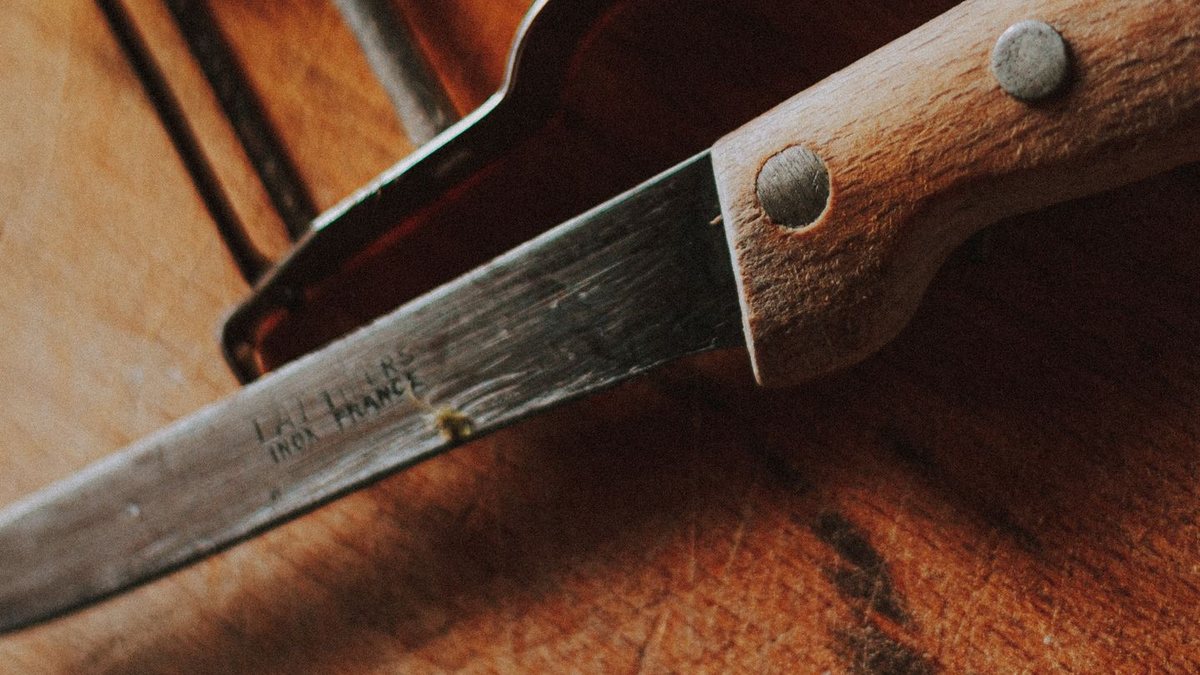
Picture finding your favorite pocket knife in a coat pocket after a winter of not wearing that coat. The blade has orange freckles along the edge, the pivot feels gritty and the knife no longer snaps open the way it used to. Last fall it went duck hunting, cleaned a few fish and cut a lot of wet twine, and then it sat.
The quick fixes come to mind: spray it with whatever is in the garage, buy stainless next time, or just wipe it off after use. Lubricant helps, stainless resists rust better and wiping a knife after use prevents most problems. But stainless can rust too, the wrong spray can make things worse, and good care is a few small habits rather than a big project.
By the end you should understand why knives rust and how stainless and carbon steels differ, and know a quick after-use routine, a deeper cleaning for folders, how to deal with rust you already have and how to store knives, so you can keep any knife ready and bring a neglected one back into service.
Why knives rust: Water, oxygen and time
Rust forms when the iron in steel reacts with water and oxygen. Some things speed it up a great deal: Salt, from sweat or road spray; acids, from fruit, onions and many foods; blood and fish slime; and simply leaving moisture in contact with the steel for a long time. That is why a knife used for field dressing or cleaning fish, then left in a damp sheath, can rust overnight.
Think of a bicycle left out in the rain. A single shower does little harm if the bike dries in the sun. Left wet in a dark shed for a week, the chain rusts. Knives work the same way: It is not the getting wet that hurts them, it is staying wet.
Do not try to keep a knife from ever getting wet; make sure it never stays wet.
Stainless and carbon: Rust-resistant, not rustproof
Stainless steels contain enough chromium to form a thin, invisible protective layer on the surface. That layer greatly slows rust, which is why most modern knives are stainless. But "stainless" means stain-less, not stain-free. Salt, acids and long exposure can break through the layer, and many high-performance stainless steels trade some rust resistance for better edge holding.
Carbon steels have little or no chromium. They take a very keen edge and are easy to sharpen, but they rust quickly if neglected. Over time, a carbon blade develops a gray or blue-gray patina, a stable layer of oxide that actually protects the steel from red rust. Many owners welcome it.
A few steels are made specifically for wet work. Spyderco's Salt series, for example, uses steels such as H1 and LC200N that are nearly rustproof, which is why they are popular with anglers and boaters. Our guide to choosing the right knife blade steel explains these families in more depth.
Key idea: Every steel can rust under the wrong conditions. Steel choice decides how forgiving the knife is; your habits decide whether it rusts.
Pick the steel that fits your conditions, and care for it as if it could rust, because it can.
The everyday routine: Wipe, dry and a drop of oil
Most knife care takes less than a minute.
- Wipe after use. Wipe the blade from the spine side toward the edge with a cloth or paper towel, removing food, sap, blood or moisture.
- Wash when it is dirty. After food, fish or game, rinse the knife in warm, soapy water and dry it right away.
- Dry it open. Leave a folding knife open for a few minutes after cleaning so water in the handle can evaporate.
- Oil lightly. Put a drop of light oil on the pivot and a thin film on the blade, then wipe off the excess.
Of these, drying does the most work, because nearly all rust starts with moisture left in contact with steel. For a knife that touches food, use a food-safe oil such as mineral oil on the blade.
Common mistake: Putting a knife away wet in a leather sheath. Leather holds moisture against the blade for days and can corrode it. Dry the knife and let the sheath dry separately before putting them back together.
Wipe it, dry it and give it a drop of oil, every time it comes home dirty or wet.
Deep cleaning a folding knife: Pivot, lock and handle
Folding knives collect pocket lint, dust, sawdust and dried gunk in the pivot and lock, which makes them open slowly, feel gritty and sometimes fail to lock. A deeper cleaning every few months, or after a dirty job, fixes most of it.
- Close the knife and blow out the handle with compressed air.
- Rinse it under warm water with a little dish soap, then scrub the handle, pivot area and lock with a soft toothbrush, keeping your fingers behind the edge.
- Open and close the knife slowly a few times under the water to flush the pivot.
- Rinse, shake out the water and dry the knife thoroughly, then leave it open to air dry fully.
- Put one drop of light oil on each side of the pivot, work the blade several times and wipe away the excess.
Notice the small amount of oil. Too much oil catches lint and grit, which is what made the pivot gritty in the first place. Avoid heavy grease in the pivot, and avoid using a spray water-displacer as your only lubricant, since it leaves little behind to protect the steel.
Bone and wood handles do not like soaking, so for traditional knives, clean around the blades with a damp cloth and swabs rather than rinsing the whole knife. Our guide to knife handle materials explains how to treat each material.
Many knives can be taken apart, but doing so can void the warranty and lead to lost parts or an overtightened pivot. Check the maker's warranty before you disassemble anything, and avoid it unless you have a reason and the right tools.
Flush the pivot, dry it completely and oil it sparingly.
Spring-assisted, automatic and OTF knives
Knives with springs and buttons need the same cleaning, done more often, because the mechanism has more places for dirt to collect and less tolerance for it. If an assisted or automatic knife begins to open slowly or does not lock fully, clean it before you carry it again. OTF knives need special care with oil, because heavy oil in the track catches grit; a little light oil is enough. Our guide to manual, assisted, automatic and OTF knives explains how these mechanisms work.
A spring-driven knife that does not open and lock fully every time needs cleaning before it goes back in your pocket.
Dealing with rust you already have
How you treat rust depends on how far it has gone.
Light surface rust shows as orange spots that wipe partly away. Put a few drops of oil on the spot and rub gently with a soft cloth, a pencil eraser or a fine non-scratch abrasive pad, working along the length of the blade. Wipe clean, check and repeat. Keep your fingers away from the edge, and work with the blade flat on a table.
Heavier rust that does not come off with oil and light rubbing may need a commercial rust remover meant for metal tools, used exactly as the label directs. Be careful with harsh chemicals on handle materials, and rinse and dry the knife thoroughly afterward.
Pitting, small craters left after the rust is gone, is permanent. It weakens the steel only slightly in most cases, but rust on the edge eats into it. You may need to sharpen past the damage, as our guide to how to sharpen a knife explains.
If your knife is carbon steel, a gray or dark patina is not rust; leave it alone. Only orange or red-brown spots need attention.
Remove orange rust gently with oil and a soft abrasive, accept pitting and leave a gray patina in place.
Storing knives so they stay ready
How you store a knife decides whether it comes out ready or rusty.
- Clean and dry first. Never store a knife with food, blood or moisture on it.
- Out of the sheath for long storage. Store fixed blades and their sheaths side by side, not together, if they will sit for months.
- A light coat of oil. For knives that will sit through a season, a thin film of oil on the blade protects it.
- Dry, stable air. Avoid damp basements, garages and vehicles where temperature swings cause condensation. A drawer in the house is better than a toolbox in the shed.
- Moisture control. A silica gel pack in a knife box, or a dehumidifier in a gun safe, keeps humidity down.
Of these, getting the knife clean and dry before storing it does the most work. The rest simply keeps moisture from coming back. If you already store firearms in a safe with a dehumidifier, that is an excellent place for knives too, and our guide to proper gun storage covers moisture control in a safe.
Store knives clean, dry, lightly oiled and away from damp air.
Cleaning and protecting a folding knife
A neglected folder usually comes back with one careful session. Close the knife, blow out the handle and look at the blade and pivot in good light for rust, lint and grit. Rinse the closed knife in warm, soapy water and scrub the handle and pivot with a soft toothbrush, keeping your fingers behind the edge, then open and close it slowly under the water a few times, rinse, shake out and dry it. After at least fifteen minutes air-drying open, a single drop of light oil on the pivot, worked into the action, and a thin film wiped on the blade with the excess removed finish the job. A knife that opens smoothly, locks fully every time and shows no orange spots is ready for a dry drawer or your pocket.
Putting it together
Knife care is a few small habits done consistently. Rust needs moisture and time, so wipe and dry a knife every time it gets wet or dirty, and give it a drop of oil. Remember that stainless steel resists rust but does not ignore it, and that carbon steel needs more attention but rewards you with a keen edge and a protective patina. Flush and oil a folding knife's pivot every few months, more often for spring-driven knives. Treat light rust gently, accept pitting and store knives clean, dry and out of damp places.
Do those things, and a good knife will be ready every time you reach for it, for decades.
Check your understanding
Try answering these before you open the answer. If you can decide what to do and explain why, you have it.
1. Your stainless knife rusted after a weekend of fishing. How is that possible?
Stainless steel resists rust but is not rustproof. Fish slime, water and time, especially if the knife stayed wet in a sheath, can break through the protective layer. Wiping and drying it after use would have prevented most of it.
2. You flooded your sticky folder's pivot with oil, and a week later it's grittier than before. Why?
Excess oil catches lint, dust and grit, which build up in the pivot and make the action gritty and slow. A single drop is enough, with the excess wiped off.
3. Your carbon-steel knife has turned gray. Should you remove it?
No. A gray patina is a stable oxide layer that helps protect carbon steel from red rust. Only orange or red-brown spots need attention.
4. You are putting your deer knife away until next season. What should you do with the sheath?
Clean and dry both, then store the knife and the sheath side by side rather than together. A leather sheath can hold moisture against the blade for months.
5. Your assisted-opening knife now opens slowly and sometimes does not lock. What is the first step?
Stop carrying it and clean it. Flush the pivot with warm, soapy water, dry it fully and add a drop of light oil. If it still does not open and lock fully every time, it needs repair.
Where to go next
You can find pocket and fixed-blade knives on our website, and anything listed there can be ordered if it isn't in stock.
Steel decides how forgiving a knife is, so choosing the right knife blade steel is a good next read. Keeping the edge sharp is the other half of care, and how to sharpen a knife walks through it. For how handle materials stand up to water and cleaning, see knife handle materials. And to understand how care fits into a knife that lasts, read what makes a knife durable.
If this article helped you, we invite you to sign up for email notifications of new blog articles.