
Choosing the Right Knife Blade Steel: What You Need to Know
Joseph McLain Nov 07, 2026
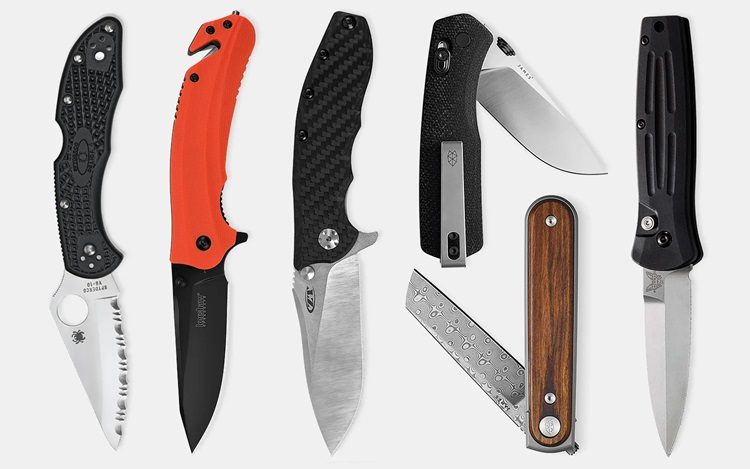
Three folding knives seem almost identical, but one tag reads VG-10, another D2 and a third 8Cr13MoV. Should you pay for the hardest premium steel, or choose a simple steel you can sharpen easily? Those names describe the steel in the blade, and the steel decides how long the edge stays sharp, how much care the knife needs and how it handles hard work.
By the end you should be able to pick a steel that fits how you use an everyday carry (EDC) knife, the knife you keep with you for daily tasks, and know how to look after it. If you are still deciding what kind of knife you want, our guide to how to choose the right everyday carry knife pairs well with this one.
What blade steel is, and the trade-offs behind every knife
Steel is iron mixed with carbon and other elements, and knife makers adjust that recipe to get different results. Chromium protects steel from rust and corrosion, and a steel needs at least 10.5% chromium to be called stainless. High-carbon steels contain more carbon and typically less chromium, and that difference explains both their strengths and their weakness.
Think of a cast-iron skillet next to a stainless steel pan. The skillet takes rough treatment and cooks beautifully, but leave it wet overnight and it rusts. The stainless pan forgives you. Knife steels work the same way, and choosing one is really a trade among four qualities.
- Edge retention. How long the knife stays sharp.
- Toughness. How well the blade stands up to hard use.
- Corrosion resistance. How well it resists rust.
- Ease of sharpening. How simple it is to restore the edge.
No steel wins all four. A steel that holds an edge for a very long time usually takes more effort on the stones, and a steel that shrugs off moisture may give up some edge life. Premium steels narrow those gaps, which is a large part of what makes them premium.
Key idea: Choosing a blade steel means choosing which trade-offs you can live with. Match the steel to the work you do and the care you are willing to give, and you will have the right steel for you.
Stainless or high-carbon, the first decision
Most knife steels fall into two broad families, and picking a family is the easiest first step.
Stainless steel is designed to resist corrosion and rust. It is lower maintenance, which is a real advantage if you often use your knife in wet or humid conditions, and it suits beginners who want a reliable, low-fuss knife that is easy to care for. The cost is that stainless steel generally doesn't hold an edge as long as high-carbon steel, although premium stainless steels such as CPM-S30V (covered below) hold an edge for an impressively long time. The Spyderco Endura 4 (VG-10) is known for a fine balance of edge retention and corrosion resistance.
High-carbon steel offers superior edge retention, so your knife stays sharper for longer, along with the hardness and toughness for heavy-duty use. The cost is that it is more prone to rust and corrosion if it is not maintained well. It suits someone who does not mind spending a little extra time on upkeep in return for a blade that performs exceptionally well. The Kershaw Emerson CQC-6K (D2) offers a great mix of toughness and edge retention, and some other tactical and outdoor models feature D2 or similar steels.
Here is a simple rule for the first decision. If your knife will ride in a damp pocket or live in a humid shop, start with stainless. If you will wipe the blade down and keep it dry, high-carbon rewards that habit with a longer-lasting edge.
Common mistake: Assuming stainless means stain-proof. Stainless resists rust but does not make it impossible, so clean and dry the knife after heavy use or exposure to moisture.
Six common blade steels and what they mean in use
Once you know the two families, the individual names are easier to place. Picture them as rungs on a ladder from budget-friendly to premium, with one tough specialist standing off to the side.
Budget-friendly and step-up steels
8Cr13MoV is a budget-friendly stainless steel for a solid everyday knife. It has decent corrosion resistance and edge retention, and it is very easy to sharpen, which makes it ideal for beginners learning the ropes. The Spyderco Tenacious is an affordable, reliable choice for daily tasks, and the Kershaw Cryo is another popular, budget-friendly option.
154CM is an enhanced stainless steel and a step up from 8Cr13MoV. It is prized for improved edge retention and wear resistance, meaning the blade resists being worn away by use. It balances toughness with corrosion resistance and suits both everyday tasks and tougher jobs. Many SOG and Gerber knives use 154CM for reliable performance that stands up to regular use.
The balanced all-rounder
VG-10 is one of the go-to steels for makers who want a blade that resists rust while still holding a fine edge. It balances corrosion resistance and edge retention, and it is easy to sharpen even if you are a beginner. The Spyderco Endura 4 is a favorite among people who need a versatile EDC knife that performs well both indoors and outdoors.
The tough, semi-stainless specialist
D2 is a high-carbon steel that is often called semi-stainless, because it is technically not a full stainless steel and has lower chromium content. It is highly regarded for its toughness and long-lasting edge, with exceptional hardness and durability. The price of that performance is regular maintenance, and a quick oiling now and then will help keep rust at bay. The Kershaw Emerson CQC-6K is a popular model for people who need a knife that stands up to heavy use.
Premium steels
CPM-S30V is a premium stainless steel, often celebrated as one of the best for premium EDC knives, thanks to its mix of durability, edge retention and rust resistance. It is tough and holds an edge for an impressively long time. The Spyderco Para Military 2 is a high-end option for users who want top-tier performance, and the Kershaw Blur is another well-regarded knife featuring CPM-S30V for people who demand reliability.
CPM-S35VN is an advanced premium stainless steel and an evolution of S30V. It provides enhanced toughness and wear resistance while keeping excellent corrosion resistance, and it is designed for high performance and durability. You will often find it in premium knives that need minimal maintenance, such as the Spartan Blades Astor and the Spyderco Native 5, which blends elegance with exceptional functionality.
As you climb the ladder, the steels get better at several trade-offs at once, but a beginner should not always buy the top rung. A steel that is easy to sharpen, like 8Cr13MoV or VG-10, can be the smarter choice while you are learning, because a knife you can keep sharp beats a premium blade you are nervous to put on a stone. Steel is also only one part of what keeps a knife serving you for years, and our article on what makes a knife durable covers the rest.
Matching the steel to your lifestyle
Picture one person who mostly opens packages and slices lunch, and another who does heavy-duty cutting outdoors. They do not need the same steel. The table pairs four common situations with the steels that fit.
| Your situation | Steels to look at | Why they fit | Example models |
|---|---|---|---|
| Everyday tasks such as opening packages, slicing food and general utility | VG-10, 8Cr13MoV | A great balance between performance and ease of maintenance | Spyderco Endura 4 (VG-10), Spyderco Tenacious (8Cr13MoV) |
| Tougher jobs such as outdoor use or heavy-duty cutting | D2, CPM-S30V | Durability and edge retention for demanding work | Kershaw Emerson CQC-6K (D2), Spyderco Para Military 2 (CPM-S30V) |
| Low maintenance | CPM-S30V, VG-10 | Excellent corrosion resistance and a long-lasting edge with minimal upkeep | Spyderco Para Military 2 (CPM-S30V), Spyderco Endura 4 (VG-10) |
| Premium performance | CPM-S35VN | Top-tier edge retention, toughness and low maintenance | Spartan Blades Astor, Spyderco Native 5 |
Start in the left column with what you actually do, then read across. VG-10 and CPM-S30V each appear twice because everyday use and low maintenance overlap, while D2 appears only in the tougher-jobs row because it asks for regular care. If your work shapes what you cut, our guide to the best everyday carry knives for different occupations shows how the same ideas play out on the job.
Caring for the steel you chose
Your steel affects how you care for the knife as much as how it performs. A few habits keep any blade sharp and rust-free.
- Stainless steel knives. A quick wash with warm, soapy water and a thorough drying after heavy use or moisture is usually enough.
- High-carbon steels such as D2. Wipe the blade with a dry cloth after use and occasionally apply a light coat of oil, such as mineral oil.
- Storage. Keep the knife dry and away from spots where temperature and humidity swing widely, such as a good knife bag or a dedicated spot in a drawer.
- Inspection. Check regularly for rust or damage, because catching a problem early saves trouble later.
Drying and inspecting matter most, because moisture left on a blade is what starts rust. If you carry the knife daily, use a sheath that prevents moisture from collecting on the blade.
Sharpening deserves its own attention. A sharp knife performs better and is also safer, because a dull blade is more likely to slip and cause an accident. With a whetstone, start with a coarse grit to remove nicks and finish with a fine grit to polish the edge. Guided sharpening systems help you hold the correct angle while you are still learning. High-carbon blades hold an edge longer, so you may only need to sharpen them occasionally, but use a stone appropriate for harder metals when you do. Check the manufacturer's recommendations for the best angle and method for your knife, and keep our tips on knife safety in mind whenever a blade is in your hand.
Common mistake: Using your everyday knife for prying or cutting through thick material. For heavy-duty tasks, use a tool designed for them and save your EDC for lighter work. That prolongs its life.
Getting to know your own knife
The steel name is usually stamped on the blade or listed in the maker's product details, and once you know it, the sections above tell you whether it is stainless or high-carbon and what care it needs. A dry wipe and a close look along the edge and spine show any early rust or damage. A slow slicing cut through a sheet of paper, held by one corner with your fingers out of the blade's path and the edge moving away from you, shows whether it's sharp: a sharp edge glides through, and a dull one snags or tears. Knowing the steel, its family and the care it needs lets you keep the knife working for years.
Putting it together
Premium steels hold an edge longer, while simpler steels are easier to sharpen and often tougher or more forgiving. Choose by how you use the knife and how you will maintain it: An easy-care stainless steel for most everyday carry, a harder or tougher steel if your work justifies it and you can sharpen it, and keep any blade clean, dry and sharp.
Check your understanding
Try answering these before you open the answer. If you can decide what to do and explain why, you have it.
1. A friend works in wet, humid conditions and wants a low-fuss knife. Which family of steel would you point them toward, and why?
Stainless steel. It is designed to resist corrosion and rust and needs lower maintenance, which suits wet or humid conditions. It must contain at least 10.5% chromium to qualify as stainless.
2. Your D2 knife is described as "semi-stainless," yet it has spots of rust after a rainy hunt. Why?
D2 isn't a full stainless steel. Its chromium content is lower, so it is more prone to rust if it isn't maintained. Dry it after wet use and give it a light coat of oil now and then.
3. You are new to sharpening. Why might 8Cr13MoV or VG-10 be a better first knife than a premium steel?
Both are easy to sharpen, and 8Cr13MoV is described as ideal for beginners learning the ropes. Being able to keep the edge sharp matters more than owning the most advanced steel.
4. Someone wants outdoor, heavy-duty cutting, and someone else wants minimal upkeep. How do their steel choices differ?
The heavy-duty user looks at D2 and CPM-S30V for durability and edge retention, accepting more care with D2. The low-maintenance user looks at CPM-S30V and VG-10, which offer excellent corrosion resistance and a long-lasting edge with minimal upkeep.
Where to go next
You can find pocket and fixed-blade knives on our website, and anything listed there can be ordered if it isn't in stock.
If you want to see how steel fits into the bigger picture of a knife that lasts, read what makes a knife durable, then why you should have an everyday carry knife to see how the steels above earn their keep on ordinary days. If you like the idea of one tool doing several jobs, the best knives with added features is the natural next step.
If this article helped you, we invite you to sign up for email notifications of new blog articles.