
Handgun Finishes: Demystifying It All
Joseph McLain Nov 07, 2026
Three pistols of the same model sit side by side: one a deep, glossy black, one a flat charcoal and one bright silver. Is classic bluing worth its care, does stainless end your worries about rust, and will Cerakote survive daily carry? The pistols shoot the same, so why would the finish change your decision? Because the finish is the layer between the steel and everything that wants to rust it, scuff it or wear it down: summer sweat, damp air and a holster that rubs the same spot every day.
By the end you should understand how each common handgun finish works and what it asks of you, so you can name the finish on your own pistol, predict where it will wear, and choose one that fits the way you shoot and carry.
What a handgun finish does for you
A finish is more than appearance. Rust forms when bare steel meets moisture, so much of a finish's job is keeping the two apart. Four jobs are worth weighing.
- Corrosion resistance. It protects the metal from rust in humid or salty environments.
- Wear and scratch resistance. It defends high-contact areas, such as holsters, range use and training classes.
- Maintenance requirements. Blued steel needs more frequent oiling than Cerakote or nitrided finishes.
- Reflectivity. Shiny nickel may not suit tactical conditions, while matte black is more subdued.
For most owners the first three matter most, because rust and wear slowly damage a pistol and maintenance decides how much work you take on. Reflectivity matters mainly if discretion is part of how you use the gun. The right finish depends on your environment, intended use and personal preference.
Ammunition plays a smaller role than people expect. Almost all modern commercial ammunition is non-corrosive, so if you shoot loads such as Hornady Black or Federal American Eagle, your choice is more about environment than ammunition. Moisture, sweat and how often you shoot still heavily affect how long a finish lasts.
Key idea: Every finish is a trade-off among protection, upkeep, looks and cost. The best one is the one whose weak spot you can live with.
Surface-treated steel: Bluing and black nitride
These two traditional finishes change the surface of the steel itself instead of adding a thick layer on top.
Blued finish is a chemical oxidation process that turns the surface into black oxide, giving a deep, glossy look. It was historically the go-to finish for 20th-century pistols, so many vintage and collector handguns are blued, and it is cheaper than some modern coatings. The catch is protection. Without regular oiling, moisture or sweat can bring rust, and frequent holster use rubs bluing away, especially around edges and the muzzle. Picture a pistol carried daily through a sweaty summer. The holster-contact edges go first, and a light coat of oil is what keeps rust from following. Bluing suits traditionalists who love a rich, dark look and do not mind extra maintenance, and it works well for range shooting with standard non-corrosive ammunition as long as the metal stays lightly oiled.
Black nitride is a chemical bath that case-hardens the steel's surface, meaning the outer layer becomes harder while the metal beneath stays as it was. You will see it sold as Melonite, Tenifer or QPQ, in a matte black or charcoal color. That smoother, harder surface stands up to holster friction, and its corrosion resistance is much better than bluing. It suits shooters who want a durable, low-maintenance finish for concealed carry or heavy training, because it holds up to the repeated friction and cleaning cycles of thousands of rounds.
Applied coatings: Cerakote and its cousins
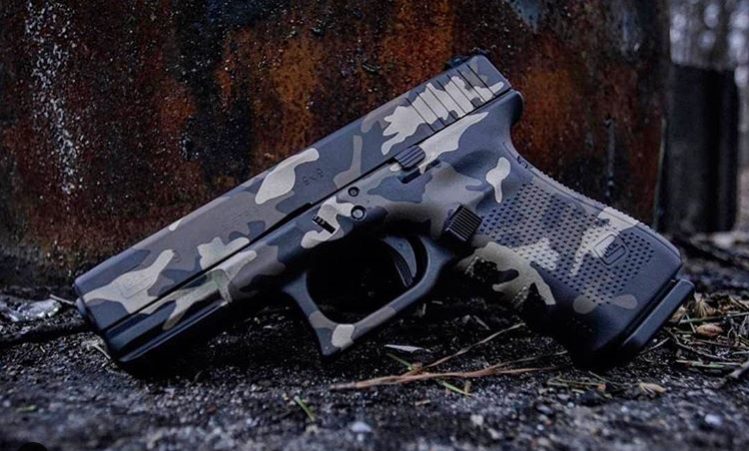
Cerakote is a polymer-ceramic composite that can be applied in a wide array of colors or patterns, then cured. It is known for toughness and chemical resistance. The appeal is customization, with nearly limitless colors for tactical and competition shooters who want camo, a "battle-worn" look or bright colors, along with excellent corrosion and wear resistance. The catch is skill and cost. Professional application is not cheap, and a home job without a spray gun and curing oven can give poor results.
Cerakote fits people who need maximum corrosion protection or a custom color scheme, especially in extreme environments such as salt air or heavy humidity, or for those who frequently carry in sweaty conditions. If you burn through range ammunition or attend training classes, its abrasion resistance may save your pistol from scuffs. Other coatings, such as KG Gunkote and Duracoat, take a similar approach with different chemistry. They are typically less robust than Cerakote but can be simpler for a do-it-yourself project, so you are trading toughness for convenience.
Plating and material choices: Nickel, stainless and dual-tone
Nickel plating is a metallic plating that yields a shiny silver or satin finish and is well known for corrosion resistance, a great fit for wet or coastal areas. It suits shooters who want a classic bright look with better rust protection than bluing. It handles day-to-day use, but it is more purely about style if you like a retro or "presentation" look, and its reflectivity can hamper discreet tasks.
Stainless steel is not a finish but a material, and many firearms come in all-stainless frames and slides. It resists rust effectively, is durable for high use and can be polished or buffed if scratched. All-stainless guns can be heavier than guns with lighter frames, so if low-maintenance rust prevention is your priority and you do not mind extra weight, it is an excellent choice. A .45 ACP 1911 in stainless, for example, is beloved by many frequent range shooters.
Dual-tone finishes use two colors, such as a stainless slide on a black nitrided frame or a black Cerakote slide over a polished steel lower. They give a distinctive custom look and may combine strengths, like a nitrided slide for durability with a stainless frame for corrosion resistance. They can cost more, and if one part is scratched the color mismatch may be more obvious.
| Finish | Corrosion resistance | Wear resistance | Main trade-off |
|---|---|---|---|
| Blued | Lower; needs regular oiling | Prone to wear at edges and muzzle | Relatively affordable, most upkeep |
| Black nitride | Much better than bluing | Highly wear-resistant | Costs more than bluing |
| Cerakote | Excellent | Excellent | Professional application is not cheap |
| KG Gunkote, Duracoat | Typically less robust than Cerakote | Typically less robust than Cerakote | Simpler for do-it-yourself |
| Nickel | High | Scratches and dents show easily | Reflective |
| Stainless | Resists rust effectively | Durable; scratches can be buffed | Can be heavier and shiny |
Read across a row for one finish's profile and down a column to compare finishes on a single quality. The pattern is that the strongest protection, black nitride and Cerakote, costs more or looks more modern, while bluing gives the classic look at a modest price but asks the most of you in oiling.
How your ammunition and shooting habits fit in
High-volume training puts a finish through repeated friction and cleaning cycles, which wears a weaker finish faster, so a robust finish such as Cerakote or black nitride can help. Fast, heavy range sessions also build heat, and some shooters favor those two finishes there, since bluing needs careful oiling over time. Corrosive surplus is not common in handgun ammunition these days, but if you come across older surplus or an odd corrosive load, a more corrosion-resistant finish helps and cleaning promptly is still crucial. In humid or salty coastal climates, Cerakote, nickel or stainless significantly reduces the risk of rust, and so does keeping the pistol somewhere dry, as covered in our guide to proper gun storage.
Choosing a finish for the life of your pistol
Your finish influences appearance, maintenance needs, resale value and longevity. A well-chosen one keeps your pistol functional and good-looking for years, even under heavy range use, while a less protective one may need more frequent cleaning if you fire large volumes or carry daily in sweaty or humid conditions.
Start with environment and usage, because they decide how much protection you need. If you live in a humid or coastal region or carry daily, a corrosion-resistant finish such as nitride, Cerakote, nickel or stainless is ideal. Heavy use, like thousands of rounds, calls for Cerakote or nitride, while occasional range visits may be fine with bluing as long as you maintain it properly. Then bring in preferences. Blued or nickel gives a vintage or classic vibe, and Cerakote or dual-tone gives uniqueness or modern flair. On budget, bluing or black nitride is generally cheaper, while Cerakote or custom finishes can be pricey but may pay off in long-term durability or personalization.
Two quick examples show the logic. A shooter who carries daily through humid summers and trains often needs a finish that resists sweat and friction, so nitride or Cerakote fits. A collector who visits the range a few times a year and loves a classic look can happily choose blued steel, because a light wipe of oil manages its weakness.
Common mistake: Choosing on looks alone and then skipping the upkeep. A finish reduces the work but does not remove it, so good cleaning habits and quality ammunition still matter.
Checking your pistol's finish
A few minutes with your own pistol tells you how its finish is holding up. With the pistol safe, the magazine out, the slide locked open, the chamber confirmed empty by sight and touch and ammunition away from the bench, find the finish in the maker's information, since several finishes look alike in matte black. Then look closely where a holster and your hands rub, the muzzle, slide edges and corners, and anywhere sweat sits. Bright bare-metal spots, dull patches or early rust show where the finish is giving way, and they tell you the one care habit your pistol needs, such as a light coat of oil on bluing.
Putting it together
A handgun finish keeps moisture away from steel and resists the rub of holsters and hands. Bluing is classic and affordable but needs oil; black nitride hardens the surface and suits daily carry and heavy training; Cerakote adds color and tough protection at a higher price; nickel resists rust but shows wear and reflects light; stainless is a rust-resistant material rather than a coating. Choose by environment and use first, then by looks and budget, and match your care habits to the finish's weak spot. When you clean or inspect any finish, start by unloading the pistol and keeping ammunition away from the bench.
Check your understanding
Try answering these before you open the answer. If you can decide what to do and explain why, you have it.
1. A friend will carry daily through humid, sweaty summers. Why is bluing risky, and what would you suggest?
Bluing has lower corrosion resistance, so moisture or sweat without regular oiling can lead to rust, and holster use rubs it off at the edges and muzzle. Nitride, Cerakote, nickel or stainless would resist those conditions better.
2. You're choosing between a blued and a stainless version of the same revolver. Why isn't stainless really a "finish," and what does it trade?
Stainless is the material the gun is made from, not a surface treatment. It resists rust and scratches can be buffed out, but all-stainless guns can be heavier and their shine can reflect light.
3. You want a custom color and maximum protection. What are your options, and what is the catch?
Cerakote offers nearly limitless colors with excellent corrosion and wear resistance, but professional application is not cheap and a poor home attempt can give bad results. KG Gunkote or Duracoat are simpler for do-it-yourself work but typically less robust.
4. You only shoot modern non-corrosive ammunition. Can you ignore finish wear?
No. Environment and use drive finish wear. Moisture, sweat, holster friction and the cleaning cycles of high-volume shooting all wear a finish down, whatever ammunition you use.
5. You see a bright bare-metal spot on the muzzle of a blued pistol. What does it tell you, and what should you do?
Holster friction has worn the bluing there, so that spot is now exposed to rust. Keep it lightly oiled and check it after carrying in sweaty or damp conditions.
Where to go next
If you are weighing how much to invest, out-of-the-box pistol quality at different price points shows what to expect so you can judge whether a premium finish is the best use of your money. Because rust often starts in storage, proper gun storage is the natural companion to this article. Once you have chosen, breaking in a pistol explains how to get smooth, reliable operation from the start.
If this article helped you, we invite you to sign up for email notifications of new blog articles.