
Fillet Knives for Iowa Fishing: Length, Flex and Technique From Bluegill to Walleye
Joseph McLain Nov 06, 2026
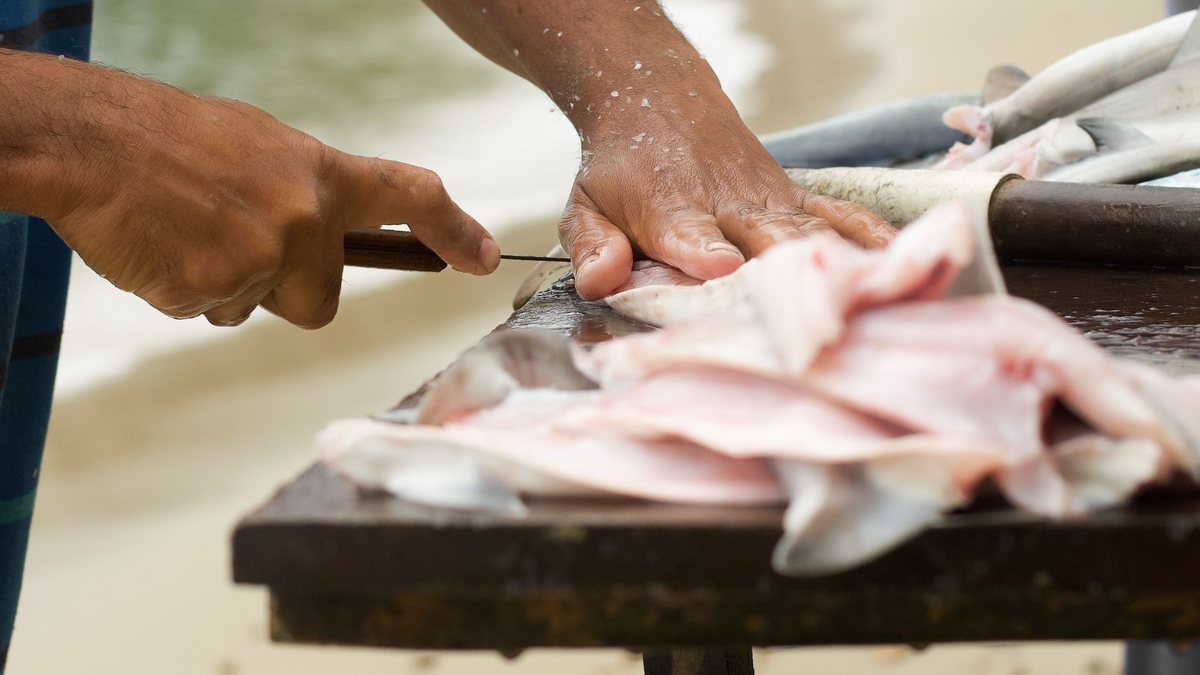
Picture coming off the water at dusk with a cooler full of crappie and a couple of nice walleye. Somebody hands you the knife that lives in the tackle box. It is dull, too stiff and far too long, and the first crappie you try comes out as a ragged lump with half the meat still on the bones.
A good fillet knife is matched to the fish, not to a single idea of what a fillet knife should be. Flex, length and sharpness each matter, but only in relation to the fish in front of you. Once you see why each feature matters, you can choose one that turns a cooler of fish into clean fillets instead of ragged lumps.
What makes a fillet knife different: Thin, flexible and sharp
A fillet knife has a long, narrow, thin blade that bends. Most use a trailing-point shape with a sharp, upswept tip and a long slicing edge. Each feature has a job.
- Thin blade. Slices through flesh with little resistance and wastes less meat.
- Flex. Lets the blade bend to follow the curve of the backbone and ribs, and lie flat between skin and meat.
- Sharp, upswept point. Starts cuts precisely behind the head and along the back.
- Long edge. Lets you make one smooth stroke down the length of the fish rather than sawing.
Picture peeling a sticker off a curved bottle. A stiff card will lift only the edge and tear the sticker. Something thin and bendable follows the curve and lifts it cleanly. A fillet knife does the same thing along a fish's skeleton. That is also why a hunting knife or a pocket knife, however sharp, leaves so much meat on the bones.
Blade length: Match it to the fish
The right length is roughly the width of the fish's side, with a little to spare, so one stroke carries the edge across the whole fillet.
| Fish | Typical blade length | Why |
|---|---|---|
| Bluegill, crappie, yellow perch | About 4 to 6 inches | Short and nimble for small fish and fine control |
| Walleye, white bass, largemouth bass | About 6 to 7 inches | Enough reach for a medium fish in one stroke |
| Northern pike, large catfish, carp | About 7 to 9 inches | Reach for long fillets and thicker bodies |
The table is a starting point, not a rule. A long blade on a bluegill is clumsy, and the extra steel near the point flops around where you cannot control it. A short blade on a big pike means sawing back and forth, which shreds meat. If you catch mostly panfish and walleye, a six-inch knife covers most of what you will clean. Add a second knife only if you regularly bring home fish at either end of the range.
Flex: How much bend you want
Fillet knives range from very flexible to fairly stiff. More flex follows bones closely and lies flat for skinning, which is ideal for small, delicate fish such as crappie and perch. Less flex gives more control and power, which helps on large, thick-skinned fish such as pike and catfish, where a very floppy blade wanders.
Many anglers settle on a medium-flex blade around six inches as their main knife. Dexter's Dextreme flexible fillet knives are a popular example of a flexible, food-service-style knife.
Key idea: Flex is about following the fish, not about how easily the blade bends in your hand. A blade that is too stiff wastes meat; one that is too floppy is hard to control. Medium flex is the safest starting point.
Steel, handle and sheath: Built for water and slime
Fillet knives live in the wettest conditions of any knife. Stainless steel is the practical choice, because it resists rust after long days around water and fish. Our guide to knife blade steel explains the trade-offs if you want something else.
The handle matters even more than on most knives. Fish slime and water make smooth handles dangerously slick. A textured rubber or polymer handle, sometimes with a finger guard, keeps your hand from sliding forward onto the edge. Handles in bright colors are easier to find in a boat or on a dock. Our guide to knife handle materials explains why synthetics grip best when wet.
A good sheath protects the thin blade, and you, in a crowded tackle box. Choose one that drains, and let the knife and sheath dry fully before storing them together.
Electric fillet knives: Fast for a big batch
An electric fillet knife uses two serrated blades that move back and forth rapidly. It cuts through rib bones and scales quickly, which makes it fast when you have a cooler full of crappie or white bass to clean.
What you give up is control and meat. An electric knife removes more meat with the ribs and leaves a rougher cut than a sharp manual knife in practiced hands, and it needs power, cleaning and blade care. It also deserves extra caution: Unplug it or remove the battery before changing blades or cleaning it, and keep your free hand well away from the moving blades.
Many anglers use both. The electric knife handles big batches of panfish, and the manual knife handles walleye and other fish where every bit of meat matters.
Keeping the edge: Sharpen before every trip
Fish scales and bones are hard on a thin edge, and a dull fillet knife is both wasteful and dangerous. It tears flesh instead of slicing it, and the extra force makes it skid. Hone the edge before each trip and touch it up during a long cleaning session. A small sharpener in the tackle box, such as the compact fillet-knife-and-sharpener sets from Accusharp, keeps you working.
Use light pressure, because thin fillet blades flex and can be bent or damaged by heavy sharpening. Our guide to how to sharpen a knife explains honing, angles and pull-through sharpeners.
A dull knife costs more meat, and more cut fingers, than the minute it takes to touch up the edge.
A basic filleting method
Methods vary by species and by personal habit, but the basic skin-off fillet for perch, crappie, walleye and bass goes like this.
- Lay the fish on its side on a clean, stable board. Cut behind the gill plate and pectoral fin down to the backbone, without cutting through it.
- Turn the blade toward the tail and slide it along the backbone, letting the flex follow the bones, and cut the fillet free near the tail without cutting through the skin there.
- Flip the fillet skin-side down, hold the tail end and slide the blade between skin and meat, angling the edge slightly toward the skin.
- Trim away the rib bones by sliding the blade under them.
- Repeat on the other side, then rinse the fillets and keep them cold.
Of these steps, the second does the most work, and it is where flex and sharpness pay off: Let the blade ride the bones instead of forcing it. Northern pike have an extra row of Y-shaped bones that need their own technique, and catfish are often skinned rather than filleted this way, so look up the method for those species before you start.
Safety: Wear a cut-resistant glove on the hand that holds the fish. Fish are slippery, and that hand spends the whole job right next to the edge.
Keep the fish and fillets cold throughout, on ice or in a cooler, and clean the knife, board and gloves with hot, soapy water when you finish.
The Iowa rule that affects cleaning on the water
Iowa's fishing regulations require that fish you possess or transport on state waters can be identified by species and, where length limits apply, measured. The regulations say each fish or fillet must keep a patch of skin with its scales, at least one square inch, so the species can be identified. That matters if you fillet at a cleaning station on the lake or in the boat. If a species has a length limit, keeping it whole until you are off the water is the simplest way to show it was legal.
Iowa also requires a fishing license for anyone 16 or older, and daily and possession limits apply to many species. Rules change every year, so check the current Iowa fishing regulations or the Iowa DNR before you head out.
The simplest habit is to leave the skin patch on any fillets you make on the water, keep length-limit fish whole and finish the cleaning at home.
How to judge a fillet knife in your hand
Whether it is a new knife or the one that has lived in the tackle box for years, three quick checks tell you whether it suits your fish. Compare the blade length with the fish you keep most often, using the table above. Hold the handle and press the flat of the blade gently against a cutting board: a panfish knife should bow easily, and a pike or catfish knife should bend only a little. Then slice a sheet of paper held by one corner, cutting away from your body. If the edge snags or tears the paper, it will tear fish too, so sharpen it before you start.
The rest of a good cleaning kit is simple: a stable board, a cut-resistant glove for the holding hand, a towel and a cooler with ice. Together they keep the fish cold and your hand protected from the first fillet to the last.
Putting it together
A good fillet knife is thin, flexible and sharp, and the right one is matched to your fish. For most Iowa anglers, a six-inch, medium-flex stainless knife with a grippy handle handles panfish and walleye well; add a shorter or longer knife only if your catch calls for it. Consider an electric knife for big batches. Keep the edge sharp, protect your holding hand, let the blade follow the bones and keep fish cold. And when you clean fish on the water, follow Iowa's skin-patch and length rules.
Check your understanding
Try answering these before you open the answer. If you can decide what to do and explain why, you have it.
1. Your brother-in-law hands you his razor-sharp hunting knife to clean walleye. Why will you leave more meat on the bones than with a fillet knife?
A hunting knife's blade is thick and stiff, so it cannot bend to follow the curve of the backbone and ribs. A thin, flexible fillet blade rides along the bones and lifts the meat cleanly. Sharpness alone doesn't make up for the missing flex.
2. You mostly catch crappie and bluegill. What blade length and flex make sense?
A shorter blade, around four to six inches, with good flex. It gives fine control on small fish and follows their delicate bones closely.
3. A friend cleans 60 crappie after a good day. Should he use an electric knife?
An electric knife makes sense for a big batch because it is much faster. He will lose a little more meat and get a rougher cut than with a sharp manual knife, and he should unplug it or remove the battery before cleaning or changing blades.
4. You are cleaning walleye at a boat ramp cleaning station before driving home. What must you keep on the fillets?
Under Iowa's regulations, fish on state waters must be identifiable, so each fillet should keep a patch of skin with scales of at least one square inch. If a length limit applies, it is simplest to keep those fish whole until you are home.
5. Halfway through a pile of crappie, the fish keep slipping on the board and your holding hand is working inches from the edge. What protects that hand?
A cut-resistant glove on the hand holding the fish, along with a grippy knife handle and a sharp edge that doesn't need force. Slime makes slips likely, so plan for them instead of hoping they won't happen.
Where to go next
You can find fillet knives on our website, including Dexter Dextreme, SofGrip and Basics flexible fillet knives and Accusharp fillet knives with sharpeners, and anything listed there can be ordered if it isn't in stock.
To keep a thin fillet edge working, read how to sharpen a knife. To understand why the trailing-point shape and thin grind suit fish, see knife blade shapes and grinds. A fillet knife lives around water, so knife care and rust prevention is worth a look. And because a fillet knife over five inches counts as a dangerous weapon by definition, Iowa knife laws explains what that means after the fishing is done.
If this article helped you, we invite you to sign up for email notifications of new blog articles.