
Why You Should Have an Everyday Carry Knife: Practical Uses for Everyday Life
Joseph McLain Oct 27, 2026
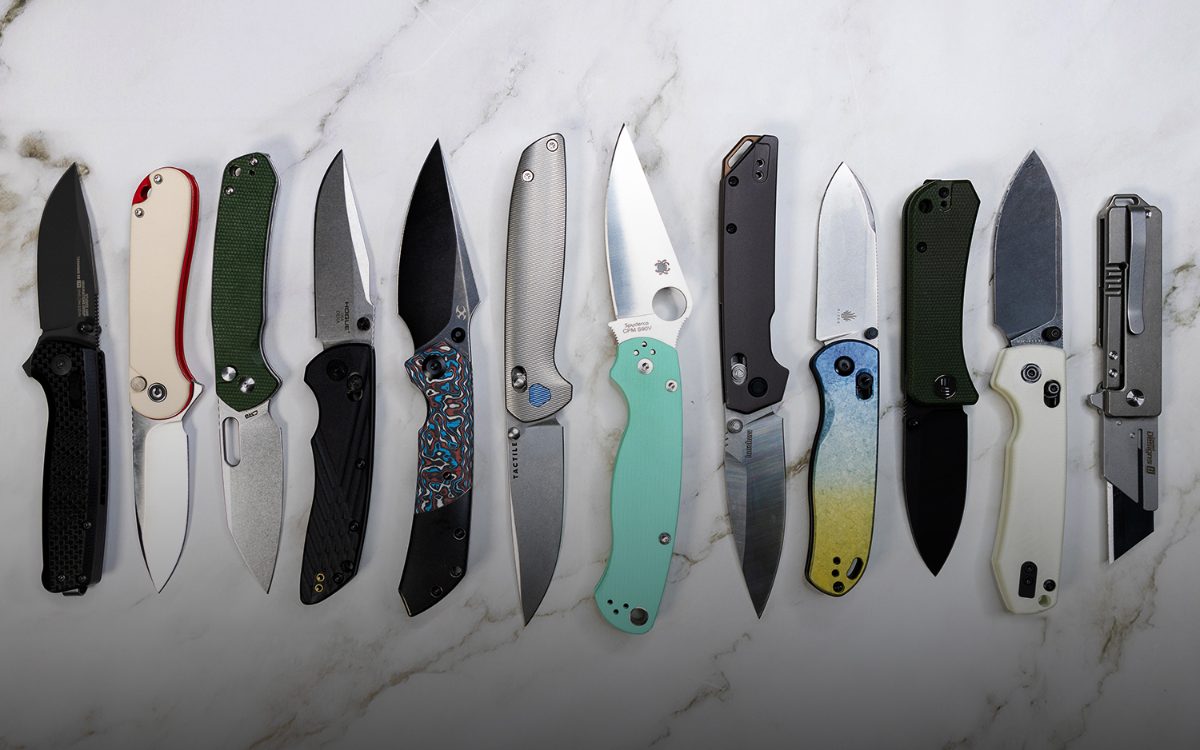
A coworker watches you fight a taped-up box with a car key and says you should just carry a pocket knife like he does. Your sister says knives are for hunters and contractors, not office workers. A friend who is into gear says you need a knife with a glass breaker and seatbelt cutter in case you ever crash. Each of them is right about something. This article explains why a small, sharp blade earns its place in an ordinary day, where it helps at work, at home and on the go, what it is not for, how to choose one that you will actually carry, how to carry it considerately and legally, and how to keep it working for years. By the end you should be able to decide whether an everyday carry, or EDC, knife makes sense for your life and what kind of knife fits the jobs you actually do.
Small problems, solved on the spot
Most of the value of an everyday carry knife comes from small, routine jobs: Tape on a package, a zip tie on a new cord, a plastic clamshell that will not open, a thread hanging from a sleeve, a bag of mulch, a cardboard box headed for recycling. None of these is dramatic, and each one can be solved without a knife. You can tear, pick, chew, saw with a key or go looking for scissors. A sharp blade just does it in a few seconds, cleanly and without damaging what is inside.
Think of a pocket knife the way you think of a pen. You do not carry a pen because you expect to sign a contract; you carry it because a dozen small moments a week go easier when one is in your pocket. The knife is the same kind of tool. If you can list three things this week that a small blade would have made easier, you already understand why people carry one.
Key idea: An everyday carry knife earns its place by solving many small problems, not by preparing you for one big one. Choose and carry it for the jobs you actually do.
At work, at home and on the go
At work, the most common jobs are packaging and paper: Tape, boxes, strapping, zip ties and the occasional stubborn plastic package. A sharp blade cuts tape cleanly without crushing what is inside, and it is safer than the alternatives people improvise, such as pulling on strapping until it snaps. What counts as appropriate in your workplace matters too. Some workplaces restrict knives, and in an office a small, unobtrusive knife is usually more welcome than a large tactical-looking one. Our article on everyday carry knives for different occupations shows how the right knife changes with the job.
At home, a knife handles opening packages, breaking down cardboard, trimming twine in the garden, cutting tags and labels, and small tasks during home projects. It is not a substitute for kitchen knives, and if you use it near food, clean it first. For heavier home projects it is also not a substitute for a utility knife with replaceable blades, which is cheaper to keep sharp when you are cutting drywall or carpet.
On the go, a knife helps with the small surprises of errands, travel, picnics and roadside stops: A frayed strap, a bundle of cords, a snack package, a tag on something you just bought. Before you carry it into a building, though, think about where you are going. Schools, courthouses, federal buildings, airports and many venues restrict knives, as the section on law below explains.
The rule that ties these together is simple: If you often find yourself tearing, picking or fighting something open, a sharp blade is the safer and quicker tool for that job.
What an everyday knife is not for
Being clear about limits is part of using a knife well. A knife is built to cut along its edge, not to pry, chisel or turn screws. Prying pushes the blade sideways, which can snap the tip and send your hand into whatever you were prying against. If you need a screwdriver or pry tool, carry a multi-tool or keep the right tool nearby. Our guide to knives with added features and multi-tools explains the options.
An everyday knife is also not an emergency plan. Some knives include a seatbelt cutter or glass breaker, and those features can help in a rare situation, but if you want vehicle escape tools, a dedicated tool mounted where you can reach it while buckled in is the better choice. And a pocket knife is not a defensive weapon; carrying one is about utility.
Common mistake: Using the blade as a pry bar or screwdriver "just this once." That is how most tips are broken and locks are strained. Cut with the knife; pry and turn with a tool built for it.
Choosing a knife you will actually carry
The best everyday knife is the one that fits your jobs and stays in your pocket. A large, heavy knife that is uncomfortable to carry ends up in a drawer, and a knife in a drawer solves nothing. So start with size and weight, then fit, then blade shape, then any extras.
Size and weight. For most everyday jobs, a blade of about 2 1/2 to 3 1/2 inches is plenty, and a lighter knife is easier to forget you are carrying. A smaller blade is also less alarming to people around you and is more likely to stay within restrictions in some places.
Handle fit. The handle should fill your hand without hot spots, with enough texture to hold securely when your hands are wet or cold. A secure grip is a safer grip.
Blade shape. A drop-point blade, with a gently curved spine meeting a strong point, is the most versatile everyday shape for slicing and controlled tip work. Other shapes suit particular jobs: A sheepsfoot or wharncliffe blade, with a straight edge and a less pointed tip, is excellent for cutting tape and cord with less risk of poking what is underneath. Choose by the cuts you make most.
Lock and extras. A folding knife that locks open protects your fingers during harder cuts. Built-in tools such as a screwdriver or bottle opener are worth it if you will use them and a nuisance if they add bulk you do not need. Steel choice matters too, trading edge retention against ease of sharpening and corrosion resistance; our guide to choosing knife blade steel explains that trade.
Carrying considerately and legally
Carrying a knife responsibly means keeping it closed and secure in a pocket clip or sheath, opening it only when you are about to cut, and closing it as soon as you finish. In shared spaces, make sure people nearby know what you are doing, or step aside before you cut. A calm, practical approach keeps a useful tool from worrying the people around you.
Knife laws vary by state, city and country, and they change. Iowa law treats some knives as dangerous weapons and has changed in recent years, so check the current Iowa Code and any local rules, or ask a qualified attorney about a particular knife. Federal facilities generally prohibit dangerous weapons, with an exception for pocket knives with blades under 2 1/2 inches. The TSA does not allow knives in carry-on bags, so pack them in checked luggage when you fly. Schools, courthouses and many workplaces and venues have their own rules. When in doubt, leave the knife in the car or at home.
Keeping it ready for years
A knife you carry daily picks up lint, dirt and moisture. Wipe the blade and handle after messy jobs, and occasionally clean out the pivot with a little warm water or a cotton swab, then dry the knife completely. A drop of light oil on the pivot keeps it opening and closing smoothly and helps protect against rust.
Keep the edge sharp. A sharp knife is safer than a dull one because it cuts with light pressure; a dull blade needs force, and force is what makes a blade skid. Touch up the edge when it starts snagging or tearing paper instead of slicing it. Check the lock and the clip from time to time, and fix anything that has loosened. Our article on knife safety covers the habits that keep everyday use uneventful.
Putting it together
An everyday carry knife earns its place by making ordinary jobs faster, cleaner and safer than the improvised alternatives. Choose one by the jobs you actually do: Start with a size and weight you will carry every day, a handle that fits, and a blade shape suited to your most common cuts, adding extras only if you will use them. Use it only for cutting, carry it closed and secure, respect the places and people where knives are not welcome, and keep it clean and sharp.
Try this: A one-week task list
- For one week, keep a note on your phone or a card in your pocket.
- Each time you struggle to open, cut or trim something, write down the task and where it happened: Work, home or out and about.
- Mark any task that needed something other than a blade, such as a screwdriver.
- Note any places you went where a knife would not have been allowed or welcome.
- At the end of the week, use the list to choose a size, blade shape and any extra tools.
You will know it worked when you can describe the knife you need in one sentence, such as "small and light, with a sheepsfoot blade for tape and a pocket clip," and explain which items on your list led you there.
Check your understanding
Try answering these before you open the answer. If you can explain it in your own words, you understand it.
1. Why can an everyday carry knife be useful to someone who never goes outdoors?
Most of its value comes from small daily jobs such as opening packages, cutting zip ties and tags, and breaking down boxes, which happen at work and at home.
2. A part will not budge while you assemble furniture. What should you use instead of prying with the blade?
A screwdriver, pry tool or multi-tool. Prying with a blade can snap the tip and injure your hand.
3. Why start choosing with size and weight?
Because a knife you find uncomfortable to carry ends up at home, and a knife that is not with you cannot help.
4. You mostly cut tape on boxes. Which blade shape suits that job, and why?
A sheepsfoot or wharncliffe blade, because its straight edge and less pointed tip cut tape well with less risk of poking what is inside.
5. You are flying tomorrow. Where does your everyday knife go?
In checked luggage, because the TSA does not allow knives in carry-on bags. Also check the rules at your destination.
Where to go next
When your task list is ready, how to choose the right everyday carry knife helps you turn it into a purchase. Knife safety tips covers how to cut, carry and hand over a knife without incident. To see how the right knife changes with your work, read everyday carry knives for different occupations, and what makes a knife durable shows how to recognize one that will last.
We're always adding to our inventory, so if we don't have what you're after, let us know and we'll add it to our next order. Explore our selection of knives here.
If you found this informative, we invite you to sign up for email notifications of new blog articles.