
Choosing a Deer Hunting Knife: Blade, Size and Setup for Iowa's Seasons
Joseph McLain Nov 07, 2026
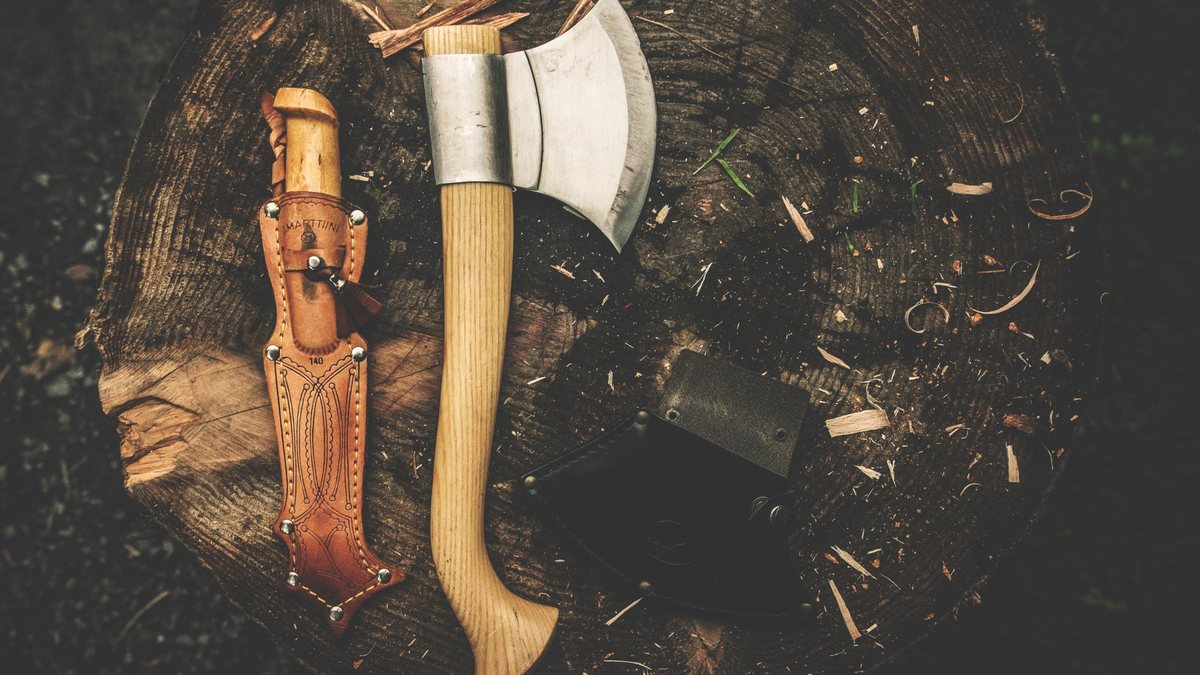
Picture the night before opening day of Iowa's shotgun season. Your blaze orange is laid out, your shells are counted and your tag is in your wallet. Then you open the drawer for a knife and find three choices: The big fixed blade your grandfather carried, a folding pocket knife and a cheap knife with a gut hook you bought at a gas station years ago.
Does a deer knife need a six-inch blade, or will a three-inch folder do? Do the saw and sharpener matter more than the knife? A deer is handled in stages and different stages want different tools.
This is about choosing the knife, not how to field dress a deer. By the end you should understand the jobs a deer knife has to do and how blade length and shape, fixed versus folding, replaceable blades, steel, handles and sheaths fit those jobs, so you can choose one knife, or a simple two-tool setup, that handles your deer from the field to the freezer.
Start with the jobs: What a deer knife actually does
A deer moves through several stages after the shot, and each stage asks something different of a blade.
- Field dressing. Opening the abdomen and removing the organs, which calls for control and a point that will not puncture the stomach or intestines.
- Skinning. Separating hide from meat, which calls for a curved belly that slices in long, sweeping strokes.
- Quartering and boning. Separating legs, backstraps and other cuts, which calls for a stiffer, slimmer blade that follows bone and joints.
- Cutting bone. Splitting the pelvis or brisket and cutting through ribs or leg bones, which is a job for a saw, not a knife.
Of these, field dressing is the one you do in the field, often in poor light, cold and wet, and that is where a good knife matters most. Skinning and quartering often happen later, hanging in a shed or garage, where you can switch tools. Notice that bone is on the list. Trying to make a knife do a saw's job is the single most common way hunters chip edges and break tips.
Choose your main knife for field dressing, and plan another tool for bone.
Blade length: Why smaller usually works better
The picture of a hunter with a long, heavy knife on his belt is a lasting one, but most experienced deer hunters field dress with a blade of about three to four inches. Inside a deer you work in a small space, often guided by feel, and a shorter blade keeps the point close to your fingers where you can control it.
Think of carving a turkey at Thanksgiving. A long slicing knife is perfect for breast meat, but nobody reaches into the cavity with it. For the close work, a short paring knife gives you control. A deer cavity is the same, only larger and colder.
A longer blade, five or six inches, does have uses. It helps with long cuts when skinning or boning a large animal, and some hunters like the extra reach. But it is harder to control near organs, heavier on the belt, and in Iowa a blade over five inches is a "dangerous weapon" by definition, which matters if you stop somewhere on the way home. Our guide to Iowa knife laws explains why.
For field dressing, choose a blade of about three to four inches; save longer blades for processing at home.
Blade shape: Drop point, clip point, skinner and gut hook
Shape decides how the point and the belly behave inside the deer.
- Drop point. The back of the blade curves down to a lowered, strong point, and the belly has a gentle curve. It is the most popular hunting shape because the point is less likely to poke through something you do not want to cut.
- Clip point. The back is "clipped" to a thinner, sharper point, as on many traditional hunting knives. It is good for detailed work but easier to puncture with by accident.
- Skinner. A pronounced, sweeping belly made for long skinning strokes, as on the Old Timer Sharpfinger, a classic small skinning knife.
- Gut hook. A sharpened hook on the back of the blade that unzips the hide when you pull it, cutting skin without cutting what is underneath.
For most hunters a drop point does the most work, because its point is controlled and its belly skins well enough. A gut hook can make the first opening cut easier for a beginner, but it is hard to sharpen, gets in the way of some cuts and is not something you need. Our guide to blade shapes and grinds explains these and other shapes in more depth.
If you buy one hunting knife, make it a drop point with a gently curved belly.
Fixed or folding: Strength, cleaning and carry
A fixed-blade knife has no pivot or lock. The blade runs into the handle as one solid piece, often all the way through, which is called a full tang. That makes it strong, and more importantly for a deer knife, easy to clean. There is no gap for blood, fat and hair to work into.
A folding hunting knife is lighter and easier to carry, and many hunters already have a good one. The catch is the pivot and lock, which collect blood and hair that are hard to clean out, and a lock that can be released by accident if you grip the handle hard in a slippery cavity. If you use a folder, choose one with a strong lock and clean it thoroughly after every deer.
Key idea: For a deer knife, ease of cleaning is a safety and food-quality feature, not just a convenience. Whatever stays in the pivot or under the handle after one deer is still there at the next.
A fixed blade is the better field dressing tool; a sturdy locking folder works if you are willing to clean it carefully.
Replaceable-blade knives: Always sharp, with trade-offs
Replaceable-blade knives, such as Outdoor Edge's Razor series, use thin, scalpel-like blades that snap into a handle. When one goes dull, you swap in a fresh one in seconds instead of sharpening. Several Outdoor Edge knives come with extra blades, and some combination packs pair the knife with a small bone saw.
The advantage is obvious when you have a big deer, cold hands and fading light: You never work with a dull edge, and dull edges are what cause slips. The drawbacks are just as real. The thin blades can snap if you twist or pry with them, so they are for cutting only. You must change blades carefully, following the maker's directions and keeping fingers away from the edge, and you must carry spares and dispose of used blades safely.
Good practice: Practice changing a replaceable blade at the kitchen table before the season, in good light and with dry hands. The middle of a field at dusk is the wrong place to learn.
Choose a replaceable-blade knife if sharpening is not your strength or you process several deer a season, and treat the blades as cutting tools only.
Steel, handle and sheath: Built for blood, cold and wet
A deer knife lives in harsh conditions. It gets wet with blood and water, then often sits in a sheath for a day. Stainless steel resists rust better and is the easiest choice for most hunters. High-carbon steel takes a very keen edge and is easier to sharpen, but it will rust quickly if it is put away dirty. Our guide to knife blade steel explains the trade-off in detail.
The handle should grip when wet and slippery. Textured rubber, G-10 and other synthetics do that well, while smooth polished wood can get slick. A bright handle color, such as blaze orange, is practical: A knife set down in leaves and snow is easy to lose, and an orange handle is easy to find.
The sheath should hold the knife securely when you climb into a stand, cross a fence or drag a deer. A good sheath is also easy to clean. A leather sheath looks classic but holds moisture against the blade if you store the knife in it, so dry both before putting the knife away.
Choose stainless steel, a grippy and brightly colored handle and a secure sheath you can clean.
The rest of the kit: A saw, a sharpener and gloves
The knife is only part of the job. A small, simple kit makes the knife work better and last longer.
- A bone saw. A compact folding saw, or the saw in a knife-and-saw combination, handles the pelvis, brisket and leg bones so your knife does not have to.
- A pocket sharpener. A small pull-through or ceramic sharpener restores the edge partway through the job, which matters most on a large deer.
- Gloves. Field dressing gloves keep your hands cleaner and protect you from some diseases carried in blood and tissue.
- Something to clean with. Water, paper towels and a bag for the dirty knife keep blood out of your pack and truck.
Of these, the saw does the most to protect the knife, and the sharpener does the most to keep you safe, because a sharp edge needs less force and slips less. Our guide to how to sharpen a knife explains both pocket and home sharpening.
Common mistake: Prying apart the pelvis or brisket with the knife tip. That is how points break and hands get cut. If the knife does not slide through, the job needs the saw.
Pack the saw and the sharpener every time, even if you think you will not need them.
Checking your deer knife kit before the season
The week before opening day is the time to check the kit. Laid out on a table in good light, the knife, sheath, saw, sharpener and gloves show what you have. The blade's length and shape tell you whether it suits field dressing or belongs in your processing kit at home. A slice through a sheet of paper, held away from your body, tests the edge; snagging or tearing means it needs sharpening. Seated in its sheath and turned upside down over a soft surface, the knife should stay put when gently shaken. With a replaceable-blade knife, a practice blade change following the maker's directions, and spares packed, finishes the job.
Putting it together
A good deer knife is not about size. For most Iowa hunters, the best single choice is a stainless drop-point fixed blade of three to four inches, with a grippy, brightly colored handle and a secure sheath. A replaceable-blade knife is an excellent alternative if you would rather swap blades than sharpen. Add a small saw for bone and a pocket sharpener, and you can handle a deer from the field to the cooler without forcing any tool past its job.
Then take care of the kit. Clean and dry the knife and sheath after every deer, sharpen before the next hunt and keep the long blades for processing at home.
Check your understanding
Try answering these before you open the answer. If you can decide what to do and explain why, you have it.
1. A friend insists a deer knife should have at least a six-inch blade. What would you tell him?
For field dressing, a three-to-four-inch blade is usually easier to control, because the work is close to organs and often done by feel. A longer blade has uses for skinning and boning at home, but it is not the better field dressing tool.
2. You're buying your first hunting knife and can't decide between a drop point and a clip point. Why is the drop point often recommended?
Its lowered, strong point is less likely to puncture the stomach or intestines by accident, and its belly still skins well. A clip point's thinner, sharper point is better for fine work but easier to poke through something you didn't mean to cut.
3. Your folding hunting knife was hard to clean after last season. What does that tell you?
Blood, fat and hair got into the pivot and lock. Either commit to cleaning it carefully after every deer or switch to a fixed blade, which has no pivot to collect debris.
4. You are quartering a deer and hit the pelvis. What should you do?
Switch to the saw. Prying or twisting the knife through bone chips the edge, can snap the tip or a replaceable blade, and is a common way to get cut.
5. Why does an orange handle make sense on a hunting knife?
Knives get set down in leaves, grass and snow during field dressing and are easy to lose. A bright handle is much easier to spot.
Where to go next
You can find hunting knives on our website, and anything listed there can be ordered if it isn't in stock.
To see how drop points, clip points and other shapes compare, read knife blade shapes and grinds. To keep your hunting knife's edge working through a whole deer, read how to sharpen a knife. If you are deciding between stainless and carbon steel, choosing the right knife blade steel explains the trade-off. And because a big blade is a dangerous weapon by definition, Iowa knife laws explains what that means after the hunt.
If this article helped you, we invite you to sign up for email notifications of new blog articles.