
Best Practices for Storing Ammunition: Keep Your Rounds Safe and Effective
Joseph McLain Nov 07, 2026
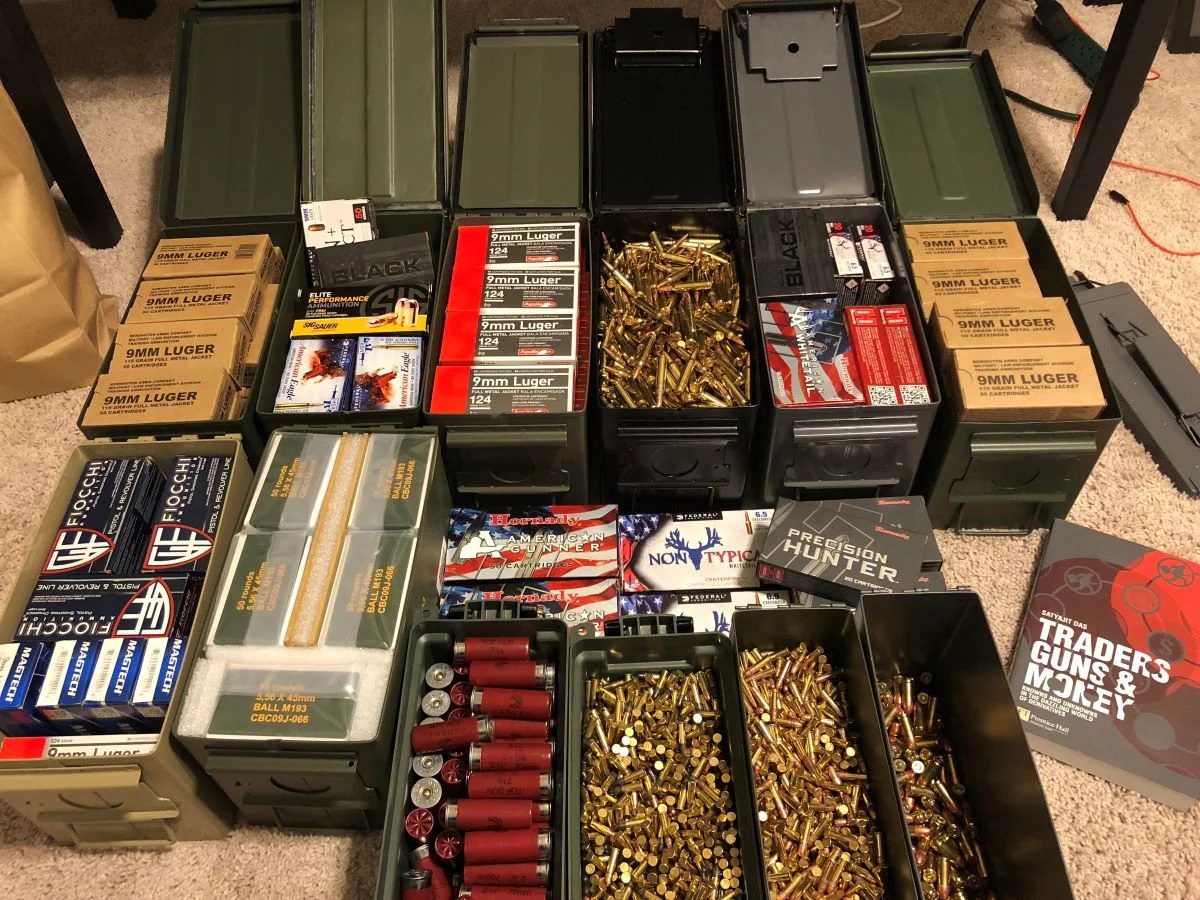
It is the weekend after deer season, and you are carrying a few leftover boxes of shells in from the truck, where they have been riding behind the seat since October. Or maybe you just found a good deal on a case of .22 LR and need somewhere to put it. Where should it go: the basement, the shop, the barn or the closet? Does ammunition last forever anywhere, or does it go bad after a year in the garage? Ammunition looks tough, but it is a small package of chemistry, and where you keep it affects whether it fires when you need it.
By the end of this guide you should be able to choose a storage spot and container, set up a simple system for long-term and everyday ammunition, and adjust your plan for rimfire, centerfire, shotshells and reloading supplies.
Why ammunition storage matters more than most people think
A cartridge is a sealed package with a few jobs inside it. The case holds everything together, the primer provides the spark, and the powder burns to push the bullet. Our article on what goes into cartridge design explains how those parts work together. Storage matters because each part can be damaged by the wrong conditions, and the damage is often invisible from the outside.
- Reliability. Well-stored ammunition performs consistently. Unfavorable conditions can degrade the chemical integrity of the powder and primers, leading to inconsistent performance or even misfires.
- Safety. Ammunition that is stored improperly can become a safety hazard. Moisture, for example, can corrode brass casings, and responsible storage protects not only your investment but also your family and others.
- Longevity. With quality storage, rounds can remain viable for many years, so you are prepared for both planned shooting events and unexpected emergencies.
- Legal and insurance considerations. Many states have specific regulations about storing firearms and ammunition, and proper storage can be a requirement for insurance coverage in the event of theft or damage.
The first three are really one idea seen from different angles. Habits that keep ammunition dry, cool and stable make it more reliable, safer and longer-lasting at the same time, which is why most of this guide is about those habits. The fourth is a reminder to check outside the garage door. Because laws and insurance policies vary, look up your state's current rules and ask your insurance provider what they expect.
Heat, humidity and light: What each one does to a cartridge
| Factor | What it does | What to aim for |
|---|---|---|
| Temperature | High heat can break down the powder. Extreme cold can affect the powder's burn rate and the consistency of primer ignition. | A cool, stable space, ideally 55°F to 70°F (13°C to 21°C) |
| Humidity | Moisture corrodes brass cases and primers, compromising safety and effectiveness. | Relative humidity below 50%, with airtight containers and desiccants |
| Light | Direct sunlight or UV degrades packaging, labels and even the ammunition itself, and the sun's heat can affect performance. | A dark place, such as a locked cabinet, closet or opaque ammo can |
The table is a map, and the sections below show how to use it.
Temperature: Steady beats swinging
Heat is the one most people underestimate. Elevated temperatures can cause the gunpowder inside cartridges to break down, which leads to inconsistent performance. Extreme cold can affect the powder's burn rate and the consistency of primer ignition. The practical target is a cool, stable environment, ideally 55°F to 70°F (13°C to 21°C).
Notice the word stable. Attics, garages and vehicles are exactly the places where temperatures change dramatically with the weather. A garage shelf can be mild in April and punishing in July, and a truck sitting in the sun is an oven. If you must store ammunition in a less-than-ideal spot, use insulated containers or a climate-controlled safe to soften the swings.
Common mistake: Leaving ammunition where it is convenient instead of where it is protected. Boxes of shells in the truck, the barn or a hot garage may feel handy, but those are the places with the biggest temperature swings.
Humidity: Keep the damp out and absorb what sneaks in
High humidity is the enemy of ammunition. Moisture leads to corrosion on brass cases and primers, which compromises both the safety and the effectiveness of your rounds. Relative humidity is a measure of how much moisture the air holds compared with the most it could hold at that temperature, and the goal is to keep it below 50% in your storage area.
Two tools do most of the work. The first is an airtight container, such as a metal or high-grade plastic ammo can with a rubber gasket. Think of it as a lunchbox that keeps the damp out. The second is a desiccant, such as silica gel packs, placed inside the container to absorb excess moisture that gets in anyway, like a sponge for the air. Together they protect against both the humid day outside and the small amount of moisture trapped in the can when you close it.
Finally, check periodically. Inspect your ammunition for signs of corrosion or moisture damage, and set aside any rounds that show it rather than shooting them.
Light: Mostly a heat problem in disguise
Prolonged exposure to direct sunlight or UV light can degrade packaging, labels and even the ammunition itself. Sunlight also warms whatever it touches, so a container in a sunny window heats up and brings the temperature problem along. That is why the guidance is simple. Keep your ammunition in a dark place, such as a locked cabinet, a closet or opaque ammo cans. If you use clear containers, make sure they are not in direct sunlight, and consider light and temperature together.
Choosing a container: Ammo cans, safes and cabinets
A container has two jobs, and they are different jobs. It protects ammunition from the environment, and it protects it from unauthorized access. Some options do one better than the other, and the right choice depends on whether you are stockpiling rounds for the long term or keeping a few boxes handy for frequent use.
| Option | Best for | Strengths | Examples named by shooters |
|---|---|---|---|
| Ammo cans, metal or high-grade plastic | Keeping ammunition dry, and carrying it to the range or field | Sealed against moisture with rubber gaskets, stackable, rugged and portable | SureGrip (durable construction and excellent seals), Plano (widely used by hunters and competitive shooters for affordability and reliability) |
| Gun safes with ammo compartments | Security plus organization in one place | Protect against theft and unauthorized access, separate compartments by caliber, and some high-end models offer climate control | GunVault (innovative designs, secure quick-access solutions), Vaultek smart safes (often with advanced features like biometric access and climate control) |
| Dedicated ammo cabinets | Large collections | Heavy-duty metal, lockable doors, large capacity, adjustable shelves, labeling options, a stable environment for long-term storage | AR500 ammo cabinets (rugged construction), budget-friendly metal cabinets from various retailers |
Left to right, the table is a decision. If your priority is keeping rounds dry, start with ammo cans. If you also want to keep ammunition locked away from unauthorized hands, a safe with a compartment or a cabinet with a robust lock does that job. If you own a lot of ammunition, a cabinet gives you the capacity and the shelves to stay organized. Most people end up with a combination, such as sealed cans stored inside a locked cabinet or safe.
Key idea: Protecting ammunition from the weather and protecting it from people are two separate jobs. A good setup does both, and the second matters most if children or visitors are ever in your home. For the firearm side of the picture, see our guide to proper gun storage.
Long-term stock and everyday ammunition: Run two systems
Here is a situation many shooters share. You buy a case of 9mm on sale, you shoot a couple of boxes a month, and every time you open the can for a box you let room air in and handle the rest. Over a year, that adds up. The solution is to keep two storage setups, one for long-term, preserved ammunition and one for daily use. That way your go-to rounds stay easy to reach while the rest of your stock stays protected and undisturbed.
Long-term storage: Preservation comes first
For ammunition you do not plan to use for extended periods, the goal is to minimize environmental exposure. Use sealed ammo cans or vacuum-sealed bags to protect against moisture and air. Keep them in a cool, dark, stable place, and a dedicated ammo safe or cabinet in a climate-controlled room is ideal. Then label each container with the caliber, type of ammunition and purchase date. Labels turn a pile of cans into an inventory, and the purchase date lets you rotate your stock so older rounds are used before newer ones.
Quick-access storage: Readiness without carelessness
For ammunition you use regularly, such as for range practice, competitions or home defense, you need a system that allows rapid access without compromising safety. Ammo trays and organizers let you see and reach your rounds quickly, and a dedicated tray or drawer near your shooting area can be very convenient. Keep this ammunition secure but easily reachable, such as in a locked drawer or a small safe with fast access, particularly if it is for self-defense or high-volume training.
A simple rule ties the two systems together. Refill your everyday container from the oldest long-term stock, so the dates on your labels keep moving forward. That is the whole rotation habit.
Rimfire, centerfire and shotshells: Different rounds, different care
Not all ammunition needs the same storage approach, because the rounds are built differently. Our guide to rimfire vs. centerfire cartridges explains those differences in detail.
| Type | How sensitive it is | Storage priorities |
|---|---|---|
| Rimfire (like .22 LR) | Most sensitive. Thinner brass casings are more sensitive to moisture and temperature fluctuations, and the rimfire primer can corrode easily in high humidity. | Airtight ammo cans with desiccant packs, a cool and dry environment, and regular rotation, since rimfire is best used within a few years of purchase |
| Centerfire (like 9mm, .308 or .45 ACP) | Generally more robust, tolerating a wider range of storage conditions than rimfire | Cans or safes in a climate-controlled area for long-term storage, clear labeling by caliber, and avoiding attics and garages |
| Shotgun shells | Particularly susceptible to moisture damage, especially those with paper or cardboard wads. Modern plastic shells resist better but still benefit from proper storage. | Airtight containers, moisture absorbers, and periodic inspection for corrosion or damage, especially in long-term storage |
The point of the table is that more robust does not mean immune. Centerfire is the most forgiving, but it still does best in a stable place. Rimfire is the one to protect first, and if you keep a large supply of .22 LR, the sealed can with desiccant and a rotation habit is not optional. If you are newer to these terms, our beginner's guide to ammunition covers caliber, bullet types and shot sizes.
Storing reloading components safely
If you reload, your components deserve the same care as your finished rounds, and primers and powder deserve extra caution. Both are highly flammable. Store them in a cool, dry, well-ventilated area, away from heat sources and open flames. Keep them in their original packaging, which is designed to protect them from moisture and contamination, and store primers and powder separately from finished ammunition to prevent accidental mixing or ignition.
Brass casings are a different matter. They can corrode if exposed to moisture, so after cleaning, store them in airtight containers with desiccants. Organize your brass by caliber and condition, and rotate it regularly if you plan to reload, because proper storage preserves its reusability and performance.
Safety: Treat the reloading bench like a separate storage zone. Finished ammunition goes in one place, and primers and powder go in another, so a mix-up or a fire at one does not become a problem for the other.
Setting up your storage
Getting everything in one place, with every firearm unloaded and put away, is the first step. Each box or container should carry its caliber, type and purchase date, and any rounds that show corrosion or moisture damage should be set aside. The right spot is cool, dry and dark, out of the attic, garage and vehicle; a thermometer and hygrometer show whether it stays between 55°F and 70°F and below 50% relative humidity. Sealed cans with desiccant hold the long-term stock, and a separate, secured container holds the rounds you shoot most. When you can say in one sentence where each type of ammunition lives and why, the system is working.
Putting it together
Ammunition stored cool, dry and stable can stay reliable for many years, while heat, humidity and big temperature swings shorten its life, which is why a truck seat or a damp barn is a poor home. Pick one cool, dry, secure spot, use sealed containers with desiccant, label and rotate what you shoot, keep it locked away from children and unauthorized people, and inspect old ammunition before you trust it.
Check your understanding
Try answering these before you open the answer. If you can decide what to do and explain why, you have it.
1. A friend keeps spare boxes in his truck all year because it is handy. What would you tell him?
Vehicles, like attics and garages, see dramatic temperature swings with the weather. Heat can break down powder and cold can affect burn rate and primer ignition, so a stable, cool, dark place is better. If he must store ammunition in a poor spot, use insulated containers or a climate-controlled safe.
2. You open an ammo can that has sat in your basement for two years and find a damp silica gel pack inside. What has each part been doing?
The airtight can and its rubber gasket keep most moisture out, and the desiccant absorbs what gets in anyway. A saturated pack means it has done its job and needs drying or replacing, to keep relative humidity below 50% so brass and primers don't corrode.
3. Why keep both a long-term store and a quick-access store?
The long-term store focuses on preservation and stays sealed and undisturbed, while the quick-access store focuses on readiness for range practice, competition or home defense. Keeping them separate protects most of your stock while your go-to rounds stay easy to reach, and labels with purchase dates let you use older rounds first.
4. You have a brick of .22 LR and a case of 9mm, and only one airtight can. Which gets the can, and why?
The .22 LR. Rimfire's thinner brass is more sensitive to moisture and temperature swings, and its primer compound can corrode easily in high humidity. Store it with desiccant and rotate it regularly.
5. You reload. Where should your primers and powder live?
In a cool, dry, well-ventilated area away from heat sources and open flames, in their original packaging, and separate from finished ammunition. Both are highly flammable.
Where to go next
Since ammunition storage is only half of safe storage, read proper gun storage next, which covers securing the firearms themselves. If you keep a lot of .22 LR or shotshells, rimfire vs. centerfire cartridges will make clear why the care differs. And when you are ready to take your well-stored ammunition out of the house, how to safely transport your firearms is the natural follow-up.
If this article helped you, we invite you to sign up for email notifications of new blog articles.