
Shotgun Slugs for Iowa Deer: Foster, Sabot and the Barrel That Shoots Them
Joseph McLain Nov 07, 2026
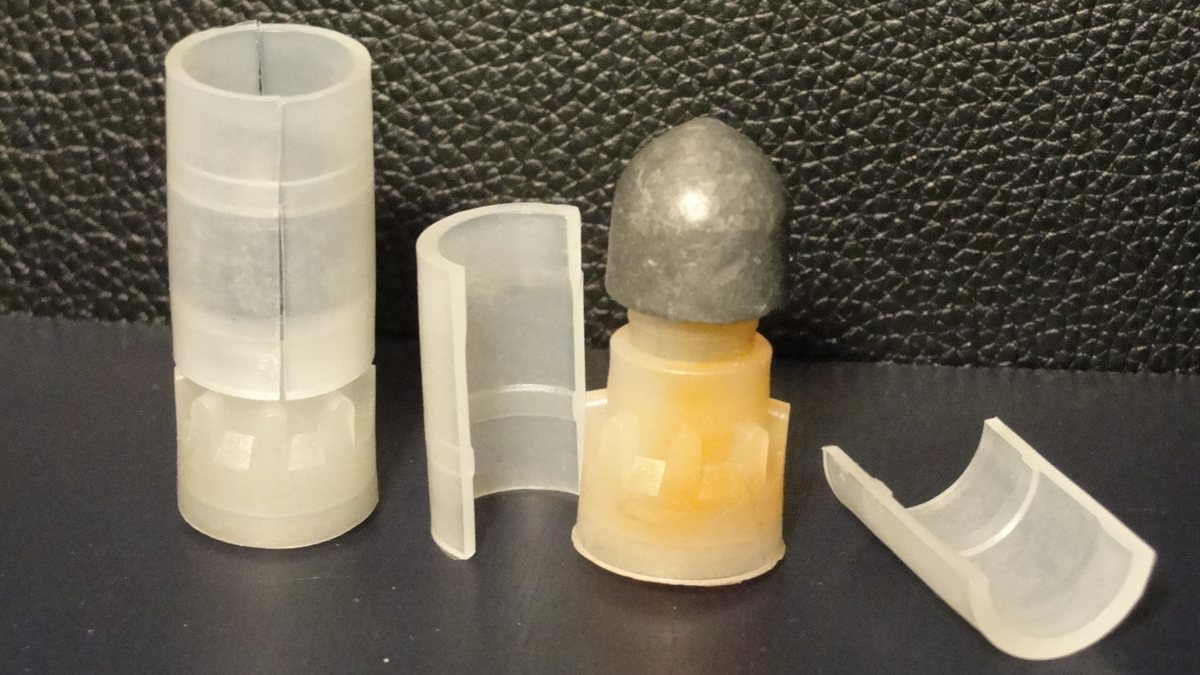
It is the week before the first shotgun season, and you are trying to make sense of slug boxes. Some say "rifled slug." Some say "sabot." Some cost three times what the others do. Which one belongs in your shotgun?
Cheap rifled slugs kill deer cleanly at the distances most Iowa hunters shoot, and sabots in a rifled barrel stretch your effective range. What matters most is the part people rarely say out loud: the slug and the barrel are a pair. The right slug in the wrong barrel can turn a solid four-inch group into a pattern you wouldn't trust on a deer.
By the end you should be able to look at your own shotgun, name the kind of slug it is built to shoot, and know how far you can honestly take a shot with it.
Why Iowa deer hunters shoot slugs
Iowa's regular deer seasons have long been built around the shotgun. Iowa's method-of-take rule for deer allows 10-, 12-, 16- and 20-gauge shotguns shooting single slugs in the regular gun seasons. Buckshot is not on that list, and neither is the .410. A single heavy projectile is the only legal choice from a shotgun. Rules can change from year to year, so check the current Iowa hunting seasons and regulations before you hunt.
The reasoning is easy to see once you picture Iowa's landscape. Much of the state is open farm ground with houses, roads and other hunters scattered across it. A slug is big and heavy, and it slows down much faster than a pointed rifle bullet does. It still carries dangerous energy far past any deer you would shoot at, so a safe backstop matters just as much as it does with a rifle. Iowa also restricts shooting from or across roads, so know where the road right-of-way is before you set up.
Iowa now allows some straight-walled rifle cartridges during the shotgun seasons too, which our article on straight-walled cartridges for deer hunting explains. Many hunters still choose a shotgun because they already own one, it works for pheasants the rest of the year, and slugs do the job inside the distances most Iowa deer are taken.
Before anything else, read the current regulations for the season and zone you are hunting, because the legal list is the first filter on what you can shoot.
The Foster slug: A shuttlecock made of lead
The slug most people picture is the Foster slug, the type sold as a "rifled slug." Karl Foster designed it in the early 1930s. It is a soft lead projectile with a deep hollow in its base, so most of its weight sits up in the nose.
Think of a badminton shuttlecock. However you hit it, it turns and flies nose-first, because the heavy end leads and the light end trails behind. A Foster slug flies the same way. That nose-heavy shape is what keeps it stable when fired from a smooth barrel with no rifling at all.
The angled ribs on the outside of a "rifled" slug are the source of a lot of confusion. They look like they should spin the slug like a rifle bullet. In practice they do very little of that. Their main job is to let the soft lead squeeze down as the slug passes through a choke. The word "rifled" describes the slug, not the barrel it needs. Foster slugs are made for smooth-bore barrels.
Foster slugs are inexpensive, easy to find and hit hard. A typical 12-gauge load throws a one-ounce slug, which is about 437 grains, at roughly 1,500 to 1,600 feet per second. That is a big, heavy projectile. The weak point is accuracy at longer range. From a smooth-bore barrel with rifle-type sights, many guns group well enough for a clean shot to around 75 yards. Some shoot well a little farther, and some don't.
If your shotgun has a smooth barrel, start with Foster slugs and let your own target tell you how far you can trust them.
Brenneke-style slugs: Harder, heavier, attached wad
Wilhelm Brenneke designed his slug in Germany in 1898, decades before Foster's. A Brenneke-style slug is usually made of harder lead and has a wad attached to its base. The wad works like the feathers on an arrow, trailing behind and helping keep the slug straight.
Because the lead is harder and the slug keeps its shape, Brenneke-style slugs tend to penetrate deeply, and some hunters like them for that reason. Like Foster slugs, they are made for smooth-bore barrels, though some shoot reasonably well from rifled barrels too.
Try them if your gun doesn't group well with Foster slugs. Choose by what your target shows, not by the reputation on the box.
Sabot slugs: A smaller bullet riding in a plastic sleeve
A sabot slug works on a completely different principle. The projectile is smaller than the bore, and it rides inside a two-piece plastic sleeve called a sabot (pronounced "SAY-bo"). The sabot grips the spiral grooves of a rifled barrel, so the slug comes out spinning like a rifle bullet. Once it leaves the muzzle, the sabot falls away and the slug flies on alone.
Spin is what makes it accurate. A spinning projectile stays pointed and flies more consistently, the same way a football thrown with a tight spiral flies truer than one that wobbles. Sabot slugs are usually more aerodynamic than Foster slugs too, so they hold their speed better. From a good rifled barrel with a scope, many sabot loads stay accurate well past 100 yards. Some hunters shoot them confidently to 150 yards or more.
Fired through a smooth barrel, a sabot slug doesn't spin. It loses the very thing it was designed around and often groups worse than an inexpensive Foster slug. You would be paying premium prices for poor results.
Common mistake: Buying expensive sabot slugs for a smooth-bore barrel because "better slugs must shoot better." Sabots need rifling to spin. In a smooth bore they are usually the wrong choice at the higher price.
Shoot sabot slugs only from a rifled barrel or a rifled choke tube, and expect them to cost more per shot.
Know your barrel: Smooth, rifled or rifled choke
Everything above comes down to what is inside your barrel, so look before you buy slugs. Most shotgun barrels fall into one of three groups.
- Smooth bore with a choke. This is the standard bird barrel, usually with a bead sight, and it shoots Foster and Brenneke-style slugs.
- Smooth bore made for slugs. These are usually shorter and open (cylinder bore), with rifle sights or a scope mount, and they also shoot Foster-style slugs.
- Fully rifled barrel. Spiral grooves run the whole length, and it is built for sabot slugs.
A fourth option sits in between: a rifled choke tube. It screws into the muzzle of a smooth-bore barrel and puts a short section of rifling at the end. It can give a sabot slug some spin. Results vary widely from gun to gun, so a rifled choke tube is best treated as a reasonable experiment rather than a guaranteed equal to a fully rifled barrel.
Can a fully rifled barrel shoot Foster slugs? It can, but many guns group them poorly, and the soft lead can leave deposits in the rifling grooves that take real effort to clean. If you have a rifled barrel, sabot slugs are the reason you have it.
Chokes matter with smooth-bore barrels. The safest guidance comes from your shotgun's owner's manual. Many manufacturers recommend cylinder, improved cylinder or a dedicated rifled choke for slugs. Some caution against firing slugs through very tight chokes, such as extra-full turkey chokes. Our guide to shotgun chokes explains how chokes work.
Identify the barrel, check the manual's choke guidance and buy the slug type that barrel was built for.
12 gauge or 20 gauge for deer
Many Iowa hunters start with a 12-gauge simply because that is the shotgun they own. A 12-gauge slug is heavy, and recoil from a full-power load is significant. In a light pump gun, that kick can be hard enough that a new hunter starts flinching before the gun even fires.
Modern 20-gauge loads, especially sabot slugs from a rifled 20-gauge, are fully capable of taking deer at normal Iowa distances, and they kick noticeably less. A hunter who isn't afraid of the gun usually shoots it better. That matters more than a few extra foot-pounds of energy at the muzzle.
Choose the gauge you can shoot accurately from field positions without flinching. For many younger, smaller or recoil-sensitive hunters, that is a 20-gauge.
Sights and sighting in: A slug gun is a rifle that kicks
A single bead sight works well on flying birds, because you are pointing at a moving target with both eyes open. For a single projectile at 75 yards, a bead gives you no reliable way to line up the shot. Rifle-style sights, a red dot or a low-power scope make a dramatic difference in how consistently you hit.
Sighting in a slug gun is closer to sighting in a rifle than patterning a bird gun. Start at 25 yards to get on paper, then move to 50 and finally to the farthest distance you expect to shoot. Shoot from a steady rest. Fire three-shot groups, and let the barrel cool between them, because barrel heat and your shoulder both get worse with each shot.
Different slug brands often hit in different places from the same gun, sometimes several inches apart. Once you find a load that groups well, buy enough of the same load to finish sighting in and hunt the season. Switching brands means sighting in again. Our article on sighting in at different distances explains how a projectile rises and drops along its path, and the same principle applies to slugs.
Good practice: Your honest maximum range is the distance where you can keep every shot inside a paper plate from a field position, not from the bench. For many slug guns, that is closer than the box suggests.
Sight in with the exact load you will hunt with, and set your maximum distance from your own targets, not from advertising.
Slugs worth starting with
Every gun has its own favorite, so these are starting points to test, not guarantees. They're chosen because they have long records of grouping well and killing deer cleanly.
- Smooth bore, on a budget. Federal Power-Shok and Winchester Super-X rifled slugs are inexpensive Foster-style loads that group well enough in many smooth barrels for shots inside 75 yards. Buy a box of each and keep the one your gun likes.
- Smooth bore, for the best accuracy. Federal Vital-Shok TruBall adds a plastic ball in the slug's hollow base that centers it in the bore, and in many smooth barrels it groups noticeably tighter than ordinary Foster slugs. Brenneke's K.O. and Black Magic slugs are the choice if you want the deepest penetration from a smooth bore.
- Rifled barrel. Hornady's SST Shotgun slug (300 grains in 12 gauge, 250 in 20 gauge) and Remington's Premier AccuTip sabot are the long-standing standards for accuracy past 100 yards. Both expand reliably on deer.
- Recoil-sensitive hunters. A 20-gauge sabot from a rifled 20-gauge kills deer cleanly at Iowa distances with far less kick than a 12-gauge Foster slug, and a hunter who doesn't flinch puts the slug where it belongs.
Putting it together
Start with the regulations, which limit you to 10-, 12-, 16- or 20-gauge single slugs in Iowa's shotgun seasons. Then look inside your barrel. A smooth bore shoots Foster or Brenneke-style slugs. A rifled barrel shoots sabots, and a rifled choke tube is a maybe worth testing. Pick a gauge you can shoot without flinching, put real sights on the gun, and sight in with the load you will actually hunt with.
A cheap slug that groups well from your gun beats an expensive one that doesn't. And the distance you have proven on paper is the farthest you should shoot at a deer.
Check your understanding
Try answering these before you open the answer. If you can decide what to do and explain why, you have it.
1. A friend's pump shotgun has a smooth barrel and a modified choke. He bought premium sabot slugs because they cost the most. What do you tell him?
Sabot slugs need rifling to spin, and a smooth barrel won't spin them, so they will likely group poorly. He would do better with Foster or Brenneke-style slugs, fired through whatever choke his owner's manual recommends for slugs.
2. Your uncle's old pump has a smooth barrel with a bead sight, and he plans to shoot a deer across a 120-yard bean field with cheap rifled slugs. What would you tell him?
That shot is past what most smooth-bore guns with Foster slugs can do reliably, and a bead gives him no precise way to aim a single slug that far. He should either keep his shots inside the distance he's proven on paper, often around 75 yards, or put rifle sights or a scope on the gun and test it at 120 first. A rifled barrel with sabots is the tool for that field.
3. Your nephew wants to use 00 buckshot in his 12-gauge for Iowa deer because "nine pellets are more likely to hit than one slug." What do you tell him?
It isn't legal. Iowa's deer rules allow 10-, 12-, 16- and 20-gauge shotguns only with single slugs, so buckshot is out. And spreading pellets is also more likely to wound than kill cleanly at deer distances. He needs slugs, sighted in from his gun.
4. You switch from one brand of slug to another the week before season. What should you do?
Sight in again. Different slug loads often hit in different places from the same gun, sometimes by several inches, so a zero with one load doesn't carry over to another.
5. A new hunter flinches badly with a 12-gauge slug gun. What is a reasonable change?
Try a 20-gauge, ideally with sabot slugs and a rifled barrel. Modern 20-gauge slugs are effective at normal Iowa distances and kick less, and a hunter who doesn't flinch shoots more accurately.
Where to go next
You can find shotgun slugs for deer on our website, including Federal Vital-Shok TruBall and Power-Shok, Winchester Super-X, Hornady SST and Remington Premier AccuTip, and anything listed there can be ordered if it isn't in stock.
If you are deciding between a slug gun and a rifle, read straight-walled cartridges for deer hunting to see what Iowa now allows in the shotgun seasons. To understand why chokes affect slugs, see demystifying shotgun chokes. For what makes a shot clean once you are in the field, read hunting ethics. And if you hunt late seasons, cold-shot accuracy for winter deer hunting explains how cold changes your first shot.
If this article helped you, we invite you to sign up for email notifications of new blog articles.