
Selecting the Right Personal / Home Defense Ammunition: What You Need to Know
Joseph McLain Nov 07, 2026
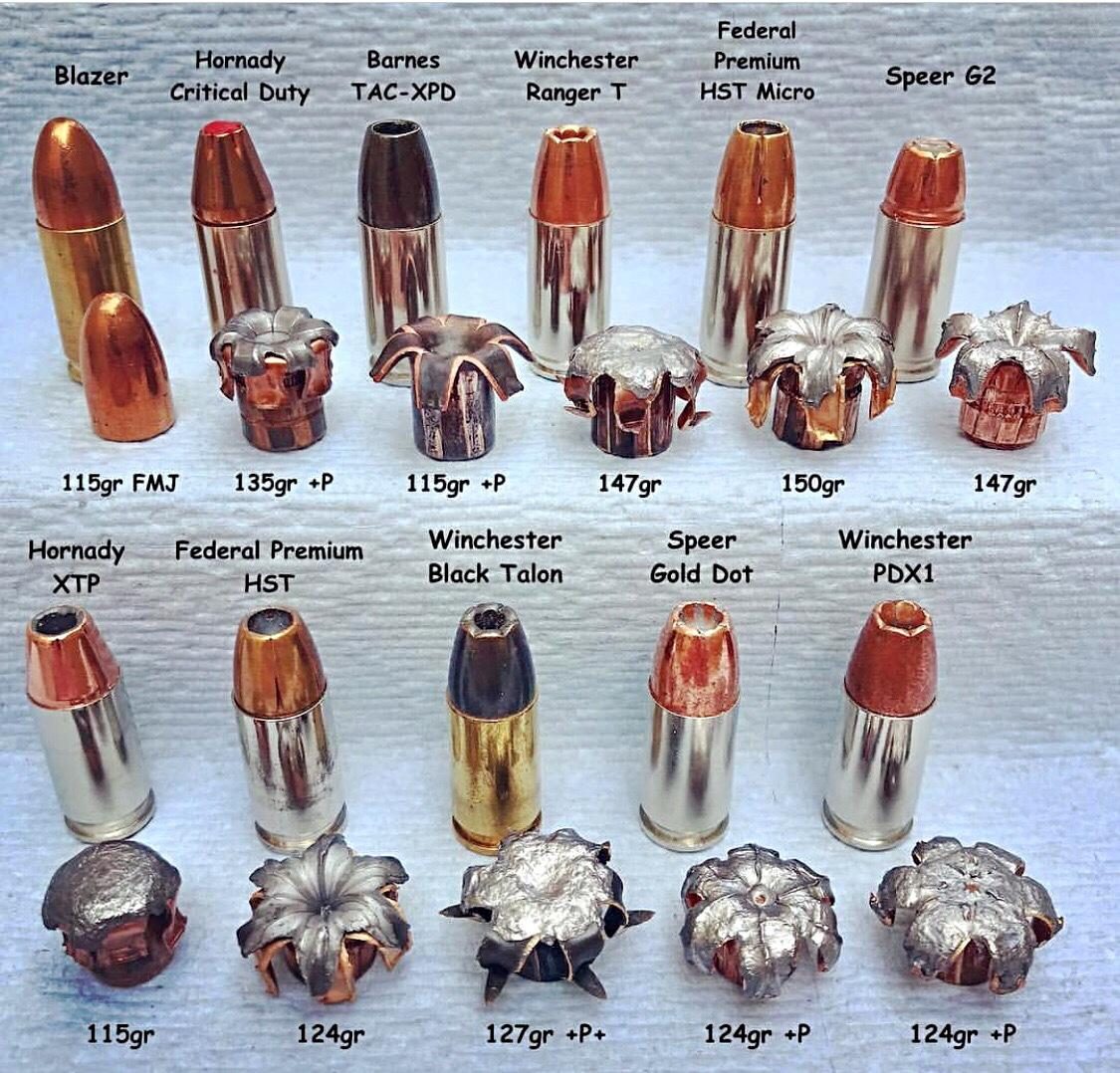
You have decided to keep a handgun in the house for protection, and now you need ammunition. There are full metal jacket rounds, and there are hollow points with names like Hydra-Shok, HST and Critical Defense. They all fit the same pistol. Will any bullet do, or is only one premium brand good enough? What is the difference, and does it matter? It matters a great deal, because the wrong choice can put the people you are trying to protect at risk.
By the end of this article you should be able to explain what a defensive bullet is supposed to do, choose a type of load and a caliber that suit you and your home, and know how to confirm that your pistol and your ammunition work well together.
The two jobs a defensive bullet has to do
For personal and home defense, the ammunition you choose has to stop a threat effectively while minimizing the risk of over-penetration. Over-penetration means a bullet passes through its target, or through a wall or door, and keeps going. That gives the bullet two jobs that pull against each other. It must penetrate far enough to do its work, and it must expand so that it does not carry on and endanger someone else.
Think of the difference between throwing a dart and slapping the surface of a pond with an open hand. The dart is narrow and slips through. The open hand is wide, so it meets far more resistance and stops quickly. A defensive bullet is designed to behave more like the open hand. It widens on impact, creates a larger wound channel, transfers its energy rapidly, and slows down so it is less likely to exit the target.
Key idea: Defensive ammunition is a balancing act between expansion and controlled penetration. You want enough penetration to stop the threat and enough expansion to keep the bullet from becoming a danger beyond it.
Why full metal jacket is a poor fit for the home
Full metal jacket (FMJ) rounds are widely available and popular for target practice because they are affordable and durable. Those same qualities explain why they are generally not recommended for home defense. An FMJ bullet is built to penetrate with minimal deformation, and because it does not expand, it can pass through walls, doors or furniture and endanger people in the next room. Our article on FMJ and TMJ bullets explains where these bullets really shine, which is on the range.
Use FMJ for practice and choose an expanding bullet, such as a hollow point, for defense. Expanding ammunition is far more effective and safer for personal defense.
Common mistake: Loading a pistol with whatever ammunition happens to be in the cabinet because it is what you shot last weekend. Choose your defensive load on purpose, based on how it is designed to behave.
How hollow points work, and three loads worth knowing
A hollow point has a cavity in its nose. When it strikes a target, the nose opens up and the bullet's diameter increases. That does three things at once. It creates a larger wound channel, it rapidly transfers energy to the target, and it slows the bullet to reduce the chance of it passing through and causing unintended damage. A well-designed hollow point therefore delivers effective stopping power and controlled penetration together.
Not all hollow points are built the same way. Each of these three well-known lines solves the same problem with a different design, and you can read our deeper guides to Federal Hydra-Shok and HST and to Hornady Critical Defense and Critical Duty when you are ready.
| Load | Design feature | What it is meant to do |
|---|---|---|
| Federal Hydra-Shok | A center post inside the hollow cavity. Developed in the late 1980s, with Hydra-Shok Deep as an improved version. | Helps initiate rapid, consistent expansion, even through clothing or light barriers. The Deep version offers enhanced penetration while still controlling expansion. |
| Federal HST | A deep hollow cavity with a pre-cut (skived) jacket that tells the bullet where to open. | Expands reliably while minimizing the risk of over-penetration. Federal HST 9mm and HST .45 ACP are the examples we use below. |
| Hornady Critical Defense | Hornady's patented FTX (Flex Tip) design with a soft polymer tip. | Prevents clogging and helps expansion stay consistent, even through heavy clothing or other barriers. Offered in many handgun calibers, including .380 ACP and 9mm. |
The center post and the polymer tip have something in common. Both are answers to a real worry, which is that a bullet may have to pass through clothing or a light barrier before it reaches its target. If the hollow cavity packs with fabric, it may not open the way it was designed to. The center post and the flex tip are each meant to keep the bullet expanding anyway. HST is known for controlled expansion that stays reliable while limiting over-penetration. When you compare brands, ask which design problem each one is solving, and you will understand the box in your hand better than the marketing on it.
Penetration versus over-penetration: Finding the balance
In a home defense situation, some penetration is necessary to stop a threat effectively, but too much creates dangerous risks for others. The aim is the middle ground, and the right ammunition can help you reach it.
Shotguns show the same balance in a different form. A slug is a single large projectile, and slugs tend to penetrate too deeply and can pass easily through walls. Buckshot divides the load among several smaller pellets, each of which penetrates less than a slug, while still delivering sufficient stopping power. For that reason many experts favor buckshot over slugs for home defense. Buckshot pellets can still pass through interior walls, though, so it narrows the risk rather than removing it. If you are considering a shotgun for this role, our guide to tactical shotgun selection covers the choices.
For handguns, the controlled-expansion loads above (Federal HST, Hydra-Shok and Critical Defense) are chosen for the same reason. The focus is on a round that expands sufficiently to stop the threat without creating excessive risk beyond the target.
No load removes that risk completely, so safe habits matter as much as ammunition. The safety rule of knowing your target and what is beyond it still applies in your own hallway. Our firearm safety guide for beginners reviews all the rules.
Matching the caliber to the shooter
Caliber is as important as the type of bullet, and the best caliber is the one that balances effective stopping power with controllability. A smaller, easier caliber you can shoot accurately will serve you better than a more powerful one you hesitate to practice with. Our personal protection caliber comparison goes into detail, and the table below summarizes the points that matter most here.
| Caliber | Who it suits | What to know |
|---|---|---|
| .380 ACP | Smaller-framed individuals, or anyone who prioritizes concealability | Manageable recoil while still delivering effective expansion, as in Hornady Critical Defense .380 ACP |
| 9mm | Many home defenders, since it is one of the most commonly chosen calibers | A balance of recoil, stopping power and magazine capacity. Federal HST 9mm provides excellent expansion and stopping power without excessive risk of over-penetration. |
| .40 S&W | Shooters who want more power than 9mm | Developed to bridge the gap between 9mm and .45 ACP, with increased stopping power and manageable recoil |
| .45 ACP | Shooters willing to train for more recoil | Known for superior stopping power, but with more recoil than 9mm. Many shooters find it effective with proper training and practice. Federal HST .45 ACP delivers controlled expansion and reliable performance. |
The pattern in the table is a trade. Moving from .380 ACP toward .45 ACP generally adds power and adds recoil. The 9mm sits in the middle, which is why it is such a common choice, and the .40 S&W and .45 ACP ask for more practice to manage recoil effectively. Pick the most capable caliber you can shoot well, and then practice with it until the gun feels like yours. If you are unsure, handling several pistols and talking it through with an instructor is time well spent.
Your home matters as much as your ammunition
The environment where you live changes how much weight you should give to penetration. In an apartment or a home with thin walls, the risk of a round passing through and endangering someone else is significant. In those close quarters, choose ammunition that minimizes over-penetration. Hollow points are preferable. Frangible rounds are designed to break apart on impact with hard surfaces such as steel, but they can still pass through drywall, so treat them as one more option rather than a cure. Any handgun round powerful enough to stop a threat can pass through an interior wall, which is why where you stand and what is behind your target matter as much as the box you buy.
Barriers and furniture matter too. Ammunition that reliably expands is crucial for making sure the round does not travel far beyond the intended target, and loads like Federal HST, Hydra-Shok and Hornady Critical Defense are chosen for that consistent balance, which protects bystanders while keeping effective stopping power.
Good practice: Walk through your home in daylight and pick the rooms and hallways you would most likely be in. For each one, ask what is on the other side of the wall. A bedroom wall that backs onto a child's room tells you something that no ammunition label can.
Training with the load you chose
Whatever ammunition you choose, you need to know how it performs in your own firearm. Regular practice with your chosen ammunition builds familiarity with its recoil, its trajectory and how it behaves, and knowing how your ammunition performs under stress gives you real confidence when it counts. The point is not just to own good ammunition. It is to be someone who has used it.
Dry-fire and live-fire practice work together. Dry-fire is practicing with an unloaded firearm, and it is a safe way to build trigger control and handling skills, as long as you confirm the firearm is unloaded and keep all ammunition out of the room. Live-fire drills then let you evaluate how the ammunition really performs and adjust your technique. The more familiar you are with your ammunition, the better you can adapt to high-stress scenarios.
Comparing your practice load and your defensive load
Your defensive load should hold no surprises. At the range, with eye and ear protection on and the muzzle downrange, fire a few shots of your practice ammunition at a distance you can handle, aiming at the same point each time, then the same number of your defensive load at the same distance. Compare the two groups and how each felt, and note any malfunction. If they land in different places or the defensive load feels very different, that difference is what to practice with; once you can describe how the defensive load shoots in your pistol and it has run without a hitch, you know your setup.
Putting it together
Here is how the pieces fit together.
- Bullet type: Hollow point or other expanding ammunition for defense, FMJ for practice
- Load: Federal HST 9mm for home defense, or Hornady Critical Defense in .380 ACP or 9mm
- Caliber: The most capable one you can shoot well
- Special cases: In apartments and close quarters, plan your positions around what is behind each wall; no ammunition makes a wall safe to shoot through
Bullet design matters, but no single brand is the only good one. Two of these choices matter most. Choosing an expanding bullet is the choice that most affects the safety of bystanders, and practicing with your chosen load is the choice that most affects how well you can use it. The specific brand is less important than getting both of those right. Laws about defending yourself vary by state, so learn yours from your state's official sources or a qualified professional.
Check your understanding
Try answering these before you open the answer. If you can decide what to do and explain why, you have it.
1. A friend says FMJ ammunition is fine for home defense because it will "go through anything." What is wrong with that thinking?
Penetration is only half of the job. FMJ bullets are made to penetrate with minimal deformation and do not expand, so they can pass through walls, doors or furniture and endanger people in other rooms. Expanding ammunition such as hollow points delivers effective stopping power with more controlled penetration.
2. You're comparing a Hydra-Shok with a center post and a Critical Defense with a red polymer tip. What problem are both designs solving?
Both are designed to keep the bullet expanding consistently through clothing or light barriers. Heavy fabric can pack a plain hollow cavity and stop it from opening; the center post helps start rapid expansion, and the FTX polymer tip keeps the cavity from clogging.
3. You live in an apartment with thin walls. How does that change your ammunition choice?
The risk of a round passing through a wall and endangering others is significant, so you should choose ammunition that minimizes over-penetration, such as hollow points. Even then, a handgun round can pass through an interior wall, so plan where you would stand and know what is on the other side.
4. A smaller-framed shooter who wants a concealable pistol is choosing a caliber. What would you suggest, and what does it give up?
The .380 ACP, which offers manageable recoil and effective expansion in loads such as Hornady Critical Defense. It gives up some power compared with the 9mm, and moving up toward the .40 S&W and .45 ACP adds power along with recoil that takes more practice to manage.
5. You have bought a defensive load. What should you do next, and why?
Practice with it, using both dry-fire and live-fire drills. Familiarity with its recoil, trajectory and performance builds confidence and lets you adjust your technique.
Where to go next
You can find Federal HST, Hydra-Shok and Hornady Critical Defense ammunition on our website, and anything listed there can be ordered if it isn't in stock.
For a closer look at which handgun caliber fits you, read our personal protection caliber comparison. To see how the major premium lines compare, our guide to Federal Hydra-Shok and HST, Speer Gold Dot and Hornady Critical Defense and Critical Duty puts them side by side. If you want to understand how expansion and penetration are tested, the role of ballistic gelatin explains what those tests do and do not tell us. And since a defensive firearm and its ammunition should always be secured responsibly, proper gun storage is the natural companion to this article.
If this article helped you, we invite you to sign up for email notifications of new blog articles.