
Nontoxic Shot in Iowa: Where It's Required and How Steel, Bismuth and Tungsten Compare
Joseph McLain Nov 07, 2026
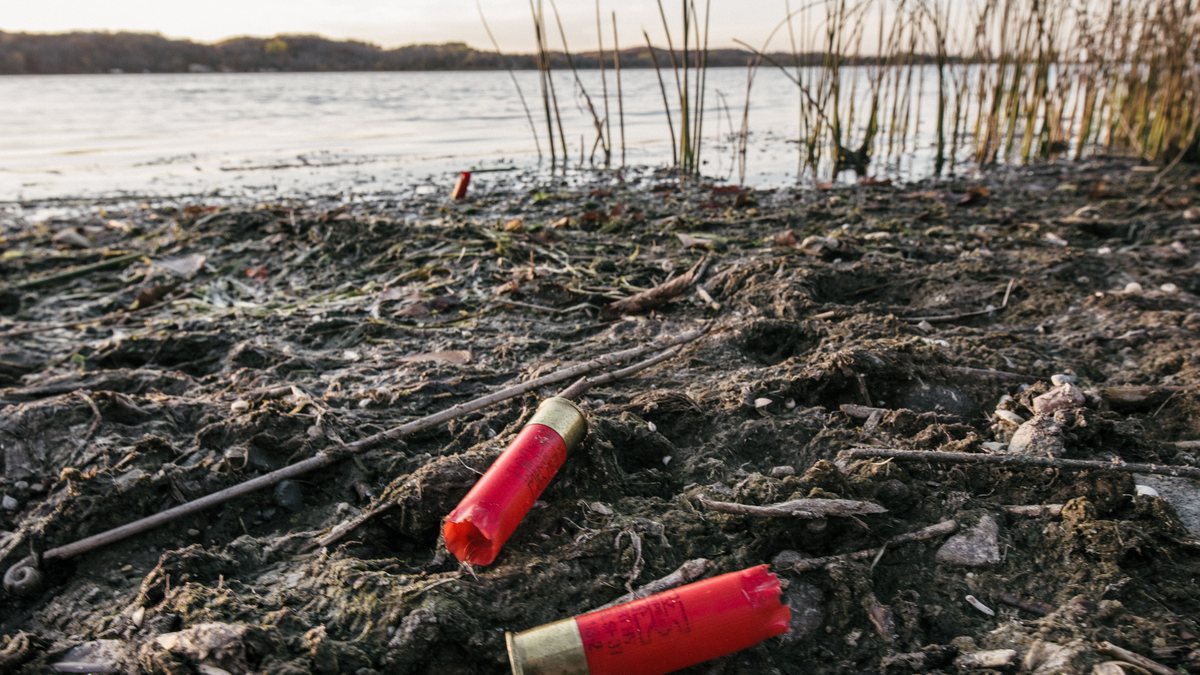
Imagine you've hunted pheasants for years on private ground with the same box of lead #5s. This fall a friend invites you to a public wildlife area up north, and as you pull into the parking lot he asks, "You brought steel, right?" You didn't. You didn't even know you needed to.
Is nontoxic shot only for ducks and geese? Will steel ruin an old shotgun? Does tungsten end every worry? Waterfowl are where the rule started, steel can be a problem in some older guns, and tungsten does outperform steel. But Iowa's rules reach beyond ducks, and each shot type has trade-offs worth understanding.
By the end you should be able to tell whether a hunt requires nontoxic shot, explain why steel behaves so differently from lead and how bismuth and tungsten compare, judge whether your gun and chokes can handle steel, and choose a shell, shot size and choke that will work in your gun.
Why nontoxic shot exists
Lead shot that falls into wetlands can be picked up by ducks and other birds that eat gravel to help grind their food. Swallowed lead poisons them. After years of research on waterfowl losses, the federal government phased in nontoxic shot for waterfowl hunting, and it has been required nationwide for ducks, geese and coots since the early 1990s.
Iowa has since extended nontoxic requirements to other hunting on certain public areas, mainly in the wetland-rich northern and central part of the state. The point for you as a hunter is practical: the rule depends on what you're hunting and where you're standing, so the same shell can be legal in one field and illegal a mile away.
Where Iowa requires nontoxic shot
Here is the framework as of 2025, based on rules that took effect June 18, 2025. Laws and rules change, so check the current Iowa DNR hunting regulations and any rules posted for the area before you go.
Waterfowl and coots, everywhere
For ducks, geese, brant, coots and other species covered by Iowa's migratory bird hunting rule, you may possess only nontoxic shot approved by the U.S. Fish and Wildlife Service on all Iowa lands and waters. Woodcock are the exception in that rule. Notice the word "possess": having a lead shell in your pocket while hunting ducks is a violation even if you never fire it.
Designated state and federal areas, most game
Iowa also lists specific public areas where you may possess only nontoxic shot while hunting migratory game birds, resident game such as pheasants, quail, rabbits and squirrels, and furbearers, or while target shooting with a shotgun. Deer and turkeys are excluded from this state rule. In many northern Iowa counties, including Buena Vista, Cerro Gordo, Clay, Dickinson, Emmet, Kossuth, Palo Alto and Winnebago, the rule covers all state and federal areas, with a few listed exceptions. Elsewhere it covers named areas, such as Chichaqua in Polk and Jasper counties and the Iowa River Corridor. The full list is in Iowa's rules and the DNR's hunting regulations.
Federal Waterfowl Production Areas
Federal Waterfowl Production Areas, the small wetland tracts managed by the U.S. Fish and Wildlife Service, have their own rules. The service's current Iowa hunting rules for these lands require shotgun hunters to use and possess only nontoxic shot, and they specifically include turkey hunters. That's stricter than the state rule, so if you hunt turkeys on federal wetland land, don't assume the state exemption applies.
Doves are a common point of confusion. Lead shot is legal for dove hunting in most of Iowa, but not on the areas that require nontoxic shot. Our article on dove hunting in Iowa covers that in more detail.
Key idea: Ask two questions before every hunt: What am I hunting, and whose land is this? Waterfowl always need nontoxic shot. Many public areas need it for nearly everything else too.
Why steel doesn't act like lead
Steel is the most common nontoxic shot because it's affordable and widely available. It is also very different from lead in two ways that matter.
First, it's lighter. Steel is about 70 percent as dense as lead. A steel pellet of the same size weighs less, so it loses speed faster and hits with less energy at distance. Picture throwing a golf ball and a ping-pong ball of the same size as hard as you can. The ping-pong ball starts fast but slows quickly. Steel isn't that extreme, but the principle is the same.
Second, it's hard. Lead pellets deform as they're squeezed through the choke, which spreads the pattern. Steel pellets don't squash, so they pass through the choke as a tighter cloud. A choke that gives a nice lead pattern often gives a much tighter steel pattern.
Those two facts lead to the usual rules of thumb. Use steel pellets about two sizes larger than the lead you would have used, so each pellet carries enough energy. A hunter who used lead #4 for ducks often uses steel #2. And open your choke up a step, since steel already patterns tight. Our guide to duck hunting ammunition goes deeper into steel loads for waterfowl.
Bismuth and tungsten: Paying more for performance
Other nontoxic materials get closer to lead or exceed it.
- Steel. About 70 percent as dense as lead, hard, inexpensive and the most widely available.
- Bismuth. About 85 percent as dense as lead and softer than steel, so it patterns more like lead and is generally safe in older guns, at a higher price.
- Tungsten blends. Equal to or denser than lead, depending on the blend, carrying more energy per pellet, at a higher price.
- Tungsten Super Shot (TSS). Much denser than lead, so very small pellets carry enough energy for turkeys, at a premium price.
Read this list as a ladder of performance and price. Steel does the job for most duck hunting over decoys and for most upland hunting where nontoxic is required. Bismuth is the go-to when you want to shoot an older or fine shotgun on a nontoxic area. Tungsten and TSS make the most sense where every pellet's energy counts, like long shots at ducks and geese or turkeys. Our article on innovative shot designs covers the newer materials in more depth.
Choose steel unless you have a specific reason not to, such as an older gun, long ranges or a turkey you want to anchor at distance.
Can your gun handle steel?
Most modern shotguns are built to handle steel, but not all guns and not all chokes. The concern is that hard steel pellets don't compress, so they put more stress on a tight choke. In older guns with thin barrels or tight fixed chokes, that stress can bulge or damage the barrel.
Here's how to check. Look for markings on the barrel or in the owner's manual. Many manufacturers state whether a barrel is rated for steel and which chokes to use with it. Choke tubes are often marked as well; some are labeled "steel" or "lead only." Many makers advise not to shoot steel through a full or tighter choke, and some older guns shouldn't shoot steel at all, especially high-velocity loads.
If you can't confirm that your gun is rated for steel, don't guess. Use bismuth or another material your gun's manufacturer approves, or ask a qualified gunsmith to look at it. Check the manufacturer's guidance for both barrel and choke before you shoot steel.
Common mistake: Shooting steel through your grandfather's full-choke shotgun because "it's just for one hunt." One hunt is enough to damage a barrel that wasn't made for steel. Bismuth exists for exactly that gun.
Shot size and choke: Making nontoxic work
Once you know which material you'll use, choose shot size and choke together. A few general pairings work for most Iowa hunters:
- Pheasants on nontoxic areas. Steel #3 or #4 through improved cylinder or modified, or bismuth #5 for a pattern closer to lead.
- Ducks over decoys. Steel #2 or #3 through improved cylinder or modified.
- Geese. Larger steel such as BB or BBB, or a denser tungsten load for longer shots.
- Doves on nontoxic areas. Steel #6 or #7 through improved cylinder.
Use these as starting points, not rules. Every gun and shell combination is a little different, and the only way to know what yours does is to shoot it on paper. Our article on patterning your shotgun shows how to compare chokes and loads at the distances you actually hunt. Because nontoxic loads cost more and pattern differently, a short patterning session is especially worthwhile before a nontoxic hunt.
Checking a hunt and a gun
Two quick checks answer the questions that matter before a public-land hunt. First, the area: the Iowa DNR hunting regulations list the nontoxic-shot areas, and the rule depends on whether the species you will hunt there is covered. Second, the gun: with the shotgun unloaded, the action open and no ammunition nearby, the barrel markings and owner's manual tell you whether it is rated for steel, and the markings on a removable choke tube tell you its constriction and whether it is steel-rated. A steel-rated barrel and choke, a shot size about two steps larger than your usual lead, and a pattern test before the hunt give you a nontoxic load you can trust.
Putting it together
Nontoxic shot is required for waterfowl everywhere and for most hunting on many Iowa public areas, especially in the north. Federal Waterfowl Production Areas can be stricter still. Steel is lighter and harder than lead, so go up about two shot sizes and open your choke a step. Bismuth patterns more like lead and suits older guns, while tungsten blends cost more but carry more energy. Before you shoot steel, confirm that your barrel and choke are rated for it. Then pattern your nontoxic load so you know how it performs in your gun.
Check your understanding
Try answering these before you open the answer. If you can decide what to do and explain why, you have it.
1. You're hunting ducks on private land in southern Iowa. Can you use lead shot?
No. Nontoxic shot is required for ducks, geese and coots on all Iowa lands and waters, private or public.
2. You're pheasant hunting on a state area in Palo Alto County. Do you need nontoxic shot?
Yes. As of 2025, Iowa's rules listed all state and federal areas in Palo Alto County as nontoxic-shot areas for resident game such as pheasants.
3. You've always used lead #6 for pheasants. What steel size would be a reasonable start?
About two sizes larger, so steel #4, and consider opening your choke a step since steel patterns tighter.
4. Your inherited shotgun has a fixed full choke and no steel markings. What should you do for a nontoxic hunt?
Don't shoot steel through it. Use bismuth or another material the manufacturer approves, or have a qualified gunsmith check the gun.
5. You're turkey hunting on a federal Waterfowl Production Area. Does the state's turkey exemption mean lead is fine?
No. The federal rules for those lands require shotgun hunters, including turkey hunters, to use only nontoxic shot. Follow the stricter federal rule.
Where to go next
Before a nontoxic hunt, patterning your shotgun shows how to test your load and choke. For waterfowl shells specifically, read our guide to duck hunting ammunition. To understand how chokes work with different shot, see demystifying shotgun chokes. And for licenses and other hunting rules, our article on Iowa hunting licenses and tags is a good overview.
If this article helped you, we invite you to sign up for email notifications of new blog articles.