
Lead Exposure at the Range: Protecting Yourself and Your Family
Joseph McLain Nov 07, 2026
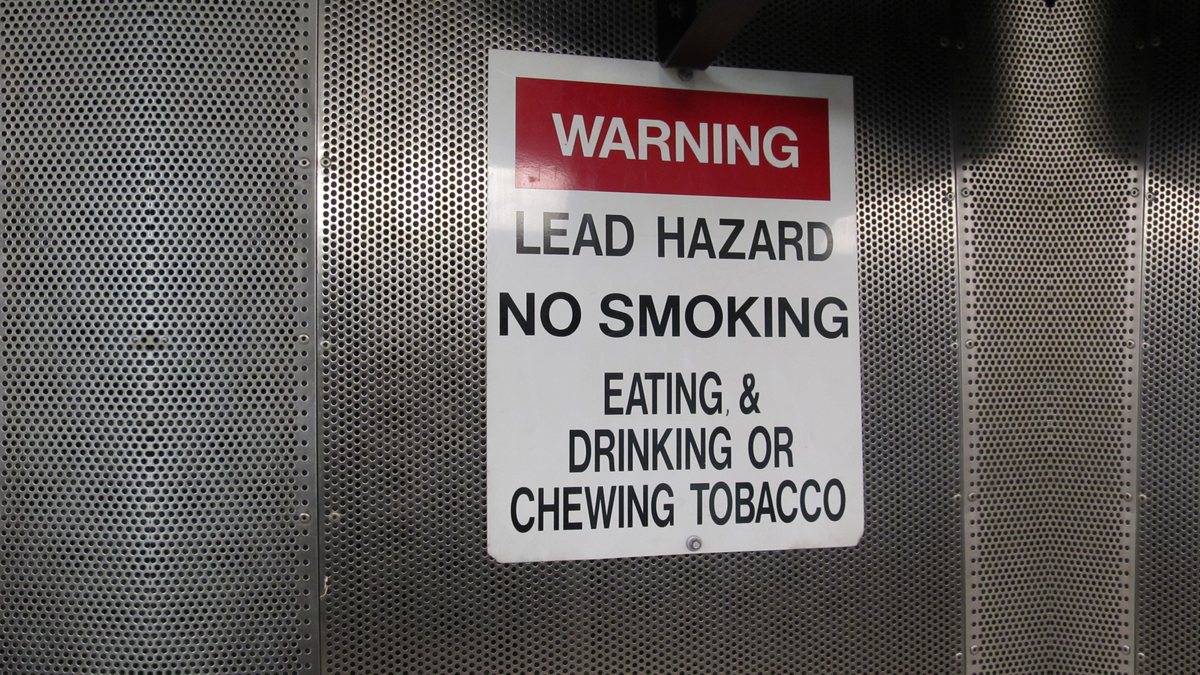
You come home from an afternoon at the indoor range, pick up your toddler and settle in for a snack before you've changed clothes. Later, your spouse mentions reading that shooters can bring lead home. Is that something to worry about?
Most shooters who use a few simple habits never have a problem, and lead-free ammunition does reduce exposure. But lead harm is usually quiet. People don't "feel" it until levels are high, and young children and pregnancies are far more vulnerable than adults, often through what a shooter carries home on hands, clothes and shoes. The habits that protect them are simple and cost almost nothing.
By the end you should be able to set up a range routine that keeps lead at the range, and know when a blood test makes sense.
Where the lead comes from
Most ammunition contains lead in two places. The first is the bullet. Many bullets have a lead core, and some have exposed lead at the base or the nose. The second is the primer. Many primers use a lead-based compound to ignite the powder. According to NIOSH's guidance on indoor firing ranges, bullets and primers are the primary sources of lead exposure at ranges.
When you fire, the primer's flash and the hot gas behind an exposed lead base release tiny lead particles into the air near the gun. Bullets striking the backstop break into fragments and dust. Spent cases carry residue. Shooting a lot of rounds in an enclosed space, picking up brass and cleaning guns all add to it.
Know that each shot releases some lead near you, and that the bullet's exposed lead and the primer are the main sources.
How lead gets into your body
Lead enters the body two main ways. You can breathe in fine particles in the air, which is the bigger concern at indoor ranges, especially ones with poor ventilation. And you can swallow it, usually by touching your mouth, food, drink or a cigarette with lead-dusted hands.
Swallowing is the route people overlook. Think of flour on a baker's hands. A baker who doesn't wash up leaves a trace of flour on every doorknob, sandwich and coffee cup they touch. Lead dust works the same way, except you can't see it.
Treat your hands as dirty from the moment you start shooting until you've washed them.
Who is most at risk
Lead affects everyone, but not equally. The CDC states that no safe blood lead level in children has been identified. Young children absorb lead more readily than adults, and their developing brains and nervous systems are especially sensitive. Small children also put their hands and toys in their mouths constantly, and they crawl and play on the floors, car seats and couches where lead dust settles.
Pregnancy is the other major concern. NIOSH notes that lead can reach a fetus during pregnancy and advises that pregnant shooters, or those considering pregnancy, understand the risks. If you're pregnant or planning to be, talk with your doctor about whether and how to shoot.
Key idea: The person most harmed by the lead you carry home may never have fired a shot. Children and pregnancies are far more vulnerable than the adult who brought the lead in.
Build your habits around protecting the most vulnerable person in your household.
Habits at the range
The NIOSH guidance for outdoor ranges and its indoor-range guidance recommend several habits that apply to every shooter.
- Don't eat, drink or smoke while shooting. Wait until you've left the firing line and washed.
- Wash before you eat. Wash your hands and face with soap and water, or use lead-removal wipes when soap and water aren't available, after shooting, handling brass or cleaning guns.
- Pick a well-ventilated range. Indoors, a good ventilation system moves air away from the shooter and toward the backstop.
- Don't sweep up dust. Dry sweeping brass or dust puts lead back into the air, so use a damp method or let the range handle it.
Of these, washing before eating does the most work, because swallowing lead from hands is the route you control most directly. NIOSH notes that even soap and water don't remove every trace, which is one reason lead-removal wipes are worth keeping in your range bag. Products such as D-Lead and Hygenall LeadOff soaps and wipes are made to lift lead dust that ordinary soap leaves behind.
Common mistake: Eating or drinking at the bench between strings and planning to wash later. By the time you wash, the lead has already traveled from your hands to your mouth.
Wash before anything touches your mouth.
Keeping lead out of your home and car
Lead dust settles on your clothes, shoes, range bag and gun case, and from there it travels to your car seat, carpet and couch. NIOSH's indoor-range guidance describes how lead can be carried home on clothing, shoes and vehicles, and recommends washing range clothing separately from the family's laundry.
A practical routine is simple. Wear clothes you change out of before you get in the car or as soon as you get home, before you hug your kids. Keep range shoes in the car or in a bag instead of wearing them through the house. Wash range clothes separately. Keep the range bag off the kitchen table and away from where children play.
Change, bag and wash separately, before you touch your family.
Cleaning, brass and reloading
Cleaning a gun brings you into close contact with fouling that contains lead. Wear disposable nitrile gloves, work in a ventilated area away from food and wash afterward. Our guide to cleaning and maintaining a firearm covers the process.
Picking up brass coats your hands in residue. Reloading adds more steps that can raise exposure: Tumbling brass, handling primers and especially melting lead to cast bullets. If you reload or cast, keep that work away from family living areas, use good ventilation and wash carefully. Casting outdoors or in a well-ventilated shop is far better than in a basement next to the furnace.
Gloves, ventilation and washing for every task that puts lead residue on your hands.
Lead-free and encapsulated ammunition
Ammunition makers offer options that reduce lead exposure. Some loads use lead-free primers. Some use solid-copper bullets or other non-lead materials. Others use bullets whose base is fully enclosed so no lead is exposed to the hot gas, sold under names such as total metal jacket or encapsulated. NIOSH notes that jacketed or non-lead bullets can greatly reduce lead emissions at ranges. Our article on FMJ vs. TMJ ammunition explains the difference.
These options usually cost more, and not every load is available in every caliber. They also don't eliminate lead if the range's backstop is full of lead from everyone else's shooting. But they cut the lead released right at your gun. For practice, CCI Blazer Brass Clean-Fire and Speer Lawman Clean-Fire pair a fully enclosed total metal jacket bullet with a lead-free primer, which removes both of the main sources at your gun for about the cost of a premium range load.
Consider lead-free primers or enclosed-base bullets if you shoot often indoors, and keep the washing and clothing habits either way.
When to get a blood lead test
Lead poisoning usually develops quietly. Early signs, if any, are vague, such as fatigue, headaches, irritability or trouble concentrating, and easy to blame on something else. A simple blood test is the only way to know your level.
NIOSH advises getting a blood lead test if you suspect high exposure, even without symptoms. That especially applies to frequent indoor shooters, instructors, range workers, reloaders and casters. If you have young children and shoot often, ask your children's doctor about testing them too.
If you shoot often, especially indoors, ask your doctor for a blood lead test and repeat it as they advise.
Putting it together
Lead comes mainly from exposed bullet lead and primers, and it reaches you through the air you breathe and the hands you eat with. Children and pregnancies are the most vulnerable, and they're often exposed through what you carry home. Keep food and drink off the firing line, wash hands and face before anything touches your mouth, choose well-ventilated ranges, change and bag range clothes before you reach your family, and use gloves and ventilation for cleaning and reloading. Lead-free or enclosed-base ammunition cuts exposure further. And if you shoot often, a blood test tells you how you're doing.
Check your understanding
Try answering these before you open the answer. If you can decide what to do and explain why, you have it.
1. For your weekly indoor league you're choosing between a cheap 9mm FMJ with an exposed lead base and a total metal jacket load with a lead-free primer that costs a few dollars more per box. Which cuts your exposure, and why?
The TMJ with the lead-free primer. Most of the lead released at your gun comes from two places: the hot gas hitting an exposed lead base and the primer compound. That load removes both. At an indoor range every week, the extra few dollars buy a real reduction in what you breathe, though you still need to wash before you eat or drink.
2. Your friend says he feels fine after thirty years of shooting, so lead isn't a concern. What's the flaw in that reasoning?
Lead harm is usually quiet and can build without obvious symptoms. And the people most at risk, young children and pregnancies, may be exposed to lead he brings home even if he feels fine.
3. You're thirsty between strings at the range. What's the safest choice?
Leave the firing line, wash your hands and face, then drink. Drinking with lead on your hands sends it straight to your mouth.
4. You switched to lead-free ammunition. Can you skip washing up?
No. Other shooters' lead, the range's backstop and residue on brass and guns still put lead on your hands. Lead-free ammunition reduces your exposure, but the habits still matter.
5. You shoot indoors several times a week and reload your own ammunition. What should you ask your doctor?
Whether to get a blood lead test, and how often to repeat it. Frequent indoor shooters and reloaders have higher exposure.
Where to go next
You can find D-Lead wash and surface cleaner and total metal jacket ammunition, including CCI Blazer Brass Clean-Fire and Speer Lawman, on our website, and anything listed there can be ordered if it isn't in stock.
To understand enclosed-base bullets, read FMJ vs. TMJ ammunition. For cleaning safely, see how to clean and maintain a firearm. If you're taking a child shooting, read a child's first range visit, which covers readiness and health. And to store ammunition safely at home, see best practices for storing ammunition.
If this article helped you, we invite you to sign up for email notifications of new blog articles.