
Getting Rid of Old or Damaged Ammunition Safely in Iowa
Joseph McLain Nov 06, 2026
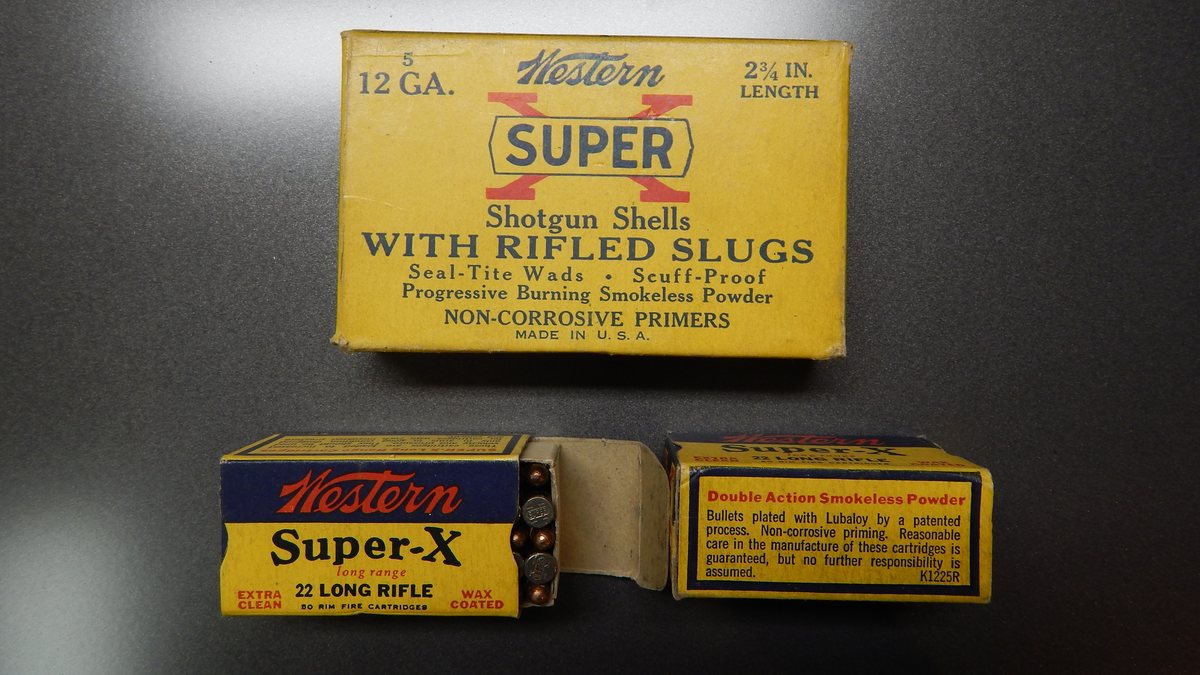
You're cleaning out a parent's house and find a coffee can of loose cartridges in the basement, a few boxes of shotgun shells with swollen paper hulls and a jar of rounds that have turned green. It is tempting to toss them in the trash, the burn barrel or the pond and be done with it. Each of those is a bad idea.
Old ammunition does need to go somewhere, but it isn't the bomb some people imagine, and much of it may not need disposal at all. The safe answer is usually simpler than any shortcut, and it involves a phone call instead of a match.
By the end you should be able to sort a box of mystery ammunition into "keep," "give away" and "dispose," and get the third pile out of your house the right way.
First, decide whether it needs disposal at all
A lot of old ammunition is perfectly good. Modern factory ammunition stored cool and dry can last for decades. Our guide to storing ammunition explains what keeps it reliable. If the boxes are intact, the rounds look clean and you know what they are, the ammunition may just need a new owner, not disposal.
Ammunition that should be disposed of usually shows clear signs.
- Corrosion. Green, white or crusty spots on brass, or rust on steel cases, can mean the case is weakened.
- Physical damage. Dented, cracked or split cases, bullets that are loose or pushed deep into the case, or primers that are dented or sticking out are all warning signs.
- Water or fire exposure. Industry guidance says not to salvage or use ammunition that has been submerged, and rounds from a house fire should never be fired.
- Unknown origin. Unlabeled reloads, loose mixed rounds you can't identify and very old shotgun shells with paper hulls that have swollen or split should be disposed of.
- Failed rounds. Any round that misfired once doesn't belong back in your supply.
Of these, unknown origin is the one people most often ignore. A neat-looking handload from an estate may be perfectly fine, or it may have twice the right powder charge. Without knowing who made it and how, you can't know which.
So keep what you can identify and that looks sound, and treat everything damaged, wet, burned or unidentifiable as disposal.
Good ammunition you don't need: Transfer, not disposal
If the ammunition is sound but you don't shoot that caliber, you can usually give or sell it to someone who does. That's a transfer, and the law cares about who receives it. Federal law forbids giving ammunition to anyone you know or have reason to believe is prohibited from possessing it. Iowa law, in Iowa Code 724.22, forbids selling, lending or giving any firearm ammunition to someone under 18, rifle and shotgun ammunition (including .22 rimfire) as well as handgun ammunition, except that a parent, guardian or spouse 18 or older may allow it, and for handgun ammunition only under direct supervision. Our article on buying and keeping ammunition covers those rules.
Keep it in its original boxes when you pass it on, so the new owner knows exactly what it is. Loose, unidentified rounds shouldn't be given to anyone to shoot.
Give sound, identified ammunition only to an eligible adult who shoots that caliber, in its original box.
What not to do, and why
The common shortcuts all fail for one of a few reasons. They put people at risk, they put lead and chemicals into the environment, or they leave the ammunition where someone else can find it.
- Don't put it in the trash. Garbage trucks compact loads with tremendous force, and municipal waste can be burned, so ammunition in the trash puts sanitation workers at risk.
- Don't burn it. Cartridges in a fire can burst and throw fragments, and you may be standing closer than you think when they do.
- Don't throw it in water or bury it. It puts lead in the water or soil and leaves the ammunition where a child or anyone else can find it later.
- Don't take it apart. Primers are impact-sensitive, and damaged or corroded rounds are exactly the ones least safe to work on.
- Don't fire damaged rounds "just to use them up." Weakened cases and unknown loads are how guns and shooters get hurt.
Notice the pattern. Each shortcut moves the risk to someone else, a sanitation worker, a child, a future owner of the property, or simply to you a few feet away.
Key idea: A loose cartridge in a fire usually bursts rather than firing like a gun, because there's no barrel to direct the force. That doesn't make it safe. Fragments of brass can still fly with enough force to hurt someone standing nearby.
A simple test catches all of them: if a disposal method would make the ammunition someone else's surprise, it's the wrong method.
Who can take it in Iowa
The most reliable first call is your local police department or county sheriff's office, on the non-emergency line. Industry guidance from SAAMI and the NSSF recommends contacting local police for instructions on disposing of ammunition. Many departments will accept it or tell you where to take it. Some have scheduled collection days.
Shooting ranges and gun clubs are another option. Many keep a container for duds and damaged rounds and send them to proper disposal. Call and ask before you show up.
Iowa's network of household hazardous materials Regional Collection Centers accepts specific types of hazardous waste, and each center sets what it takes. Many household hazardous waste programs don't accept ammunition, so call your county's center first rather than assuming.
Common mistake: Showing up unannounced at a police station or collection site carrying a bag of loose ammunition. Call first. They'll tell you whether they take it, when to bring it and how to package it.
So call the non-emergency line of your police or sheriff first, then a local range or your county's collection center.
Transporting it safely
Once you know where it's going, package it simply. Keep rounds in their original boxes when you can. Put loose or damaged rounds in a sturdy container, such as an ammunition can or a small box, with padding so they don't rattle. Label the container plainly, something like "Old ammunition for disposal."
Keep the ammunition separate from any firearm, out of a hot passenger compartment if possible and away from anything that could spill on it. In the car, the trunk or cargo area is best. Drive it straight to where it's going instead of leaving it in the vehicle for days.
After a fire or flood
After a house fire, assume any ammunition that was exposed to heat is unsafe, even if it looks fine. Heat can change powder and weaken cases in ways you can't see. After a flood, the SAAMI guidance on submerged ammunition is direct: Don't attempt to salvage or use it.
Photograph the ammunition and its boxes before disposal if you're filing an insurance claim. Then handle it like any other damaged ammunition and call your local police or sheriff for disposal.
Loose powder, primers and special cases
Reloading components are a separate category. Loose smokeless powder and primers can deteriorate, and old powder can become unstable. Don't burn powder indoors or in a container, and don't throw primers in the trash. Ask your local fire department or police how they want these handled, and keep components in their original containers until then.
Very old cartridges sometimes have collector value, especially unusual calibers in original boxes. If you find something that looks antique, a collector or a local gun club may know whether it's worth keeping as a curiosity. Treat it as live ammunition either way.
Sorting a box of mystery ammunition
When you face a coffee can of unknown rounds, work at a clear table in good light, away from any firearm, heat source or children, with safety glasses on. Set out three containers labeled "Keep," "Give away" and "Dispose." Check each box and loose round for a readable cartridge name on the box or the headstamp (the stamp on the case base), corrosion, damage, loose or pushed-in bullets and signs of water or fire. Anything you can't identify with certainty goes in "Dispose." Then call your police or sheriff's non-emergency line, ask how they want the "Dispose" container handled, and drop it off on the day they give you.
Your sibling, your neighbor and the forum poster all wanted the same thing: the ammunition gone. The right tool is usually the telephone.
Check your understanding
Try answering these before you open the answer. If you can decide what to do and explain why, you have it.
1. A box of factory 9mm from the 1990s looks clean and is still sealed. Does it need disposal?
Probably not. Factory ammunition stored cool and dry can last for decades. If it's sound and identified, you can keep it or give it to an eligible adult who shoots 9mm.
2. Your brother says the quickest fix for a bucket of corroded .22s is the burn barrel, since "they won't go anywhere without a barrel." What do you tell him?
He's half right: a loose cartridge in a fire bursts rather than firing like a gun. But the case still breaks apart and throws brass fragments hard enough to hurt someone nearby. Call the sheriff's non-emergency line and ask how they want the bucket brought in.
3. You find a jar of unlabeled reloads in an estate. What do you do with them?
Dispose of them. Without knowing who loaded them and how, you can't know whether they're safe. Call your police or sheriff's non-emergency line for instructions.
4. A 15-year-old neighbor who hunts asks if he can have your leftover .22 rimfire and 20-gauge shells. Can you give them to him?
Not directly. Iowa Code 724.22 forbids giving rifle or shotgun ammunition, and Iowa counts .22 rimfire as rifle ammunition, to anyone under 18, unless his parent, guardian or spouse 18 or older allows it. Give it to his parent, or have the parent there to approve it.
5. Your basement flooded and your ammunition cans filled with water. The rounds look fine after drying. Can you shoot them?
No. Industry guidance says not to salvage or use ammunition that has been submerged. Photograph it for insurance and dispose of it.
Where to go next
To keep ammunition from going bad in the first place, read best practices for storing ammunition. For the rules on giving ammunition to someone else, see buying and keeping ammunition. If a round failed to fire at the range, read misfires, hangfires and squib loads. And for storing firearms and ammunition safely around children, see proper gun storage.
Photo: "Western Cartridge Co. boxes of 12 GA and .22LR circa 1960" by RodeMaster, via Wikimedia Commons, licensed CC BY-SA 3.0; cropped.

If this article helped you, we invite you to sign up for email notifications of new blog articles.