
Testing and Rotating Your Carry Ammunition: Proving It Works in Your Gun
Joseph McLain Nov 06, 2026
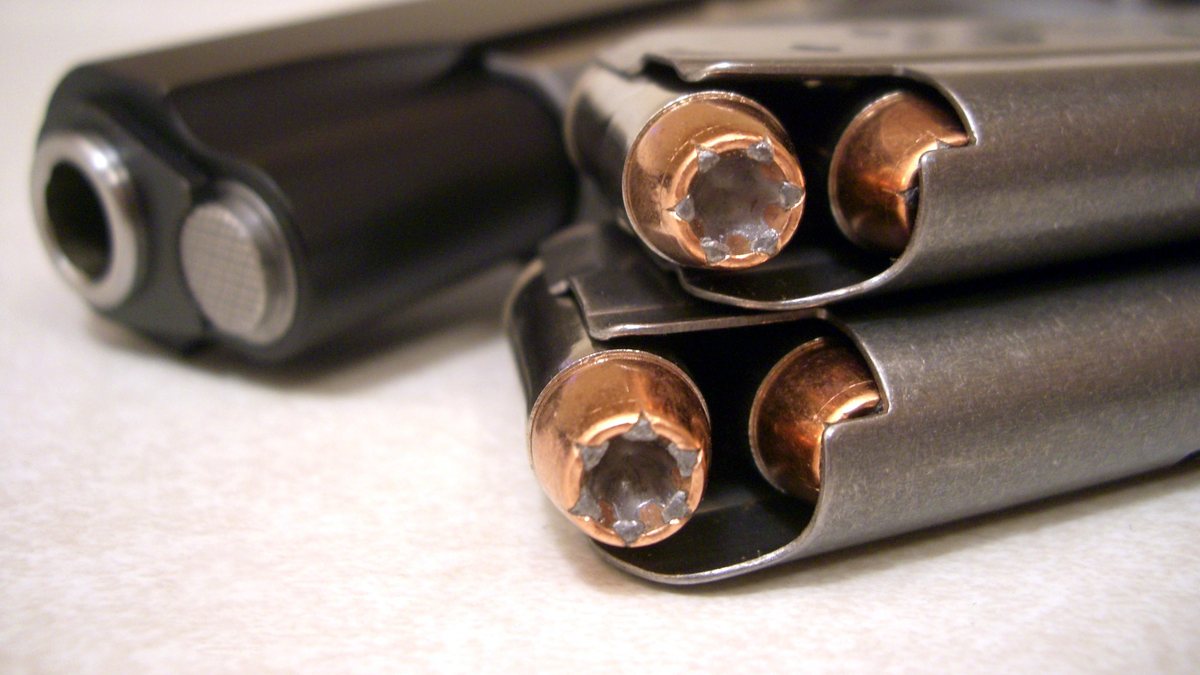
You picked a defensive load after reading reviews and watching gel tests. It is loaded in your pistol, and the rest of the box sits in a drawer. It occurs to you that you've never actually fired a round of it. Your coworker says that's fine, because premium ammunition from a big company just works. A friend who teaches classes says you should shoot at least a few boxes through your gun before you trust it. Your brother-in-law says he has carried the same rounds for five years and never thought about it.
Each of them is right about something. Major-brand defensive ammunition is made to a very high standard. Some guns really do dislike some loads, and you can only find that out by shooting them. And ammunition really can sit for years and still fire. The trouble is that "probably fine" isn't the standard you want for the rounds you might bet your life on. Testing and a little routine maintenance turn probably into known.
This article explains how to prove a carry load works in your gun, how to find where it hits, what bullet setback is and how to prevent it, and how often to replace carry ammunition. By the end you should be able to plan a test for your own pistol and load, inspect your carry rounds for setback, and set a simple rotation schedule you'll actually keep.
Why every gun and load is its own pairing
A semi-automatic pistol has to strip a round from the magazine, push it up a feed ramp, chamber it, fire it, extract the empty case and eject it, every time. Hollow-point bullets have different nose shapes than the round-nosed practice ammunition most of us shoot. Some guns feed every shape smoothly. Some balk at a particular nose profile or overall length. And defensive loads often recoil differently from practice loads, which changes how the slide cycles.
None of that means the ammunition or the gun is bad. It means the pairing is untested until you test it. A load that runs flawlessly in your friend's pistol is evidence, but it isn't proof for yours.
The trade-off is the cost of a few boxes of premium ammunition against confidence in the one load that matters most. The rule: Treat every new combination of gun and carry load as unproven until you've fired it yourself.
How much to shoot before you trust it
There is no official number. Many instructors recommend firing at least a hundred rounds of your exact carry load, and some recommend two hundred or more. The cost is real, since defensive ammunition is expensive. The reasoning is simple, though. A malfunction that happens once in a hundred rounds won't show up in ten.
Make the rounds count. Fire them through every magazine you'll carry, not just one. Load each magazine full, because a fully compressed spring is when feeding problems most often appear. Shoot some strings at a realistic pace, not only slow, careful shots. If your gun has a manual safety or you carry a backup magazine, practice those too.
If you can't afford a large test all at once, spread it out. Fire one box of your carry load at each range trip, mixed in with practice ammunition, and keep a simple record.
Good practice: Number your magazines with a paint pen and write down any malfunction by magazine number. If problems follow one magazine, you've found a bad magazine, not bad ammunition.
The trade-off is money against certainty. The rule: Fire enough of your exact load, through every magazine you'll carry, that you would be surprised by a malfunction, and keep a record.
Where it hits: Point of impact
Different loads can hit different places from the same pistol. Heavier bullets, lighter bullets, +P loads and practice ammunition may each print a little differently. At typical defensive distances, the difference is usually small, but you should know it, not assume it.
Shoot groups at 7 and 15 yards with your carry load and with your usual practice ammunition, at the same aiming point. If they land in noticeably different places, that's worth knowing, and if they land in the same place, you can practice with the cheaper load more confidently.
The trade-off is range time against a surprise you don't want. The rule: Confirm where your carry load hits compared with your practice load, at the distances that matter.
Bullet setback: The quiet danger of rechambering
Many people unload their pistol each night and reload it each morning. Every time the round on top of the magazine is chambered, the bullet's nose slams into the feed ramp. Do that to the same round over and over, and the bullet can be pushed deeper into the case. That's bullet setback.
Setback matters because it reduces the space inside the case where the powder burns. Less space means higher pressure when that round fires, sometimes much higher. Winchester's guidance on refreshing carry ammunition warns that setback raises pressure and can affect accuracy or cause a malfunction.
Preventing it is easy. Don't chamber the same round again and again. When you unload, put the round that was in the chamber at the bottom of the magazine, or set it aside for practice. Periodically compare your carry rounds against a fresh one from the box. You can stand them side by side or measure the overall length with an inexpensive caliper. Any round that is noticeably shorter goes in the practice box, not back in the gun.
Common mistake: Letting the same "first round" be chambered every morning for months because it's always on top. Rotate the chambered round, and check your rounds for setback.
The trade-off is a few seconds of attention against a round with unknown pressure. The rule: Never chamber the same round repeatedly, and retire any round that has visibly set back.
Rotation: How often to replace carry ammunition
Modern ammunition stored in reasonable conditions can last for decades. Carry ammunition doesn't live in reasonable conditions. It rides against your body, absorbs heat, humidity and sometimes sweat, gets handled daily, and sits in a gun that you oil. Winchester suggests refreshing carry ammunition once a year as a precaution. Many shooters pick an easy date to remember, like a birthday or New Year's Day.
The old carry rounds don't go to waste. Shoot them at your next practice session. That gives you another chance to fire your carry load and lets you confirm the rounds still work after a year of carry. If any of them misfire, that's useful information about how you are storing and carrying your ammunition. Our article on misfires, hangfires and squib loads explains what to do if one doesn't fire.
Replace carry ammunition sooner if it gets wet, soaked with sweat or exposed to solvent or lubricant. The industry guidance on submerged ammunition is clear that you shouldn't try to salvage or use it.
The trade-off is the cost of a fresh box each year against unknown reliability. The rule: Replace carry ammunition at least once a year, and right away if it's been soaked or contaminated, and shoot the old rounds in practice.
The monthly check
Between rotations, a quick monthly check catches small problems. Unload the pistol and all carry magazines. Look for lint, which pocket and holster carry pick up, and which can soak up oil and gum up springs. Look at each round for dents, corrosion, green or white spotting, or setback. Wipe any oil off the rounds, since lubricant can seep into primers over time. Then reload, rotating the chambered round as you go.
Our article on everyday concealed carry covers safe loading and unloading routines that fit naturally into this check.
The trade-off is ten minutes a month against problems that grow unseen. The rule: Unload, inspect, clean off lint and oil, and reload once a month.
When to test again
Your proven pairing stays proven as long as nothing important changes. Retest when you change the gun, the load, or the magazines. Retest after the gun has been repaired, after replacing springs, and after adding a part that touches the feeding path. A new lot of the same load rarely matters, but a careful shooter still fires a box from a new lot before carrying it.
The trade-off is extra ammunition and range time against assuming yesterday's result still holds. The rule: Any change to gun, load or magazines means a new test.
Putting it together
Premium ammunition is made very well, but each gun and load pairing still has to be proven. Fire enough of your exact load, through every magazine you carry, that a malfunction would surprise you. Confirm where it hits compared with your practice ammunition. Rotate the round you chamber so no bullet gets set back, and check rounds against a fresh one. Replace carry ammunition at least yearly and shoot the old rounds in practice. Inspect monthly. And retest whenever something important changes.
Try this: Build your carry-ammunition record
- At home, unload your carry gun and every carry magazine, lock the action open, set the ammunition in another room and confirm the gun is empty.
- Number each magazine with a paint pen, and write your gun, your carry load and its lot number on a card or in your phone.
- Stand one carry round beside a fresh round from the box, or measure both with a caliper, and set aside any that are noticeably shorter.
- At your next range trip, wearing eye and ear protection, fire at least one full magazine of your carry load through each numbered magazine, recording any malfunction by magazine number.
- Write today's date on the record as the start of your yearly rotation.
You will know it worked when you can show a record of how many rounds of your carry load have run through your gun, by magazine, and the date your carry ammunition is next due to be replaced.
Check your understanding
Try answering these before you open the answer. If you can explain it in your own words, you understand it.
1. Your carry load has worked perfectly in a friend's pistol of the same model. Do you still need to test it in yours?
Yes. Your friend's experience is good evidence, but your own gun, magazines and springs make it a separate pairing. Test it in your gun before you rely on it.
2. You unload your pistol every night and reload it every morning, always chambering the top round. What problem might develop?
Bullet setback. Repeatedly chambering the same round can push the bullet deeper into the case and raise pressure. Rotate the chambered round to the bottom of the magazine and check rounds against a fresh one.
3. All your malfunctions in a test happened with magazine #3. What does that suggest?
The magazine is the likely problem, not the ammunition or the gun. Repair or replace that magazine and retest.
4. You were caught in a downpour and your carry gun and magazines got soaked. What do you do with the ammunition?
Replace it. Don't try to salvage ammunition that has been soaked, and dispose of it responsibly.
5. You've just put a new recoil spring in your carry pistol. Is your carry load still proven?
Not fully. A change to the gun's springs or feeding path can change how it runs, so retest with your carry load.
Where to go next
If you're still choosing a load, compare the major lines in premium defensive ammunition, and see whether you need the extra pressure in +P ammunition. For safe daily loading and unloading, read everyday concealed carry. And for the debate about whether to carry with a round chambered, see should you carry with a round in the chamber.
You can browse defensive ammunition on our website, and anything listed there can be ordered if it isn't in stock. Text or call us with questions.
Photo: "DW CBOB, 10mm Hollow-Points" by Iceman7840, via Wikimedia Commons, licensed CC BY-SA 3.0; cropped.

If you found this informative, we invite you to sign up for email notifications of new blog articles.